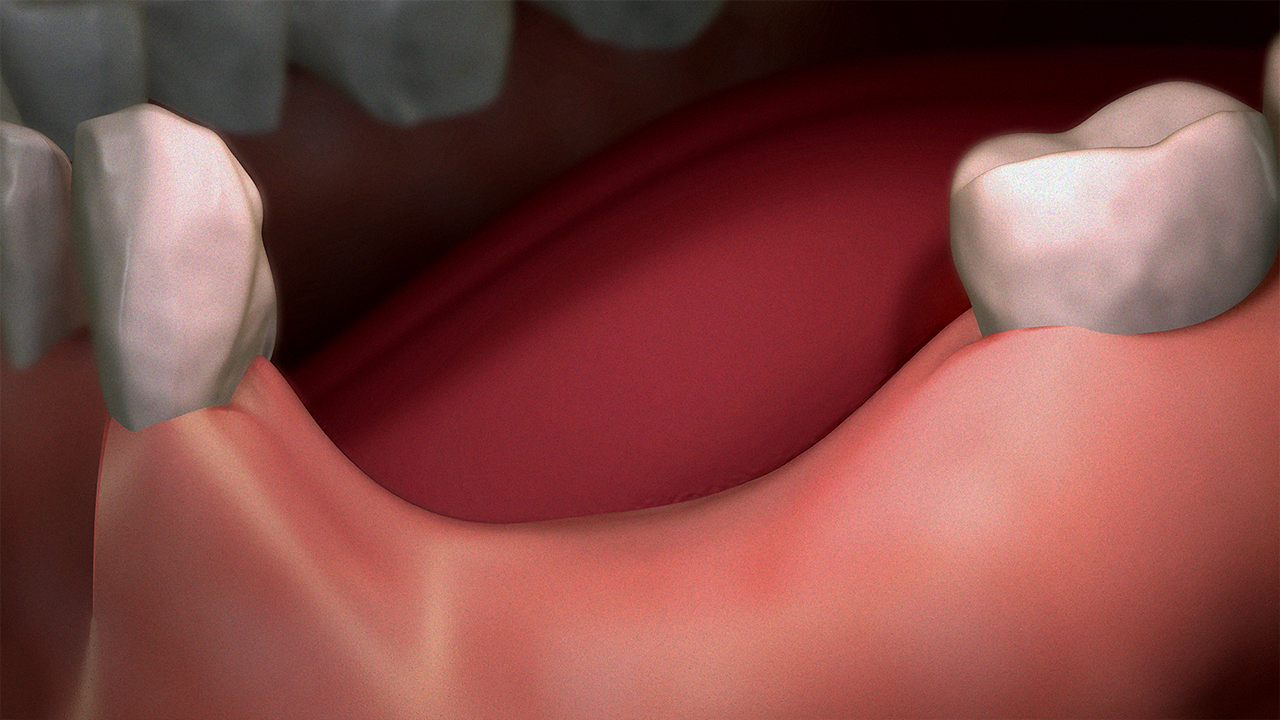

If you’ve been told you need a bone graft before getting a dental implant, you’re not alone. This guide explains why bone grafting may be necessary when jawbone is insufficient, what the success rate looks like, the most common techniques, typical recovery timelines, and frequent misconceptions—so you can plan more confidently.
“I want an implant—why do I need a bone graft?”

Hearing that for the first time can feel overwhelming.
Questions like “Is it really necessary?”, “How painful is it?”, and “Will it heal properly?” naturally follow.
In particular, when a tooth has been missing for a long time, the gum tissue and jawbone can shrink. In some cases, that shrinkage makes implant placement difficult or unsafe. A bone graft is the process used to rebuild or reinforce the missing bone.
1.Why a Bone Graft May Be Needed for Dental Implants
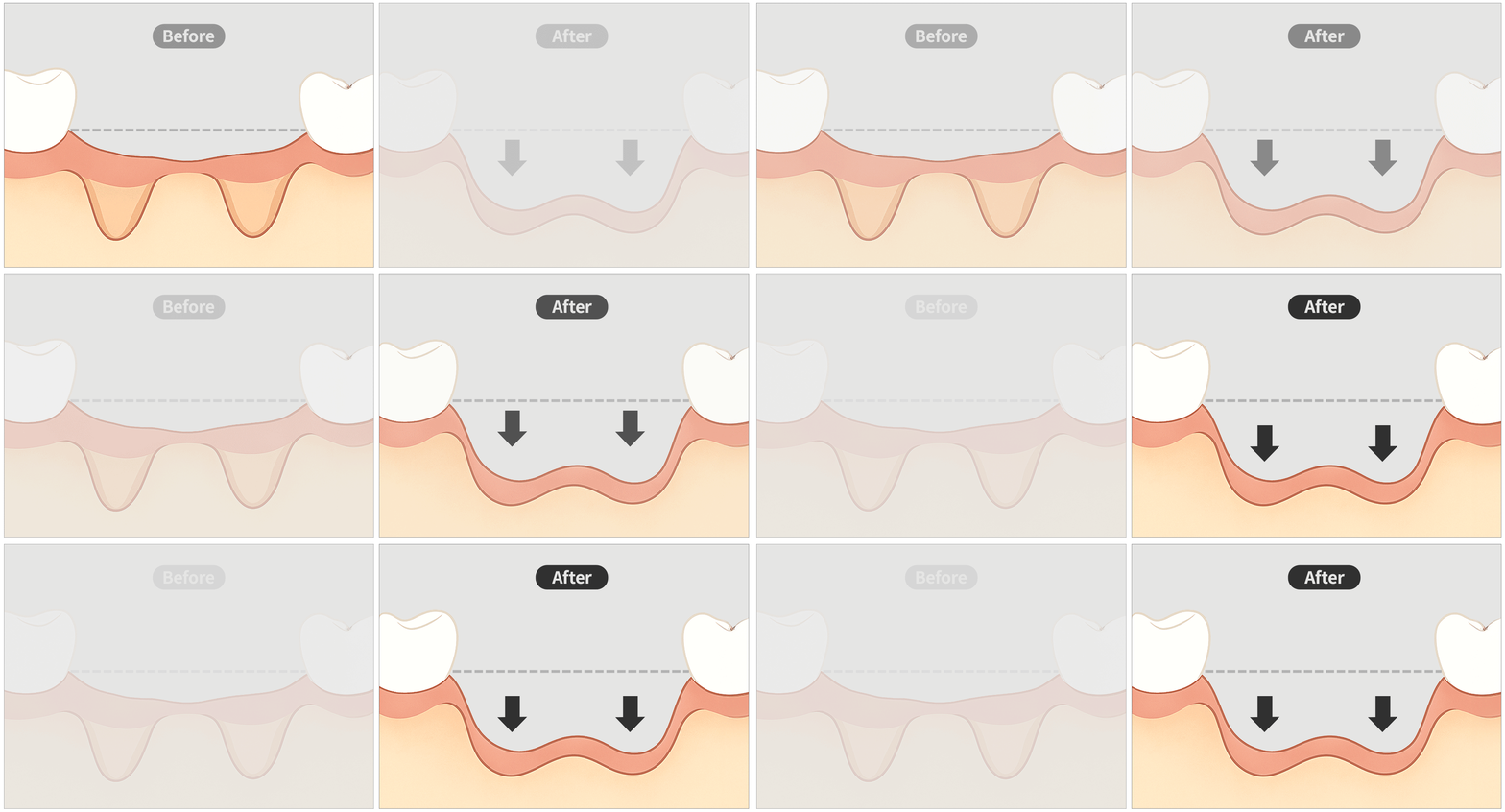
After you lose a tooth, the jawbone (alveolar bone) in that area can gradually decrease over time.
When bone volume is reduced, it can be difficult to anchor an implant securely.
A dental implant needs to be surrounded by a sufficient amount of healthy bone to remain stable.
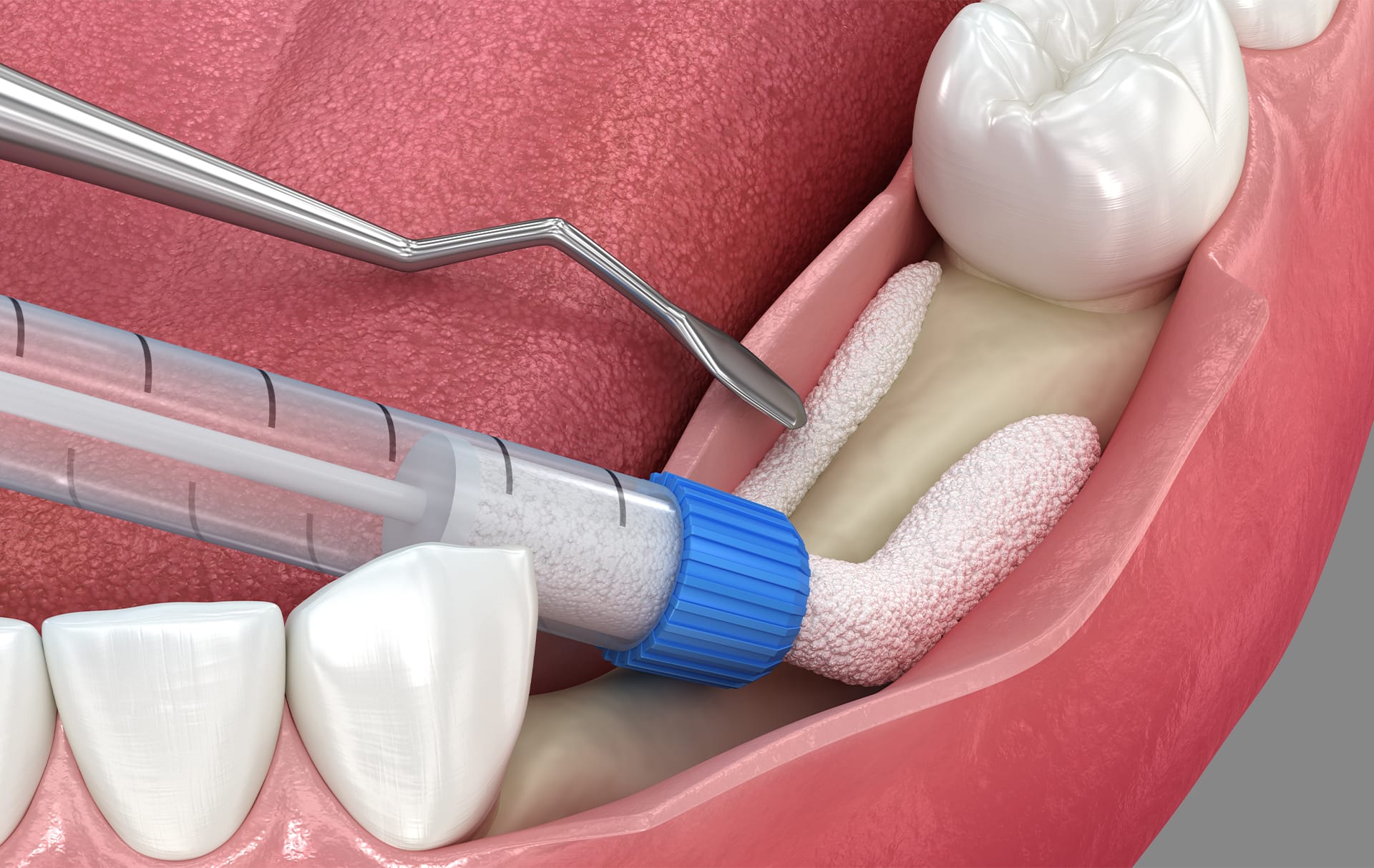
For that reason, bone grafting may be performed to increase bone volume vertically or horizontally around the planned implant site. In immediate implant cases (placed right after extraction), bone graft material may also be used to fill the socket—the “hole” left behind after the tooth is removed.
2.Success Rates and Benefits After Bone Grafting
Studies report implant success rates of approximately 92–97% after bone grafting.
Long-term follow-up data also suggest relatively stable surrounding bone in many cases.
A variety of graft materials may be used—autograft (your own bone), allograft (donor human bone), xenograft (processed animal bone), and synthetic graft materials. Overall, many reports describe implant bone graft outcomes as above 90% in appropriate cases.
That said, results can vary. Success is influenced by how suitable the technique is for your situation and by individual medical factors (including systemic health conditions).
3.Common Types of Bone Graft Procedures
Because the location and degree of bone deficiency differs from person to person, several bone graft approaches may be used. Here are three representative methods.
1) Socket Preservation
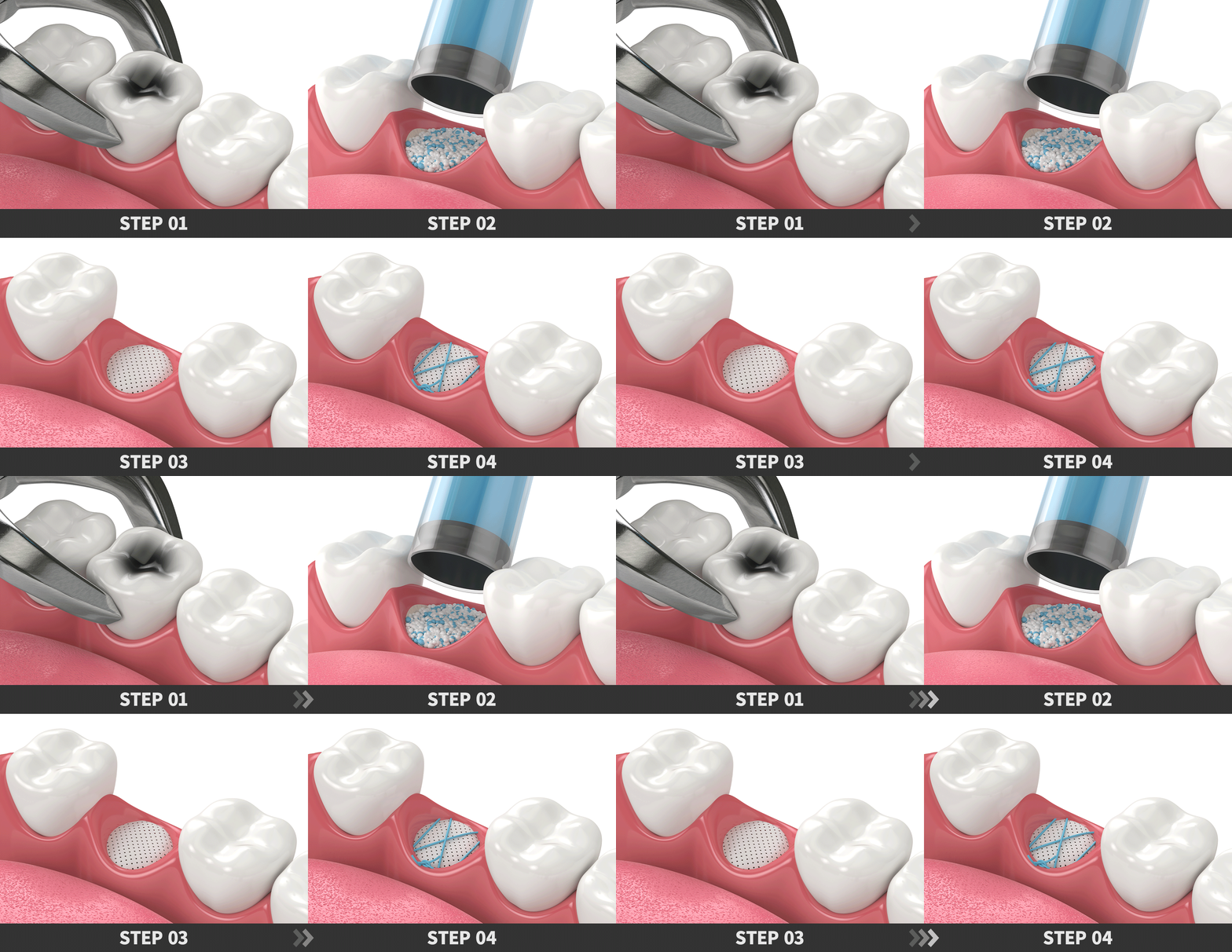
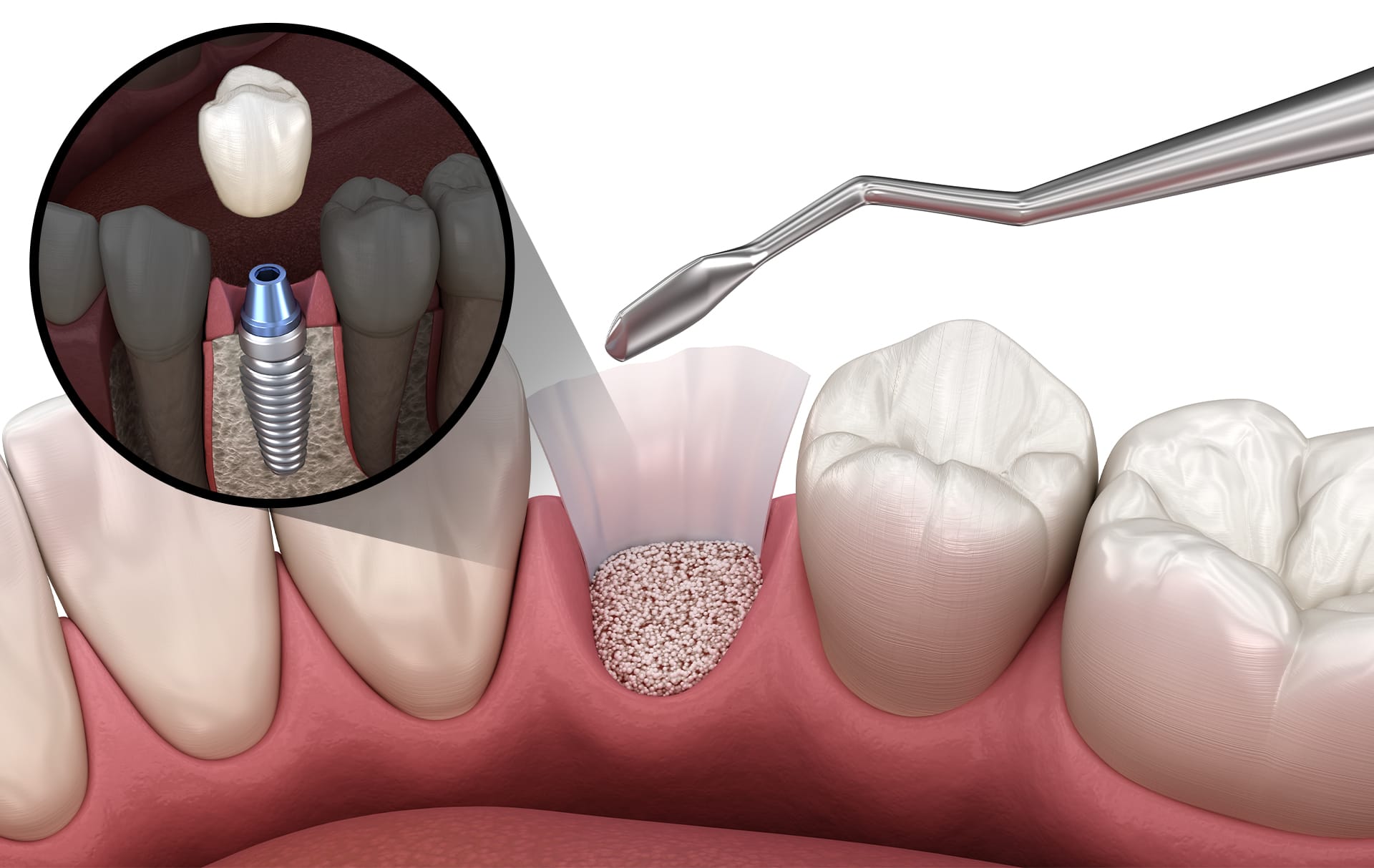
After a tooth is extracted, bone graft material may be placed into the socket and covered with a collagen membrane, then sutured. The goal is to reduce collapse of the bone and gum tissue after extraction.
By preserving bone volume early, future implant placement may become easier and more predictable.
2) Sinus Lift (Maxillary Sinus Augmentation)
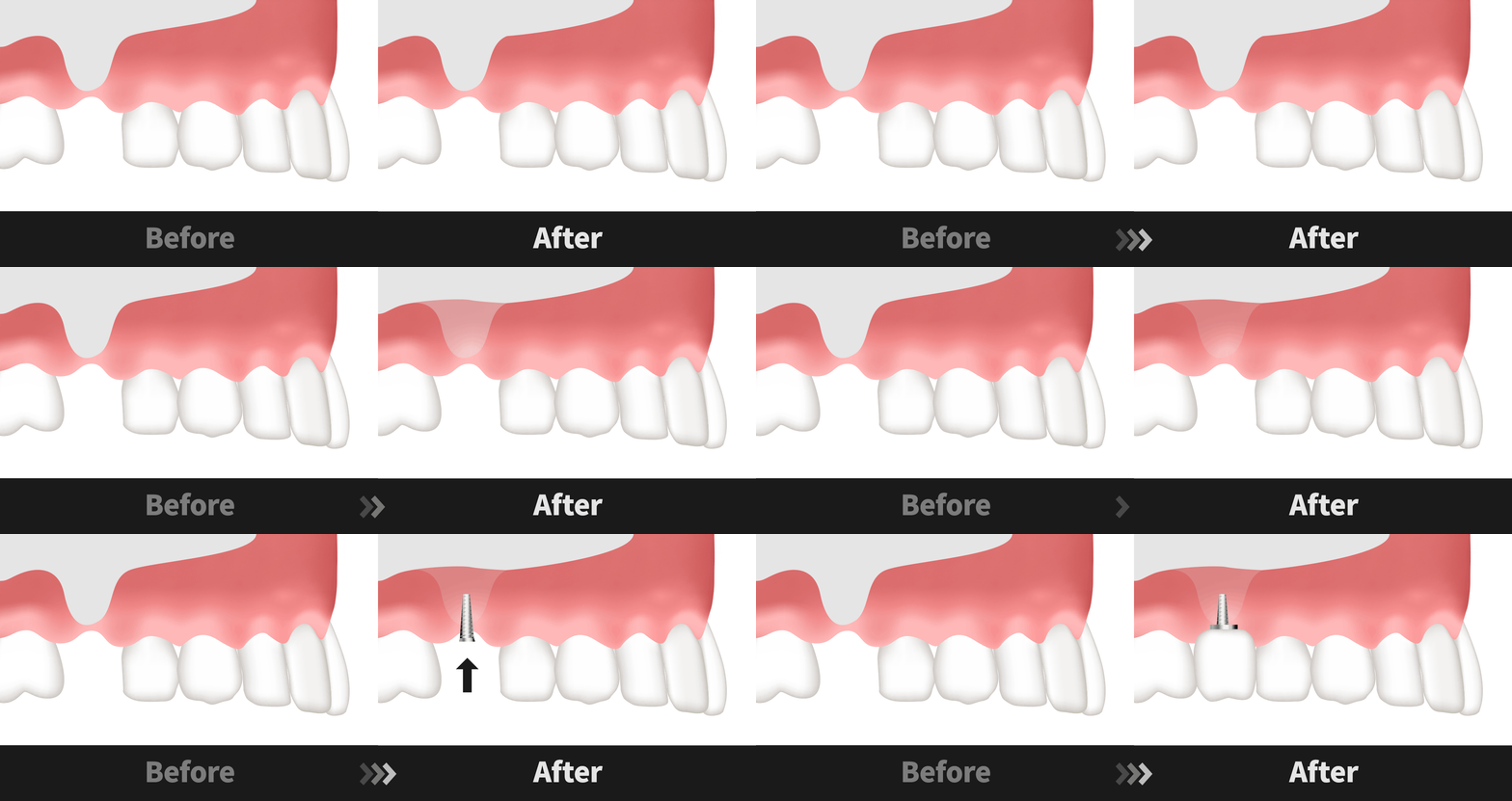
This technique is commonly used when the bone under the maxillary sinus (above the upper molars) is too thin.
After upper back teeth are lost, the sinus space can expand downward, leaving insufficient vertical height for an implant. A sinus lift creates space and adds bone to help secure adequate height for implant placement.
Because many people have relatively large maxillary sinuses, sinus lift procedures are often considered for implants in the upper molar area.
If an implant is placed without sufficient vertical bone support, stability can be compromised. In some cases, there may also be risk of sinus-related complications—so careful planning is important.
3) GBR (Guided Bone Regeneration)
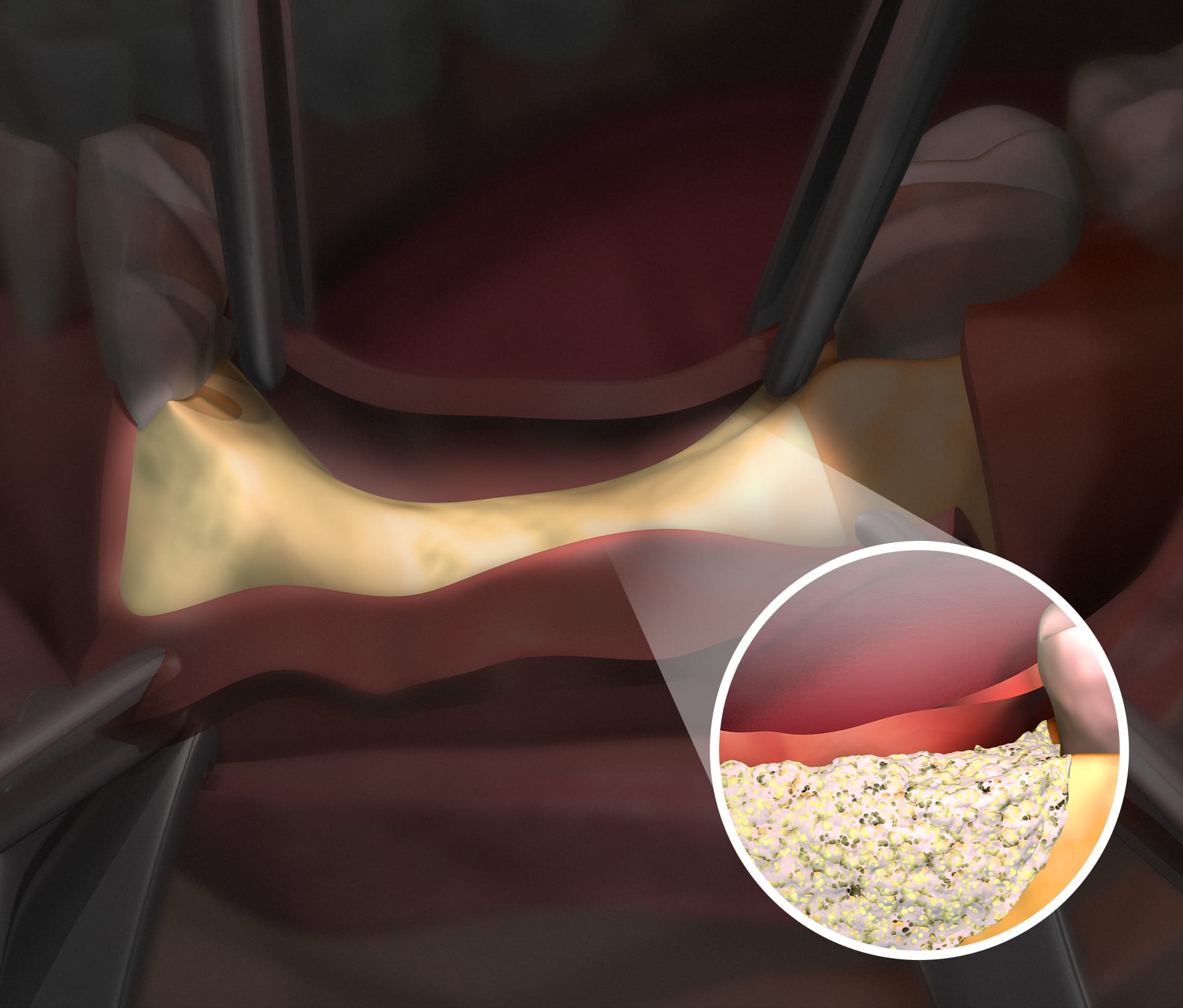
When bone loss is localized—such as a “dip” or defect—guided bone regeneration (GBR) may be used.
A barrier membrane is placed to maintain space for bone cells to grow while preventing soft tissue (like gum tissue) from collapsing into the area. The core idea is to protect the healing site so bone can regenerate more effectively.
4.What the Implant Process Looks Like After Bone Grafting
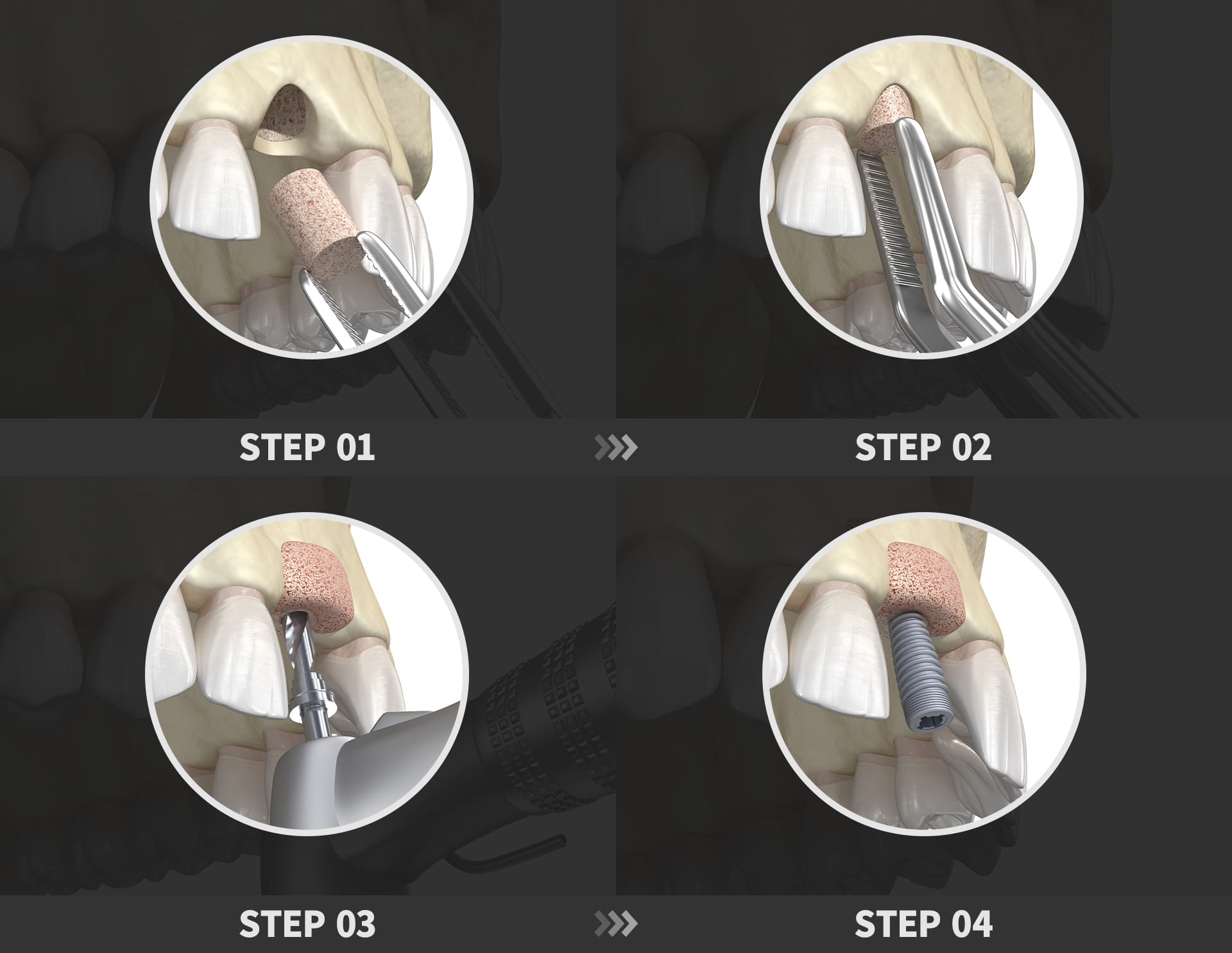
To reduce the number of visits, some cases may be candidates for simultaneous placement, where bone grafting and implant placement are performed at the same time.
However, when bone volume is severely insufficient or bone condition is poor, a staged approach may be safer. In this plan, the bone graft is performed first, and implant placement is delayed for about 3–6 months to allow the new bone to form and stabilize.
5.Common Misconceptions About Bone Grafting
“Can’t a CT or MRI tell right away whether I need a bone graft?”
→ Imaging is helpful, but it’s only part of the picture. Clinical judgment from an experienced clinician is also important.
“Bone grafting automatically means a very difficult recovery.”
→ Bone grafting can extend the overall timeline—this is true.
However, discomfort is often more closely related to how much the gum tissue is opened and for how long, rather than the graft material itself.
“Bone graft implants have severe side effects.”
→ Most bone graft procedures are performed safely, and serious complications are uncommon. Following post-op instructions and maintaining consistent follow-up care can significantly reduce risk.
6. Frequently Asked Questions (FAQ)
Q. Is bone grafting for implants very painful?
Bone grafting is usually performed under local anesthesia, so most people feel little to no pain during the procedure.
Afterward, some swelling or soreness can occur, but it is typically manageable with prescribed pain relievers. Many patients return to daily routines relatively quickly.
Q. How long does implant bone graft healing take?
On average, it takes about 3–6 months, which includes the time needed for the grafted bone to stabilize.
Depending on your bone condition, your clinician may recommend placing the implant at the same time as the graft. The final plan should be determined through consultation.
Q. What type of bone graft material is used?
Options vary depending on your needs and condition. Materials may include autograft (your own bone), allograft (donor human bone), xenograft (processed animal bone), or synthetic graft materials. The selection is individualized to pursue the most stable outcome.
Q. Are complications from bone grafting common?
Implant bone grafting is generally considered a safe procedure with relatively low rates of infection or failure. Accurate diagnosis, skilled technique, and appropriate post-op care all contribute to lowering risk. Following the aftercare instructions you receive is important for healing.
Q. When is the best time to start treatment?
In general, it’s better to begin treatment sooner after tooth loss. Over time, the jawbone in the missing-tooth area can continue to resorb and shrink. Starting earlier—before significant bone loss progresses—may support a more favorable prognosis.
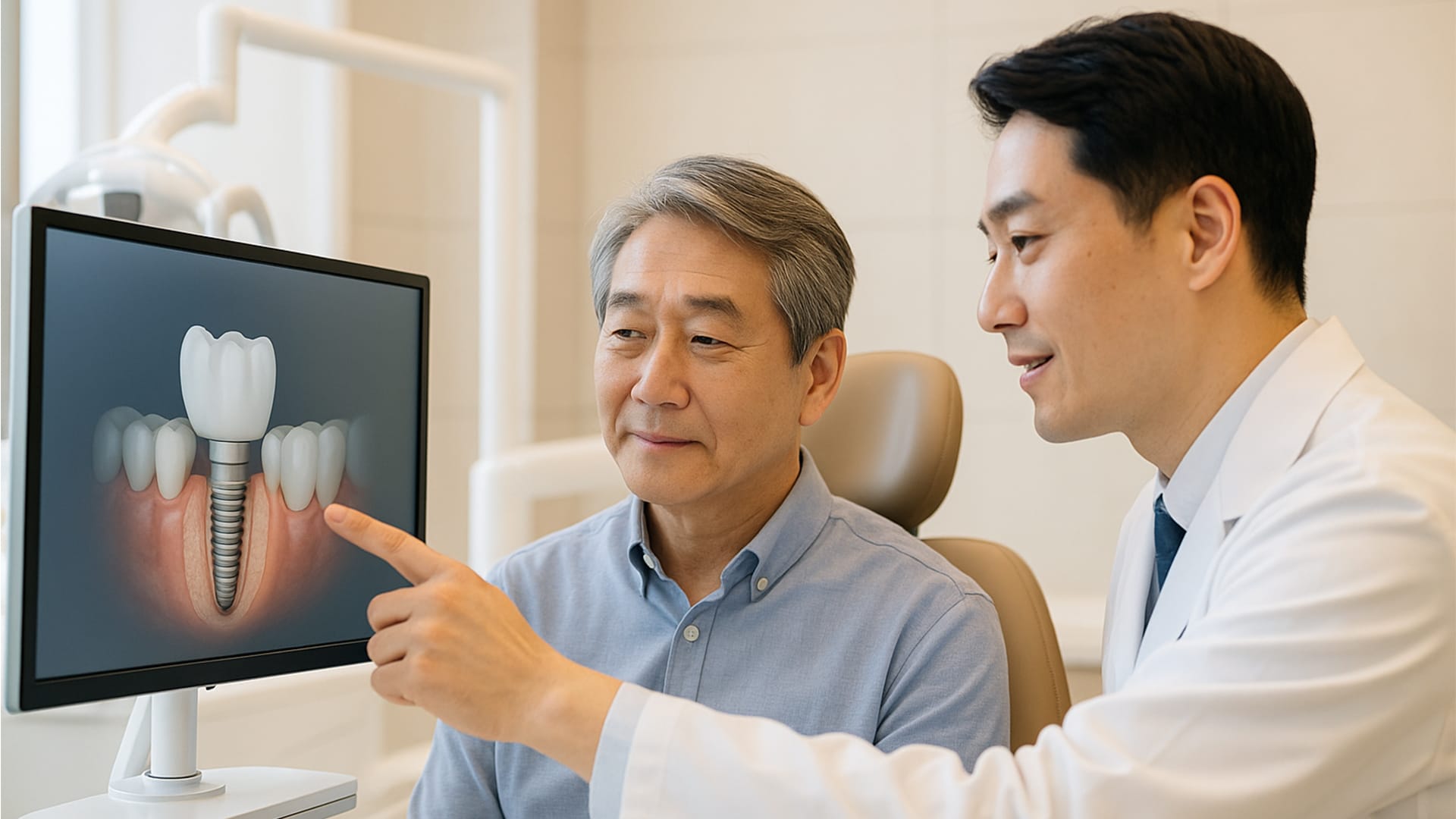
Bone grafting is not merely an add-on step—it is a solid foundation that helps your implant last long term. Rather than approaching it with fear, the most important thing is to understand which option is truly appropriate for your situation. With an experienced dental team and a well-planned approach, many patients can achieve satisfying outcomes.
Sources
- Pjetursson, B. E., et al. (2014). A systematic review of the survival and complication rates of implant-supported fixed dental prostheses. Clinical Oral Implants Research, 25(6), 725–742.
- Korean Academy of Oral and Maxillofacial Implantology. (2023). Clinical guideline for bone grafting in implant dentistry.
- Esposito, M., et al. (2012). Interventions for replacing missing teeth: augmentation procedures of the maxillary sinus. Cochrane Database of Systematic Reviews, (5).
※ The copyright for all content on this blog belongs to Medihi. Unauthorized copying, distribution, or derivative use is strictly prohibited, and violations may result in legal action without prior notice.
Recommended reads
 medihi