
Early discomfort after orthodontic treatment is a common part of the adjustment process. This guide explains why pain happens, when it typically improves, non-medication strategies you can try first, how to choose safer OTC pain relief, and how parents can support their child emotionally and practically.
“My child started crying right after getting braces because it hurts so much they can’t eat. What can I do?”
If you’re a parent of a child who has just started orthodontic treatment, this worry is extremely common. Many children feel irritated by the unfamiliar appliance and soreness, and some may even have trouble sleeping for a few nights.
As a parent, it’s hard to watch—and it can trigger anxiety about whether you made the right decision. But in most cases, orthodontic pain is predictable, and with the right routine, it can be managed effectively.
This article covers why your child hurts, when pain usually improves, drug-free pain relief methods, and how to use pain relievers more safely when needed.
1.Why does it hurt?
It’s painful to see your child in pain. Still, discomfort during orthodontic treatment is generally a normal response.
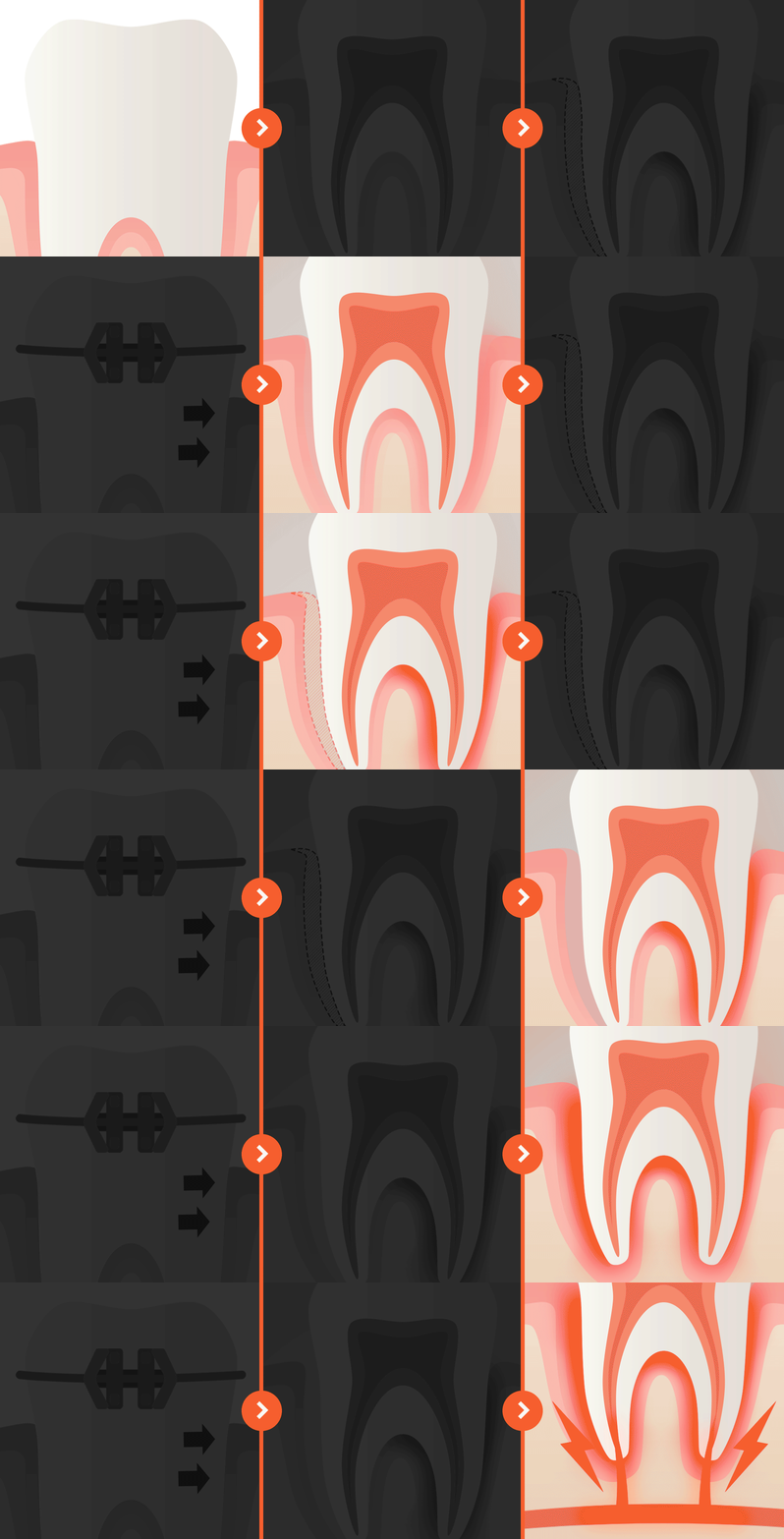
Orthodontic pain usually comes from two main sources:
- internal soreness from tooth movement, and
- external irritation where the appliance rubs the mouth.
- Internal factor (biological)
- When the periodontal ligament (the “cushion” between tooth and bone) is compressed, blood flow can decrease and inflammatory signals can occur.
- These signals recruit cells that help remodel bone—preparing for tooth movement.
- During this process, pressure and cellular activity can stimulate nerves, causing a dull, aching, throbbing sensation.
- External factor (physical)
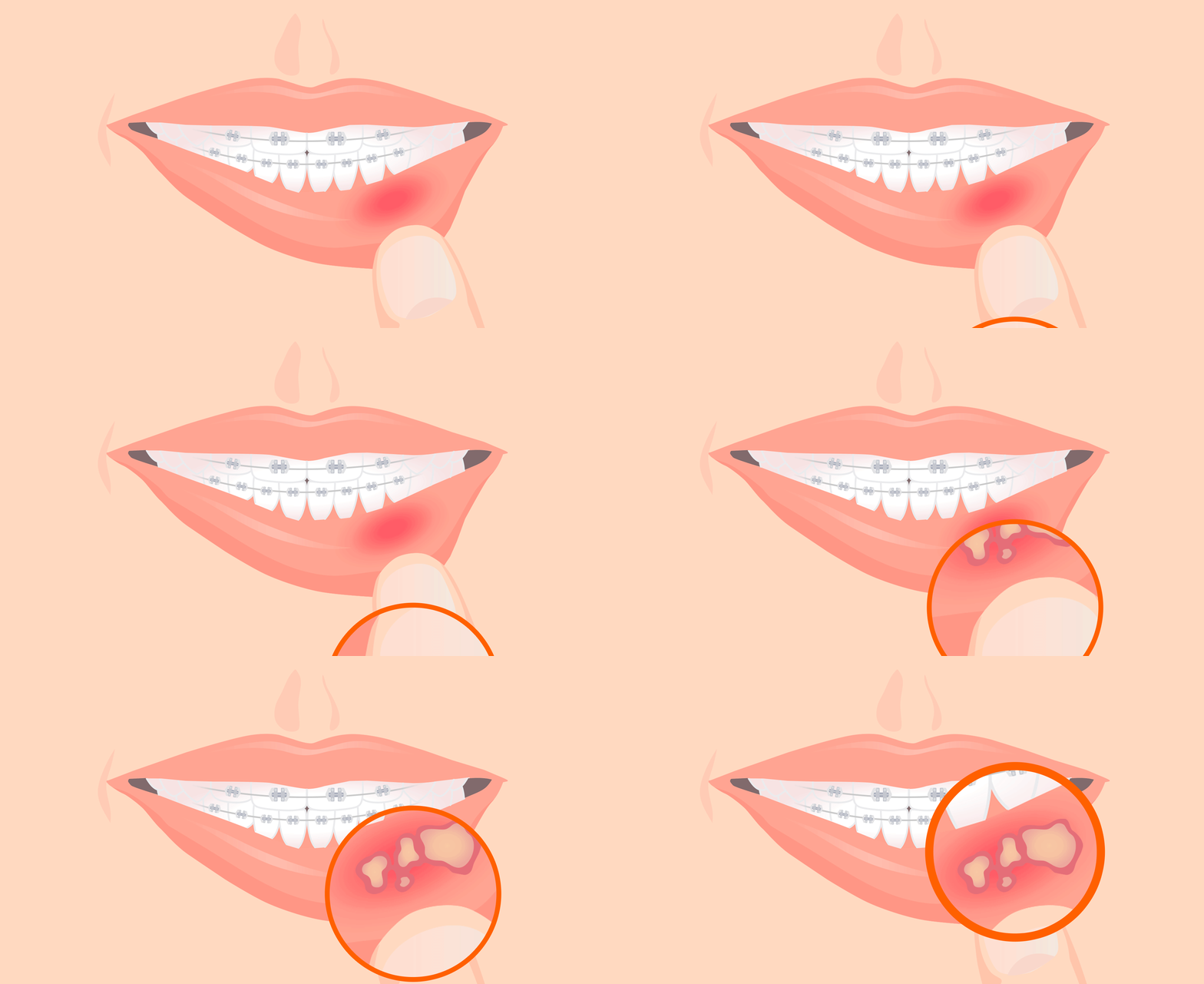
- Brackets or wires may rub or poke the cheeks, lips, or tongue, leading to sores or ulcers.
- Many children adapt within 1–2 weeks.
2.When does it get better?
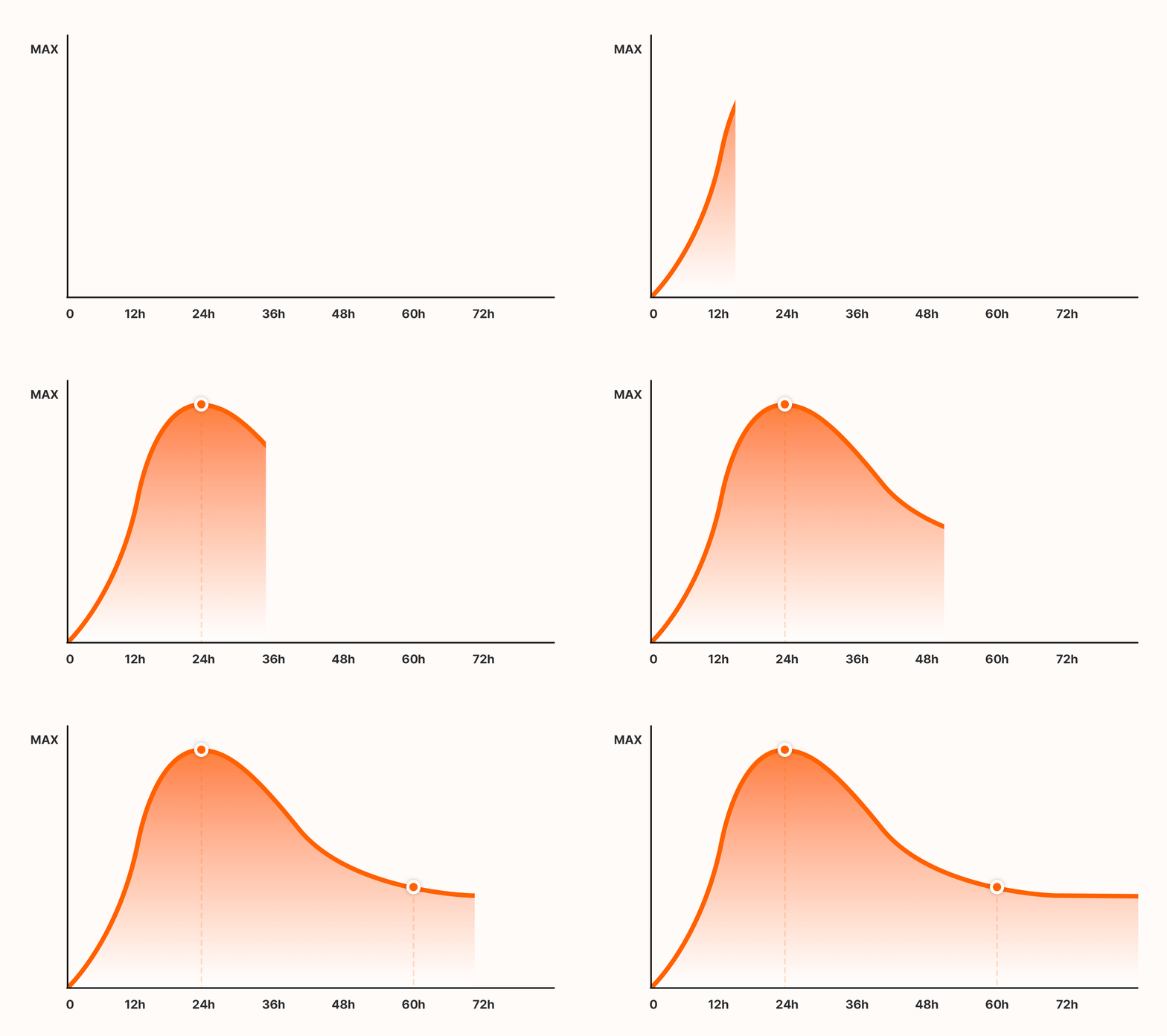
Your child’s pain pattern is often fairly consistent. Studies report that discomfort is usually strongest during the first 24 hours after the initial placement or after a wire adjustment, then gradually settles within 48–72 hours.
By around day 5–7, the discomfort often becomes minimal. With monthly adjustments, similar soreness may recur for a few days in a comparable pattern.
Because the first 72 hours are usually the toughest, it helps to be prepared. Use the table below as a practical guide.
| Timing | Typical pain pattern | What parents can do |
|---|---|---|
| First 24 hours after placement/adjustment | Peak discomfort | Prepare soft foods; use pain relief if needed |
| Within 48–72 hours | Gradual improvement | Teach how to use orthodontic wax; praise and encouragement |
| After 5–7 days | Mostly recovered | Check if eating returns to normal; support hygiene routine |
| Pain >7 days, fever, etc. | Not typical | Contact/visit the clinic promptly |
3.Drug-free strategies to try first
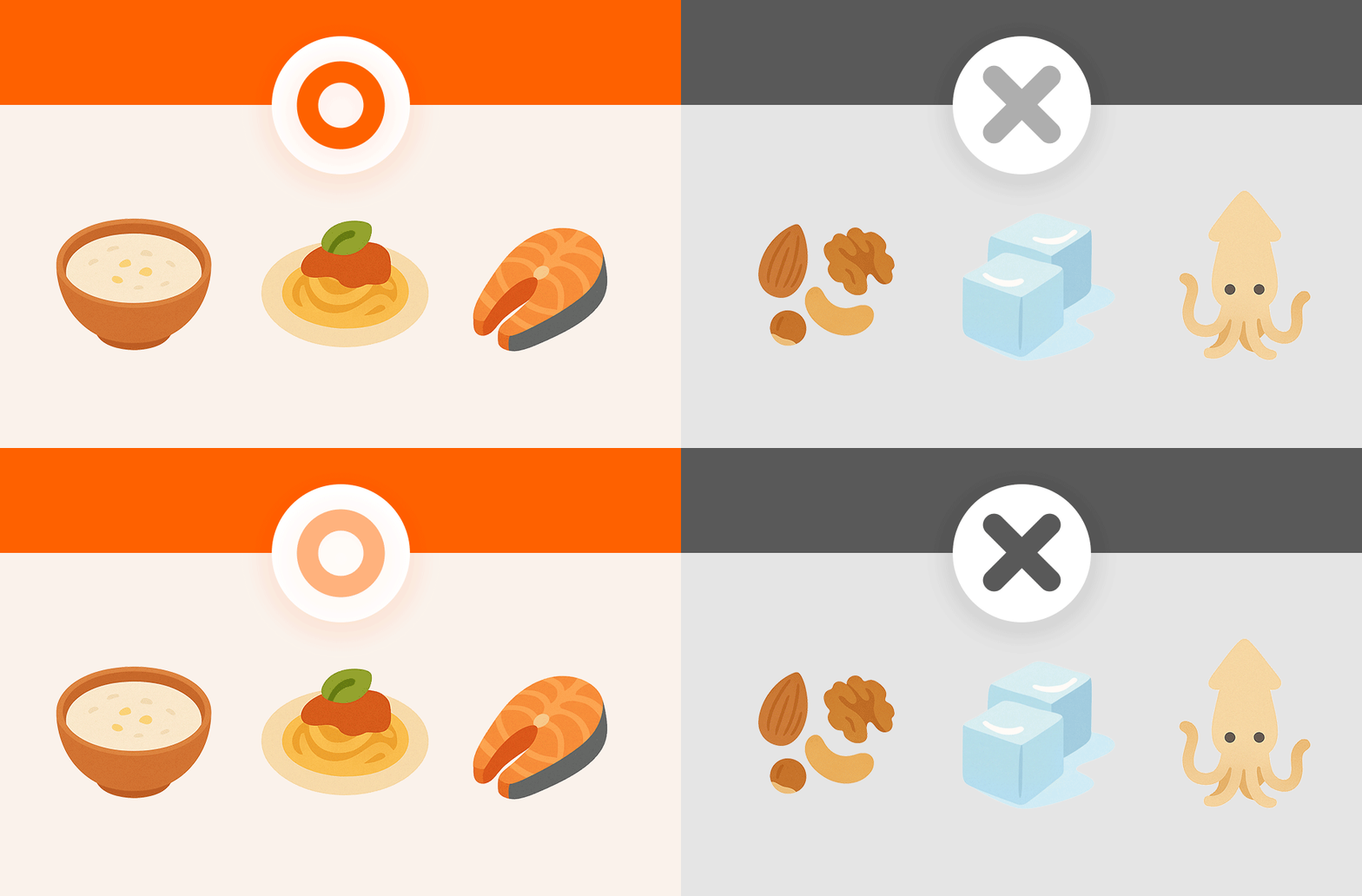
Before using medication, there are several non-drug orthodontic pain relief methods that can meaningfully reduce discomfort—often just through diet and small daily habits.
- Diet adjustments: Choose soft foods (porridge, tofu, salmon, etc.). Avoid hard or sticky foods.
- Orthodontic wax: Apply to areas where brackets or wires rub to prevent sores.
- Cold/heat: Cold compresses can help with pain and swelling; warm compresses may help muscle tightness.
- Hygiene routine: Use a soft toothbrush, interdental brushes, and a water flosser if recommended.
- Chewing exercise: Brief use of sugar-free gum or bite wafers may increase blood flow and help reduce soreness in some cases.
These approaches can help your child adapt while avoiding unnecessary interference with the body’s natural adjustment response.
4.Which pain reliever is safer?
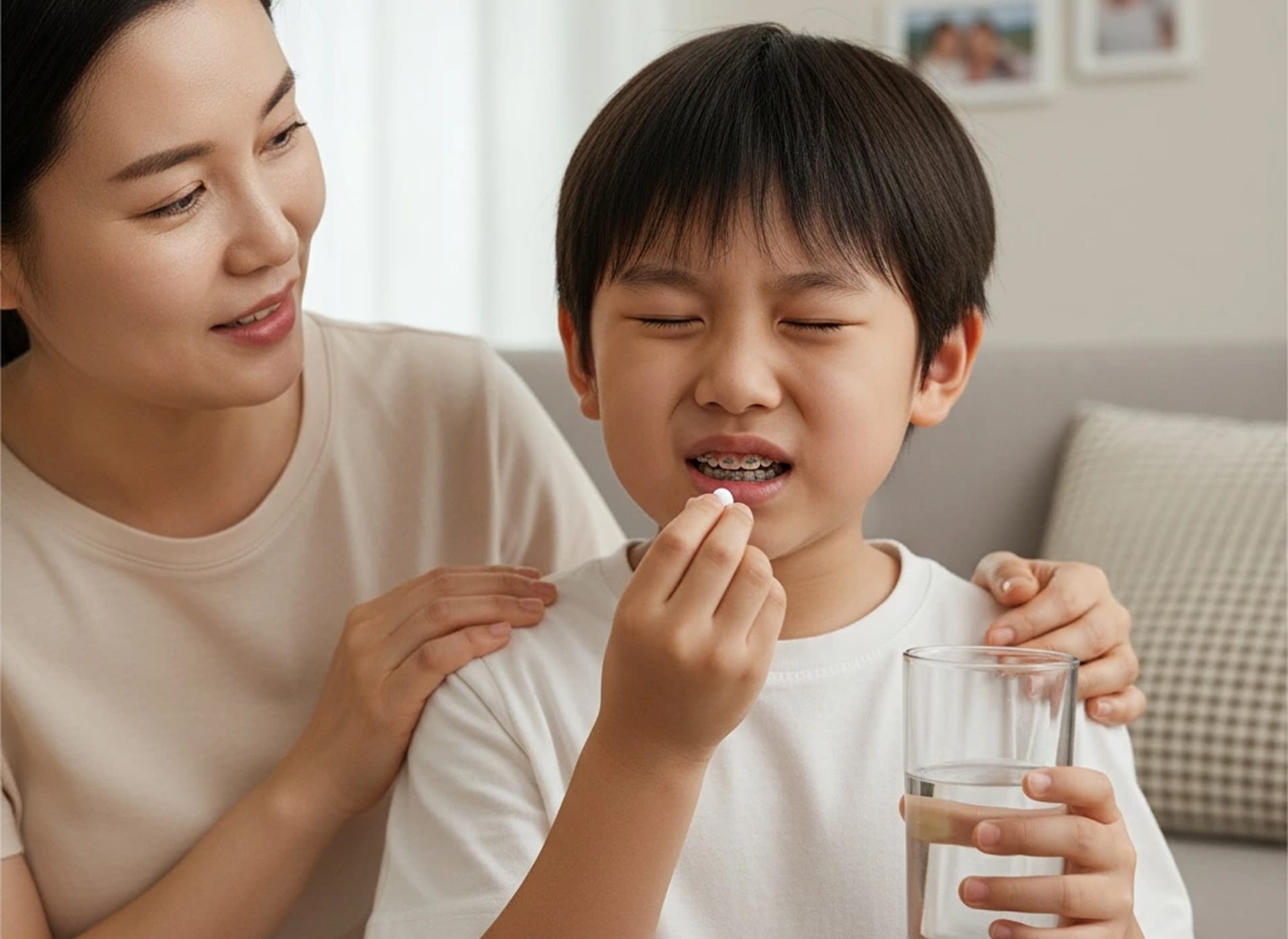
Most orthodontic pain isn’t severe enough to require medication. But if the pain is strong enough to interfere with eating or sleeping, an OTC pain reliever may help.
In certain procedures that can cause more discomfort (for example, mini-screw placement), some guidance suggests taking pain relief before anesthesia fully wears off. Still, medication decisions should be made carefully.
Different pain relievers may affect orthodontic biology differently.
- Acetaminophen (e.g., Tylenol): Often considered the first choice; described here as having no meaningful impact on tooth movement.
- NSAIDs (non-steroidal anti-inflammatory drugs): Use should generally be short-term and occasional; long-term use raises concerns about delaying tooth movement.
- General principles: Lowest effective dose, shortest duration; follow the product label.
- Timing examples:
- One dose 1–2 hours before a scheduled adjustment may help reduce peak soreness
- One dose at bedtime if nighttime pain disrupts sleep
| Category | Acetaminophen | NSAIDs |
|---|---|---|
| How it works | Suppresses pain signaling centrally | Pain relief + anti-inflammatory effect |
| Orthodontic considerations | Little to no effect expected | Long-term use may delay tooth movement |
| Practical guidance | Often first choice | Prefer short-term, intermittent use |
This is general information. Always check the product label, and consult a clinician if needed.
5.Does pain vary by procedure or appliance?
Yes—pain can vary depending on the appliance and procedure.
Bracket-and-wire treatment:
- Tooth extraction: Soreness for 1–2 days. Rarely, if a “dry socket” occurs, pain can be severe and requires attention.
- Mini-screw: 1–2 days of soreness after placement; if it feels loose or fever develops, visit the clinic promptly.
- Wire adjustment: Aching may recur for 1–3 days after monthly adjustments—this is when your pain-management routine matters most.
Newer appliances/techniques:
- Clear aligners: Some people report less pain than metal braces, but individual differences are large; discomfort can still occur.
- Photobiomodulation (PBM): Some studies report ~20–30% reduction in early pain with certain light wavelengths; however results are not consistent and it is not a standard treatment.
| Procedure / appliance | Typical duration | Notes |
|---|---|---|
| Separators | 3–5 days | Chewing pain can be strong |
| Extraction | 1–2 days | Dry socket can cause severe pain |
| Mini-screw | 1–2 days | If loosened or severe symptoms occur, seek care |
| Wire adjustment | 1–3 days | Recurrent soreness after monthly visits |
| Clear aligners | Varies | Some report less pain, but individual differences are large |
6.School, home, and emotional support: improving cooperation and adherence
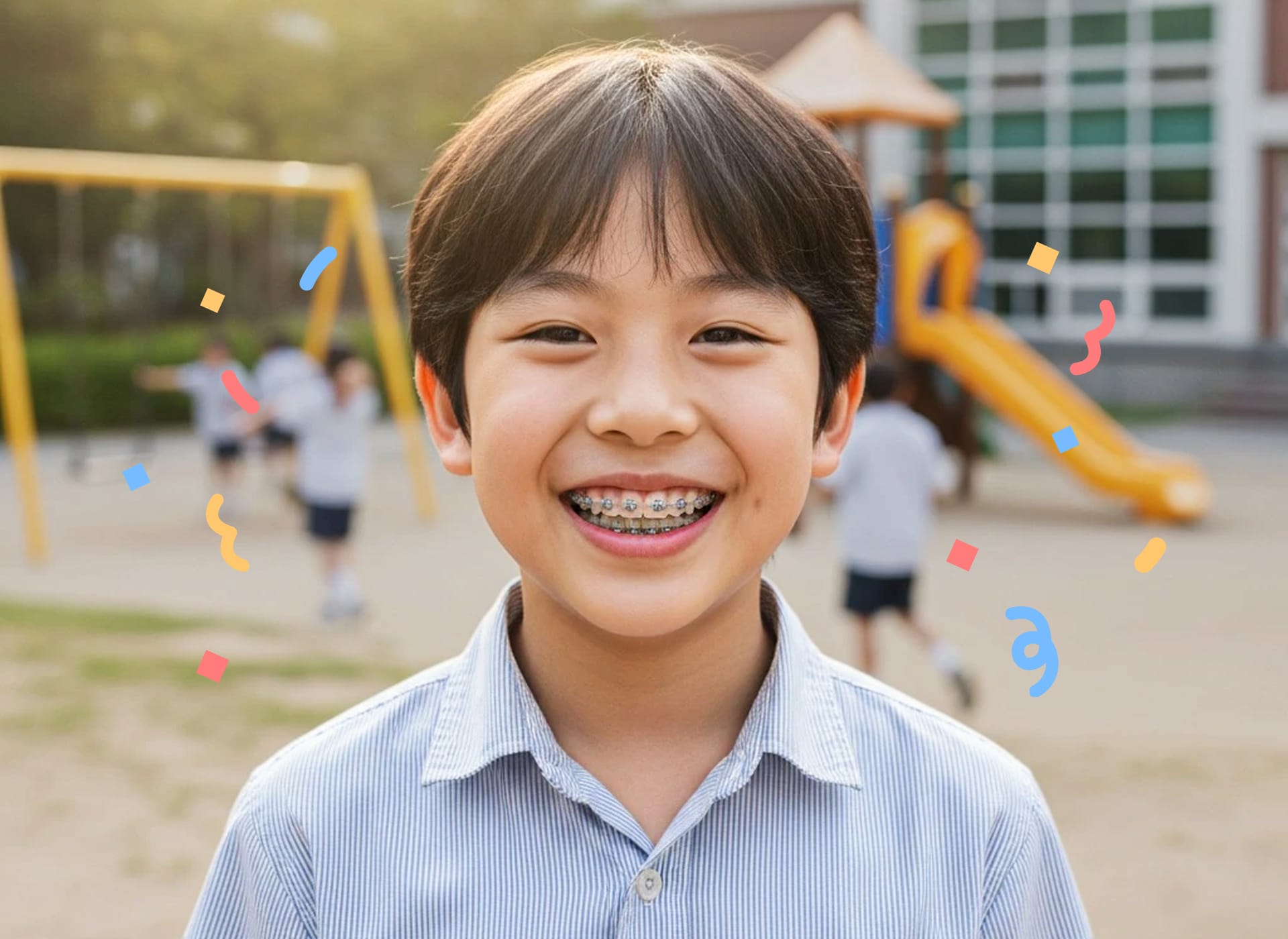
Orthodontics is not “just a procedure” for children. It’s a long adjustment period. Support and encouragement can make a major difference.
- Coordinate with school: Ask for softer meals during painful days; consider a mouthguard during sports.
- Pain journal: Track when pain starts and improves to reduce anxiety and give the child a sense of control.
- Encouraging phrases: Praise the process.
- “You’re doing really well even though it’s hard.”
- “You remembered to use wax at the right time—nice work.”
7.Frequently Asked Questions (FAQ)
Q. Does stronger pain mean treatment is working better?
Not necessarily. Pain intensity does not directly correlate with treatment speed or outcome. Pain is a normal biological response, and sensitivity varies widely by child.
Q. Is chewing gum always forbidden?
Hard or sticky gum can damage appliances and should be avoided. However, sugar-free gum or bite wafers may be used briefly in some cases if your clinician agrees, because chewing may help reduce soreness.
Q. Are clear aligners less painful?
Some reports suggest less discomfort, but individual differences are large. Because the underlying principle is similar, soreness can still occur. Treatment choice should be based on clinical fit, not pain alone.
Q. When should we contact the clinic?
Contact the clinic promptly if pain lasts more than 7 days or worsens, or if there is fever (≥38°C), facial swelling, pus, foul odor, or abnormal symptoms. If a mini-screw feels loose or bleeding does not stop, seek evaluation.

Orthodontic treatment is a marathon, not a sprint. Your child’s discomfort is usually predictable and manageable—especially during the first 72 hours after placement or adjustment, and during the recurring soreness after monthly visits. Your steady support matters. Short-term discomfort passes, while the benefits of a healthier smile and confidence can last for years.
Sources
- Korean Association of Orthodontists (2023). Clinical Guidelines for Pediatric and Adolescent Orthodontics.
- Cochrane Collaboration (2017). Analgesics for orthodontic pain.
- Al-Saleh, T., & Hajeer, M. Y. (2020). Chewing gum reduces pain after separators: RCT. Korean J Orthod, 50(2), 126–134.
※ The copyright for all content on this blog belongs to Medihi. Unauthorized copying, distribution, or derivative use is strictly prohibited, and violations may result in legal action without prior notice.
Recommended reads
 medihi