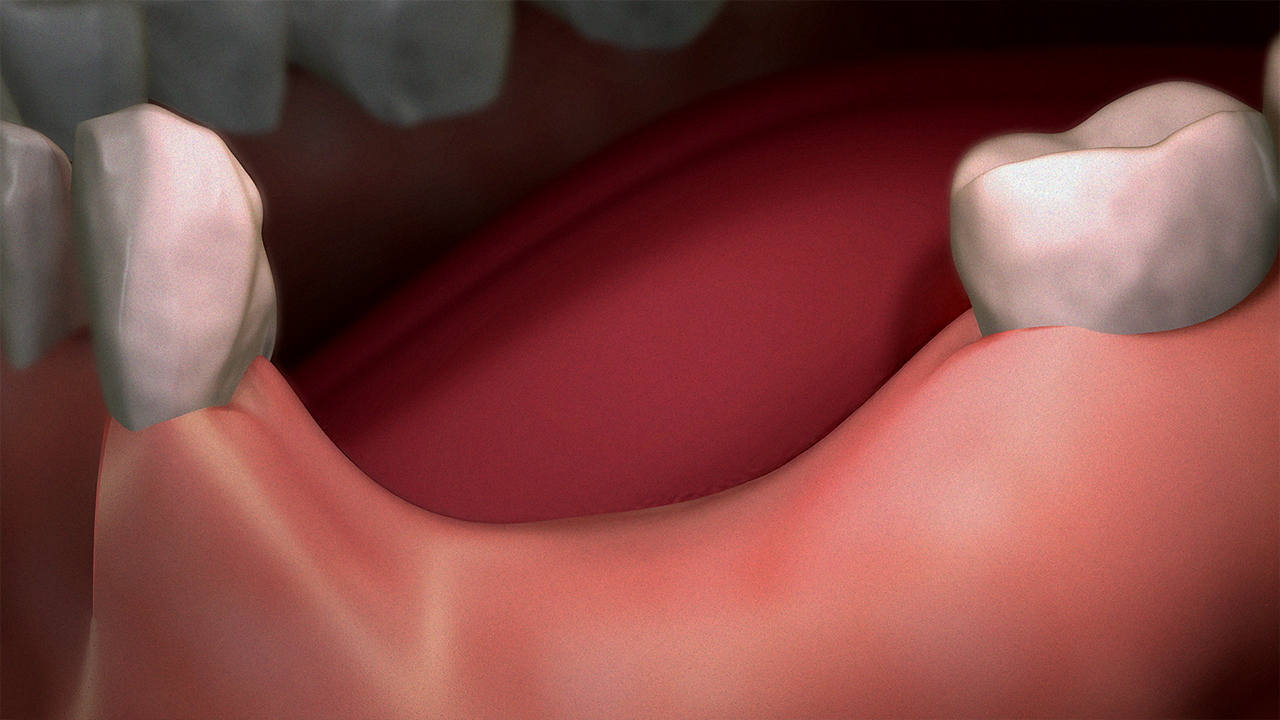

We provide a comparative analysis of partial dentures, bridges, and implant-supported bridges to guide you toward a customized treatment plan based on your specific situation following tooth loss.
“I’ve lost several teeth. Which is right for me: dentures, a bridge, or implants?”
“Everyone tells me something different, and I’m getting more confused.”
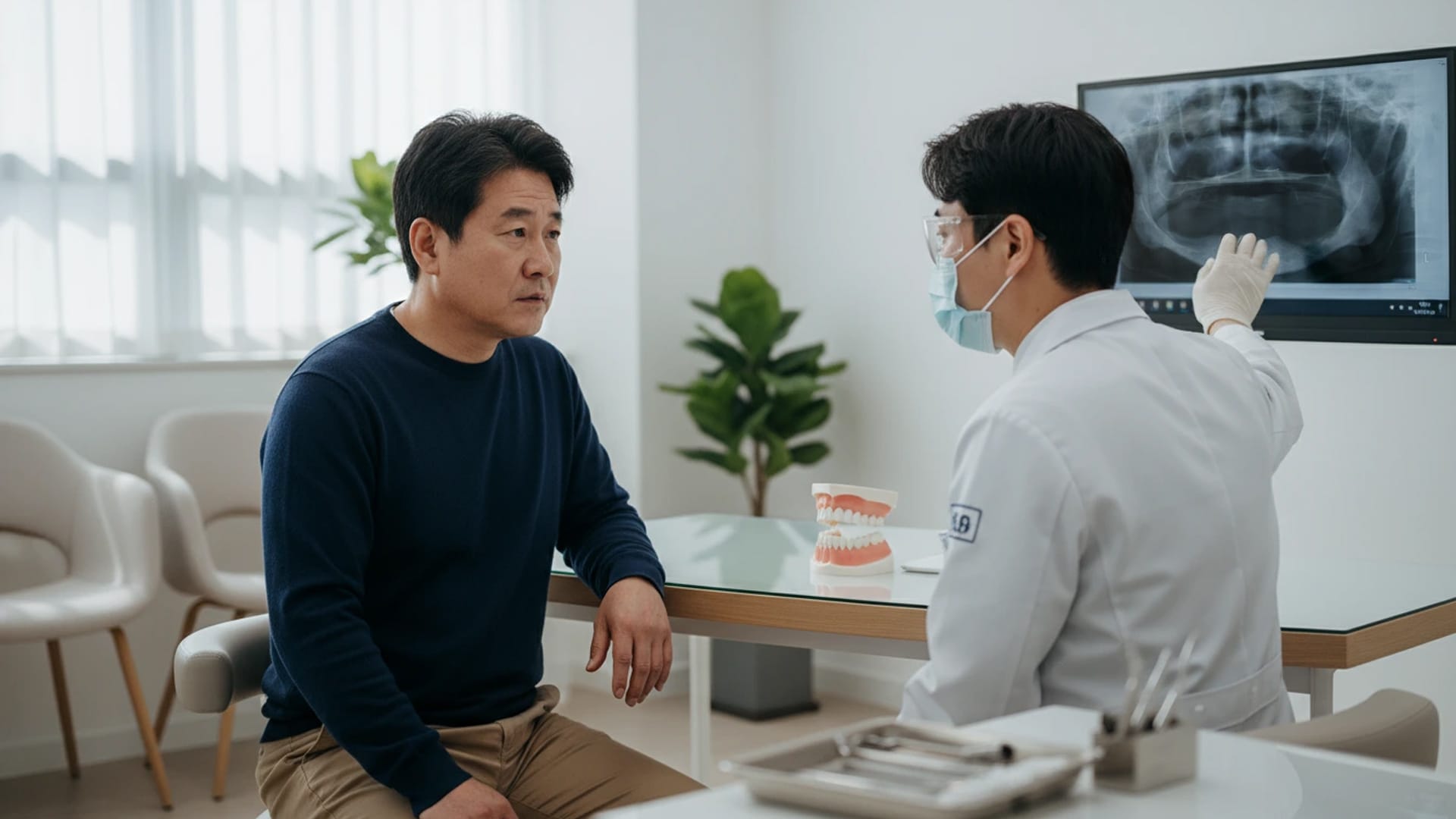
Many people face these concerns. It is especially easy to get confused because the names of the procedures sound similar.
Today, we will systematically compare these three treatments to help you find the most suitable option for your needs.
1. Comparison: Partial Dentures vs. Bridges vs. Implant-Supported Bridges
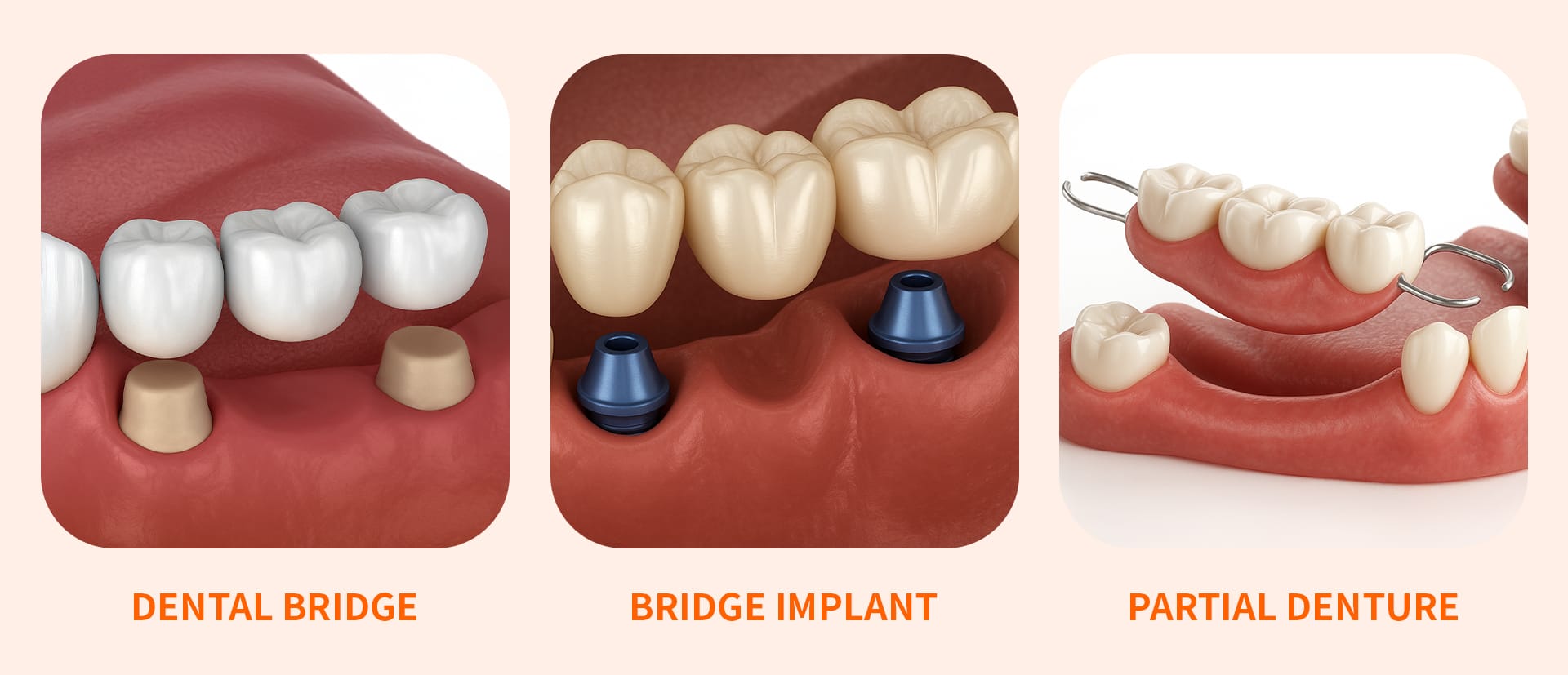
These three treatments offer different experiences in daily life
1) Analysis of "Feel" and Function
- Partial Dentures: Being removable, they often feel like a foreign object in the mouth. With only 60–70% of natural chewing power, it is difficult to eat hard foods, and hygiene management can be cumbersome.
- Bridges: These are fixed prosthetics that feel more natural. They restore 85–90% of natural chewing power and can be maintained through regular brushing.
- Implant-Supported Bridges: Firmly anchored into the jawbone, they feel completely natural with no foreign sensation. They provide 100% of natural chewing power for maximum comfort.
2) Longevity and Cost-Effectiveness
When choosing a dental prosthetic, you must consider not only the initial cost but also the lifespan and potential replacement costs for long-term efficiency. Patients over 65, in particular, prefer solutions that last a long time after a single treatment.
| Category | Lifespan | Characteristics | Cost |
| Partial Dentures | Approx. 7 years | Short replacement cycle | High repetitive costs ↑ |
| Bridges | 10–15 years | High impact on abutment teeth | Full replacement cost if issues arise |
| Implant Bridges | 15–20+ years | Stable, long-term use | High initial cost; economical long-term |
2. Risks and Disadvantages of Each Treatment
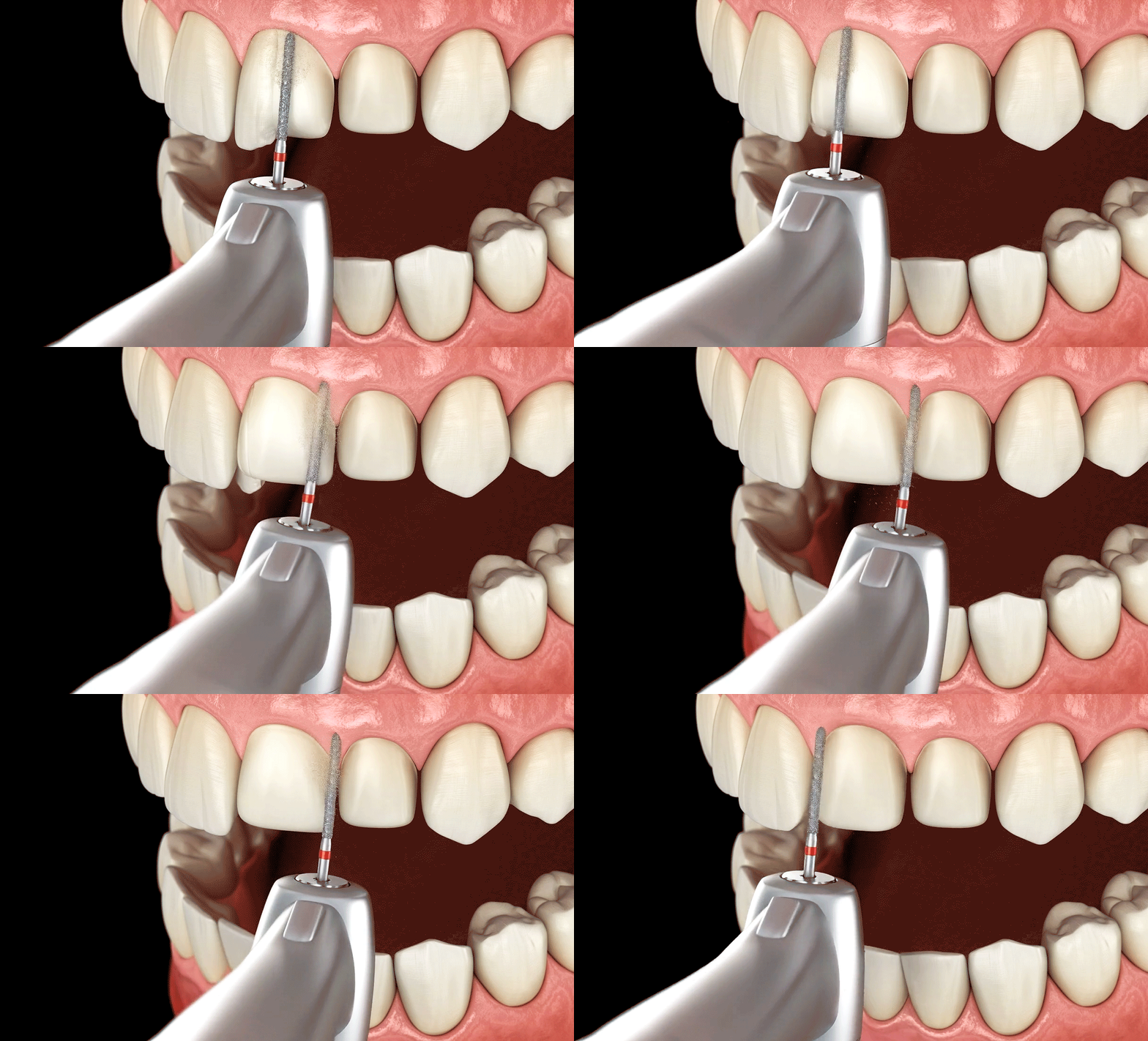
It is important to consider the risk of damage to teeth and gums along with the possibility of additional treatment, rather than looking at cost alone.
- Partial Dentures
- Continuous pressure on gums → Accelerates jawbone resorption.
- Burden on anchor teeth → Risk of shortening their lifespan.
- Bacterial growth/hygiene issues → Potential for bad breath and gum disease.
- Bridges
- Requires shaving down healthy adjacent teeth → Risk of sensitivity or need for root canal (30–40%).
- Shaved teeth cannot be restored → Risk of discoloration, fracture, and shortened lifespan.
- Unsuitable for patients with significant jawbone loss.
- Implant-Supported Bridges
- Disadvantages: Higher initial cost, requires surgery.
- Advantages: Preserves healthy teeth; the most stable and economical option long-term.
- Possible even for patients with bone loss through bone grafting.
3. Guide to Choosing the Right Treatment for You
The choice of treatment should comprehensively consider your health status, financial situation, and comfort with surgery.
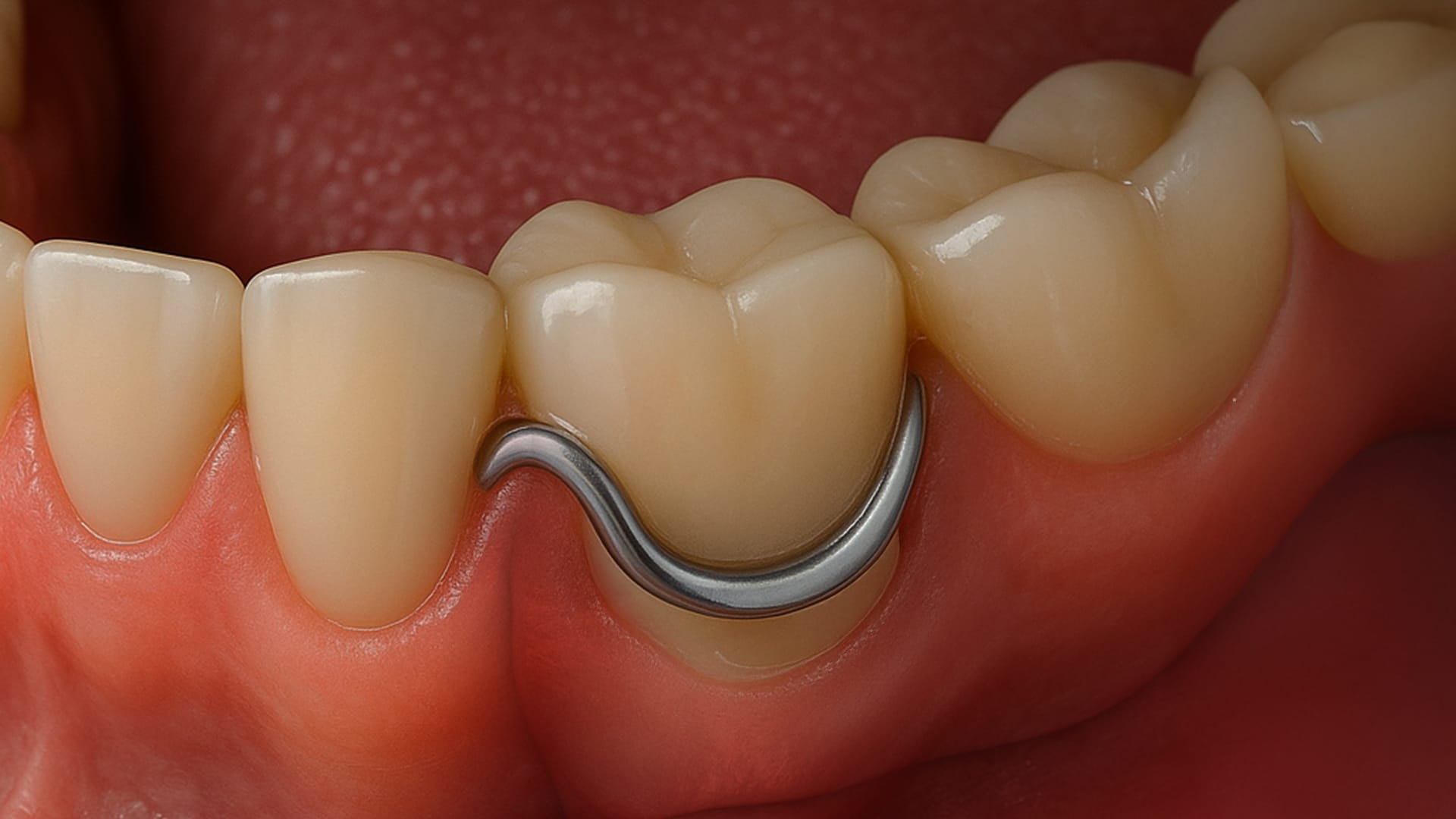
Candidates for Partial Dentures
- Patients with systemic diseases (severe diabetes, heart disease, etc.) where surgery poses a high risk.
- Those who need to minimize initial costs.
- Those seeking a temporary or phased treatment.
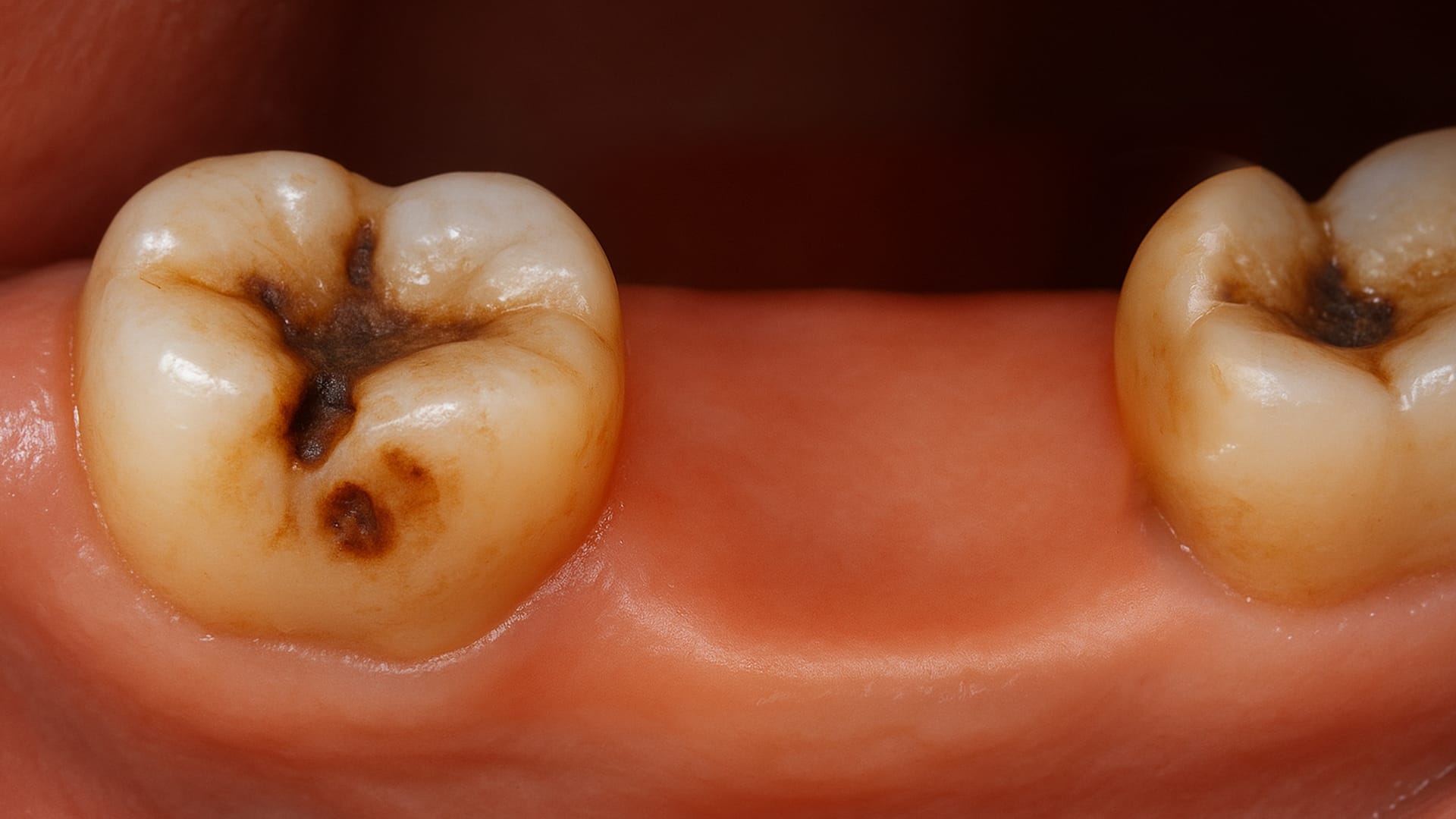
Candidates for Bridges
- When adjacent teeth already have cavities or need crowns.
- Patients who wish to avoid surgery (utilizing existing teeth).
- Cases involving the front teeth.
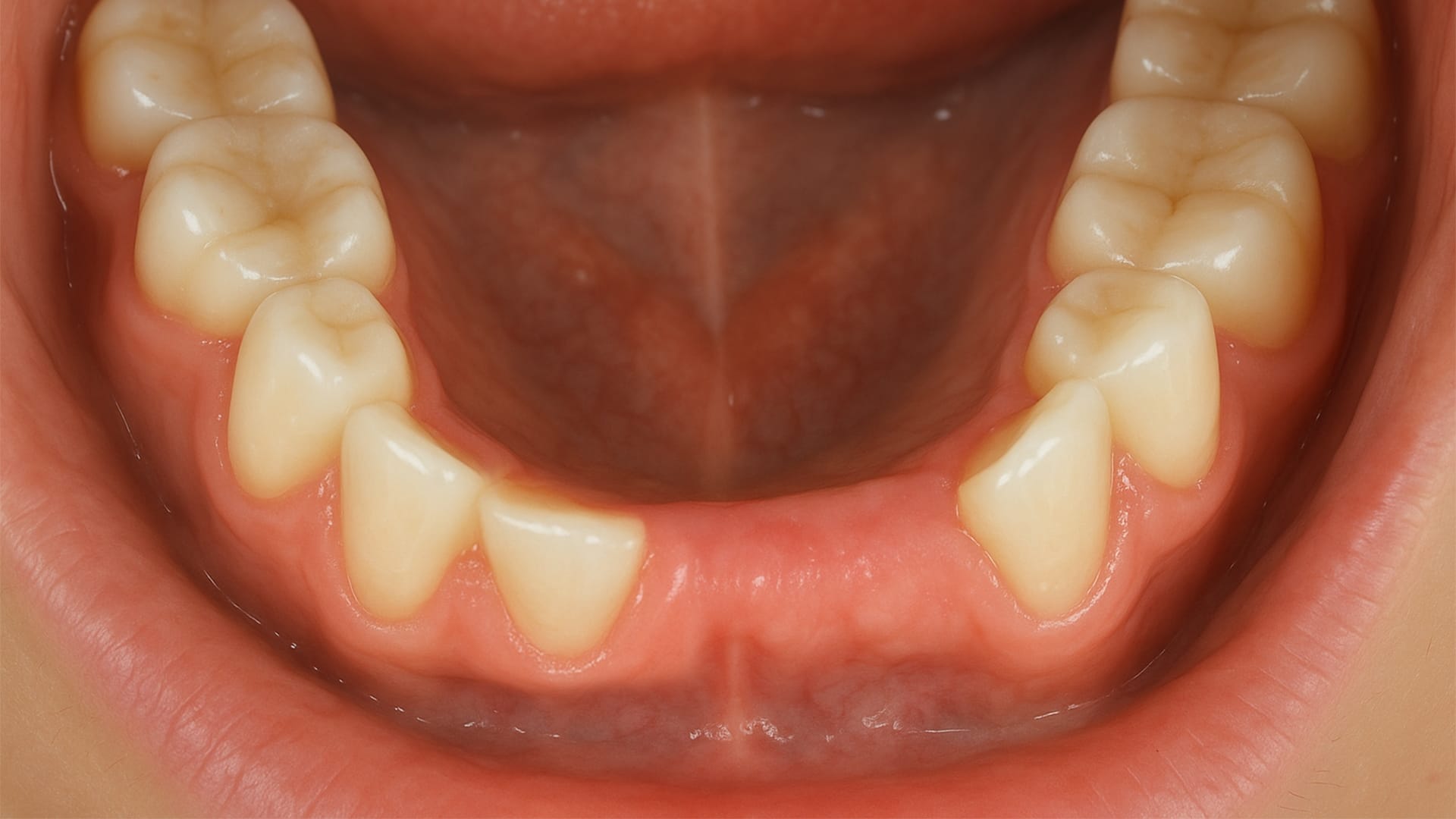
Candidates for Implant-Supported Bridges
- Patients missing 2 to 4 consecutive teeth.
- Those who have experienced discomfort with partial dentures.
- Those who want to preserve healthy teeth (no need to shave adjacent teeth).
- Those considering long-term treatment (designed to last 10+ years).
4. Frequently Asked Questions (FAQ)
Q. Is bone grafting always necessary for an implant-supported bridge?
Not in every case. It depends on the condition of your jawbone. We use precise 3D CT diagnosis to accurately determine the quantity and quality of the bone, proceeding with grafting for bone regeneration only when necessary.
Q. I have a few missing teeth in a row. Is an implant-supported bridge possible?
Yes, an implant-supported bridge is the most effective treatment for consecutive tooth loss. Unlike traditional bridges, it preserves natural teeth by placing implants only in the missing areas without damaging adjacent teeth. This is highly recommended for those missing 2 to 4 teeth in a row.
Q.Is an implant-supported bridge more expensive than a traditional bridge?
While the initial cost may be higher, it is much more economical in the long run as it can be used semi-permanently without damaging surrounding teeth. Traditional bridges often require additional treatment after 10–15 years due to issues with abutment teeth, whereas implant bridges can last over 20 years.
Q. I don't need a full-mouth implant, but can an implant-supported bridge solve my problem?
Yes, it is an excellent alternative for partial tooth loss. Especially when several teeth are missing in a row, this treatment can perfectly restore chewing function without the need for a full-mouth implant.
Treatment results, duration, and experiences may vary depending on the individual's condition. Decisions must be made through a consultation with a qualified dentist.

Whether it is partial dentures, bridges, or implant-supported bridges, no single option is inherently good or bad. Rather than focusing solely on the cost, I encourage you to make a wise decision by considering your oral health, lifestyle, financial situation, and what matters most to you
Sources
- Korean Academy of Prosthodontics. (2023). Clinical guidelines for partial dentures and implant-supported bridges.
- Pjetursson, B. E., et al. (2014). A systematic review of the survival and complication rates of implant-supported fixed dental prostheses (FDPs). Journal of Clinical Periodontology.
- National Health Insurance Service. (2024). Guide to expansion of dental health insurance coverage.
※ The copyright for all content on this blog belongs to Medihi. Unauthorized copying, distribution, or derivative use is strictly prohibited, and violations may result in legal action without prior notice.
Recommended reads
 medihi