

Many people feel alarmed after seeing a high blood sugar reading on a home glucose meter and worry they may have diabetes. Not having noticed it until now does not automatically mean it is “too late.” This post explains how diabetes diagnostic criteria are confirmed through precise blood tests at a clinic and provides practical standards for deciding what to do next.
“My fingertip blood sugar reading at home came back high—does that mean I really have diabetes?”
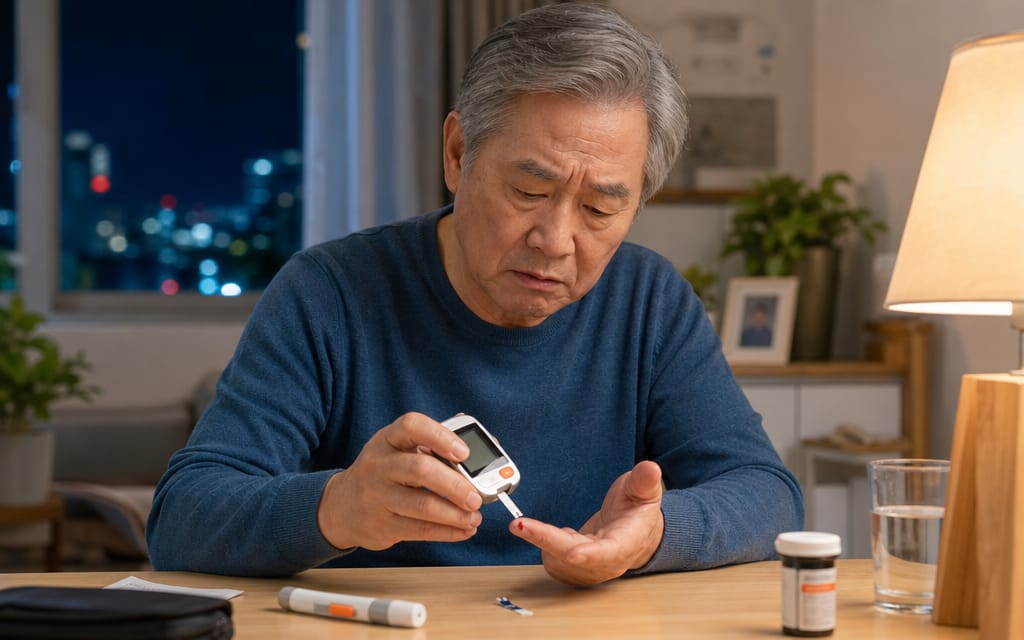
After using a home glucose meter, many people lose sleep when the number is higher than expected. That anxiety is understandable, but a confirmed diagnosis is not determined by a single reading. There is a safe, established process for verification, so you can take a breath first.
When endocrinology specialists evaluate diabetes, the first thing they rely on is not the home meter value, but precise laboratory measurements from venous blood.
1. Why you should repeat a precise endocrinology blood test when your home glucose reading is high
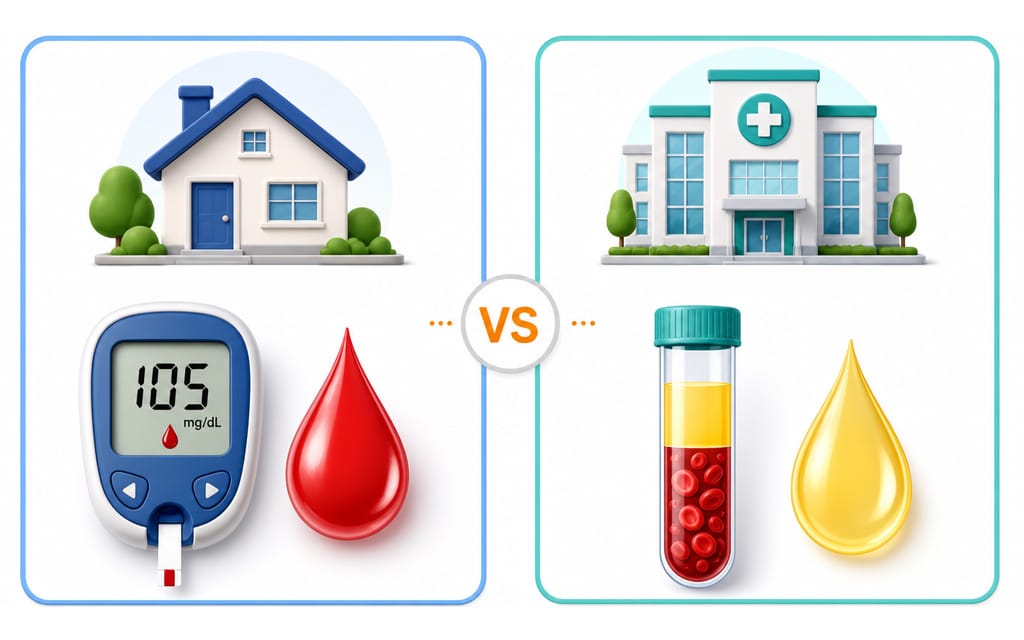
Home glucose meters and hospital blood tests differ starting from what they measure. Capillary blood from a fingertip is “whole blood,” which includes blood cells. In contrast, hospital laboratories separate out the liquid component left after removing blood cells—“plasma”—and analyze the glucose concentration in that plasma. Depending on the device and testing conditions, the two methods can produce meaningfully different numbers.
This is like the difference between a car’s “approximate speedometer” and a “precision speed camera” in an enforcement zone. Even if your dashboard reads slightly high, whether you were actually speeding is determined by the precision camera. A home meter is useful for tracking everyday glucose patterns. However, it has limitations as the sole basis for a diagnosis that can affect long-term health decisions.
A diabetes diagnosis is typically made by clinicians by integrating laboratory venous-blood–based plasma glucose testing and/or standardized HbA1c results. So if abnormal readings repeat on a home meter, it is safest to visit a medical facility and review comprehensive test results.
2. Fasting plasma glucose vs HbA1c: how to choose tests that reduce diagnostic uncertainty
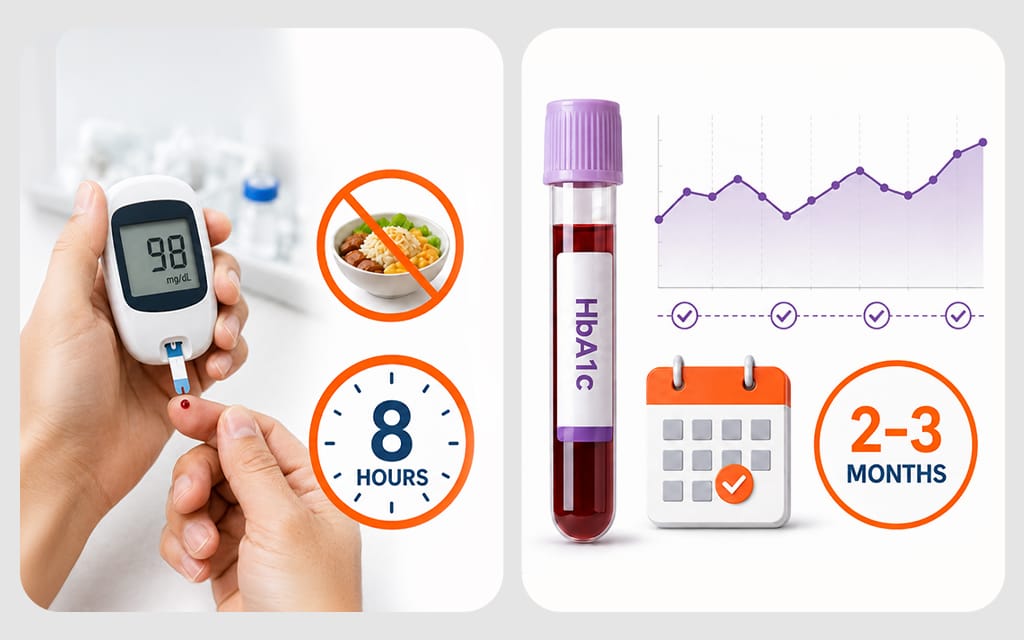
When clinics assess diabetes diagnostic criteria, they mainly use fasting plasma glucose (FPG) and HbA1c testing. Fasting plasma glucose is the basic method: measuring glucose from venous blood after at least 8 hours of fasting. HbA1c reflects the average blood glucose trend over the past 2–3 months. Because these tests look at glucose from different angles, they complement each other.
There are practical ways to decide which test is more suitable. If it is difficult to maintain a long fasting period in daily life, HbA1c can be more convenient, since it tends to be relatively consistent regardless of meals. On the other hand, in special situations—such as having had a recent blood transfusion or having anemia—choosing fasting plasma glucose as the primary test may be more appropriate, because HbA1c can vary depending on red blood cell lifespan.
In fact, studies in Korea and internationally have frequently reported cases where fasting plasma glucose and HbA1c results do not match. It is similar to how a device measuring instantaneous speed and another recording average speed over a long distance serve different roles. Choosing the right combination of tests for your condition is the first step toward a safer diagnosis.
✅ My checklist for choosing and preparing for tests
- Transfusion or bleeding history: Check whether you had a transfusion or significant bleeding within the last 2–3 months.
- Underlying conditions: Inform your clinician about factors that may affect measurement, such as anemia or chronic kidney disease.
- Fasting schedule: Confirm whether you can maintain a complete fast for at least 8 hours before the blood draw.
3. How the “repeat confirmation” principle prevents diagnostic errors in people without symptoms
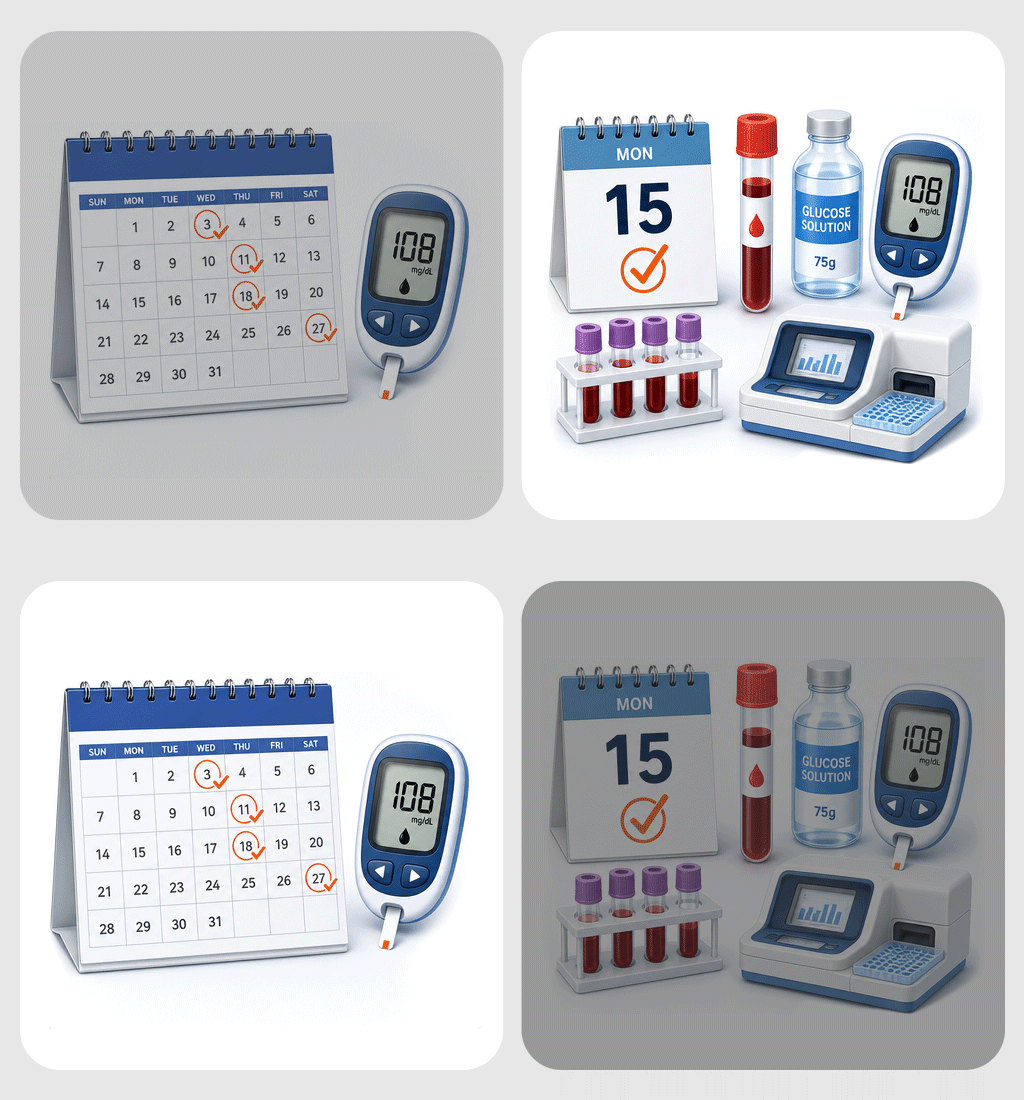
Many people with diabetes do not have classic hyperglycemia symptoms such as intense thirst (drinking a lot of water) or frequent urination. Especially among middle-aged adults in their 40s to 60s, abnormal values are often discovered incidentally during routine health screenings, despite having no symptoms. In asymptomatic suspected cases like this, you should not rush to a conclusion based on a single test result.
According to the latest clinical practice guidelines from the Korean Diabetes Association, when typical symptoms are absent, repeating tests on different days is recommended. This checks whether values consistently exceed diagnostic thresholds and helps filter out fluctuations caused by physical stress or temporary changes in condition.
If it is difficult to visit the hospital multiple times, clinicians may perform two different tests on the same day. This approach verifies whether both results meet diagnostic criteria. These strict repeat-confirmation steps reduce uncertainty, help avoid premature conclusions, and support timely, appropriate action.
4. When is a 75 g oral glucose tolerance test (OGTT) needed even if fasting glucose is normal?
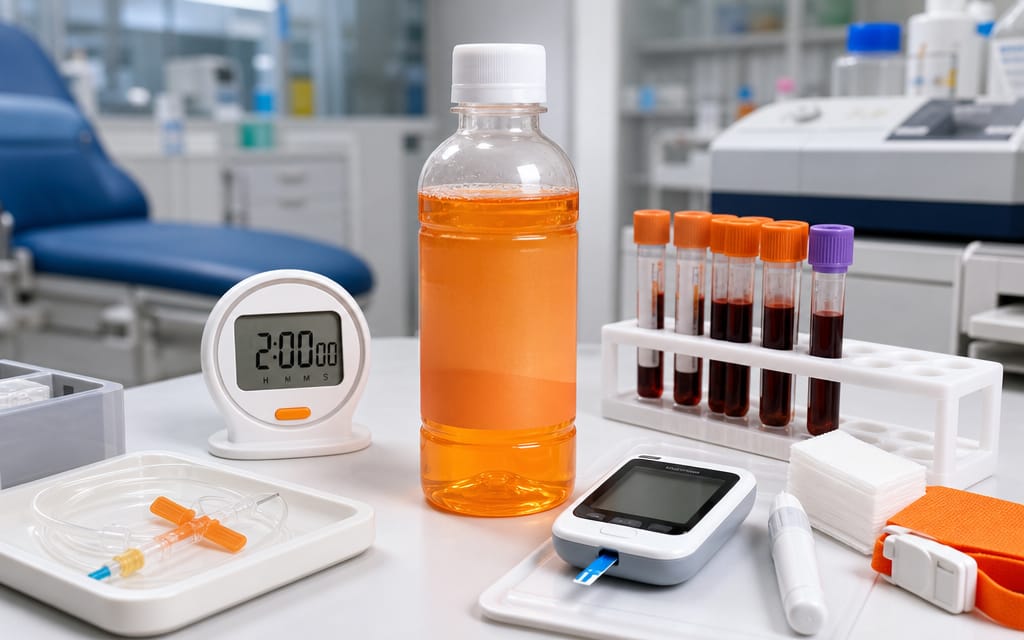
In some people, fasting glucose may be normal, but blood sugar rises steeply only after meals. That is why a “safe” morning fasting number does not always mean you can fully relax. The tool used to detect this hidden abnormality is the 75 g oral glucose tolerance test (OGTT).
This test tracks how well your body processes sugar over two hours after drinking a standardized glucose solution. Studies in Korea have reported metabolic patterns in which post-meal glucose rises relatively sharply even when fasting glucose is normal. If someone has significant abdominal obesity or a clear family history of diabetes but relies only on fasting tests, suspicious signs may be missed.
If you feel unusually severe fatigue after meals or reduced pancreatic insulin secretion is suspected, you can discuss proactively considering this test with your clinician. It is like not only checking a car while idling, but applying real driving load to evaluate engine performance in detail. However, the test takes time, so the necessity should be discussed thoroughly with a specialist.
✅ Preparation tips for a successful OGTT
- Keep the fasting time accurately: Maintain a complete fast for at least 8 hours before the test to prevent errors.
- Set aside enough time: Because blood draws occur at scheduled times before and after drinking glucose, you may need to stay at the hospital for 2–3 hours.
- Stay in a stable condition: Avoid excessive exercise or stress the day before, and come in while maintaining your usual routine.
5. Why HbA1c interpretation can be distorted with anemia or kidney disease
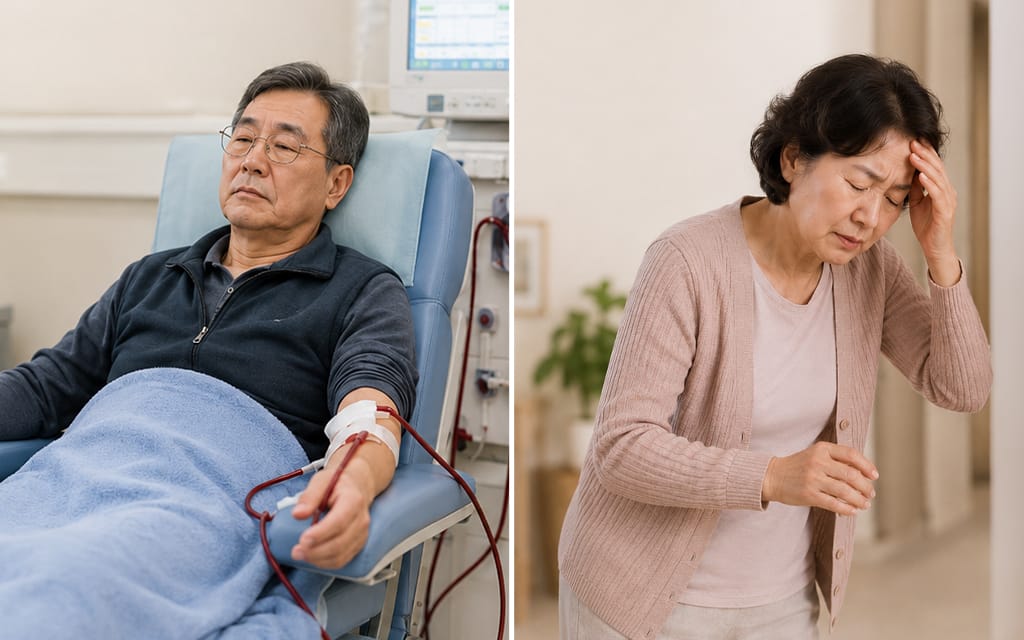
HbA1c is the percentage of hemoglobin in red blood cells that has glucose bound to it. Because it reflects glucose exposure accumulated over the average red blood cell lifespan (about 120 days), it is widely used as a reliable indicator. However, if a condition changes red blood cell lifespan or composition, interpretation of this value can change.
Common examples include iron-deficiency anemia, recent bleeding, or a history of blood transfusion. In addition, if you are receiving dialysis for chronic kidney disease or are pregnant, the red blood cell life cycle can shift. As a result, HbA1c may appear higher or lower than your actual blood glucose level.
HbA1c is like a report card summarizing the past few months—but if red blood cell status changes, the grading standard itself becomes unstable. In these special situations, it is important to be cautious about judging disease status using HbA1c alone. Sharing your underlying conditions and recent history with your clinician—and being evaluated comprehensively alongside plasma glucose testing—is the safest approach.
6. Frequently Asked Questions
Q. My fasting glucose came back around 126 mg/dL. Does that mean I immediately have diabetes?
Not necessarily. If you do not have typical hyperglycemia symptoms and you exceeded the threshold only once, it could reflect physical stress or temporary factors. You need a “repeat confirmation” process—such as rechecking fasting plasma glucose on a different day or adding an HbA1c test—to see whether the values are consistent.
Q. Why are my home glucose meter readings different from the hospital venous blood results?
Home meters measure whole blood from fingertip capillaries, while hospitals measure plasma from venous blood after excluding red blood cells and other components. Because the measurement method and calibration standards differ, discrepancies can occur. Medical diagnosis is based on laboratory results from the hospital.
Q. What preparation is needed for OGTT, and how long does it take?
You must maintain a complete fast for at least 8 hours before the test. After drinking the glucose solution at the hospital, blood draws are repeated over two hours. Including waiting time, you should plan to set aside roughly 2 to 3 hours.
Q. If my home glucose readings are high, when should I visit an endocrinology clinic?
If you have symptoms such as drinking a lot of water, frequent urination, or unexplained weight loss, you should visit promptly. Even without symptoms, if home readings remain consistently high or your health screening recommends further evaluation, it is advisable to see a clinician for testing based on formal diabetes diagnostic criteria.
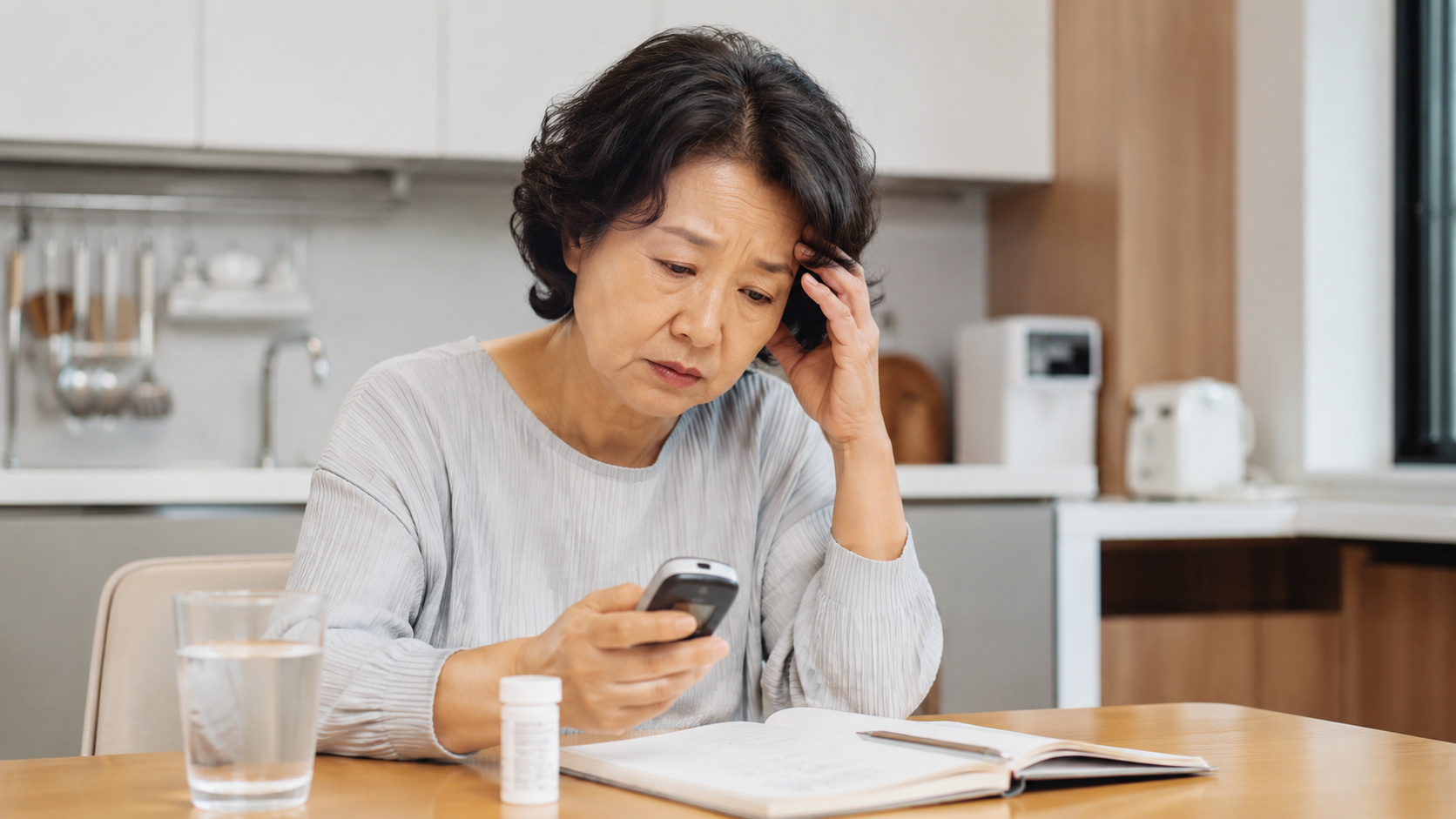
Because the word “diabetes” carries so much weight, even a temporary rise in blood sugar can feel frightening. But rather than concluding on your own and staying anxious, it is important to check your condition using accurate, trustworthy standards.
From fasting plasma glucose testing via venous blood, to HbA1c showing an average trend, to OGTT that can capture hidden post-meal spikes—you need a smart testing plan tailored to your individual situation. With careful consultation and verification steps guided by a trusted medical team, you can reduce vague anxiety and take the most appropriate first step to protect your health.
Sources
- Korean Diabetes Association (KDA), 2025 Clinical Practice Guidelines for Diabetes, 2025.
- Korea Disease Control and Prevention Agency (KDCA) National Health Information Portal, Guidance on diabetes diagnosis and screening criteria, 2024.
- American Diabetes Association, Standards of Care in Diabetes—2026, Diabetes Care, 2026.
※ The copyright for all content on this blog belongs to medihi. Unauthorized copying, distribution, or derivative use is strictly prohibited, and violations may result in legal action without prior notice.
Recommended reads
 medihi