

In This Article
If a person with diabetes suddenly starts breathing deeply and rapidly, or becomes confused or less responsive, these can be warning signs of a medical emergency. This post explains the differences between diabetic ketoacidosis (DKA) and hyperglycemic hyperosmolar state (HHS), what symptoms caregivers should watch for, and what to do (and what not to do) before calling 119 for transport.
1. Why do diabetes emergencies happen?
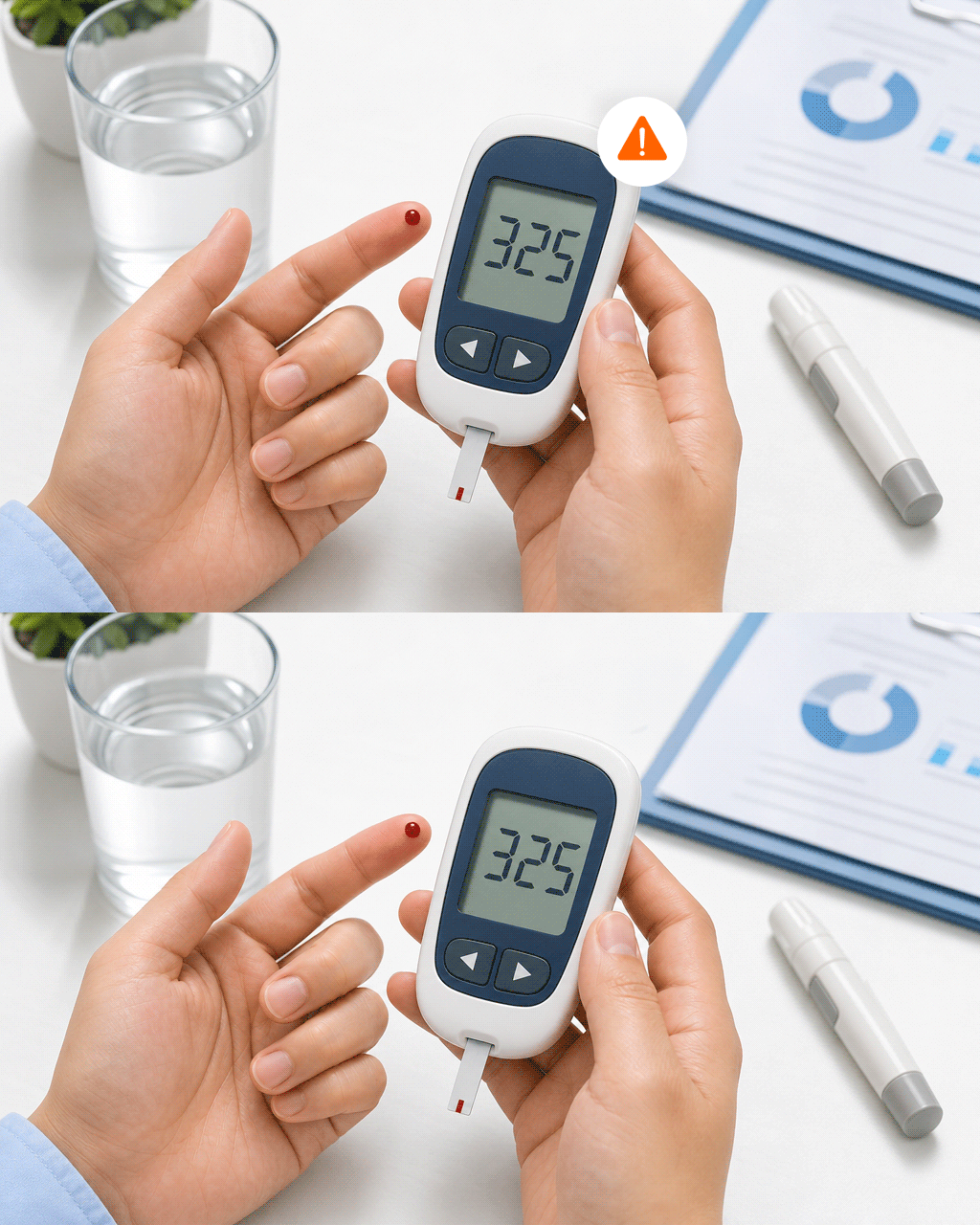
Diabetes emergencies can occur when the body’s metabolic control suddenly breaks down due to insulin deficiency, infection, or other stressors. Two major forms are diabetic ketoacidosis (DKA) and hyperglycemic hyperosmolar state (HHS).
✅How the two emergencies differ
- Diabetic ketoacidosis (DKA): Ketones build up and make the blood acidic. Vomiting and abdominal pain may occur, and deep, rapid breathing is often prominent.
- Hyperglycemic hyperosmolar state (HHS): Severe hyperglycemia causes the body to lose large amounts of fluid, leading to extreme dehydration, and mental status may gradually worsen.
In HHS, vomiting may not be obvious, but dehydration and decreased alertness can progress very quickly. Both conditions require prompt evaluation in the emergency department. In the hospital, treatment typically includes IV fluids, insulin, and electrolyte correction, while also identifying and addressing the underlying trigger.
2. Why are fruity breath and rapid breathing dangerous?
Breath that smells fruity or like acetone, along with deep and rapid breathing, can be warning signs suggestive of ketoacidosis. When insulin is insufficient, the body uses fat instead of glucose, producing acidic substances called ketones that accumulate in the blood.
Deep, rapid breathing that occurs as the body tries to correct blood acidity is called Kussmaul hyperventilation. It may look like rough, labored breathing with noticeable movement of the chest and abdomen, and a smell similar to spoiled fruit.
These breathing changes should not be dismissed as simple fatigue. Check whether vomiting or abdominal pain is also present, but rather than waiting at home, the patient should be taken to the emergency department quickly.
3. How should you respond to decreased consciousness and severe dehydration?
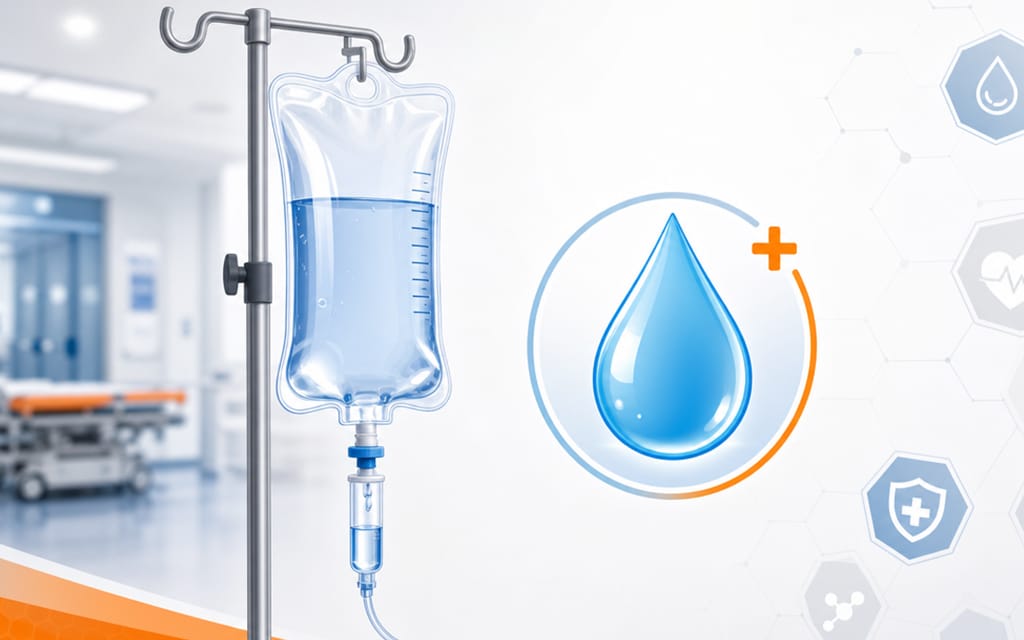
If a person with diabetes cannot recognize people around them, responds slowly, or becomes confused or less alert, you should call 119 without delay. With severe hyperglycemia, increased urination can lead to loss of both water and electrolytes. As the blood becomes more concentrated, severe dehydration can develop, with water also being pulled out of body cells, including brain cells.
Signs of dehydration include a very dry mouth and tongue, or skin that does not quickly return to normal after being gently pinched. The person may not know the date, fail to recognize familiar people, or say incoherent things. Older adults may not feel thirst clearly, so caregiver observation is especially important.
Trying to “fix it” by repeatedly giving only water by mouth can be dangerous and may contribute to complications such as hyponatremia or brain swelling. Monitor breathing and alertness and proceed to the emergency department for IV fluids and other necessary treatment.
4. What if blood sugar is normal while taking an SGLT2 inhibitor?
In patients taking an SGLT2 inhibitor, ketoacidosis can occur even when blood glucose is near normal. Because this medication lowers blood sugar by excreting glucose in the urine, blood glucose readings may not be markedly elevated even while the blood is becoming acidic. This is called euglycemic ketoacidosis.
It can occur with overly strict carbohydrate restriction or prolonged fasting. Situations that place major stress on the body—such as severe infection, major surgery, trauma, or pregnancy—can also be triggers. Therefore, you should not assume it is safe based on glucose numbers alone.
If severe fatigue, vomiting, abdominal pain, or hyperventilation occurs, ketone evaluation should be performed promptly in a medical setting. If symptoms suggest ketoacidosis, the SGLT2 inhibitor should be stopped and the patient should be evaluated in the emergency department.
5. Actions that are absolutely prohibited before going to the ER
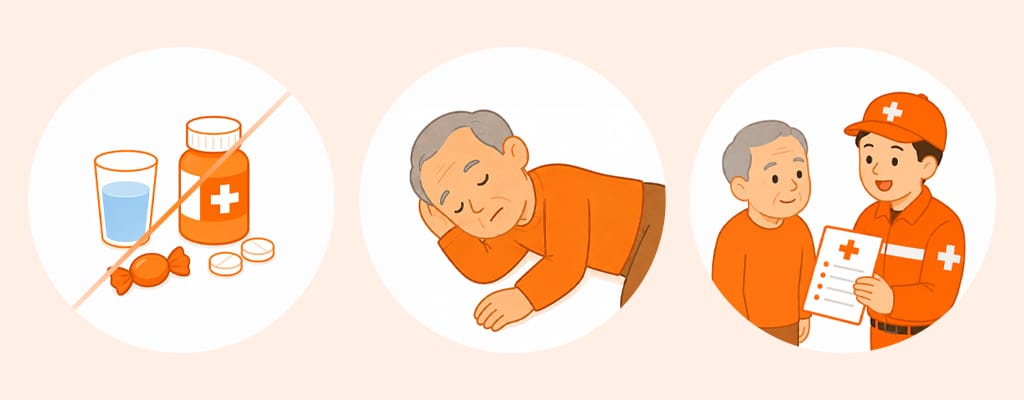
Do not force a confused patient to drink sugar water, beverages, eat food, take medication, or arbitrarily increase their insulin dose. If swallowing ability is impaired, food or liquid can enter the airway and cause choking or aspiration pneumonia.
In severe dehydration, adding insulin alone can increase the risk of hypotensive shock or electrolyte imbalance. In particular, a rapid drop in potassium can raise the risk of cardiac arrest, so IV fluids and electrolyte correction must be provided together in the hospital.
If the patient is vomiting, lay them on their side with the face turned to help prevent airway obstruction. Organize and share with paramedics the diabetes medications being taken, the time of the last insulin dose, and recent blood glucose readings. The decision to transport should be based not only on glucose numbers, but also on decreased consciousness, deep and rough hyperventilation, and persistent vomiting and abdominal pain.
6. Frequently Asked Questions (FAQ)
Q. At what blood sugar level should I call 119 and go to the emergency room?
You should not decide transport based on blood glucose alone. Regardless of the number, if the person becomes confused or less responsive, has deep and rough hyperventilation, or has systemic symptoms such as persistent vomiting and abdominal pain, call 119 immediately and seek emergency evaluation.
Q. If the patient keeps talking nonsense and becomes very weak, can I give warm sugar water?
If the patient is not mentally clear, you must not have them swallow sugar water or any beverage by mouth. If swallowing is impaired and you force liquids, they can enter the lungs and cause choking or aspiration pneumonia, which can be life-threatening.
Q. Before going to the hospital, can we just increase the insulin dose at home first?
Severe hyperglycemic emergencies involve significant dehydration, so increasing insulin on your own without fluid replacement can reduce circulating blood volume and lead to shock. In addition, potassium (an electrolyte) can drop rapidly and strain the heart, so it is safer to receive IV fluids and electrolyte correction together in the emergency department.
Q. I’m taking an SGLT2 inhibitor. My blood sugar is 180 mg/dL, but I have vomiting or shortness of breath—do I still need to go to the ER?
Yes. If you have these symptoms, you should be evaluated in the emergency department immediately even if blood sugar is not very high. While taking an SGLT2 inhibitor, euglycemic ketoacidosis can occur, where ketones accumulate and the blood becomes acidic. If warning signs such as vomiting, abdominal pain, shortness of breath, or unusually severe fatigue appear, do not wait for blood sugar to rise further. Stop the SGLT2 inhibitor and seek care immediately.
This health content has been reviewed by medical professionals, compiled from authoritative domestic and international sources, and is regularly updated in accordance with the latest clinical guidelines.
Sources
- Korean Diabetes Association, Clinical Practice Guidelines for Diabetes, 2023
- Asan Medical Center, Disease Encyclopedia: DKA, 2014
- Korean Diabetes Association, IV→SC insulin transition study, Journal of Korean Diabetes, 2018
※ The copyright for all content on this blog belongs to medihi. Unauthorized copying, distribution, or derivative use is strictly prohibited, and violations may result in legal action without prior notice.