

From an endocrinology perspective, this post clearly explains why medication-induced diabetes (or medication-induced hyperglycemia) can cause sharp spikes in post-meal and afternoon blood glucose after treatments for other conditions—such as steroid injections for arthritis—and provides practical, safety-first standards for how to respond.
“My blood sugar has been out of control after meals since the day I got my arthritis injection.”
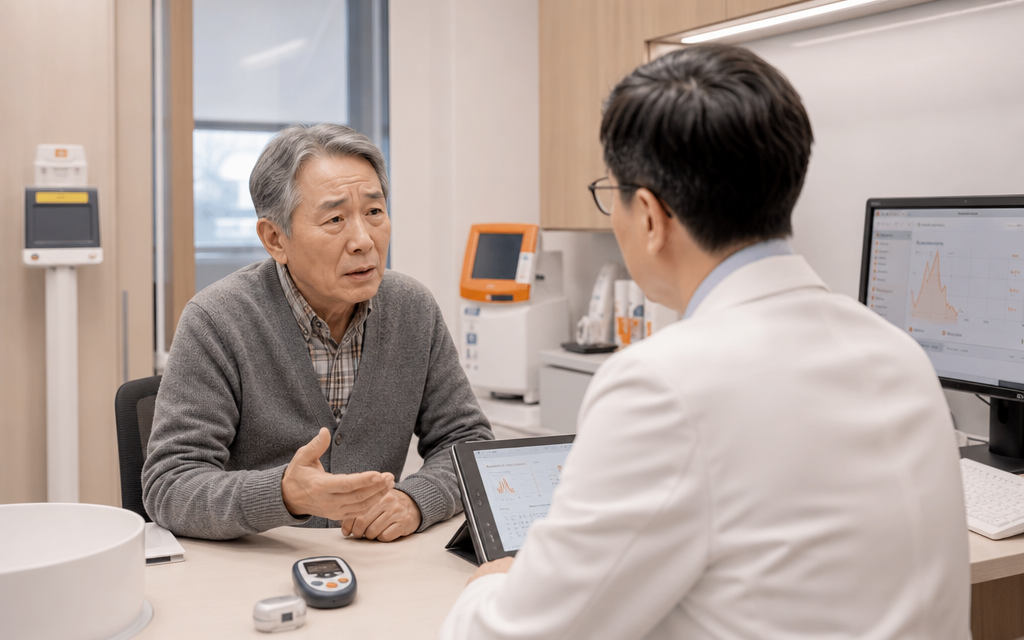
In an endocrinology clinic, we sometimes meet patients whose blood glucose has risen sharply. In these situations, the very first thing clinicians ask is: “What medication did you receive, and when was it administered?”
When the numbers on your glucose meter suddenly shoot up, it’s natural to feel alarmed. But this is not necessarily because you “failed” at diet control. Certain medications can strongly affect the body’s glucose metabolism system and trigger this pattern. Rather than blaming yourself, it’s more helpful to identify the exact pattern.
In this article, you’ll learn the criteria for judging whether this is a temporary medication reaction or whether previously hidden diabetes has been unmasked.
1. It’s a joint injection—so why does my whole-body blood sugar swing?
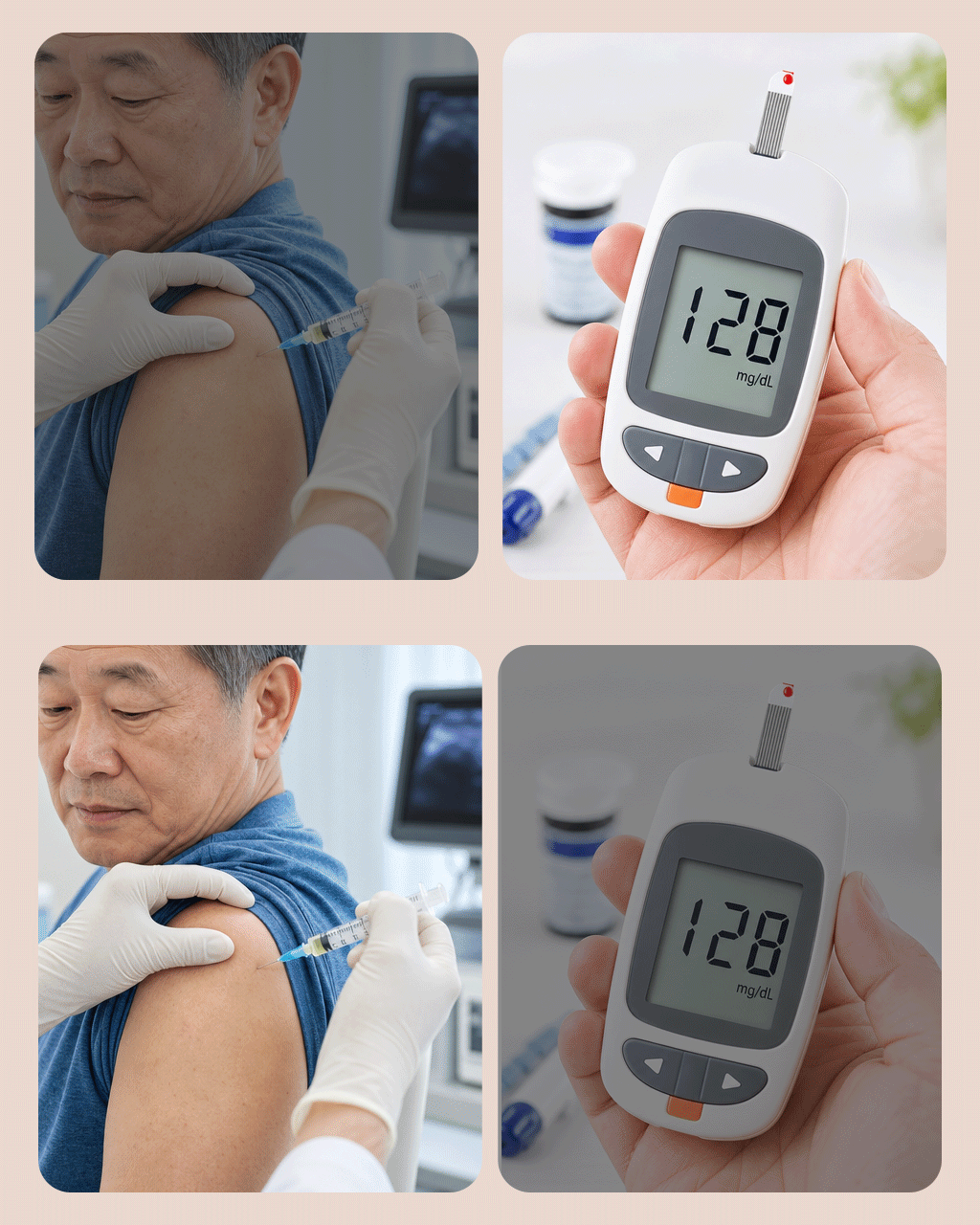
An injection given to control joint pain can raise blood glucose throughout the body. From a patient’s perspective, this can feel very unfamiliar.
The body’s ability to regulate blood sugar is like a “cup filled with water.” If your cup is usually only half full, adding a bit more water won’t overflow. But if your baseline glucose is already high and the cup is close to spilling, it’s different—just a small amount can make it overflow. This is called medication-induced hyperglycemia.
Steroid components can raise glucose in two main ways:
- They push the liver to produce more glucose.
- They reduce how effectively insulin works in muscles (insulin resistance).
Even if the injection is placed locally (for example, into a joint), some of the medication can enter the bloodstream and spread systemically. That’s why blood glucose can rise temporarily after administration.
So, for a few days right after the injection, your glucose fluctuations may look different than usual. Because this occurs during the medication absorption process, you don’t need to panic. During this period, checking and recording your blood glucose a bit more frequently than usual is the first step in responding safely.
2. If my fasting morning glucose is normal, is it safe to relax?
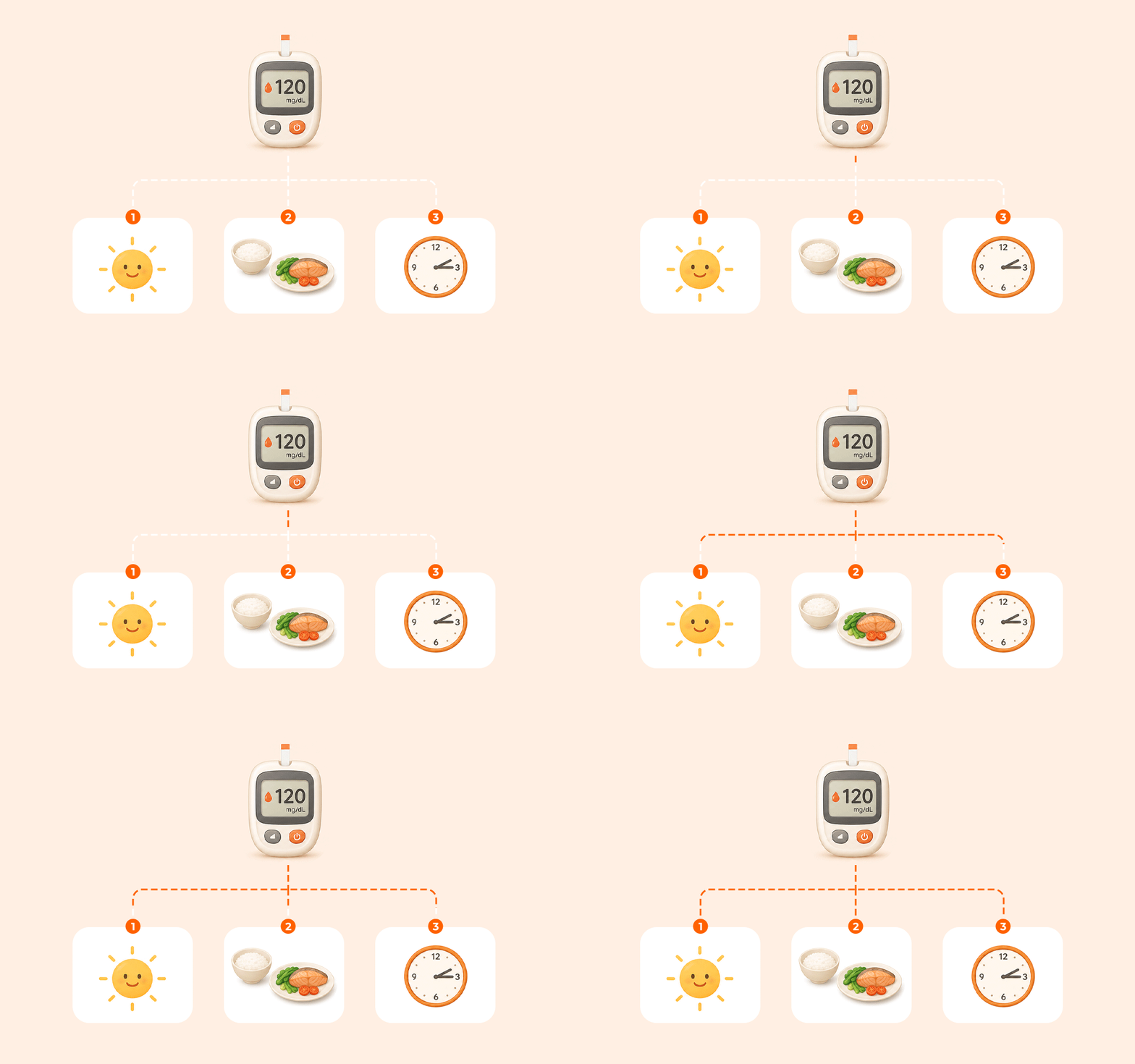
People who usually have good glucose numbers are often the most startled by sudden changes. There’s an important point many people miss here: medication-related glucose elevation tends to show up much more strongly in the afternoon than in the fasting morning state. That’s because the time when the medication is absorbed and reaches higher blood levels often overlaps with afternoon activity hours.
This is similar to choosing clothes. Under fitting-room lighting (fasting morning), everything can look fine. But under afternoon lighting (post-meal/afternoon), the color can look completely different. If you only measure fasting morning glucose and feel reassured, you may completely miss the risky afternoon window when levels can surge.
In the morning, numbers may stay within the normal range, but after lunch or dinner, a steep rise is commonly observed. For patients in their 50s to 70s, it’s reasonable to follow a short-term “focused monitoring” approach for several days right after the injection—especially emphasizing post-meal and afternoon checks and keeping time-stamped records.
| Measurement Time | Recommended Guidelines (3 Days After Starting Injection/Medication) |
|---|---|
| Morning Fasting | Check baseline status by measuring once immediately after waking up |
| 2 Hours Post-Meal | Measure at least once after lunch or dinner |
| Afternoon Active Period | Check between 3:00 PM and 6:00 PM when levels rise the most |
3. Is this a temporary medication reaction, or has hidden diabetes been revealed?
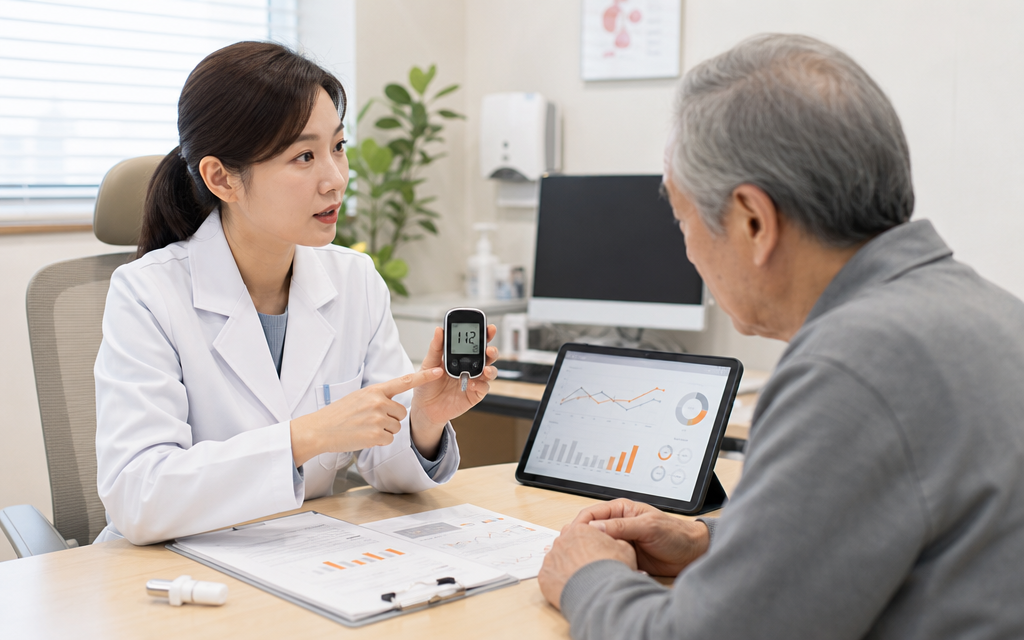
When blood glucose rises after an injection, the biggest question is: “Will it go back to how it was once the medication wears off?” Medication-induced diabetes doesn’t look the same for everyone. For some, it may pass like a brief “rain shower.” For others, it may be the start of a “climate change” that requires ongoing attention.
A key clue is your baseline HbA1c (glycated hemoglobin)—especially results from before the injection or before the medication was started.
- More likely a temporary medication effect: If HbA1c was normal before treatment and there were no metabolic abnormalities, that’s a positive sign. In many cases, improvement is reported within days as the medication is cleared.
- More likely unmasked/secondary diabetes: If HbA1c was already in the prediabetes range—or if there is obesity or a family history—previously hidden diabetes may have been brought to the surface by the medication. In that case, hyperglycemia may persist even after the injection component is cleared.
The safest approach is to compare blood test records from before and after treatment with your clinician and establish a longer-term plan when needed.
4. If my blood sugar spikes, should I immediately stop my other medications?
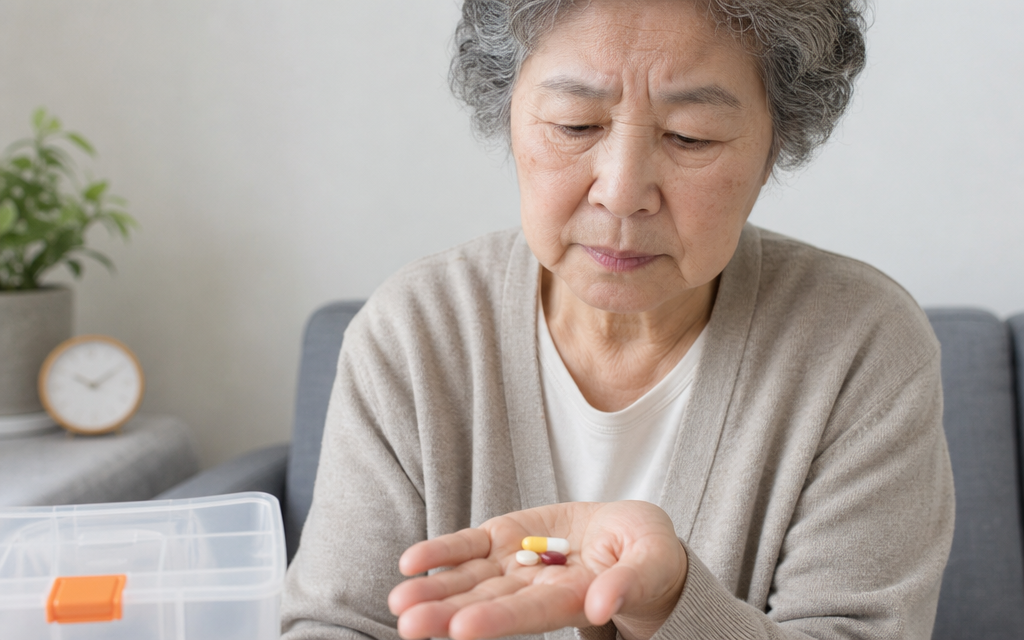
After seeing a sharp rise in blood glucose, some people become frightened and try to stop medications. However, stopping immunosuppressants or chemotherapy drugs on your own is dangerous. If you discontinue medications used for rheumatoid arthritis treatment or after organ transplantation without medical guidance, the underlying disease may worsen or the risk of severe rejection can increase.
Instead of stopping medications indiscriminately, it’s safer to coordinate glucose control through co-management with endocrinology, using your records as the basis.
| My Situation | Tracking & Observation Points | Medical Team Consultation |
|---|---|---|
| Mild blood sugar elevation + No history of diabetes or history is unclear | Do not just check fasting levels; add post-meal and afternoon checks | Adjust measurement frequency and timeframes; short-term monitoring of progress |
| High variability + Hard to pinpoint high-risk windows | Identify the pattern of "when it goes up" | Consider short-term use of Continuous Glucose Monitoring (CGM) |
| Pre-existing type 2 diabetes + Historically unstable control | Compare the degree of worsening against baseline levels | Adjust current diabetes medication or intensive short-term treatment |
| Distinct hyperglycemia + Undergoing cancer treatment (e.g., immune checkpoint inhibitors) | Check blood sugar values and accompanying symptoms (vomiting, abdominal pain, etc.) | Intensive management including short-term insulin adjustment |
Also, some medication-related hyperglycemia—especially during certain chemotherapy or immune-related treatments—can be associated with a rapid decline in pancreatic function. If severe thirst becomes unbearable and acute symptoms such as vomiting, abdominal pain, or dehydration occur, you should receive an urgent evaluation.
Before visiting the clinic, be sure to prepare the items below.
✅Emergency warning checklist before a clinic visit
- Do you have an HbA1c result measured before the injection, or a health screening report?
- Did you bring a list of all prescribed medications from every department you’re currently taking (including injections)?
- Are emergency symptoms present, such as vomiting, abdominal pain, dehydration, or severe weakness?
5. For polypharmacy patients in their 50s–70s, why safety matters more than aggressive
control
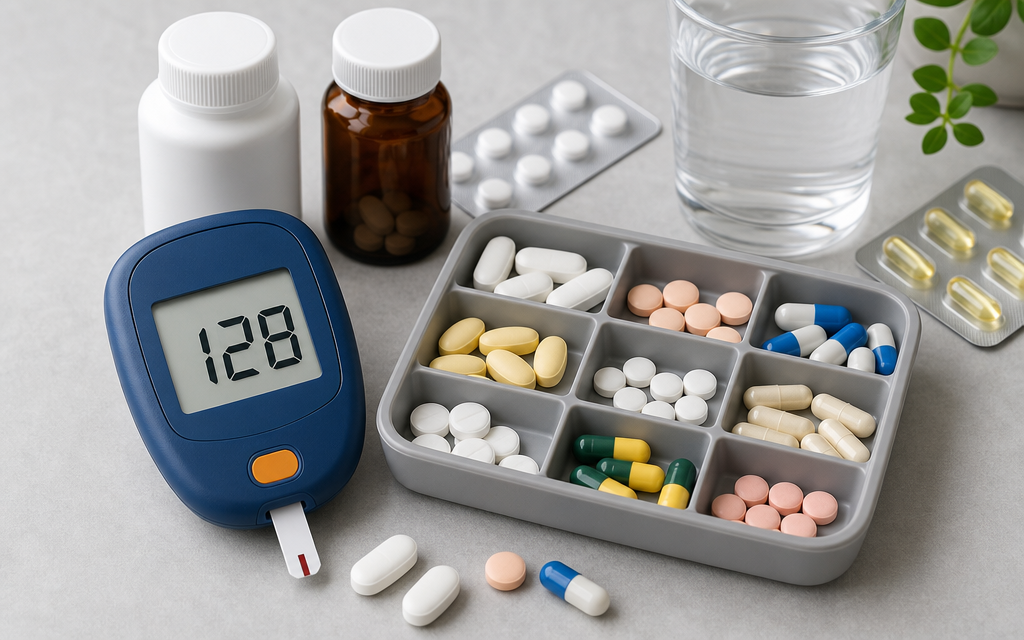
For patients in their 50s to 70s who take many medications due to multiple underlying conditions, management needs to be different. It is often safer to set glucose targets a bit more conservatively than general standards.
Trying to force elevated glucose down to “normal” too aggressively can actually be risky. Using strong diabetes medications can lead to severe hypoglycemia or dizziness-related falls. Extra caution is needed if kidney function is reduced or meal intake is irregular. Even if treatment intensity is lowered, a defensive approach that prioritizes avoiding hypoglycemia is often more advantageous.
You don’t need to scoop every last drop out of an overfilled glass. Even if the level is somewhat high, building a safe barrier so it doesn’t spill over is the right treatment direction. Securing safety without excessive dose escalation is often the most appropriate approach for patients taking multiple medications.
6. Frequently Asked Questions (FAQ)
Q. After a steroid injection (joint/shoulder), when does blood sugar start to rise and how long does it last?
In most cases, it begins to rise on the day of the injection or the next day, mainly affecting post-meal glucose. During the first few days (as short as 2–3 days and up to 1–2 weeks), post-meal and afternoon glucose may rise more, so close monitoring is recommended. Recovery speed afterward can vary depending on baseline HbA1c, the injection formulation, dose, and other factors.
Q. If my blood sugar spikes, can I increase the dose of my usual diabetes medication on my own?
Increasing the dose or changing the frequency of diabetes medications without medical guidance can raise the risk of hypoglycemia, so it’s safer not to adjust it yourself. If a rapid rise is observed, visit endocrinology and adjust safely according to a clinician’s prescription.
Q. Is diabetes that occurs during immunotherapy or chemotherapy different from typical adult-onset diabetes?
Hyperglycemia induced by anticancer drugs or immunosuppressants differs in mechanism from typical diabetes that develops gradually with weight gain and related factors. Because certain medications can rapidly reduce pancreatic insulin secretion, close monitoring with your medical team is needed from early in treatment.
Q. During medication treatment, what symptoms mean I should seek care quickly?
If urination increases abnormally and intense thirst persists, caution is needed. If vomiting, abdominal pain, weight loss, or confusion occurs together, these may be signs of a dangerous acute complication—so you should seek prompt medical care or an emergency evaluation without delay.
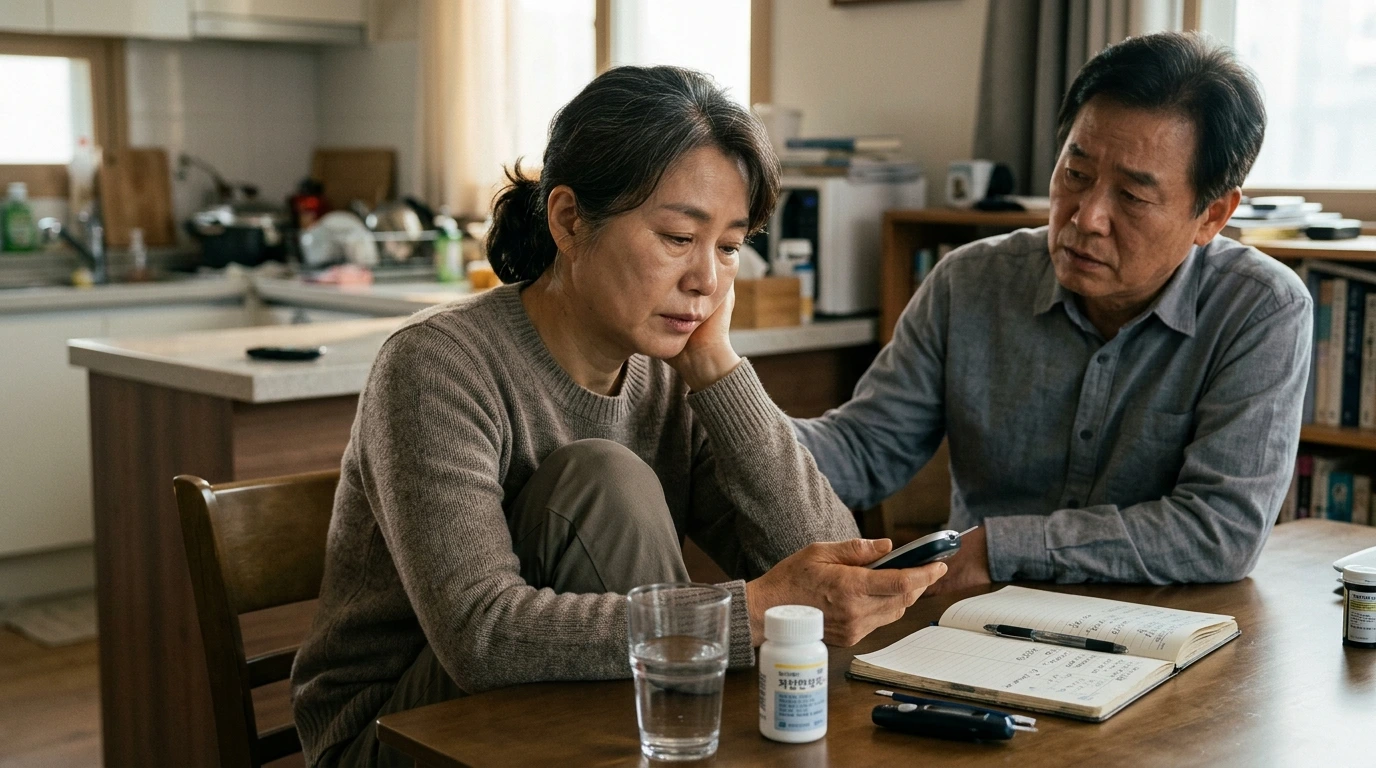
You may feel startled when a local injection or medication given for another condition unexpectedly raises your blood glucose. The key criteria for getting through this situation are measuring at the right times and avoiding self-discontinuation. Don’t rely only on fasting morning numbers—be sure to check changes after meals and during the afternoon.
Blood glucose elevation due to steroids or immunosuppressants can often be managed safely through careful adjustment. The glucose values you record diligently—along with time-of-day notes—become an excellent compass in the clinic. Try not to be overly anxious, and we encourage you to work with professionals to build a longer-term safety net while continuing treatment for your underlying condition.
Sources
- Korean Diabetes Association, Clinical Practice Guidelines for Diabetes, 2023
- The Korean Society for Transplantation, Guidelines for the Diagnosis and Management of Diabetes After Organ Transplantation, 2022
- Clinical Diabetes, Impact of Intra-Articular Corticosteroid Injection on Glycemic Control, 2024
※ The copyright for all content on this blog belongs to medihi. Unauthorized copying, distribution, or derivative use is strictly prohibited, and violations may result in legal action without prior notice.
Recommended reads
 medihi