

If your health screening shows elevated HbA1c or fasting blood sugar, it’s easy to feel alarmed. But one result does not settle everything. Even without symptoms, the priority is to confirm whether you truly meet the diagnostic threshold. This post explains why the numbers can disagree, how repeat testing is typically handled, and how to interpret broader health indicators behind blood sugar for a more integrated decision-making approach.
“Diabetes... even though nothing hurts?”

Many office workers in their 40s–50s ask this in the exam room. Type 2 diabetes can have a long symptom-free period. Even if you feel fine, your metabolic markers may already be above the threshold.
HbA1c ≥ 6.5% and fasting blood sugar ≥ 126 mg/dL are widely used diagnostic cutoffs for diabetes in both Korea and internationally. However, if you have no symptoms and this was first found on a routine screening, clinicians typically avoid confirming a diagnosis based on a single test alone. To reduce the risk of misdiagnosis and unnecessary medication, it’s common to repeat testing on a different day.
Understanding your current status and going through the confirmation steps is the first step.
1. “I don’t have any symptoms”—How HbA1c and fasting blood sugar play different roles
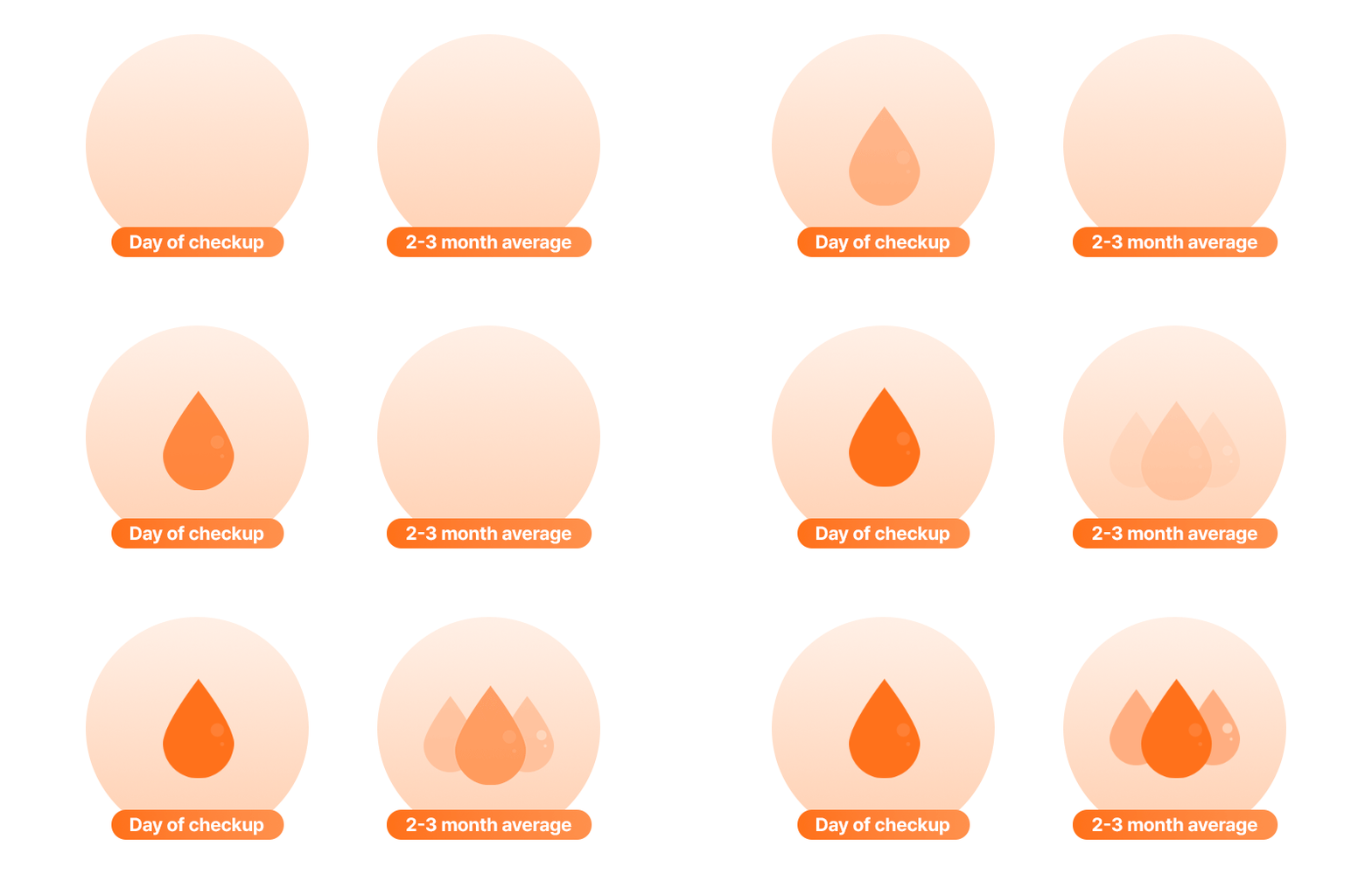
The easiest way to understand blood sugar numbers is to compare them to traffic
enforcement cameras: a “spot check” versus “average speed enforcement.”
Fasting blood sugar is like a spot-check camera. It captures only your blood glucose level on the morning of the test. If you ate early the night before and slept well, it may measure as normal. On the other hand, sleep deprivation or severe stress can temporarily push it higher. It reflects only a moment in time.
HbA1c, in contrast, is like average speed enforcement over a stretch of road—it reflects your average blood sugar over the past 2–3 months. A few days of strict dieting won’t quickly bring this number down. An HbA1c of 6.5% or higher suggests that your average blood sugar has been above the diagnostic threshold for months.
That’s why both numbers matter even when you have no symptoms. Even if you “passed” the snapshot check (fasting blood sugar), being flagged on the longer-term measure (HbA1c) suggests frequent exposure to high blood sugar. Rather than assuming one is “wrong,” it’s important to interpret them as complementary.
2. Can diabetes be diagnosed from a single health screening?
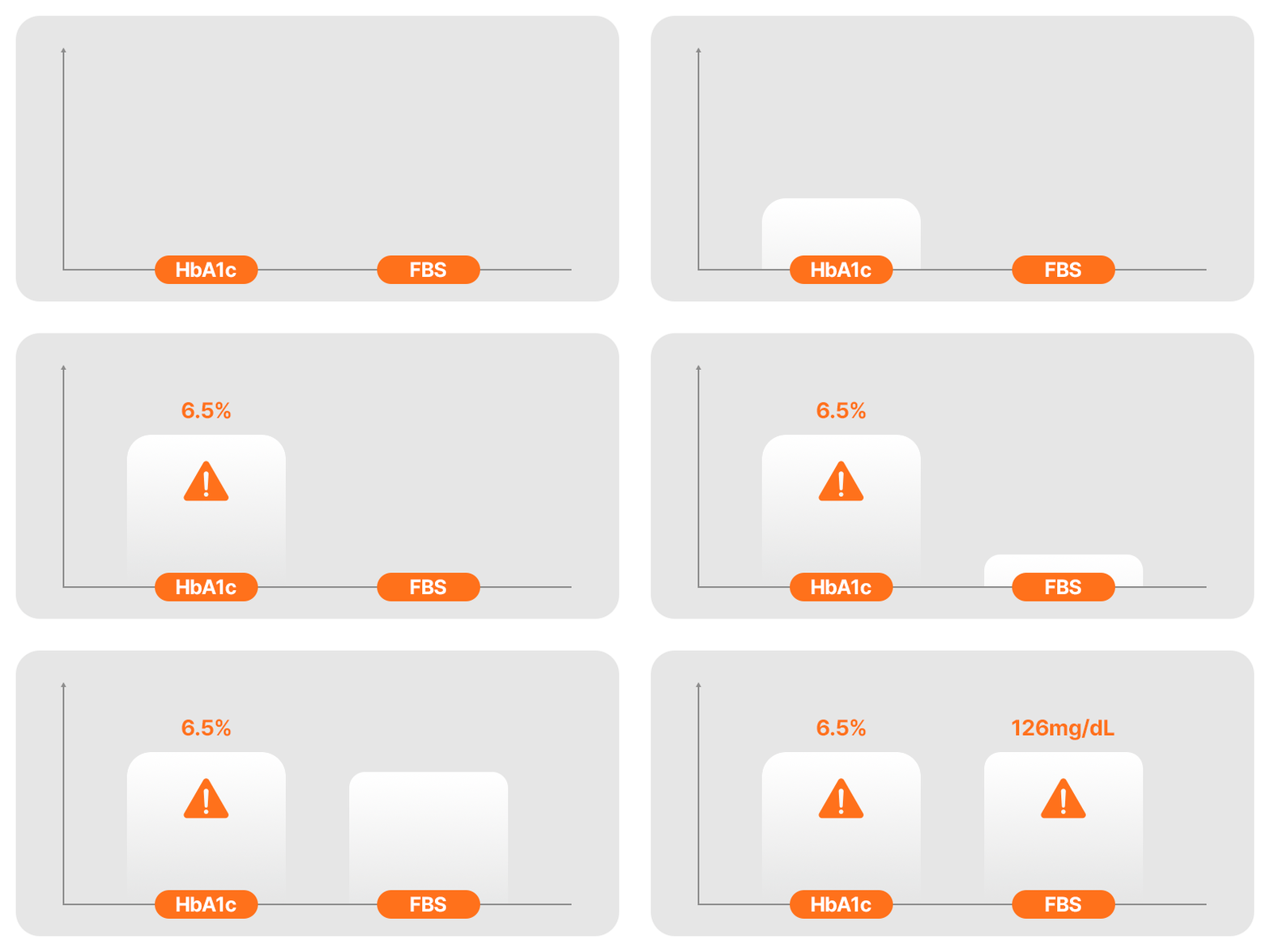
Seeing a number above the cutoff on your report can be alarming. But a one-time screening has many variables, making it difficult to treat as definitive. Factors such as how long you truly fasted before the blood draw, extreme fatigue, or a temporary acute illness can influence results.
That’s why clinics often schedule a reassessment on a different day. Depending on the combination of the two values, the next step recommended by the hospital may differ.
| Screening Test Results | Next Steps in the Clinic |
|---|---|
| Both HbA1c 6.5% and fasting blood glucose 126 mg/dL are abnormal | Schedule a blood draw retest on a separate day |
| Only one value is high or the results are inconsistent | Consider an additional Oral Glucose Tolerance Test (OGTT) |
An oral glucose tolerance test (OGTT) involves drinking a standardized glucose solution and checking how your levels change after 2 hours. It’s used to clarify borderline or ambiguous results. If multiple tests on the same day exceed thresholds, or if repeat testing continues to show persistently high values, the situation moves closer to a diagnosis.
✅Checklist before repeat testing / additional tests
- Was your blood drawn on a day when you did not maintain a complete fast of at least 8 hours?
- Have you recently had an acute illness (e.g., a cold or gastroenteritis) or taken medications for it?
- Did your HbA1c and fasting blood sugar results come back inconsistent with each other?
- During your visit, did you ask whether an OGTT is necessary?
3. Exceptional situations where HbA1c can misrepresent your true blood sugar
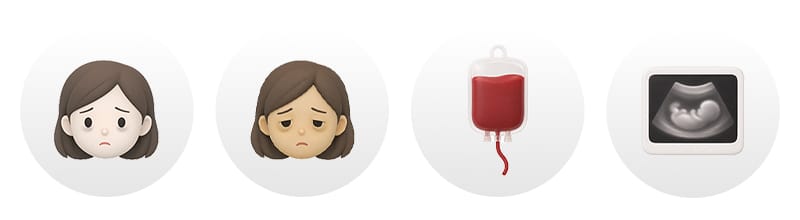
There are special situations where the “average speed enforcement device” itself becomes less reliable. HbA1c measures how much sugar is attached to hemoglobin in red blood cells. If red blood cell lifespan or condition is altered, HbA1c can be distorted—reading higher or lower than your true average blood sugar.
If you’ve recently had severe anemia or treatment for it, results may differ. People with reduced kidney function (chronic kidney disease) or liver disease can also have measurement error. Recent transfusion or pregnancy can affect hemoglobin-related values as well.
If any of these apply, clinicians do not draw conclusions from HbA1c alone. It can be safer to reassess by directly measuring post-meal blood sugar multiple times or by focusing on reevaluation with an OGTT as mentioned earlier. Be sure to tell your clinician about any relevant conditions before evaluation.
4. Is lowering blood sugar enough? Integrated management for office workers in their
40s–50s

It’s uncommon for only blood sugar to be elevated on a screening report. Many office workers in their 40s–50s also carry risk factors such as abdominal obesity, high blood pressure, and dyslipidemia. Thinking “I just need to bring down my HbA1c” is too narrow a view of metabolic risk.
In recent medicine, there’s a reason care increasingly looks beyond glucose alone—placing cardiovascular risk at the center and integrating kidney and metabolic health. Diabetes-related complications broadly fall into two categories.
- Cardiovascular risk: Major vascular complications such as heart attack or stroke are strongly influenced not only by blood sugar, but also by whether conditions like hypertension, obesity, and high cholesterol are present.
- Microvascular complications: Complications such as retinopathy (which can lead to vision loss), reduced kidney function, and neuropathy tend to respond more sensitively to how well day-to-day blood sugar is controlled than to accompanying conditions.
Therefore, even with the same HbA1c of 6.5%, long-term cardiovascular risk can be very different between someone with hypertension and obesity and someone without them. Rather than reacting emotionally to a single number, integrated management should begin: controlling weight, cholesterol, and blood pressure to protect large vessels, while also pursuing precise glucose control to protect small vessels. Starting this integrated approach early is important for meaningfully reducing long-term cardiovascular disease risk.
✅Integrated indicator checklist to cover during your visit
- Have you set a target for abdominal obesity and weight loss?
- Have you checked cholesterol and triglyceride levels together?
- Have you reviewed whether your blood pressure is outside the normal range?
- Are there any abnormalities in kidney-related indicators such as protein in the urine?
5. After repeat testing: How the line is drawn between lifestyle changes and medication

Once a diagnosis is confirmed, the management plan is individualized to your current condition. Being in the early stage of diabetes does not automatically mean you must start medication immediately. Goals are set after carefully considering age, comorbidities, degree of obesity, and risk of hypoglycemia.
If early-stage diabetes is accompanied by abdominal obesity, lifestyle modification is the first line of defense. Dietary changes and weight loss can lead to meaningful improvement.
On the other hand, if symptomatic hyperglycemia is clear—such as marked thirst or frequent urination—medication support is necessary. Also, if the risk of heart failure or chronic kidney disease is high, clinicians may consider adding medications with kidney-protective effects from an early stage.
Starting medication does not mean you can never stop. Depending on improvement and the degree of weight loss, medication may be reduced, or you may maintain control with lifestyle management alone. It’s a process of finding the safest and most efficient pace for you.
6.Frequently Asked Questions (FAQ)
Q. If my HbA1c is 6.5% on a screening test, is diabetes confirmed?
A diagnosis is not automatically confirmed based solely on a single screening report. To rule out temporary error and limitations of the testing environment, clinicians typically repeat blood testing on a different day and then make a final judgment.
Q. Can fasting blood sugar be normal while only HbA1c is high?
Yes, this can happen. Even if your fasting level on the morning of the test was good, HbA1c can still be elevated if your post-meal blood sugar has frequently risen over the past 2–3 months, raising the average.
Q. When is repeat testing done, and which tests (including OGTT) are used?
If a one-time screening meets the diagnostic threshold or the two values are inconsistent, repeat testing on another day is recommended. Typically, fasting blood sugar and HbA1c are repeated, and if needed, an OGTT is performed by drinking a glucose solution and measuring the level 2 hours later.
Q. If I have no symptoms, when should I seek care or consider medication?
Even if you feel no discomfort, it’s better not to delay scheduling a visit if your results are above the threshold. Early on, lifestyle modification is often tried first, but if cardiovascular risk is high or blood sugar is very elevated, a discussion can determine whether to combine medication early.
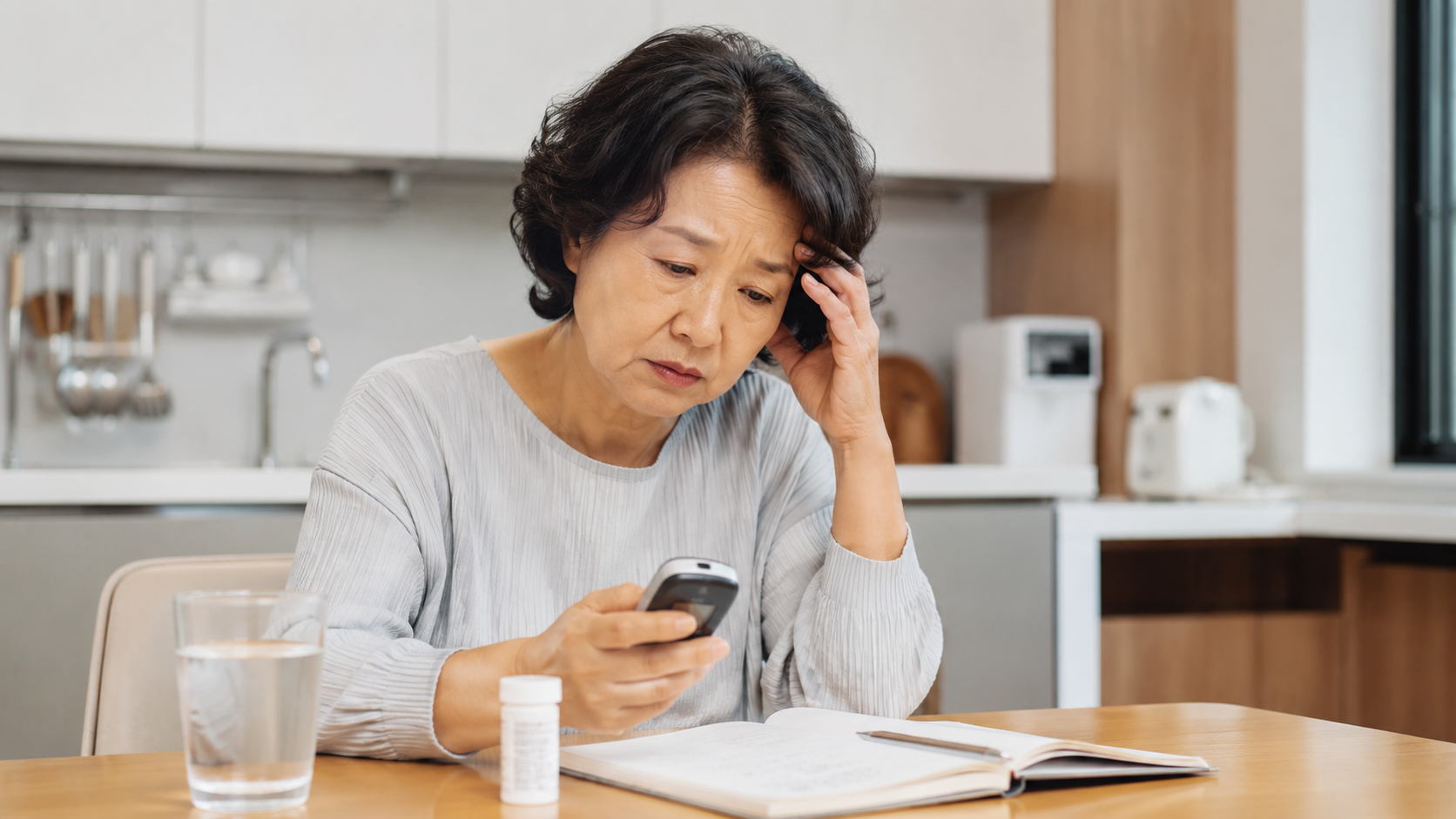
Unexpected abnormal results found during a routine health screening can make your heart sink. You may feel torn between “I have no symptoms, so maybe I can ignore it” and “If this is already diabetes, it’s a disaster.” But HbA1c is not a hopeless verdict—it’s a clear signal to take a closer look at your body.
If the warning light has come on in the “average speed enforcement camera” reflecting your blood flow, it means it’s time to slow down. Understand the limits of a single test and proceed calmly with repeat testing and confirmation steps. Rather than being swayed by one number, if you work with your clinician to build an integrated plan that includes weight, blood pressure, and cholesterol, you can protect a healthy daily life with greater confidence.
Sources
- Korean Diabetes Association. Diabetes Clinical Practice Guidelines. 2023.
- Korea Disease Control and Prevention Agency (KDCA) National Health Information Portal. Diabetes (overview and diagnostic guidance). 2024.
- Teo et al., Comparison of diagnostic accuracy for diabetes. Frontiers in Medicine. 2023.
※ The copyright for all content on this blog belongs to medihi. Unauthorized copying, distribution, or derivative use is strictly prohibited, and violations may result in legal action without prior notice.