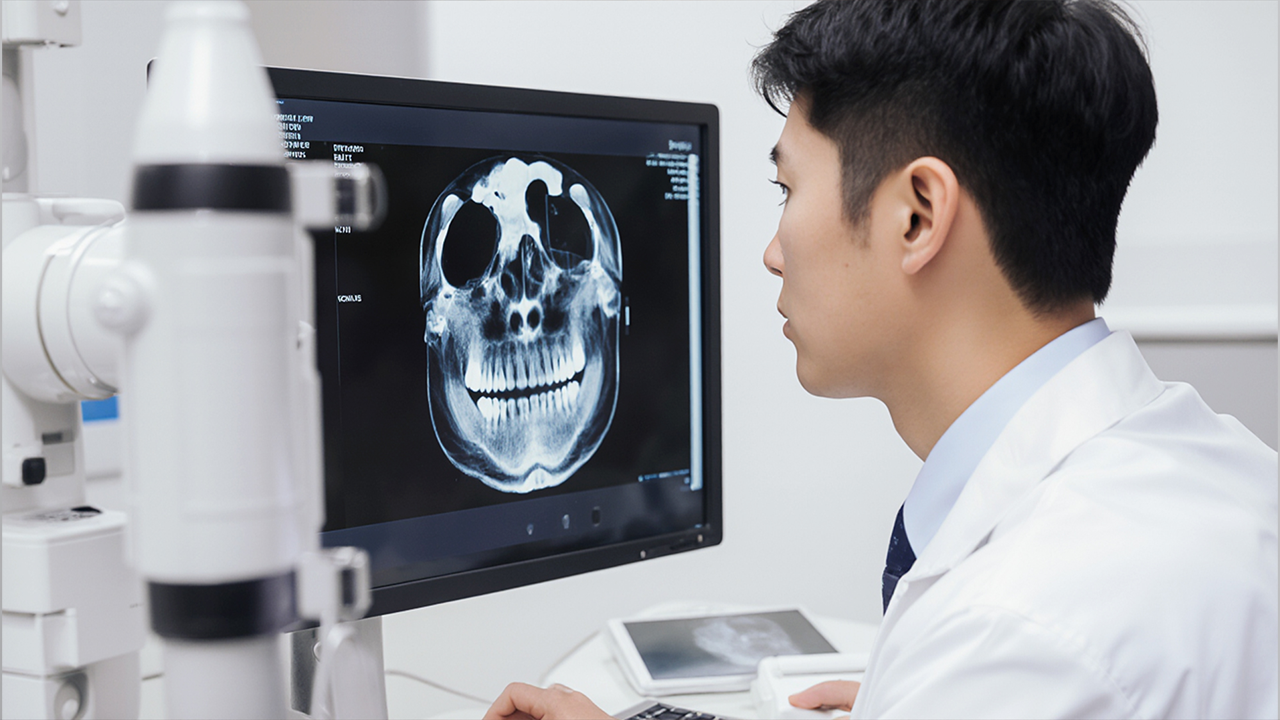

Hesitant about full-mouth implants due to lack of jawbone? Learn about solutions for patients with severe bone loss, including bone grafting, sinus lifts, and the All-on-4/All-on-6 systems.
"I was told full-mouth implants were impossible because I have no jawbone. Is there really no hope?"

For patients needing full-mouth restoration, being told their jawbone has diminished can be deeply discouraging. Today, we will provide a candid and detailed look at full-mouth implant treatments designed specifically for those with significant bone resorption.
1. Why Does the Jawbone Diminish?
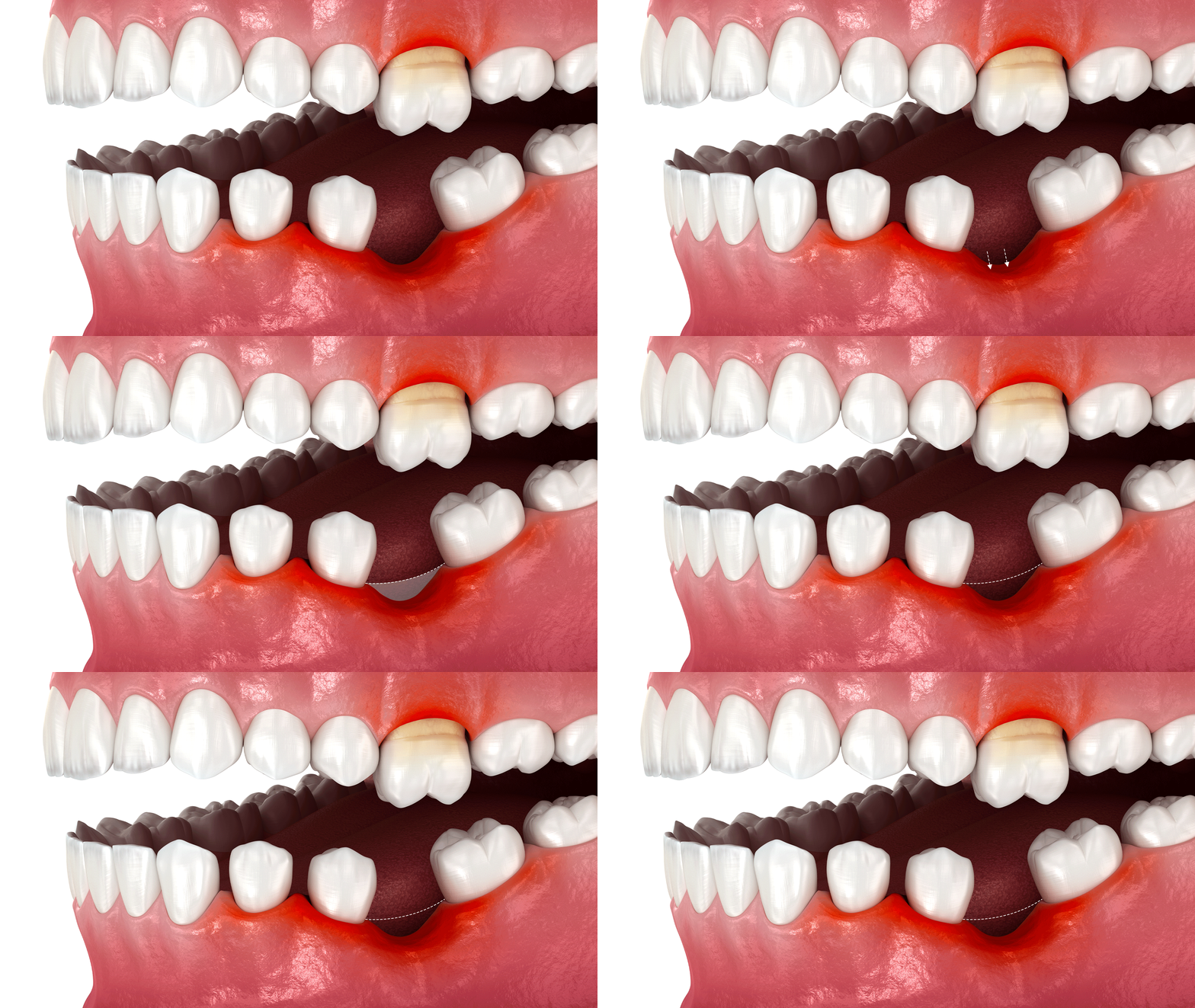
Bone loss following tooth loss is a natural physiological phenomenon. It progresses most rapidly during the first six months after an extraction, during which nearly half of the bone volume can disappear.
If left unaddressed for too long, the bone can recede to a point where standard full-mouth implants become difficult. Successful implantation requires sufficient bone height and width, necessitating careful management that considers the distance to the molars, the maxillary sinus (upper jaw), and the inferior alveolar nerve (lower jaw).
2. Bone Density Criteria for Full-Mouth Implants

You may wonder if your current bone levels are enough for full-mouth implants. Generally, sufficient residual bone must remain for stable placement. Typically, both the upper and lower jaws require a minimum bone height of 4–6mm and adequate bone width.
1) Upper Jaw (Maxilla) Full-Mouth Implants
- Number of Implants: 8–12 typically required.
- Bone Conditions: Height of 8–10mm+, thickness of 6mm+.
- Key Consideration: The molar area often lacks height due to the maxillary sinus (hollow space).
- Solution: Sinus lift procedure to reinforce the bone space.
2) Lower Jaw (Mandible) Full-Mouth Implants
- Number of Implants: 6–10 typically required.
- Bone Conditions: Height of 10–12mm+, thickness of 6mm+.
- Key Consideration: A minimum safety distance of 2mm from the inferior alveolar nerve is mandatory.
3) All-on-4 / All-on-6 Systems

- All-on-4: Replaces all teeth using only 4 implants. The posterior implants are tilted at 30–45 degrees to avoid the sinus and nerves, making it possible even with limited bone.
- All-on-6: Replaces all teeth using 6 implants. This provides better force distribution, leading to superior stability and long-term durability compared to All-on-4.
3. Solutions for Insufficient Jawbone
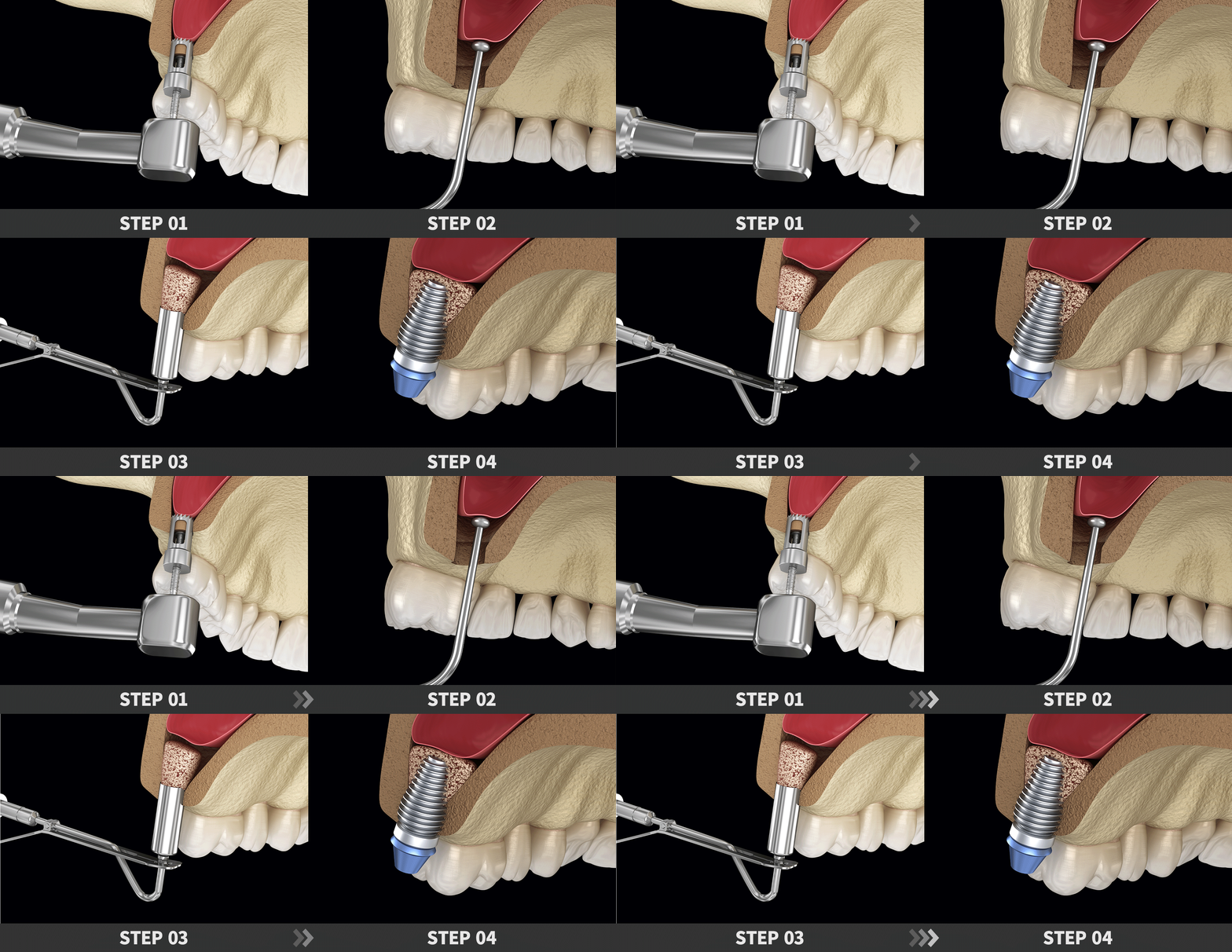
Even with significant bone loss, successful treatment is possible through additional reinforcement procedures such as bone grafting or sinus lifts.
1) For Upper Jaw Bone Loss → Sinus Lift
- Target: Patients needing molar implants in the upper jaw.
- Method: Lifting the sinus membrane and filling the space with bone graft material.
- Surgical Methods Based on Remaining Bone:
- 6–10mm (Crestal Approach): A simple method of lifting from the bottom.
- 4–6mm (Lateral Approach): Creating a "window" in the side of the gum to secure space.
- Under 4mm: Lateral approach combined with extensive bone grafting.
2) For Both Jaws → Bone Graft Implants
- Applicable Area: Both upper and lower jaws.
- Condition: Residual bone height/thickness of 4–5mm+ is needed to secure the graft.
- Under 4mm: Success rates are lower, often requiring a two-stage surgery:
- Stage 1: Perform bone grafting first.
- Stage 2: Place the implants after the bone has healed.
4. Frequently Asked Questions (FAQ)
Q. I heard bone grafting is very painful. Is that true?
Bone grafting is performed under anesthesia, so there is almost no pain during the surgery. You may experience slight swelling or discomfort for 2–3 days afterward, but this is well-managed with pain relievers.
Q. Is bone grafting surgery safe? Are there side effects?
Modern bone graft materials are proven to be safe. We use autologous bone or strictly verified synthetic bone, with success rates exceeding 95%. Infections or rejection reactions are extremely rare (less than 1%).
Q. Can patients over 65 get implants after a bone graft?
Yes, absolutely. As long as your general health is stable, successful implantation is possible regardless of age once the jawbone is reinforced.
Q. I’m worried that full-mouth implants will be hard to maintain.
They are actually much easier to manage than dentures. You simply brush and floss as you would with natural teeth. With regular check-ups, they can be used semi-permanently, significantly improving your quality of life.
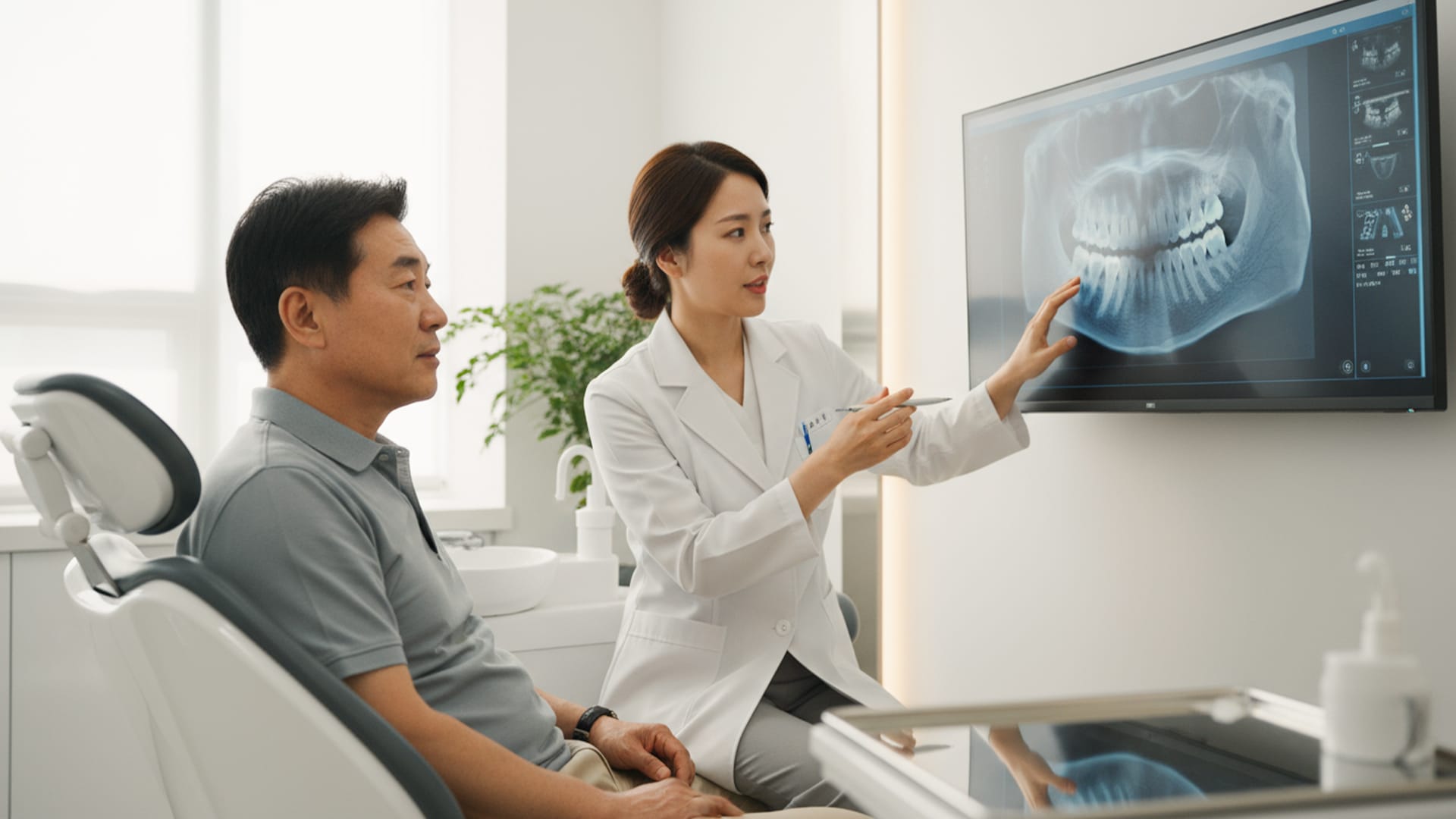
Insufficient jawbone does not necessarily mean you cannot get dental implants. While having healthy bone density is ideal, several advanced solutions are available even if your bone levels are low—including bone grafting, sinus lifts, and All-on-4/6 systems. Rather than worrying on your own, we encourage you to discover the most effective treatment plan tailored to your unique oral environment through a precision digital diagnosis.
Sources
- American College of Prosthodontists (2004). Loss of Jawbone after Tooth Loss.
- Pjetursson, B. E., et al. (2014). A Systematic Review of the 10-Year Survival and Complication Rates of Implant-Supported Fixed Dental Prostheses (FDPs).
- Ganz, S. D., & Tawil, I. S. (2025). Implant-Prosthetic Rehabilitation Using All on Six Concept – Case Reports.
※ The copyright for all content on this blog belongs to medihi. Unauthorized copying, distribution, or derivative use is strictly prohibited, and violations may result in legal action without prior notice.
Recommended reads
 medihi