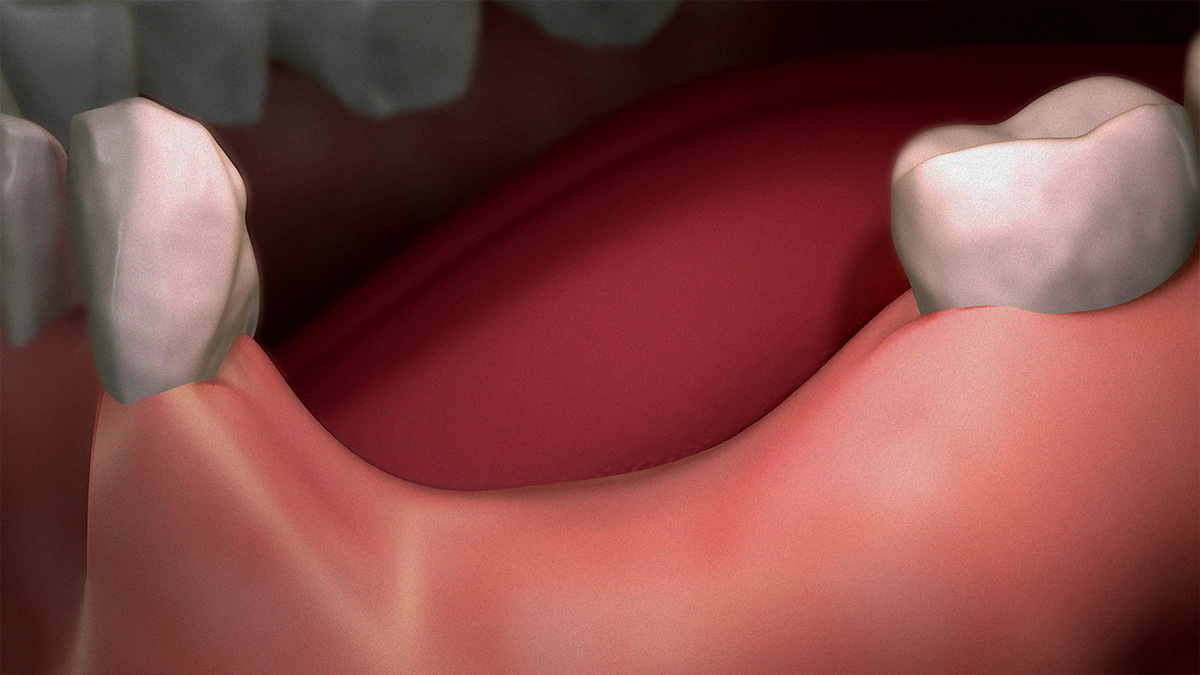

Bleeding gums are often the first warning sign your teeth and gums send you. If mild bleeding isn’t addressed in time, it can progress to a point where you may eventually need an implant. Learn why gum bleeding and swelling are concerning—and how to help protect your teeth for the long term.
“Whenever I brush, my gums bleed. Could it be something serious?”
“Lately my gums swell often, and it’s hard to chew firm foods.”

Many people brush these symptoms off as minor, but they can actually be an important warning sign for oral health.
In this post, we’ll take a close look at why gum bleeding and swelling happen, why these symptoms may represent the early stages of periodontal disease, and how leaving them untreated can lead to tooth loss—potentially putting you in a situation where an implant procedure becomes necessary.
1. What causes periodontal disease, which threatens dental health?
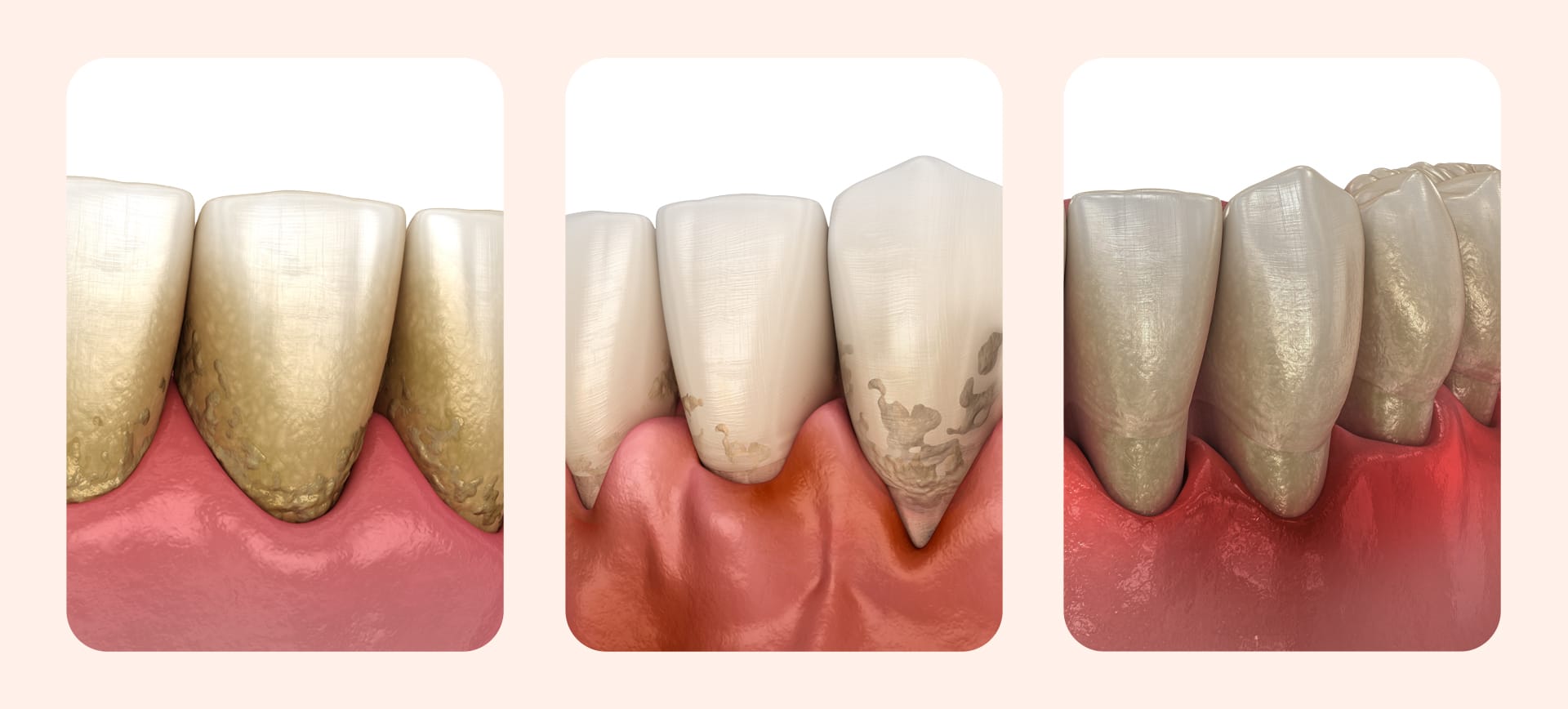
If your gums bleed when you brush or when you bite into an apple, it may not be a
temporary issue. In many cases, it’s an early sign of gingivitis (gum inflammation), and if left untreated it can progress to periodontitis (advanced gum disease).
- Bleeding during brushing → gingivitis → early scaling and checkups
- Persistent bleeding → progression to periodontitis → professional treatment needed
- Severe bleeding and pain → periodontal disease → higher risk of tooth loss
When gingivitis progresses, it can develop into periodontitis—together referred to as periodontal disease. Periodontal disease is commonly known as “gum disease,” and it is caused by plaque (biofilm) and tartar (calculus) that build up in the space (pocket) between the teeth and gums.
2. How are periodontal disease and implant treatment connected?
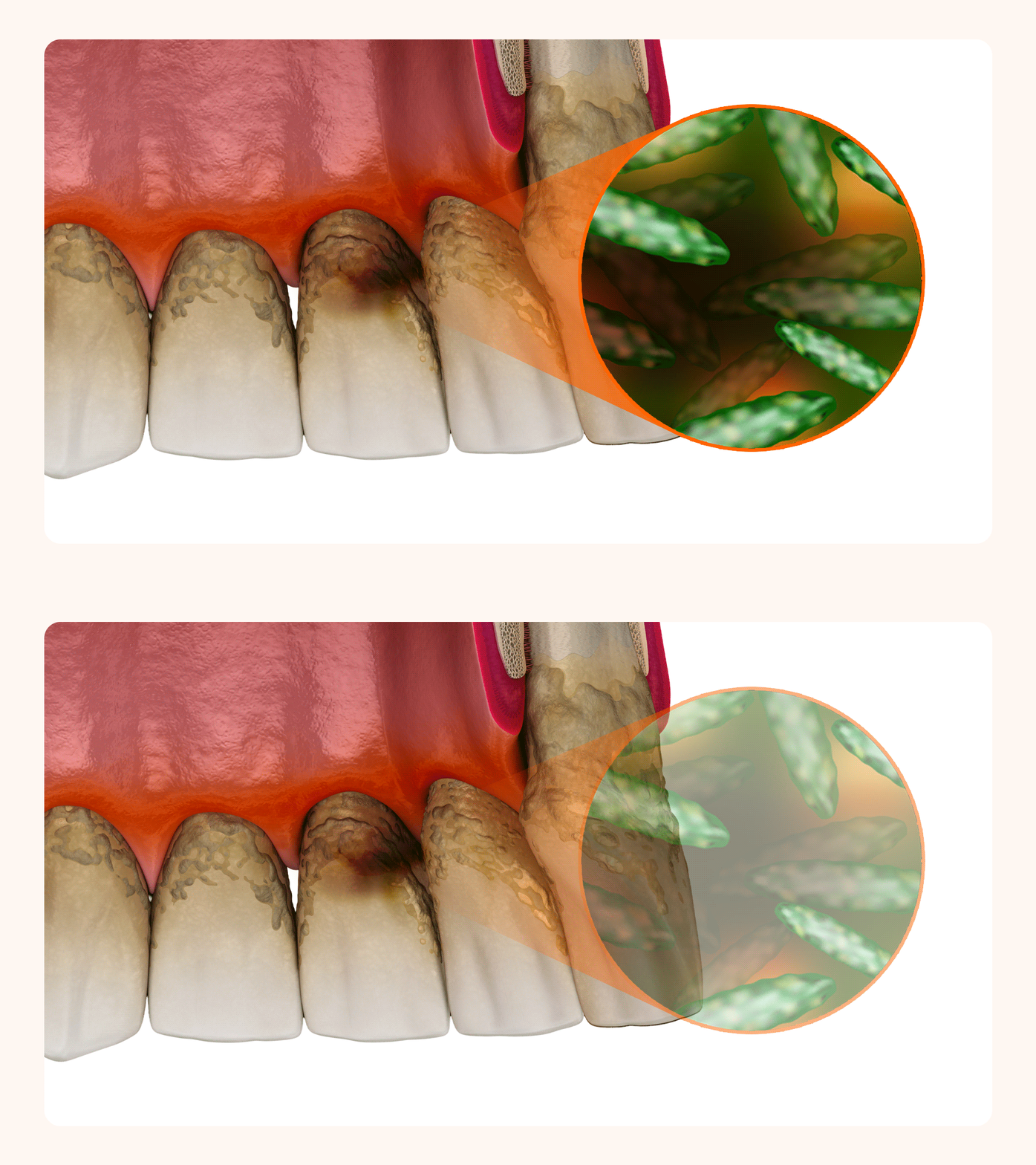
When gums swell, food can get trapped more easily and bacteria can multiply. If gum swelling becomes chronic, inflammation can spread to the underlying bone, and teeth may start to loosen. Once the alveolar bone is damaged to the point that it can no longer support the tooth, extraction may ultimately be necessary.
After tooth loss, treatment is needed to replace the missing area, and an implant is one of the commonly considered options.
For this reason, bleeding gums can be seen as a signal to check for periodontal disease early. If ignored, it may increase the likelihood of tooth loss and eventually lead to implant treatment. This goes beyond simple discomfort—it’s an important sign that you may need prompt dental evaluation and care.
✅Signs you should see a dentist
- Bleeding during brushing lasts longer than 2 weeks
- Gum swelling and pain recur
- Teeth feel loose or food gets stuck frequently
- Bad breath becomes noticeably worse
3. When is an implant truly necessary?
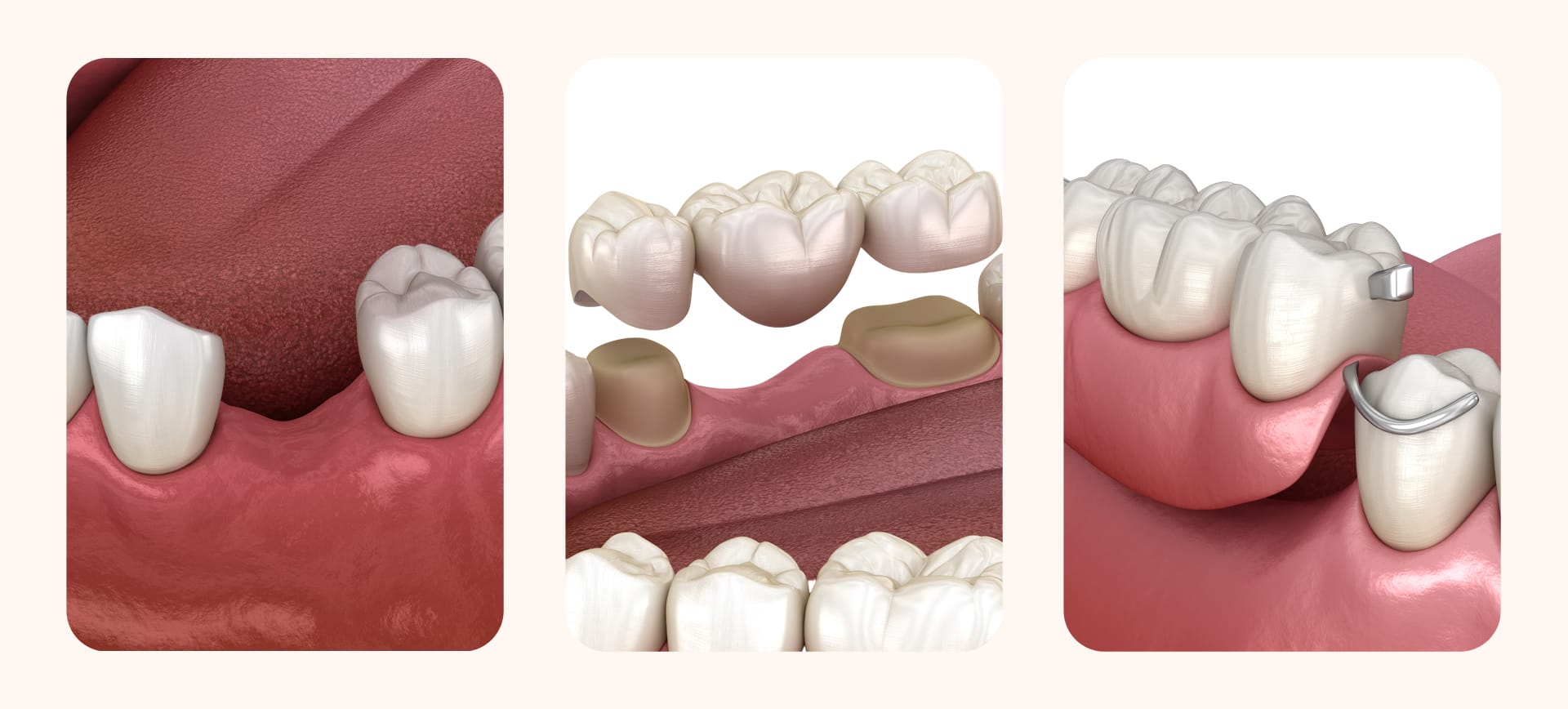
When a tooth is lost, the issue isn’t only cosmetic. It can lead to reduced chewing function, speech difficulties, and even shifting of the remaining teeth.
To address these problems, many people consider whether they need an implant. Common situations where an implant may be needed include:
- When one or more teeth are missing: If teeth are lost due to an accident or disease, an implant can help restore function and appearance similar to natural teeth.
- When bridges or dentures are difficult to use: If existing prosthetics (bridges or dentures) are uncomfortable or may damage adjacent teeth, an implant may be a more suitable alternative.
✅Recommendations
- When the jawbone is still in good condition: Because an implant involves placing an artificial root (fixture) into the jawbone, sufficient bone volume is necessary. If bone is lacking, bone grafting may be required.
- When systemic conditions such as diabetes or high blood pressure are well controlled: Chronic conditions can make implant procedures more challenging, but with expert evaluation and thorough management, treatment may still be possible.
It’s important to remember that bleeding gums may not stop at “just bleeding”—it can progress to tooth loss and eventually reach a point where an implant becomes necessary. That’s why ongoing attention to gum health and consistent care matter.
4. If you’re considering an implant, what should you know?

Implants have become one of the most effective ways to replace missing teeth, but it’s important to gather enough information and make a careful decision beforehand. An implant is not just a one-time procedure—it requires long-term maintenance.
✅Essential checks before implant treatment
- Assessment of your oral condition and overall health: Accurate diagnosis is key to building a stable implant treatment plan. Using tools such as 3D CT imaging, the dentist should carefully evaluate the amount and quality of jawbone and the location of nearby nerves.
- The clinician’s expertise and experience: Implant procedures require a high level of skill. It’s important to consult thoroughly with an experienced provider and establish a plan tailored to you.
- A post-treatment maintenance plan: Regular checkups and strict oral hygiene are essential after implant placement. Without proper care, peri-implantitis (inflammation around the implant) can occur.
Not missing early symptoms like gum swelling or bleeding—and visiting a dental clinic promptly—is one of the smartest ways to prevent unnecessary treatment.
5.Frequently Asked Questions (FAQ)
Q. If my gums bleed occasionally when I brush, do I still need to see a dentist?
If bleeding continues for more than 2 weeks, you should get a dental checkup. It may be more than simple irritation and could be an early stage of periodontal disease. When treated early, recovery may be possible with simple scaling, but if neglected it can progress to jawbone damage—so an exam is strongly recommended.
Q. Can gum swelling alone mean I’ll need an implant?
Swelling alone doesn’t mean you will immediately need an implant. However, frequent gum swelling may indicate periodontal disease is already progressing. If the bone supporting the teeth weakens, you may eventually lose a tooth and then need an implant—so early management is important.
Q. When I visit the dentist, what treatment usually comes first?
In most cases, scaling and periodontal treatment come first. Then, depending on gum status, gum surgery or whether an implant is needed is decided step by step. Visiting early can reduce the scope of treatment, lowering time and cost burdens—and most importantly, it significantly increases the chance of saving your natural teeth.
Q. If I have symptoms but keep postponing the dentist, what problems can occur?
If inflammation spreads into the bone, you may lose the opportunity to save the tooth and may ultimately need implant treatment. Worsening oral health can also negatively affect overall health. Dental visits are important not only for treatment but also for prevention.

Teeth are not only for chewing—they are closely tied to quality of life. Bleeding gums are more than a minor inconvenience; they are like a warning light signaling the start of periodontal disease. If early symptoms are left untreated, they can lead over time to tooth loss and implant surgery. That’s why consistent attention to gum health and ongoing care are essential. By actively identifying the cause and managing it, you can help keep your teeth healthier for longer.
Sources
- National Health Insurance Service (Korea). (2022). Understanding and management of periodontal disease.
- Korean Academy of Periodontology. (2023). Periodontal disease guidelines.
- American Academy of Periodontology. (2018). Periodontal disease and systemic health. Journal of Periodontology.
※ The copyright for all content on this blog belongs to medihi. Unauthorized copying, distribution, or derivative use is strictly prohibited, and violations may result in legal action without prior notice.
Recommended reads
 medihi