

Worried about bone graft failure? We explore why dental implant bone grafts fail, the complications that arise, and essential management tips to ensure a successful, long-lasting result.
"What if the bone graft fails this time too?"

For many patients, especially seniors considering full-mouth implants, the fear of bone graft failure is significant. You may worry that a lack of bone will make the procedure impossible or that an expensive surgery will end in failure.
However, bone graft failure is not inevitable. With precise information and systematic management, a successful outcome is well within reach. This guide covers the causes of failure, the risks involved, and the management protocols for success.
1. What is a Dental Bone Graft and Who Needs It?
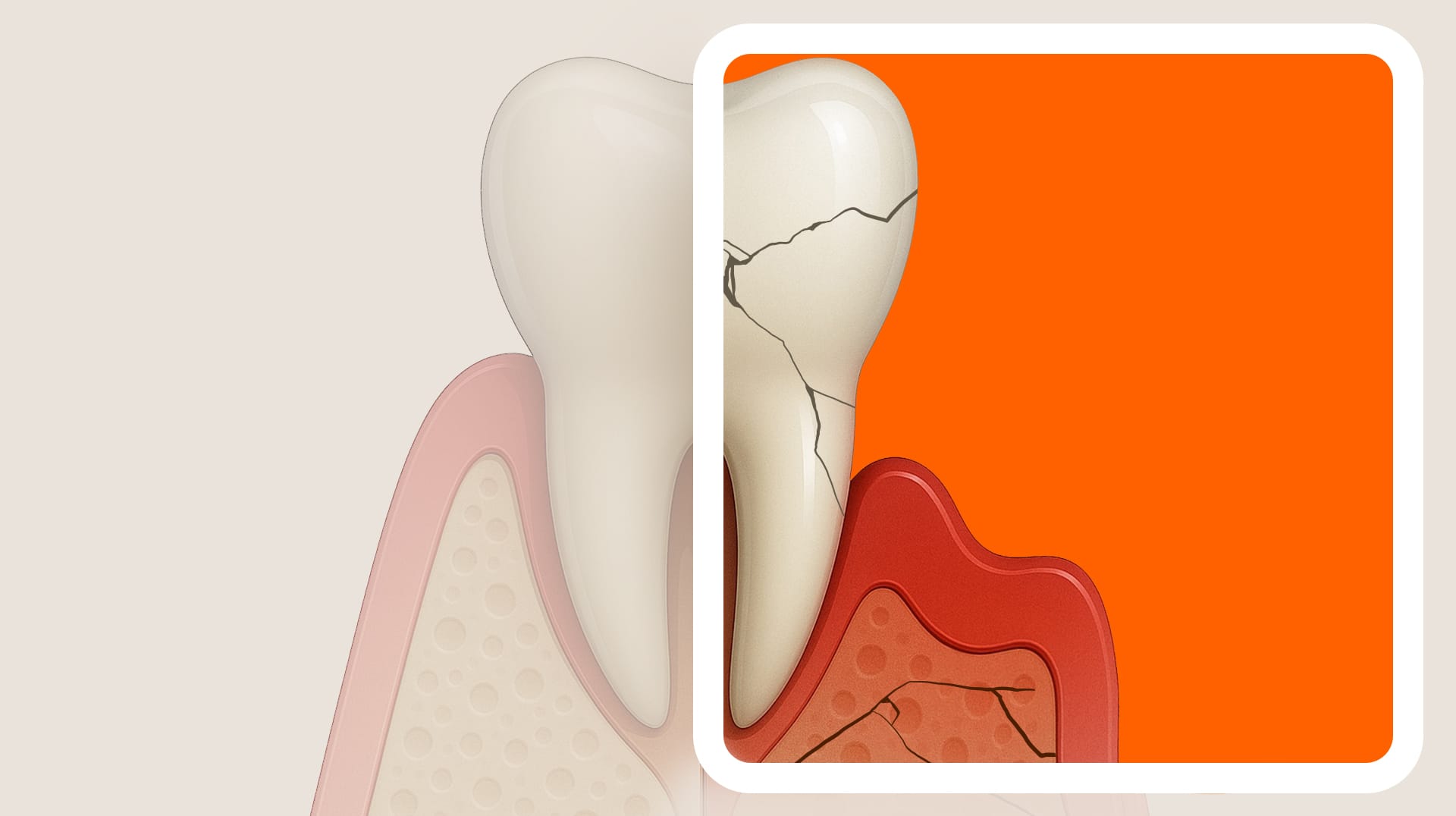
Dental implants are fixed by planting an artificial root into the jawbone. The most critical factor for success is having a sturdy and sufficient amount of jawbone for the implant to anchor into.
A "Bone Graft" is a procedure to supplement insufficient jawbone, creating a stable environment for the implant.
Who Needs a Bone Graft?
- Bone Resorption: Patients who waited a long time after extraction, causing the bone to shrink.
- Periodontitis: Severe gum disease that has dissolved the supporting bone.
- Anatomical Factors: Naturally thin or narrow jawbone.
- Sinus Proximity: In the upper jaw, if the maxillary sinus (hollow space) is too low, leaving no room for the implant (requires a Sinus Lift).
- Trauma: Damage to the jawbone due to accidents or injury.
2. What Happens if a Bone Graft Fails?
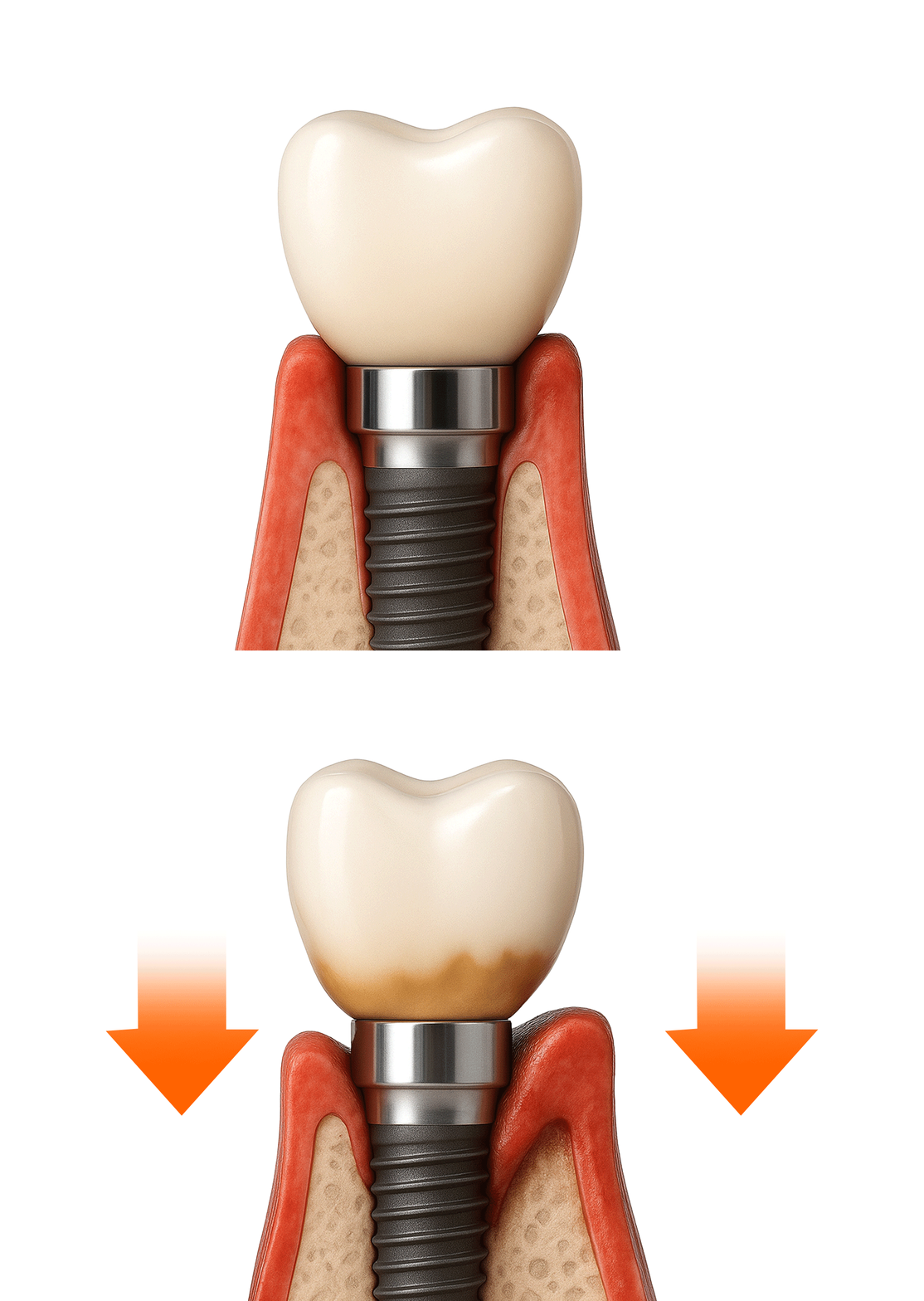
Bone graft failure occurs when the grafted material fails to fuse with the natural bone or is lost due to infection. If the foundation is weak, the implant will lose its support and become shaky, leading to a shortened lifespan for the entire restoration.
| Cause of Failure | Resulting Problem |
| 1. Implant Instability | The implant fails to anchor and eventually falls out. |
| 2. Spread of Infection | Inflammation develops into peri-implantitis, potentially dissolving the bone around healthy adjacent teeth. |
| 3. Sinus Complications | During upper jaw surgery, a sinus lift failure can cause a perforation (hole) in the sinus membrane, leading to chronic sinusitis. |
| 4. Increased Burden | Additional surgery is required after treating the infection, significantly increasing treatment time and costs. |
3. Why Do Bone Grafts Fail?
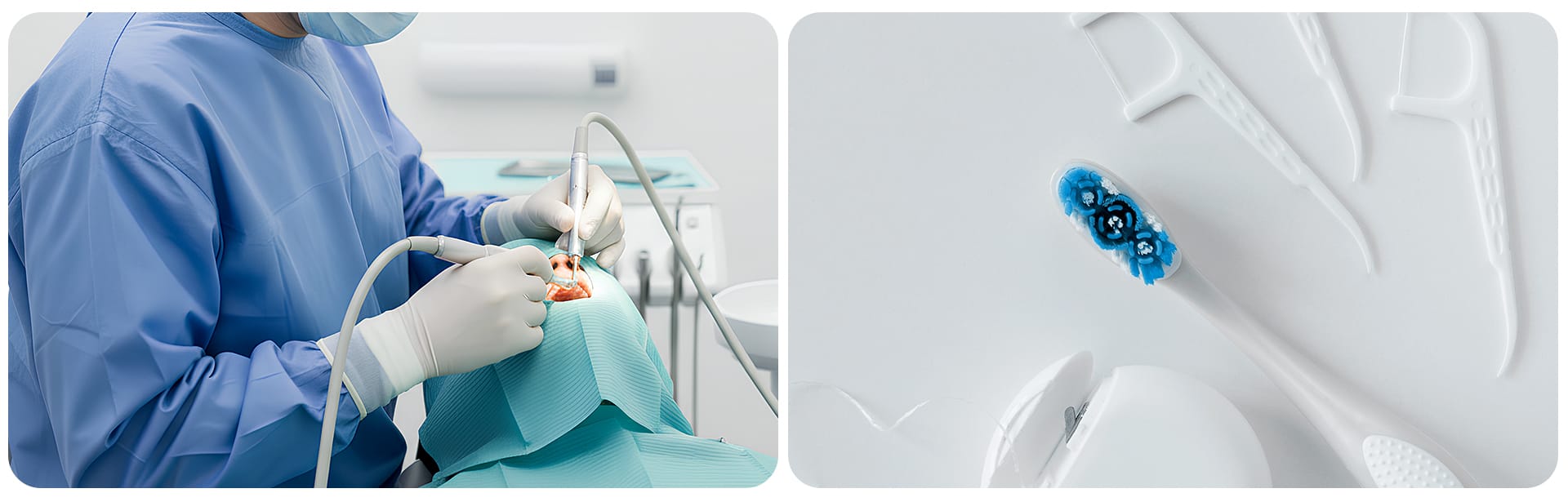
Success is a two-way street involving both the patient's effort and the medical team's expertise.
1) Patient Factors: Habits That Hinder Recovery
- Smoking: Restricts blood flow, preventing bone regeneration and drastically increasing the risk of infection.
- Poor Disease Management: Uncontrolled diabetes or high blood pressure hinders bone fusion due to decreased vascular function.
- Physical Irritation: Chewing hard foods, or touching the site with the tongue or fingers before it has set.
- Poor Oral Hygiene: Plaque buildup leads to inflammation and graft rejection.
2) Medical Factors: The Importance of Expertise
- Inaccurate Diagnosis: Failing to use 3D CT or using insufficient graft material.
- Improper Timing: Rushing the implant placement before the bone has fully recovered.
- Surgical Inexperience: Mishandling the sinus membrane during a lift or failing to treat a perforation immediately.
4. Management Tips to Increase Your Success Rate

It takes several months for graft material to transform into your own solid bone. Your management during this initial healing phase determines the fate of your implant.
| Category | Management Protocol |
| Smoking/Alcohol | Absolute cessation for at least 2 weeks (ideally 3 months). Smoking is the #1 cause of failure. |
| Dietary Habits | Eat soft foods and chew on the opposite side of the surgery. Avoid spicy or hot foods. |
| Hygiene | Use prescribed mouthwash; brush gently with a soft toothbrush. Avoid spitting or forceful rinsing. |
| Conditioning | Maintain your immune system with plenty of rest and sleep. Avoid excessive stress. |
| Prosthetics | If using temporary dentures, ensure they do not press down on the graft site. |
5. Frequently Asked Questions (FAQ)
Q. Does smoking even once after a graft cause failure?
While 'once' is a simplification, the risk is extremely high. Nicotine constricts blood vessels and prevents the essential flow of nutrients needed for bone regeneration. To prevent a shortened implant lifespan, complete cessation is the best policy.
Q. Is revision bone grafting harder than the first time?
Yes, it is more complex because damaged tissue and inflammation must be removed first. However, by analyzing the initial cause of failure and using advanced techniques, success rates for revision surgery remain high.
Q. How can sinus lift complications be minimized?
Precision is key. Using 3D CT to map the sinus structure and using specialized tools (like water-jet or ultrasonic devices) to gently lift the membrane can significantly reduce the risk of perforation.
Q. What is the most important care for full-mouth implant patients?
Since many implants are connected, infection in one area can spread. Daily use of interdental brushes and water flossers, combined with professional cleanings every 3–6 months, is the foundation of preventing peri-implantitis.

Implant success is not a matter of luck; it is a matter of preparation and care. By strictly eliminating risk factors like smoking and following clinical guidelines, you can ensure your bone graft provides a lifelong foundation for your new smile.
Sources
- Lindhe, J., & Lang, N. P. (Eds.). (2015). Clinical periodontology and implant dentistry (6th ed.). Wiley Blackwell.
- Misch, C. E. (2020). Dental implant prosthetics (3rd ed.). Elsevier/Mosby.
- Chrcanovic, B. R., Albrektsson, T., & Wennerberg, A. (2015). Smoking and dental implants: A systematic review and meta-analysis. Journal of Dental Research, 94(3), 476–483.
- Korean Academy of Oral & Maxillofacial Implantology (2022). Guidelines for Post-Op Complications.
※ The copyright for all content on this blog belongs to Medihi. Unauthorized copying, distribution, or derivative use is strictly prohibited, and violations may result in legal action without prior notice.
Recommended reads
 medihi