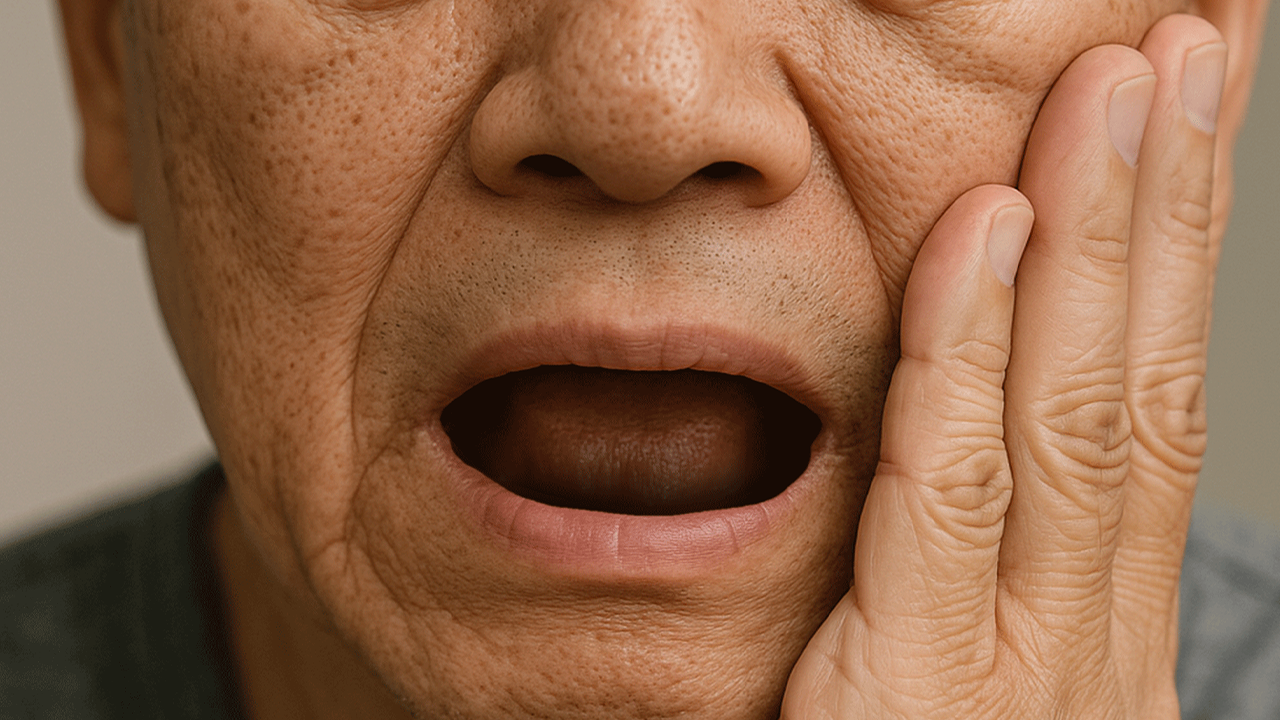

We explain the necessity of bone grafting, post-operative pain management, and the bone recovery process—from initial relief within 1 to 2 weeks to full integration over 3 to 6 months—all from the patient’s perspective.
“I’m told I need a bone graft because I lack jawbone... will it hurt a lot?”
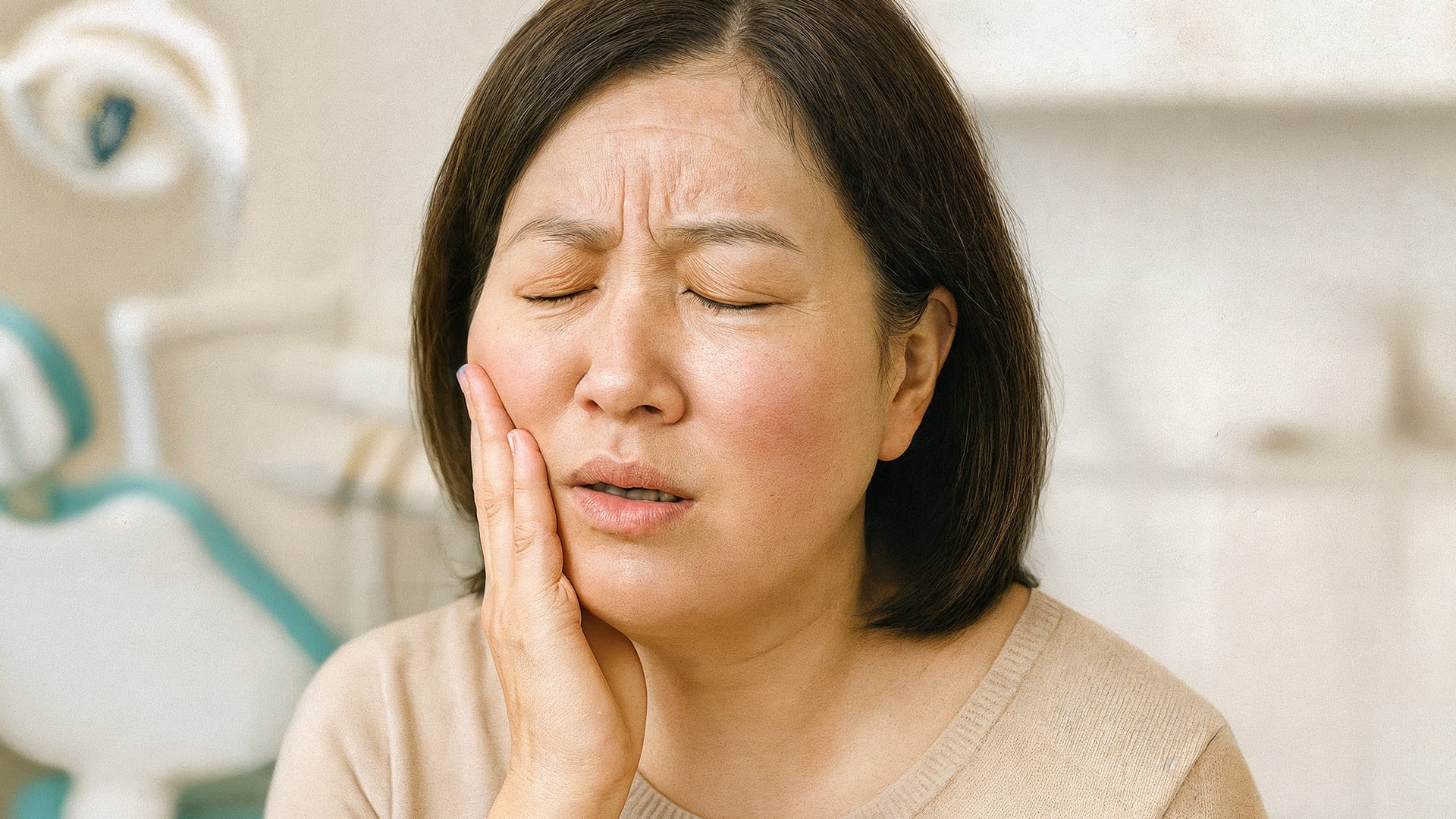
Many patients think, "Bone grafting = a painful surgery." However, the recovery process is actually more important than the pain itself. Today, we will honestly share the entire process and pain management methods following an implant bone graft. So, please, do not be anxious any longer.
1. What Happens Inside Our Bodies After an Implant Bone Graft?
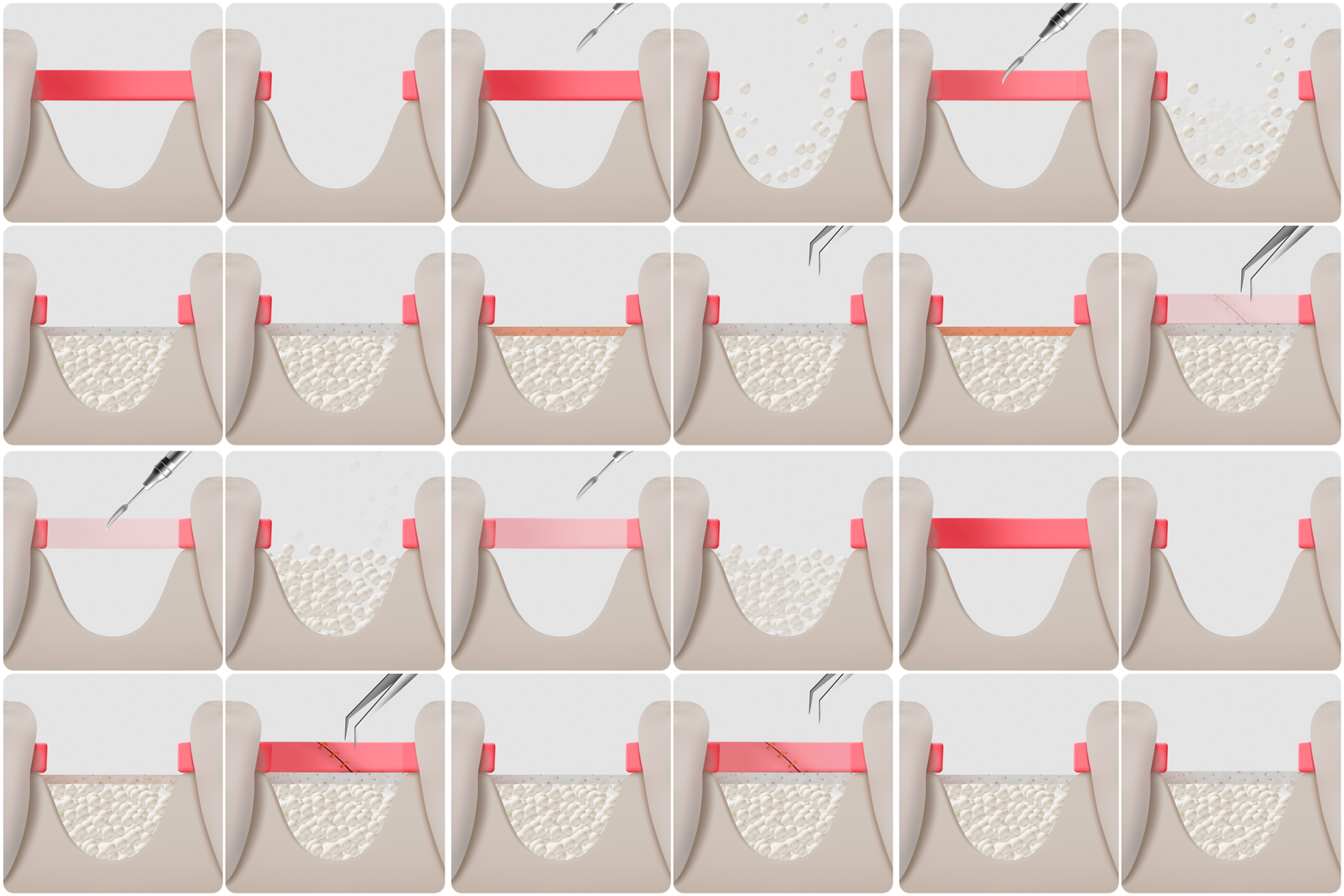
뼈이식은 우리 몸이 새로운 뼈를 스스로 만들어가는 생체 재생 과정입니다.
- Insertion of Graft Material
The gum is opened, and the deficient area is filled with autogenous bone or synthetic bone material.
- Blood Clot Formation (Days 1–7 Post-Surgery)
Blood coagulates to form a protective layer. This layer acts as a barrier against external irritation.
- Angiogenesis (Weeks 1–2)
New capillaries begin to form around the graft. These vessels supply oxygen and nutrients, creating a "fertile environment" for new bone cells to grow.
- Bone Formation (1 Month)
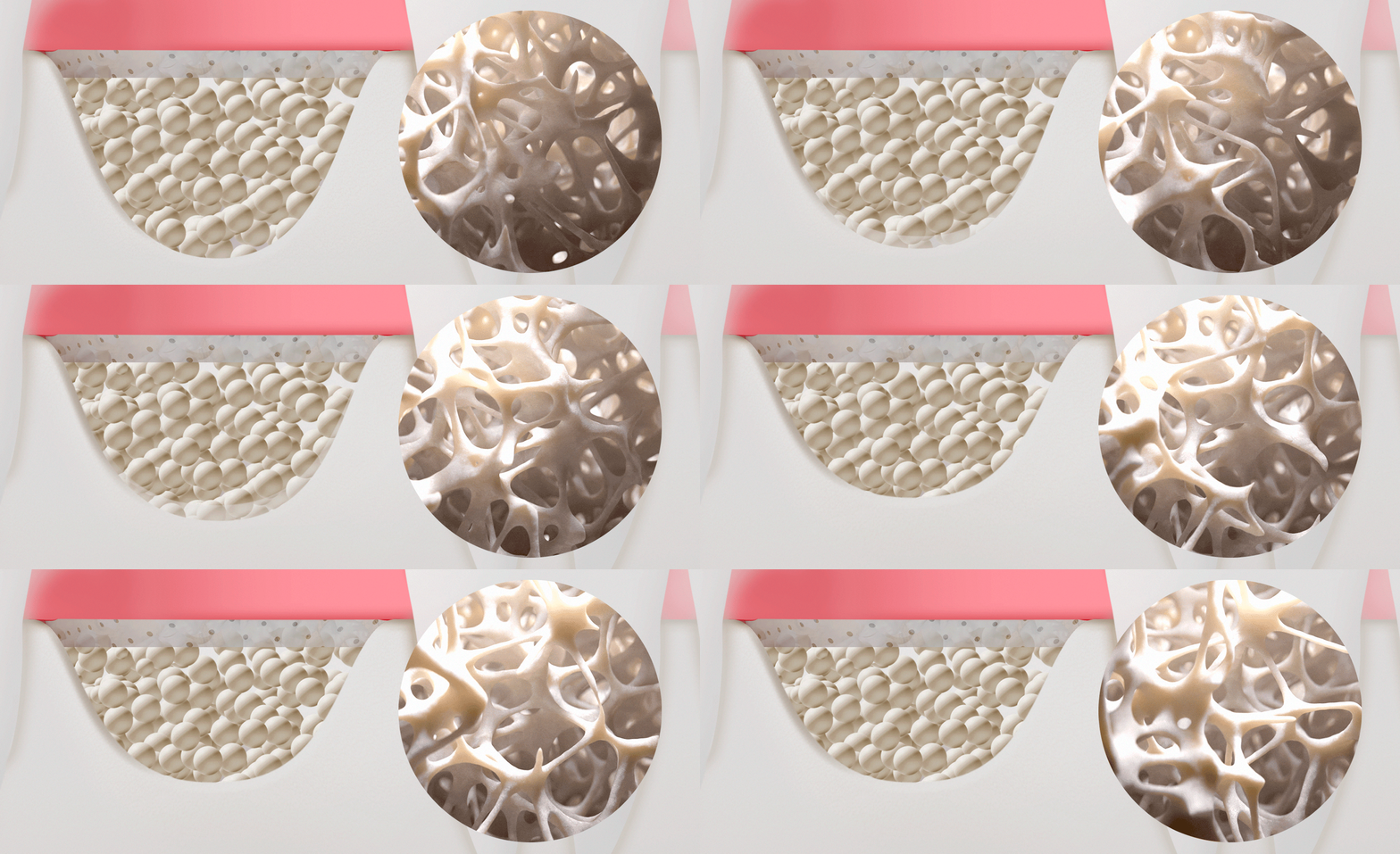
After a week, new bone cells begin to develop. They slowly replace the graft material through a process called ossification. During this time, discomfort and pain gradually fade as you feel the graft site integrating firmly with your jawbone.
- Osseointegration (3–6 Months) – The grafted bone and jawbone fuse firmly into one.
After about 3 to 6 months, the grafted bone and the original jawbone fuse perfectly into a single, solid tissue. At this stage, sufficient bone density and thickness are secured, establishing a sturdy foundation for the final goal: the placement of the dental implant.
2. Why Does Pain Occur and How Long Does It Last?
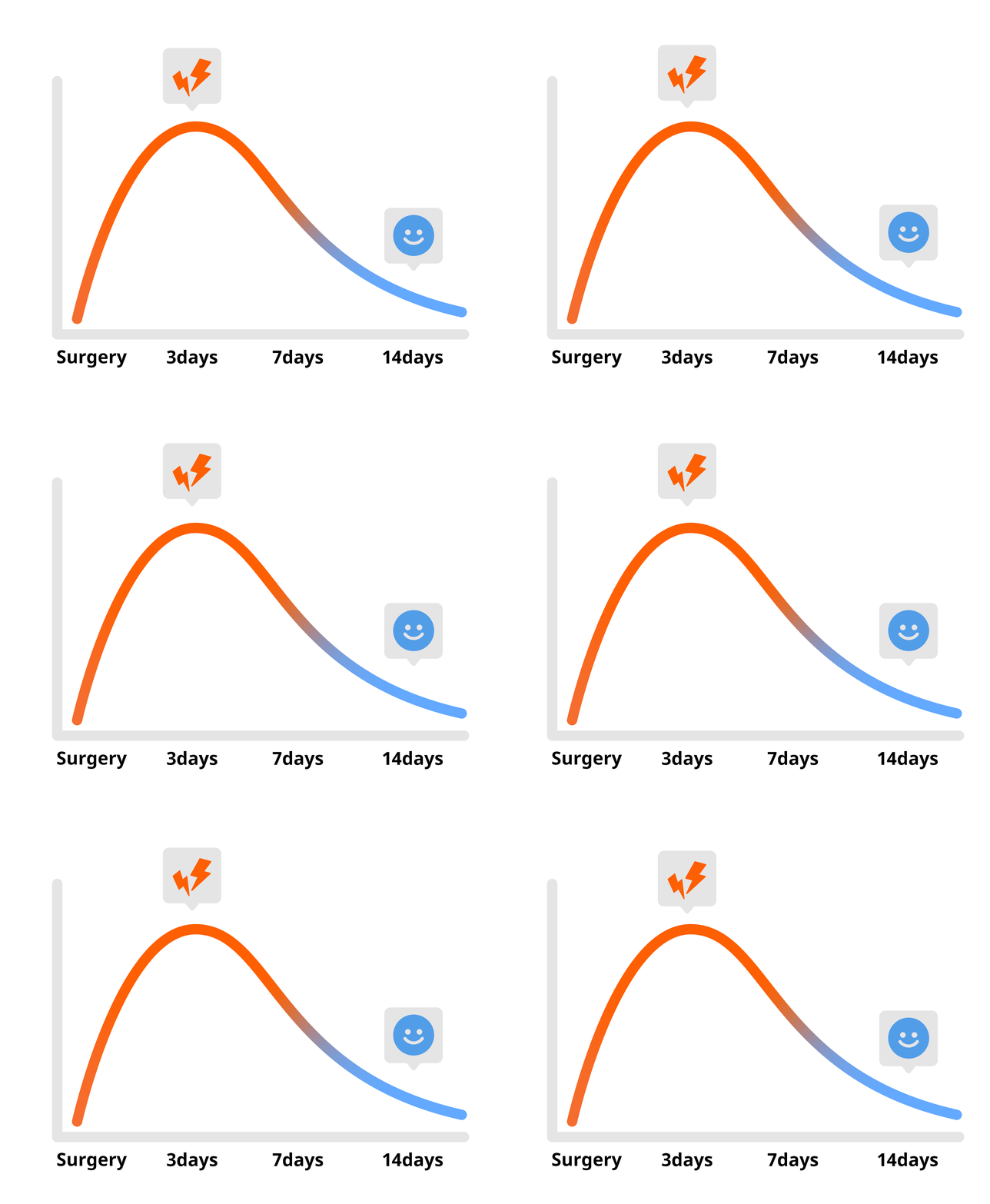
This is what most patients worry about the most.
To get straight to the point, the discomfort is typically most noticeable during the first 3 days and subsides quickly thereafter.
| Recovery Stage | Duration | Pain Level | Description |
|---|---|---|---|
| Initial Pain | Days 1–3 | ★★★★☆ | Period of blood clot formation and cell regeneration |
| Swelling Subsides | Days 3–7 | ★★☆☆☆ | Eased by cold compresses and medication |
| Stabilization | After 2 weeks | ★☆☆☆☆ | Daily life is possible; only light tension is felt |
However, you should contact the clinic immediately for a check-up if you experience the following symptoms:
- Continuous bleeding at the surgical site
- Severe redness or increasing swelling around the graft area
- Discharge or pus
- High fever or severe facial swelling
- Extreme pain that is not controlled by prescribed medication
3. How to Manage and Reduce Pain?
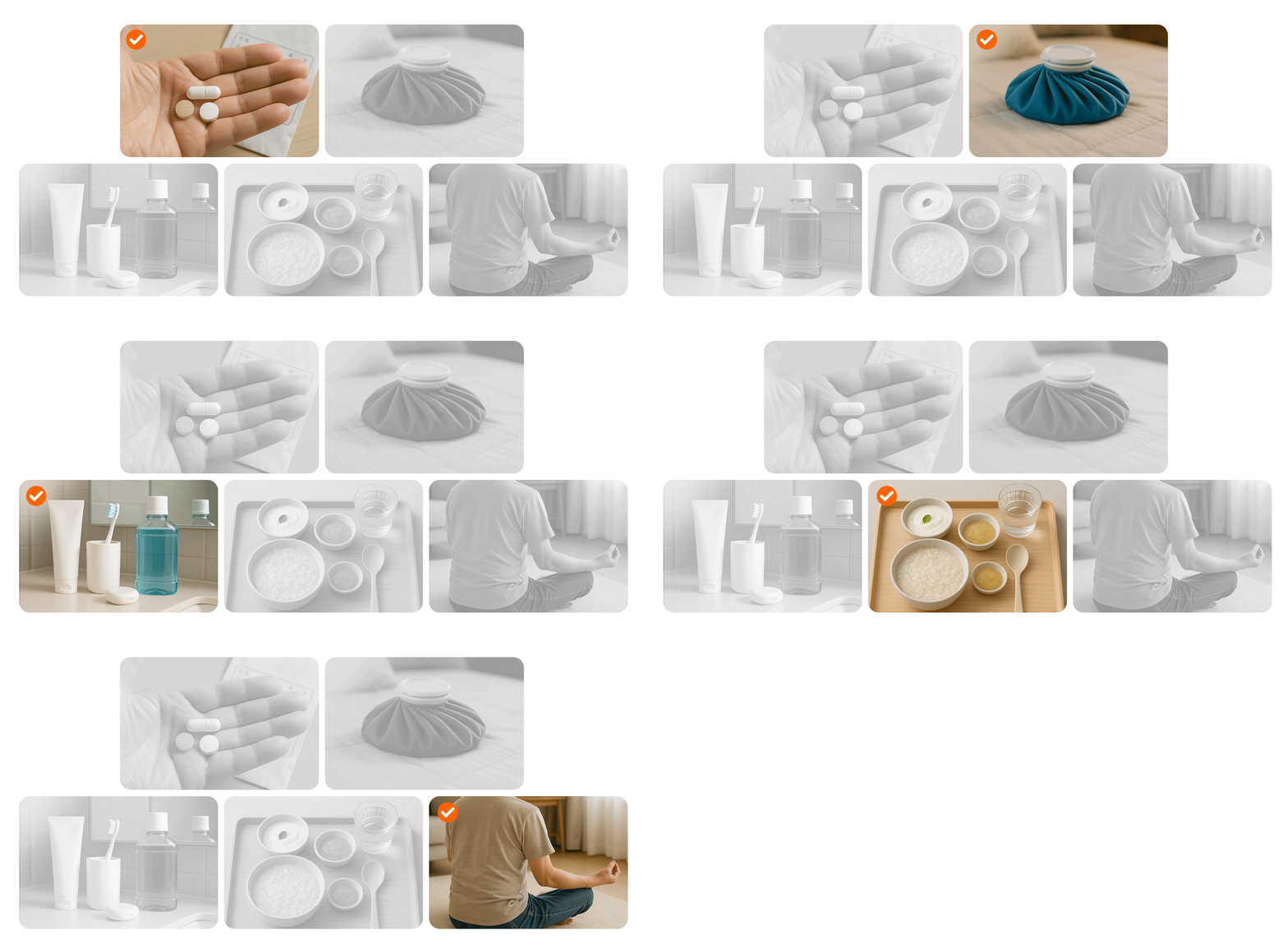
Proper post-operative care significantly reduces pain. Please follow these five rules:
- Follow the Prescription Exactly
Take the antibiotics and pain relievers prescribed by the clinic exactly as directed. Antibiotics for infection prevention must be finished even if you have no symptoms. Pain relievers are also more effective when taken before the pain becomes severe.
- Timing of Cold and Warm Compresses
For the first 24 hours, repeat 20 minutes of cold packs followed by 20 minutes of rest. This is highly effective for reducing swelling and pain. After 24 hours, switch to warm compresses to aid blood circulation.
- Oral Hygiene Management
Initially, brush carefully to avoid touching the surgical site. Use the antimicrobial mouthwash we prescribed, and maintain regular care for the rest of your teeth.
- Dietary Management During Recovery
For the first few days, eat soft foods like yogurt, porridge, or soup. It may sound cliché, but nutritious food is a huge help in recovery. We also recommend smoothies rich in protein and vitamins.
- Sufficient Rest
Avoid strenuous exercise or overexertion for about 2 weeks. It is important to get plenty of rest so your body can focus on healing.
4. Frequently Asked Questions (FAQ)
Q. When can I start eating regular food?
Pain is most severe between 1 and 3 days post-surgery, but most of it subsides within 1 to 2 weeks. After 2 weeks, discomfort is significantly reduced, and you enter a stage focused on recovery. Management is possible with prescribed medication and cold compresses.
Q. When can I start smoking?
Bone grafting requires a process called 'osseointegration,' where the graft and jawbone fuse into one. This process varies by individual, but on average, a recovery period of 3 to 6 months is needed, after which the implant can be placed.
Q. Is the success rate of bone grafting high?
It is important to take prescribed antibiotics and pain relievers as directed and to consistently use cold packs for the first 24 hours. Additionally, avoiding strenuous exercise and overexertion for at least 2 weeks and getting sufficient rest are crucial for a successful bone graft.
Q. When can the implant be placed?
Bone grafting is not just about pain; it is a 'biological regeneration process' where the body creates new bone. The final goal of this process is to secure the density and thickness of the bone to firmly support the implant.
An implant bone graft is not a surgery to fear, but a process of restoration that revives your jawbone. After a wait of 3 to 6 months, a solid and healthy foundation for your teeth will be complete. While discomfort is temporary, the smile you regain is designed to last with ongoing care.
Sources
- Korean Academy of Prosthodontics. (2023). Implant Procedure Guidelines.
- Korean Academy of Periodontology. (2022). Clinical Research on Bone Grafting and Tissue Regeneration.
- Albrektsson, T. et al. (2020). Osseointegration in clinical implant dentistry. J Clin Periodontol.
※ The copyright for all content on this blog belongs to medihi. Unauthorized copying, distribution, or derivative use is strictly prohibited, and violations may result in legal action without prior notice.
Recommended reads
 medihi