

For those confused or concerned about the varying costs of dental implants, this guide presents the core reasons for price differences and provides a framework for selecting a reasonable dental clinic.
"Clinic A quotes $800, but Clinic B says $250?"
"Why is there such a huge gap? Is it safe to go to a cheaper place?"
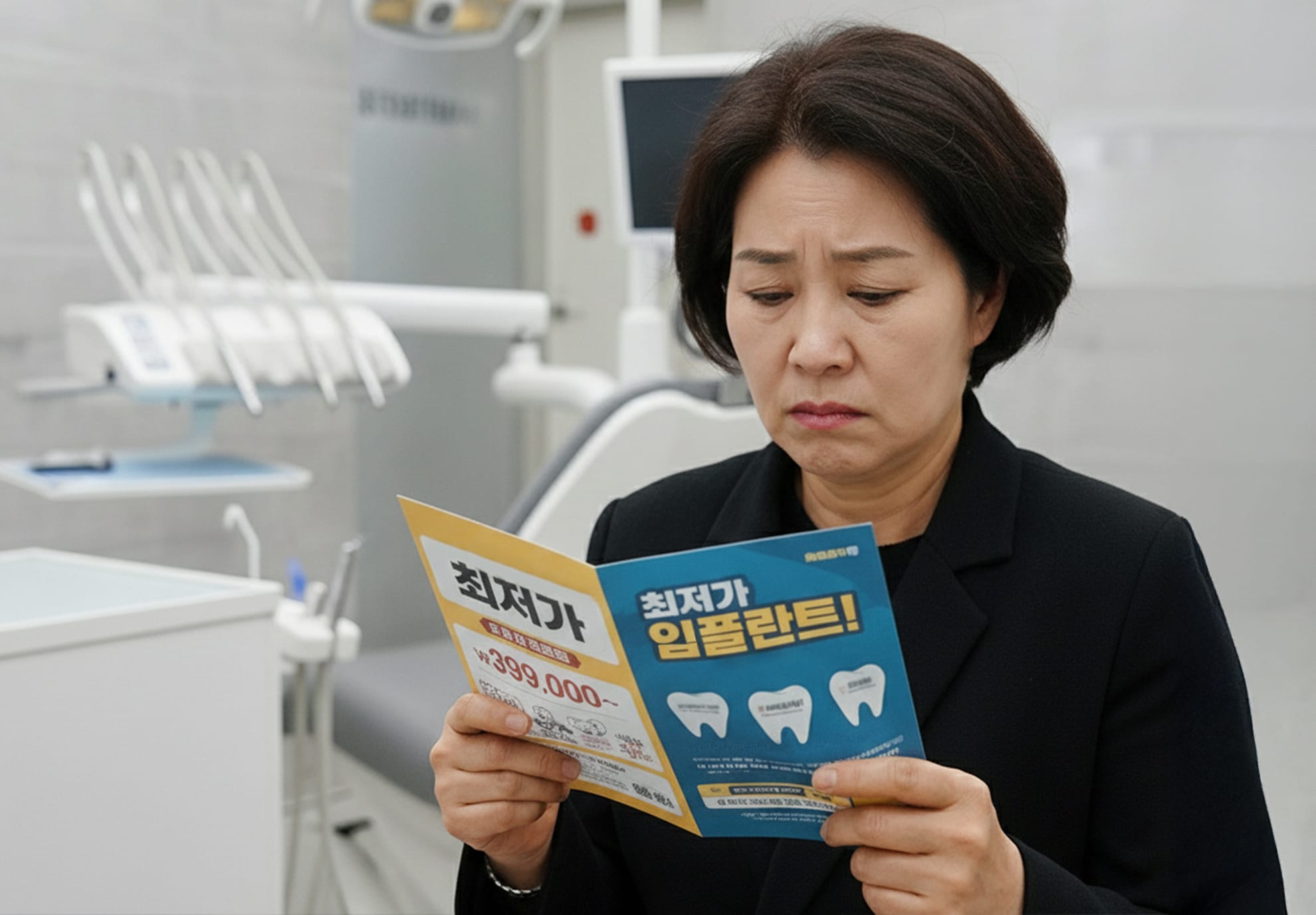
Many people find themselves visiting multiple clinics because they cannot easily decide on a treatment due to these price discrepancies.
According to recent data, while the average cost of a dental implant can be around $1,000 to $1,500, some areas show prices ranging from as low as $400 to as high as $4,000—a nearly tenfold difference.
While a low-cost dental implant is certainly attractive, choosing based solely on price can often lead to significant complications. Today, we will provide detailed information regarding dental implant costs to help you make an informed decision.
1. Dental Implant Costs: The Visible Price Is Not Everything

Why does the cost vary so much from one clinic to another? There are several complex reasons. Many people think of "implant cost" only as the price of the materials, but it actually includes various components.
[Factors Affecting Dental Implant Costs]
- Private Pricing: Clinics set their own prices for non-insured treatments.
- Various Components: Includes materials, surgical fees, operating expenses, and aftercare.
- Clinical Expertise: The experience and skill level of the dentist are reflected in the price.
- Marketing Strategies: Some clinics use low-cost advertisements to attract patients.
In addition to material costs, the total includes the laboratory fees for creating the implant prosthesis, the surgical fee for the doctor’s skill and technique, general hospital operating costs, and long-term maintenance fees.
Especially for treatments not covered by standard health insurance, there is no government-mandated price. Therefore, each clinic determines its own pricing structure autonomously. While specific age groups in some regions may receive insurance benefits for a limited number of implants, the price for the general population naturally varies based on the clinic's specific value proposition.
2. What Factors Determine the Price of Dental Implants?
1) Differences in Implant Materials and Types
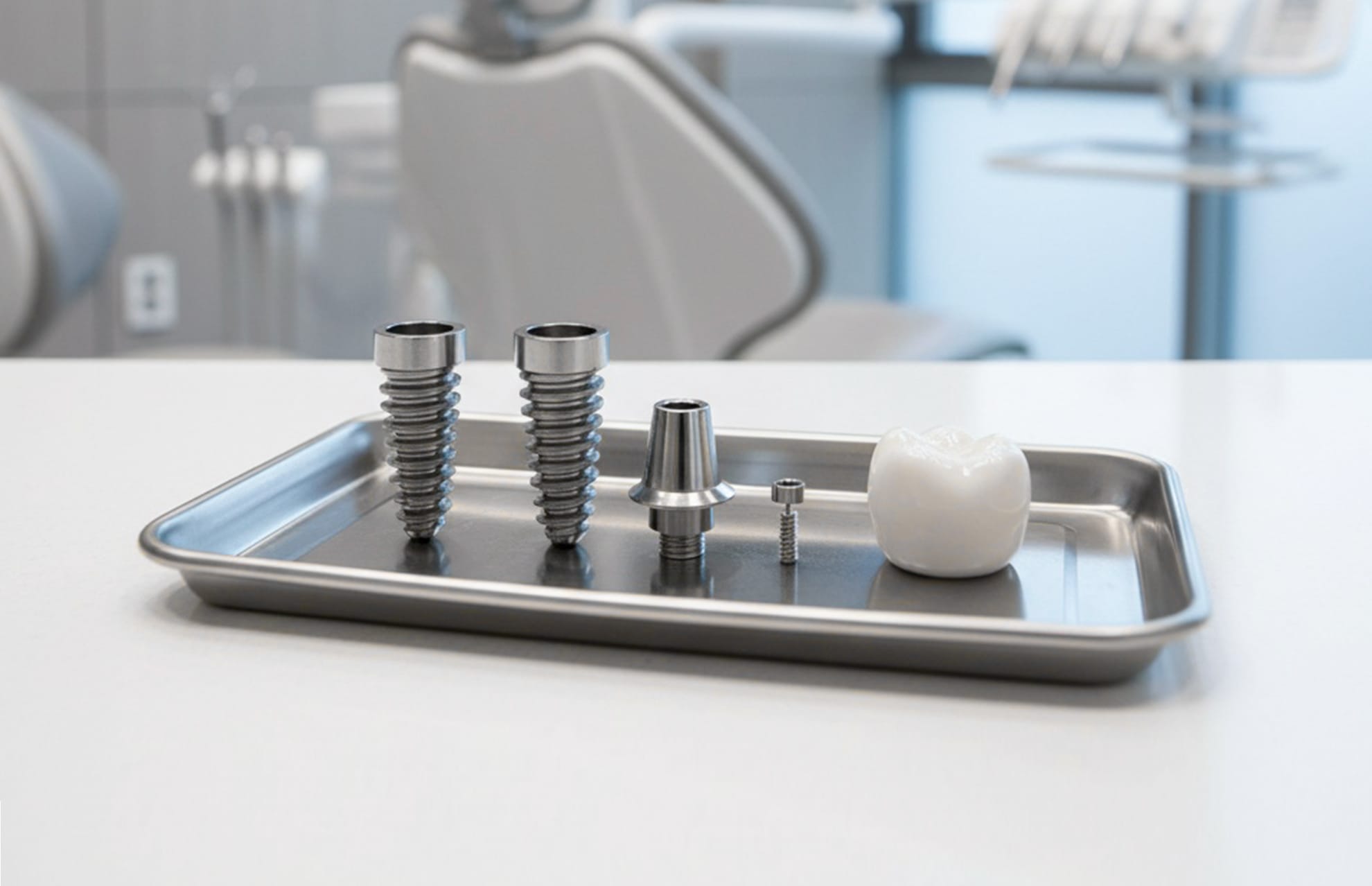
There are hundreds of implant brands available, generally categorized into domestic and premium international brands.
[Comparison of Implant Brand Pricing and Characteristics]
| Category | Leading Brands | Price Range | Characteristics |
|---|---|---|---|
| International | Straumann | $1,200–$2,500+ | Global leader, durability |
| Astra, Branemark | $1,300–$2,200 | High precision | |
| Domestic /Value | Osstem, Dentium | $700–$1,200 | High market share |
| Neo, Mega, Dio | $600–$1,000 | Cost-effective |
Domestic brands such as Osstem and Dentium offer high technological standards and satisfactory results for most cases at a reasonable price.
Conversely, premium international brands like Straumann (Switzerland) or AstraTech (Sweden) command higher prices based on decades of clinical data and prestigious reputations.
Recently, UV-treated implants—which encourage faster bone fusion—are frequently used, though they may carry a higher price point than standard options.
2) Differences in Implant Crowns
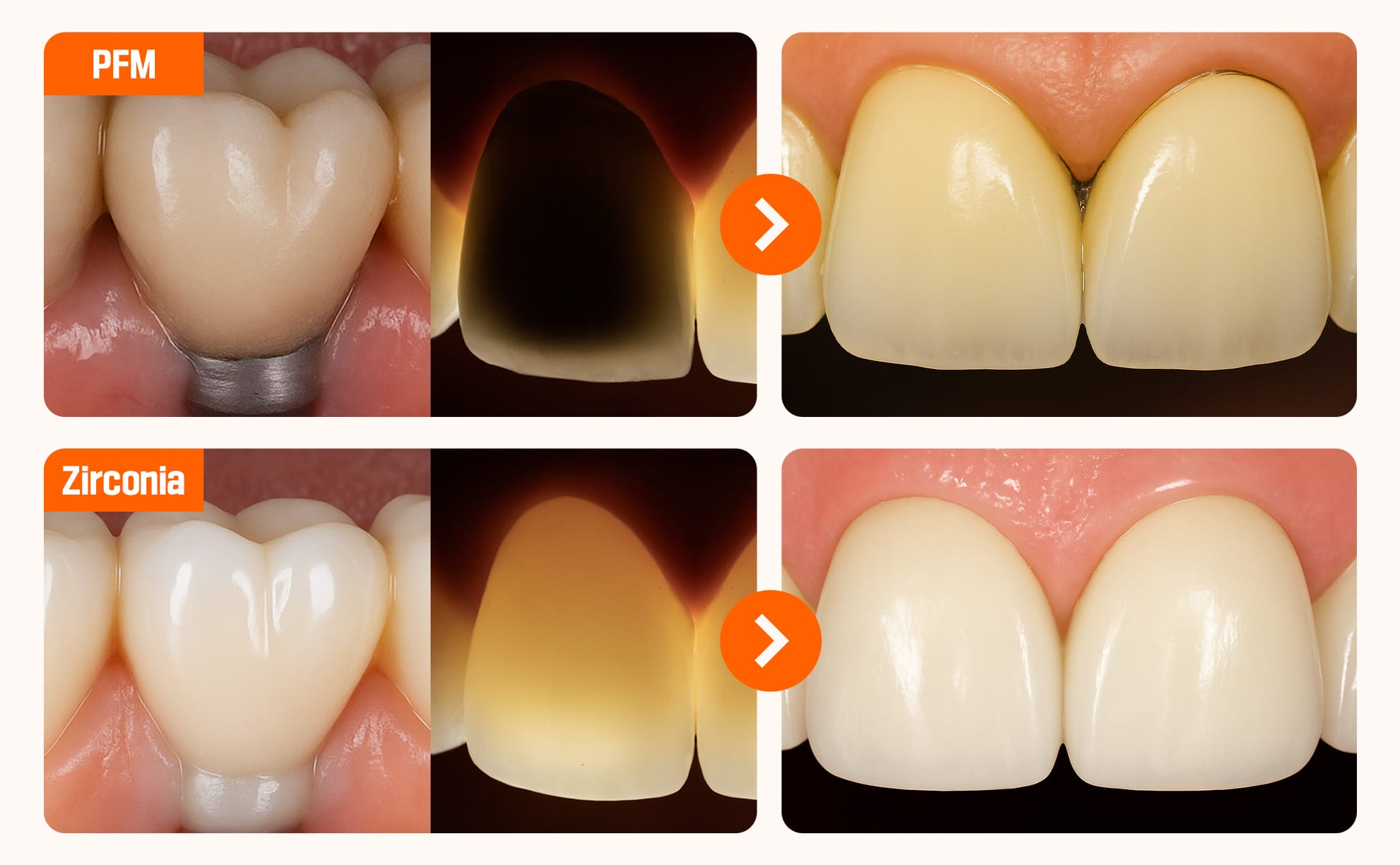
The material used for the tooth (crown) placed on top of the implant also affects the price. While gold was common in the past, Zirconia is now the preferred choice due to its tooth-like color and superior strength.
Zirconia is often priced higher than PFM (Porcelain Fused to Metal) but offers the advantage of being highly aesthetic—resembling natural teeth—and exceptionally durable.
3) Necessity of Additional Surgeries
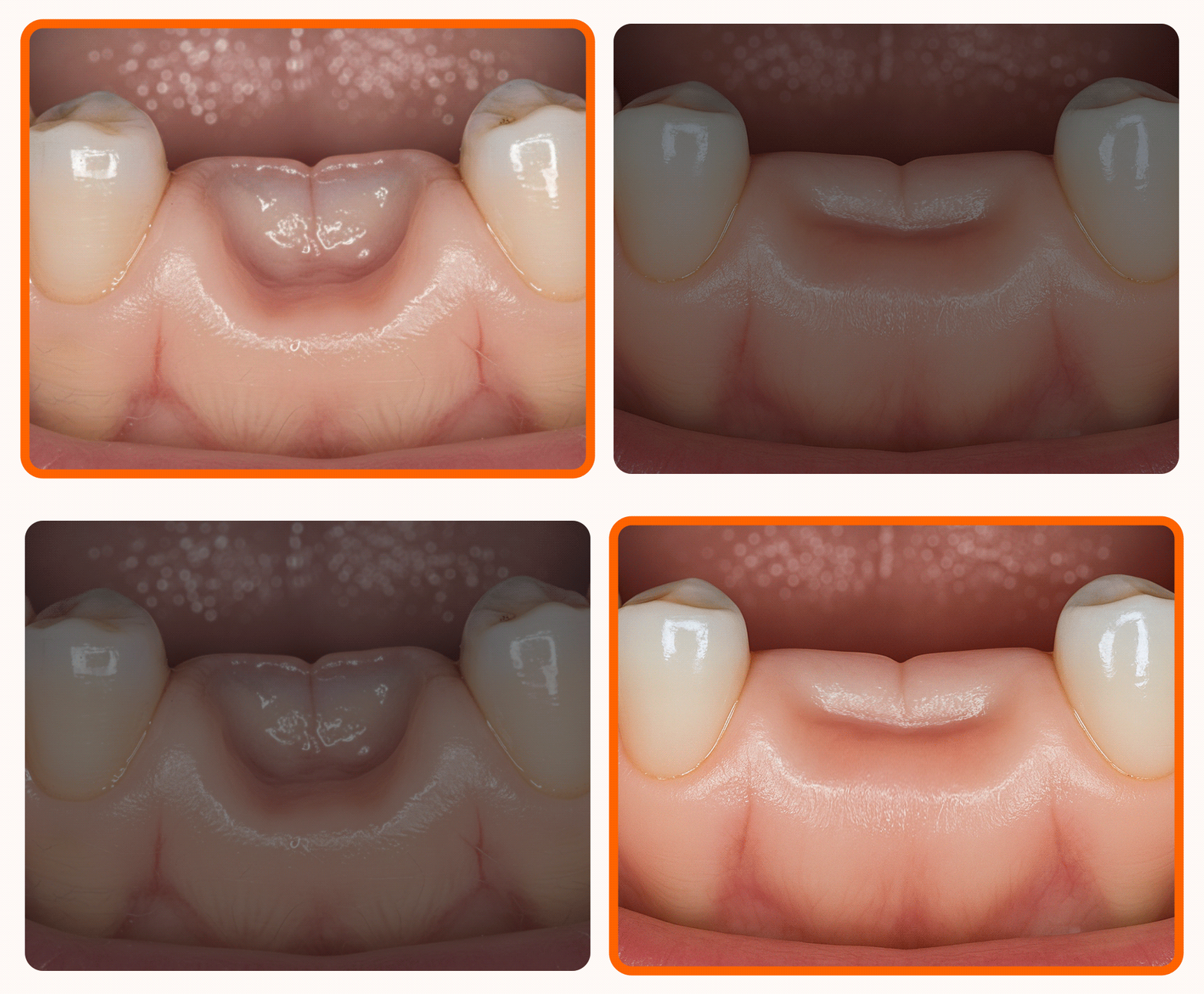
Successful implants require healthy jawbone for support. However, many patients lack sufficient bone due to gum disease or long-term tooth loss. In these cases, additional procedures such as bone grafting or sinus lifts are required.
These surgeries involve higher technical difficulty and separate costs, which can increase the overall price. Patients should be cautious of clinics that advertise low initial prices but then require significant additional fees after diagnosis.
4) Clinical Experience and Aftercare
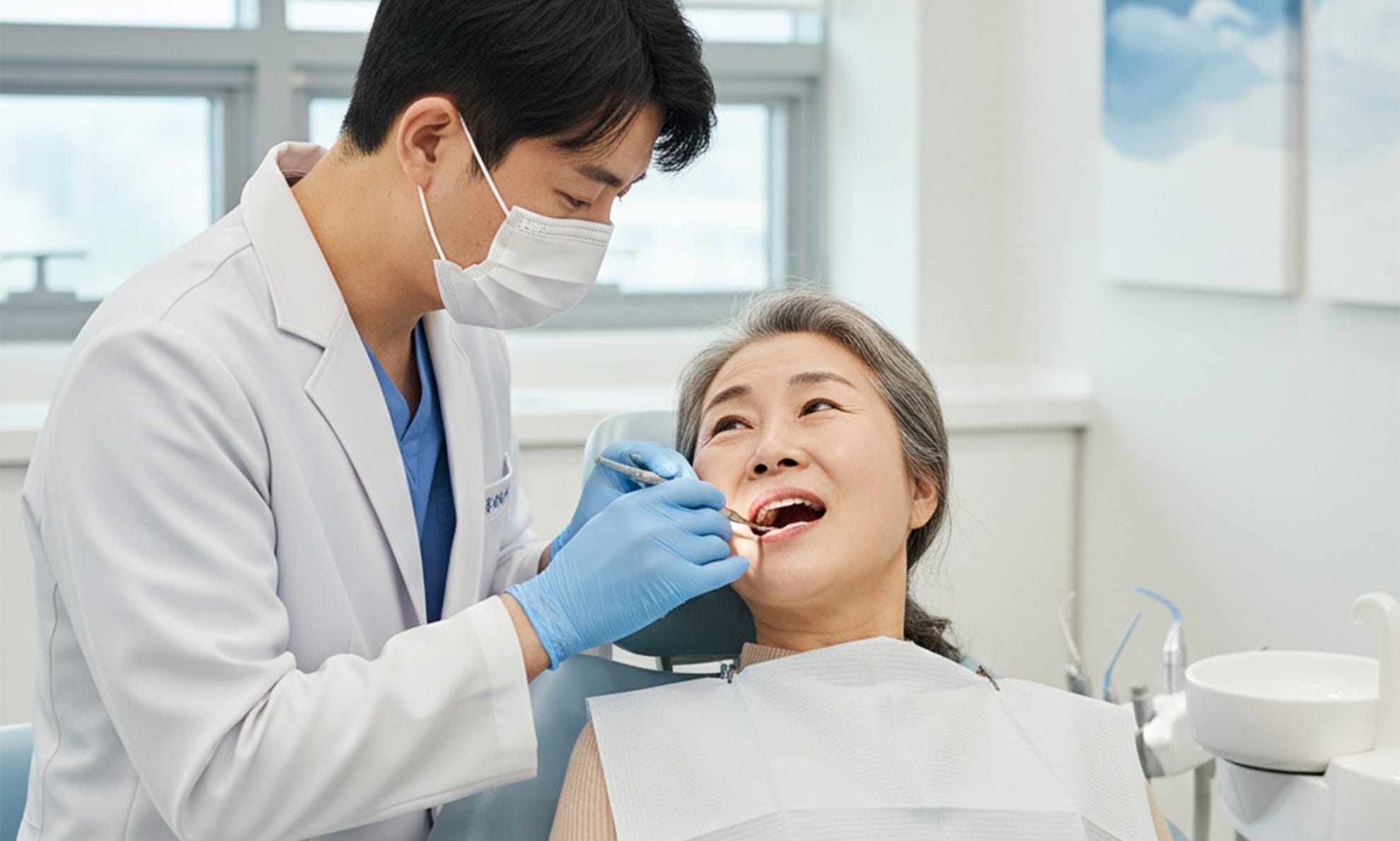
Ultimately, "who" performs the procedure is the most important factor. The success of an implant is heavily influenced by the dentist's experience and skill. An experienced doctor can accurately diagnose the gum condition, respond flexibly to unexpected situations, and minimize patient discomfort by shortening the procedure time. This expertise is naturally reflected in the cost.
Furthermore, implants require ongoing maintenance. Neglecting regular check-ups can lead to peri-implantitis, which may result in the need for revision surgery. Therefore, you should choose a clinic with a clear warranty policy and a commitment to long-term management. Be wary of extremely low-cost clinics that offer short or no warranty periods.
3. Standards for Choosing a Clinic with Reasonable Costs
So, what is a reasonable cost for a dental implant? While prices vary by region, it is risky to choose a clinic based on price alone. As discussed, costs are a combination of various complex factors. Since an implant is a long-term investment in your health, you must carefully evaluate the doctor's experience and the clinic's aftercare system as much as the price.
[Checklist for Finding Reasonable Implant Care]
| Item | What to Confirm |
|---|---|
| Clinical Experience | Check dentist's experience and practice history in one location. |
| Accurate Diagnosis | Use of 3D CT and avoiding over-treatment through multiple consultations. |
| Aftercare System | Clear warranty period and regular check-up schedules. |
| Comprehensive Consultation | Detailed explanation of your condition and treatment plan. |
4. Frequently Asked Questions (FAQ)
Q. Are low-cost dental clinics untrustworthy?
You cannot generalize that they are untrustworthy. However, clinics advertising excessively low prices may use lower-quality materials or demand additional hidden fees. It is recommended to get consultations at various clinics and choose a place that clearly explains the reasons for its pricing. Most importantly, ensure they prioritize long-term aftercare.
Q. Is there significant pain or discomfort after surgery?
Modern dentistry utilizes various methods to minimize discomfort and bleeding. Specifically, digital implants—which use 3D CT and advanced guides to place implants via a minimally invasive approach—are designed to minimize discomfort and shorten recovery time. The level of comfort also depends on the dentist's proficiency.
Q. Is the cost of bone grafting included in the implant price?
Bone grafting is an additional procedure performed separately from the implant placement. Therefore, it is typically not included in the base price and is billed separately. You should confirm during your consultation whether a bone graft is necessary and what the additional costs will be.
Q. How long can I use a dental implant?
With consistent care, dental implants are designed to last long-term. However, neglect can lead to inflammation (peri-implantitis) around the site. Maintaining a healthy implant for a long duration depends on regular dental check-ups and proper oral hygiene.

A dental implant is a significant treatment designed to last for a decade, two decades, or even longer with ongoing care. Therefore, rather than deciding based solely on cost, you should carefully choose a clinic where you can trust your teeth to be handled with expertise. Setting an optimal treatment plan tailored to each patient's oral condition and lifestyle is the first step toward successful implant treatment.
Sources
- Ministry of Health and Welfare, Non-insured Medical Expense Disclosure System. 2024.
- American Dental Association (ADA), "Dental Implants: Are They Right for You?". 2023.
- Health Insurance Review and Assessment Service (HIRA), Information on Non-insured Medical Expenses. 2024.
※ The copyright for all content on this blog belongs to medihi. Unauthorized copying, distribution, or derivative use is strictly prohibited, and violations may result in legal action without prior notice.
Recommended reads
 medihi