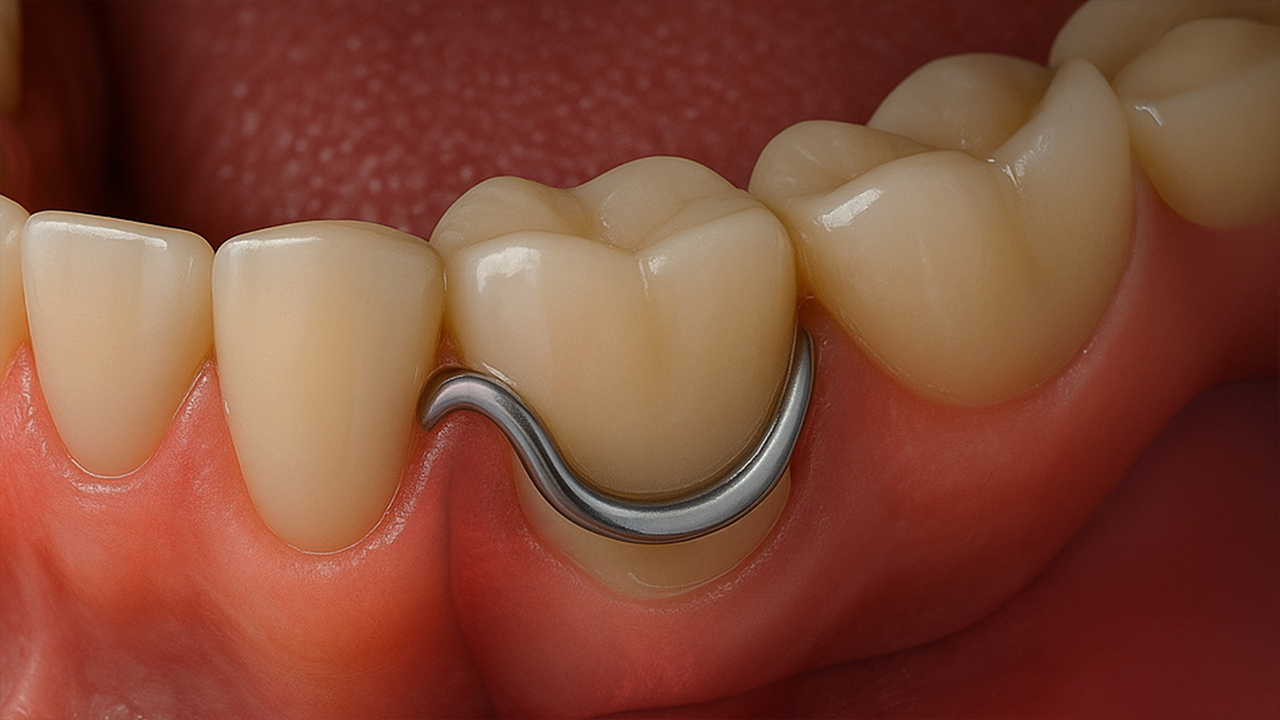

We solve your dilemma in choosing the right implant crown. Check out the pros, cons, costs of PFM, Zirconia, and Gold, and get expert tips for making a wise decision at a glance.
"There are so many types of crowns for implants. Which one should I choose?"
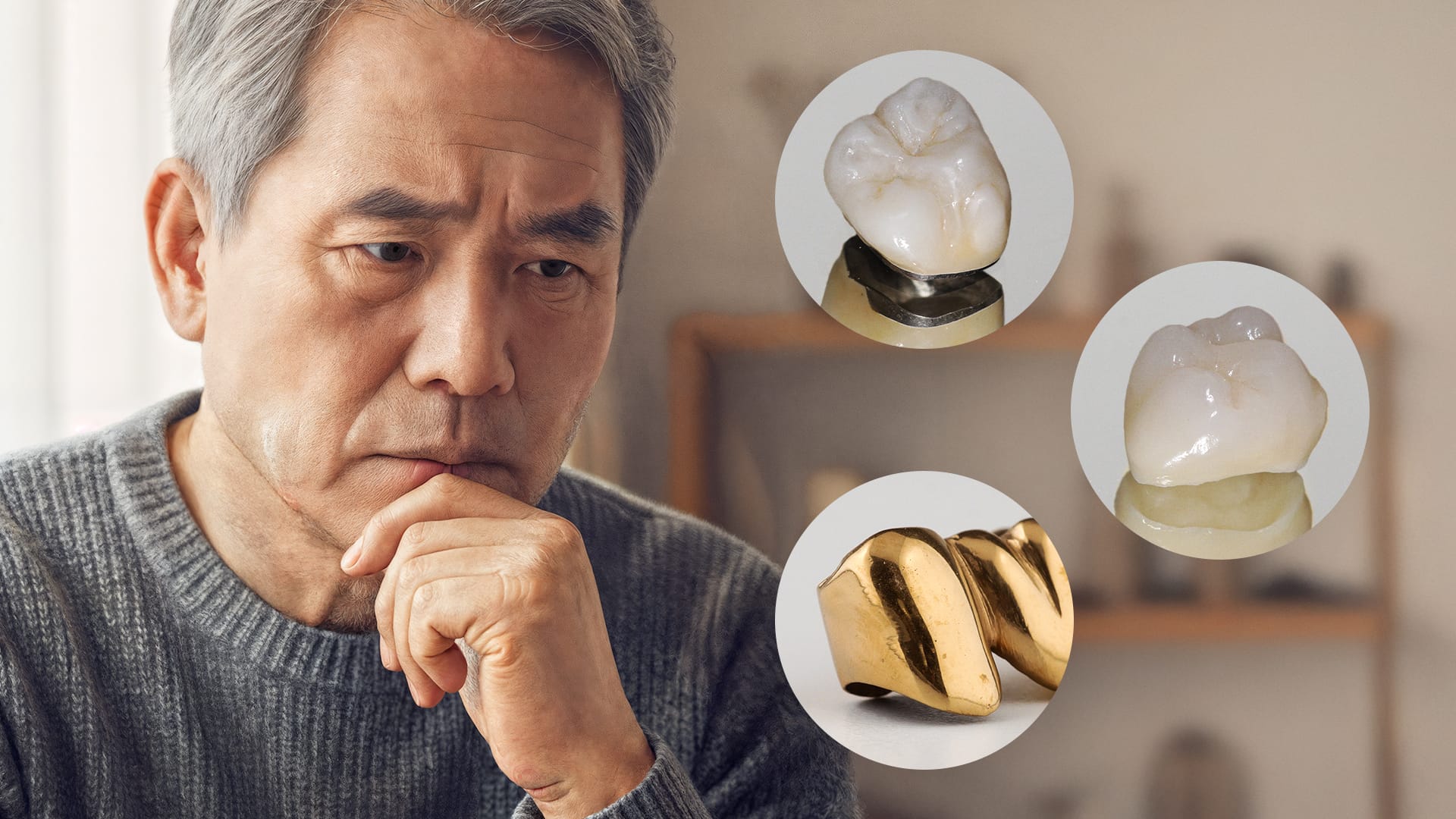
Are you worried about which crown material to pick for your upcoming implant? Especially for edentulous patients (those missing all teeth), choosing the right material can feel overwhelming.
In this guide, we will break down the core concepts of implant crowns, their pros and cons, cost ranges, and selection criteria tailored to your specific situation.
1. Why is the Implant Crown So Important?
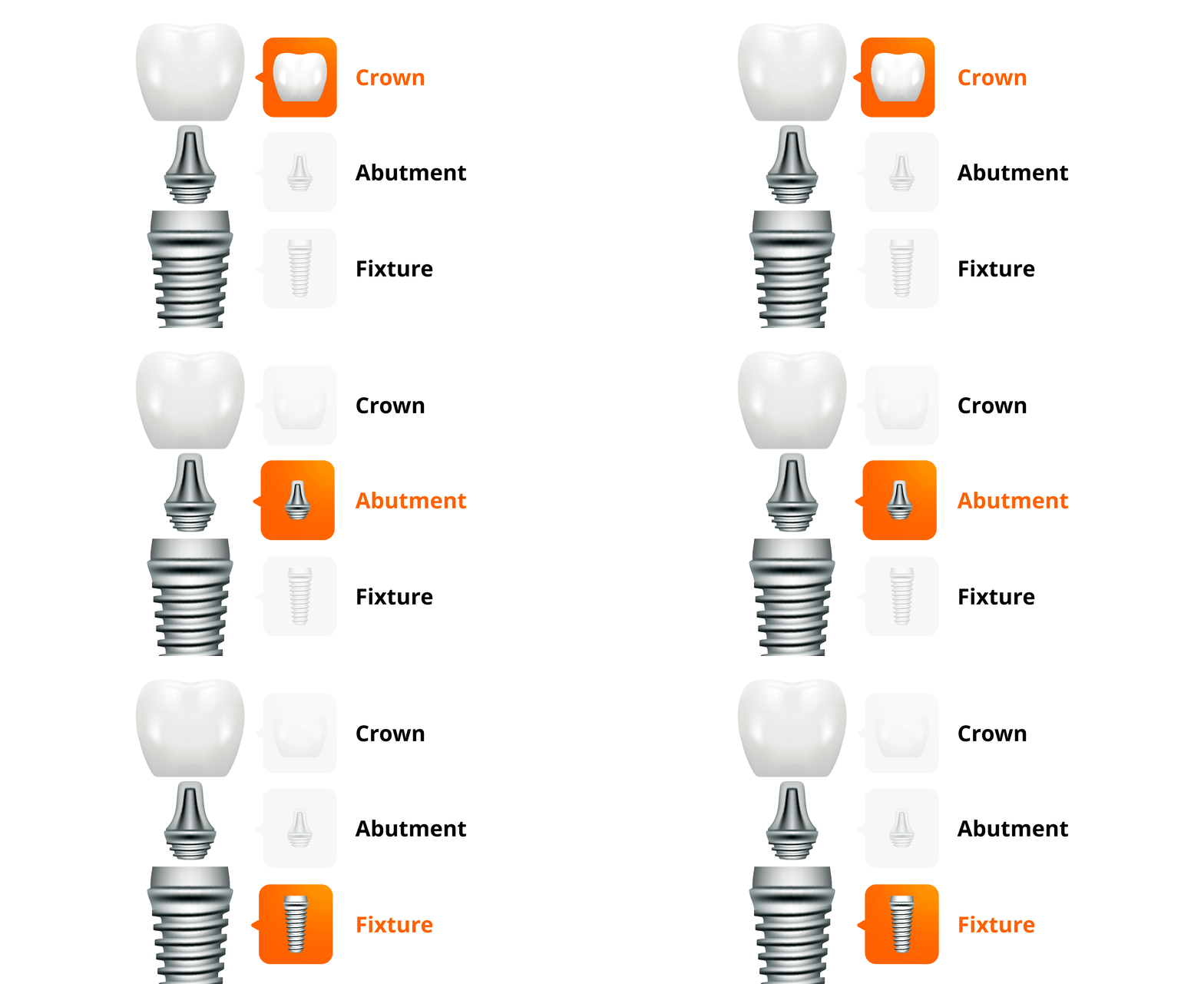
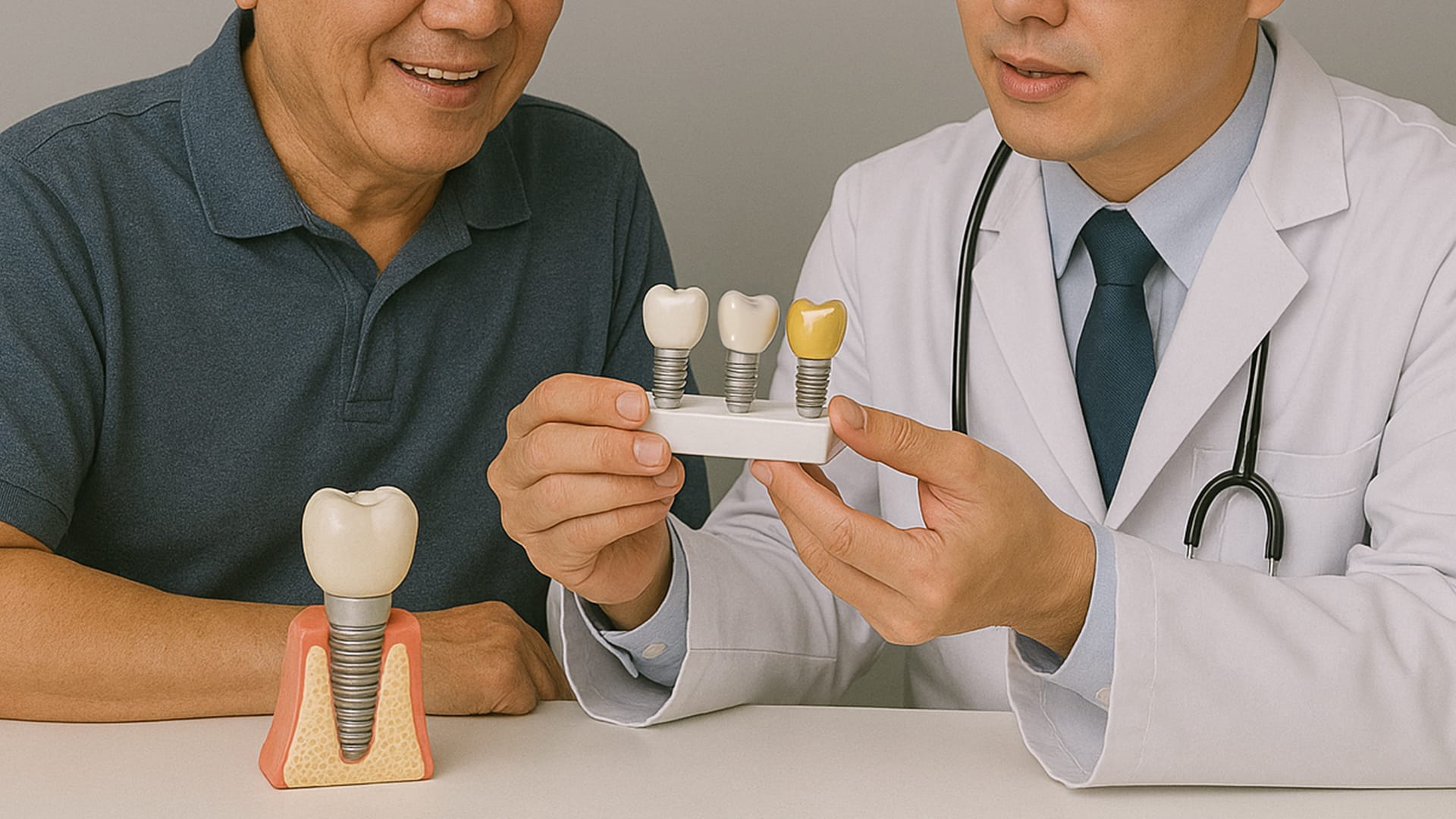
An implant replaces a missing tooth and consists of three main parts:
- Fixture: The artificial root implanted into the jawbone.
- Abutment: The connector between the fixture and the crown.
- Crown: The visible part that functions as the tooth head.
In cases like full-mouth (full-arch) implants, where multiple teeth are connected or must withstand significant chewing force, the strength and durability of the crown become even more critical. While you might focus only on the ability to chew, selecting the right crown is essential for long-term oral health.
2. Pros and Cons of Implant Crown Materials
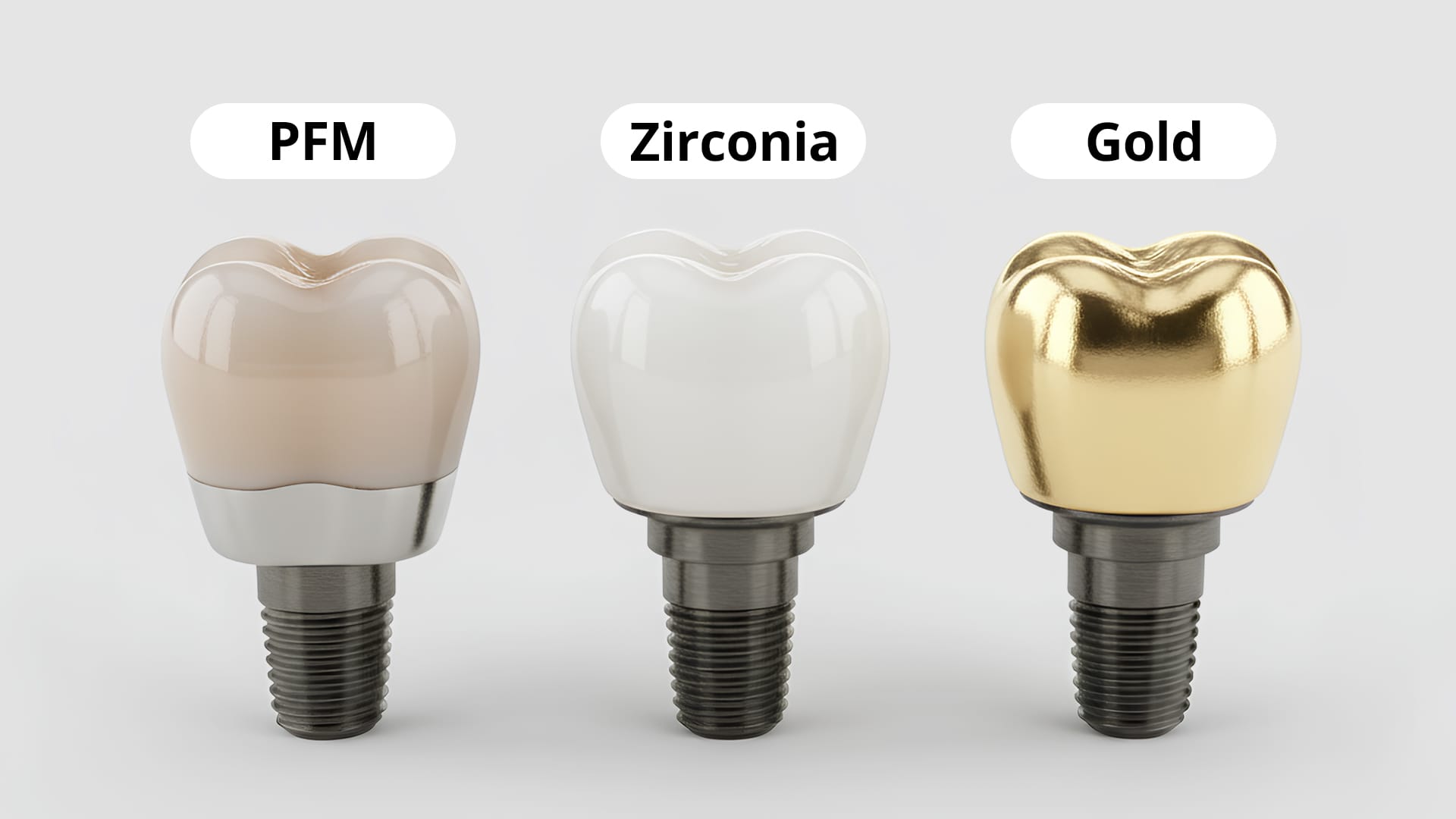
Each material has distinct characteristics. Your choice may vary based on oral condition, lifestyle habits, and aesthetic preferences.
2-1. PFM Crowns (Porcelain Fused to Metal)
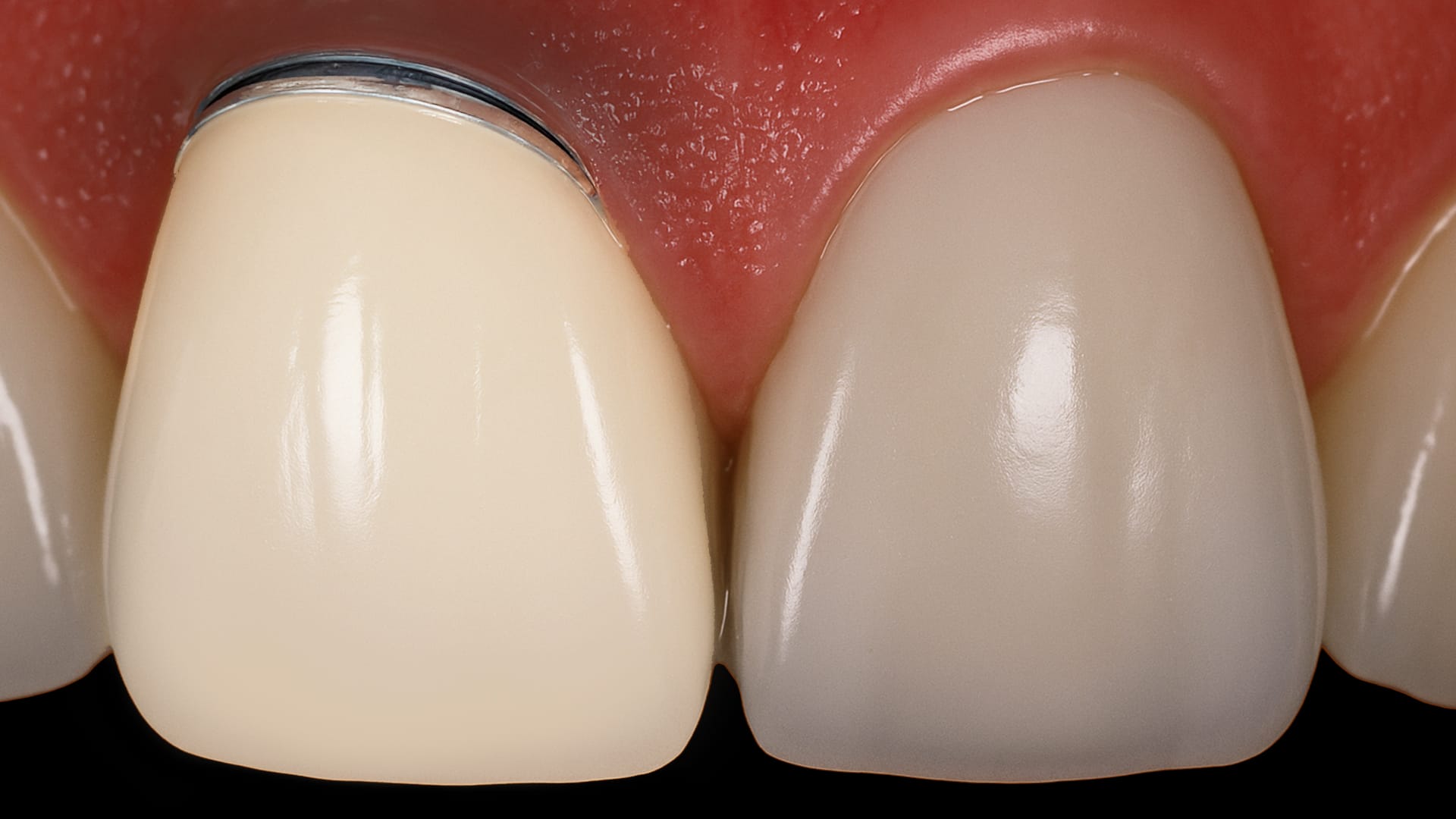
PFM crowns consist of a metal core covered with a porcelain exterior. They have been used for a long time and are known for their relatively affordable price.
Previously, this was the only option covered by national health insurance for patients over 65 in Korea. However, PFM has drawbacks: the internal metal can show through, causing a dark tint at the gum line over time, or the porcelain layer can chip, exposing the metal underneath. If damaged, they are difficult to repair and often require full replacement.
2-2. Zirconia Crowns (Full Ceramic)
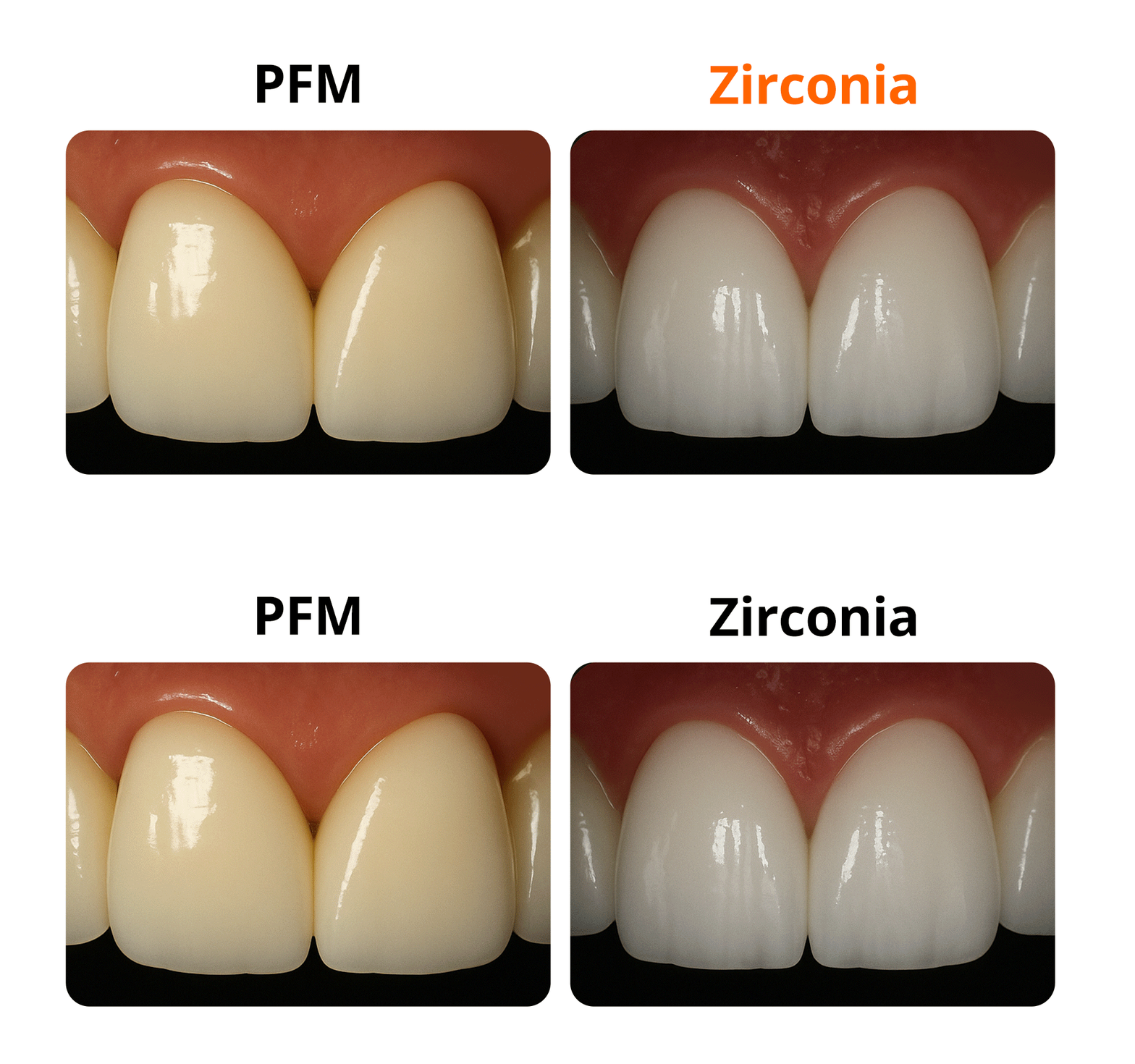
Often called "artificial diamond," Zirconia is an exceptionally strong full-ceramic material. Since it contains no metal, it offers excellent aesthetics by mimicking the color and translucency of natural teeth.
Its greatest strength is durability. It rarely chips or breaks, making it ideal for molars that endure high chewing pressure. It is also biocompatible, reducing the risk of metal allergies or gum inflammation. However, because it is so hard, it may wear down opposing natural teeth if the bite is not perfectly aligned. Precise occlusal adjustment by a skilled dentist is mandatory.
2-3. Gold Crowns
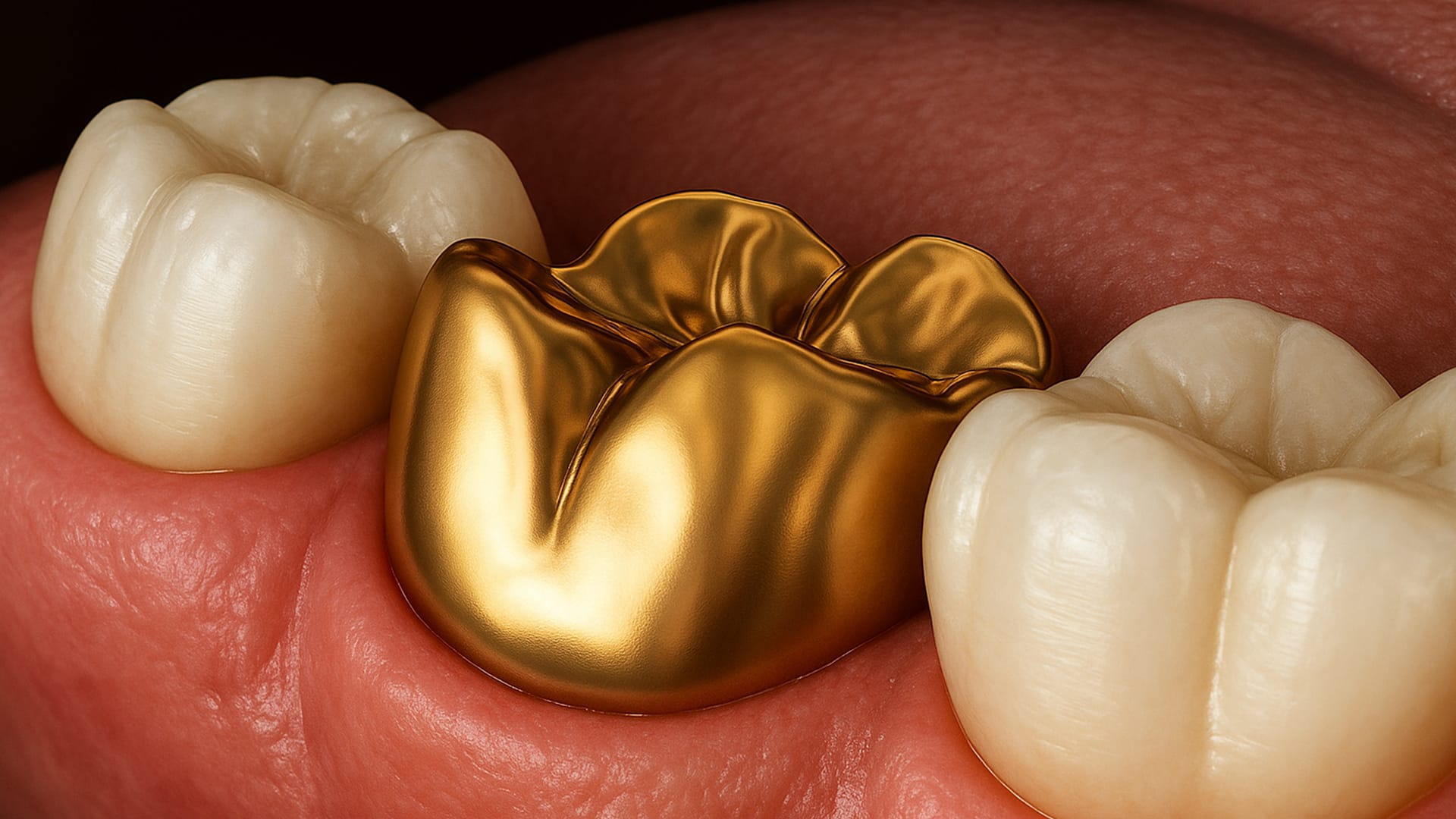
Gold crowns are made from 100% gold alloy. Gold is biocompatible and has a wear rate similar to natural enamel, making it excellent for protecting opposing teeth. Most importantly, it does not fracture.
It is highly recommended for those with strong biting forces or habits like bruxism (teeth grinding). Gold's flexibility helps absorb force, reducing the burden on the surrounding bone and the implant itself. The main disadvantage is the metallic color, which is aesthetically unappealing, limiting its use to back molars.
3. Cost Comparison of Implant Crowns
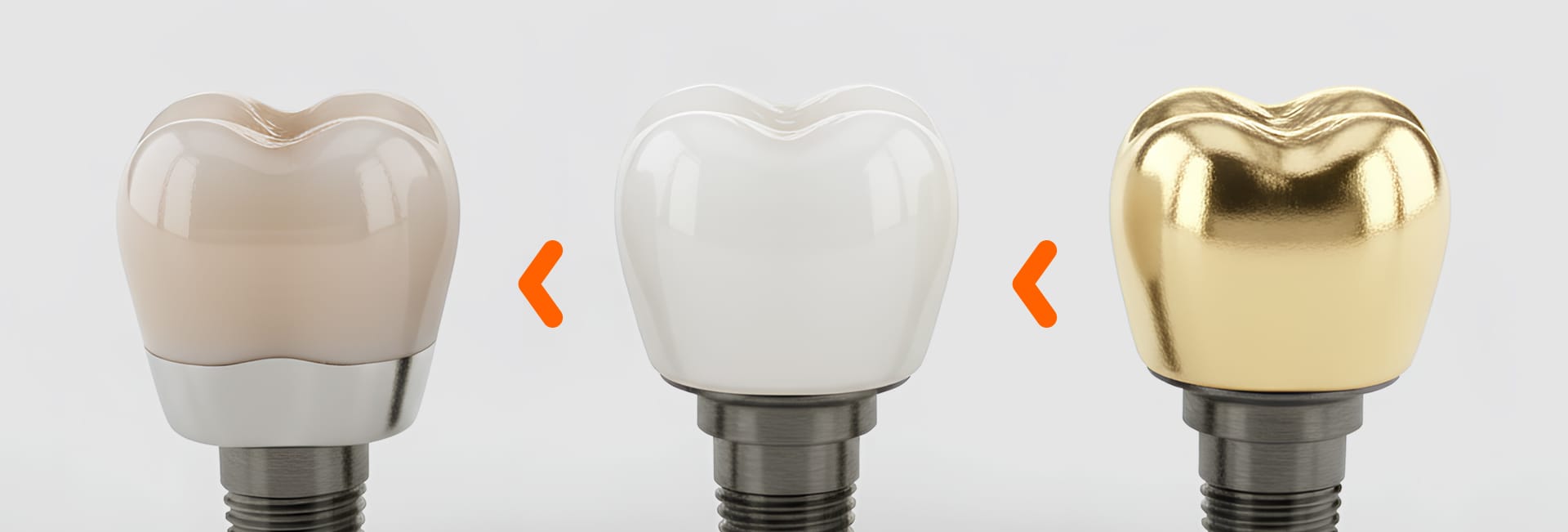
※ Prices may vary by clinic and are provided for reference only.
- PFM Crowns: Generally affordable (approx. 400,000–500,000 KRW). Insurance coverage is available for those aged 65+.
- Zirconia Crowns: Higher price range (approx. 500,000–600,000 KRW) but highly preferred for aesthetics and strength. As of February 2025, national insurance in Korea has expanded to cover Zirconia for up to two implants for seniors aged 65+, significantly reducing the financial burden.
- Gold Crowns: Prices start from the 500,000 KRW range and fluctuate with market rates. Unfortunately, gold is a non-covered item and does not qualify for health insurance benefits.
4. Checklist for a Wise Decision
- Consider Oral Habits: Assess tooth position, chewing force, and grinding habits. Aesthetics are prioritized for front teeth, while strength is key for molars.
- Harmony with Natural Teeth: Ensure the material matches the color and translucency of your remaining natural teeth for a seamless look.
- Expertise of the Medical Team: The material is only as good as the dentist's skill. Hard materials like Zirconia require precise occlusal adjustment to prevent wearing down opposing teeth.
5.Frequently Asked Questions (FAQ)
Q. How often do implant crowns need to be replaced?
They typically last 10 to 15 years. With regular check-ups and scaling, they can last even longer.
Q. What is the most important criteria for choosing a crown?
It’s a balance of aesthetics, strength, and budget. For full-mouth implants, strength to withstand chewing force is paramount.
Q. Is Zirconia better than other materials?
Zirconia is highly preferred for its strength and beauty, but it isn't the "best" for everyone. The most suitable material depends on your specific oral environment.
Q. I grind my teeth severely. Should I choose Gold or Zirconia?
It depends. Zirconia offers durability, while Gold provides shock absorption. The key is combining the right material with precise occlusal adjustment and the use of a night guard.

Choosing an implant crown isn't about finding the "best" material, but the "most optimized" one for your oral conditions. Use this guide to ask the right questions at your next dental visit.
Sources
- Park, H., et al. (2022). A Comparative Study on the Mechanical and Aesthetic Properties of Different Implant Crown Materials. Journal of Clinical Dentistry.
- Korean Dental Association. (2024). Latest Trends in Implant Prosthetic Materials.
- Ministry of Health and Welfare. (2025). Announcement on the Expansion of Insurance Coverage for Dental Implants for Seniors Aged 65+.
※ The copyright for all content on this blog belongs to medihi. Unauthorized copying, distribution, or derivative use is strictly prohibited, and violations may result in legal action without prior notice.
Recommended reads
 medihi