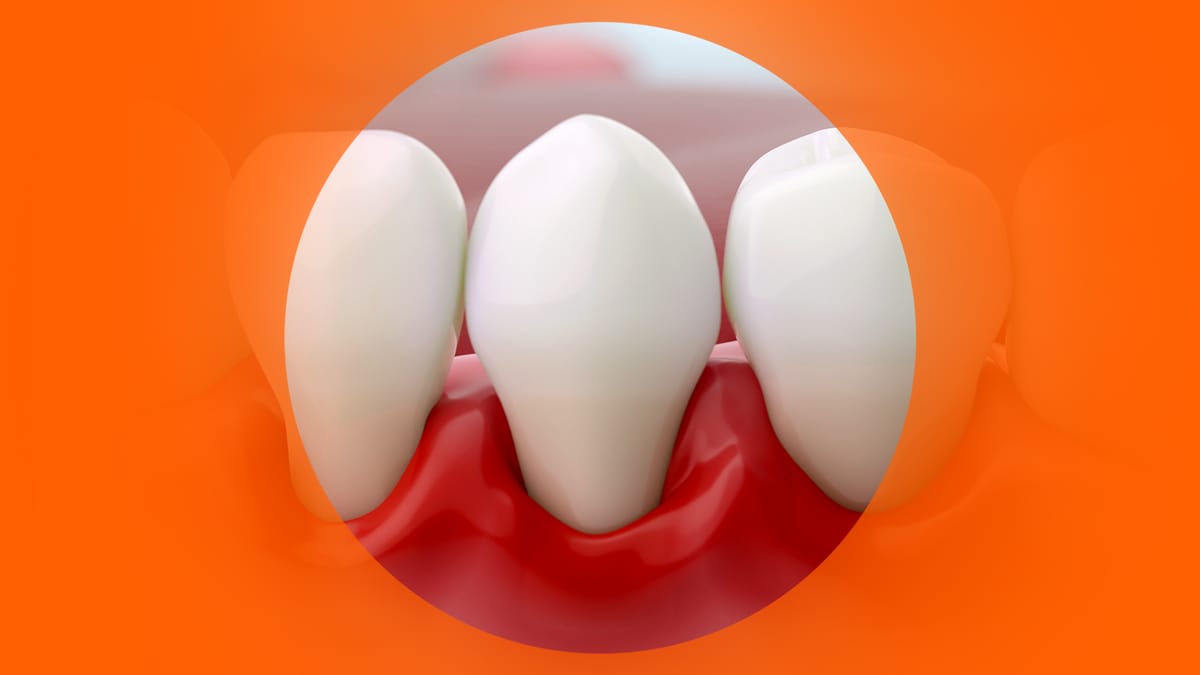

If a loose denture is making daily life uncomfortable, an implant-supported overdenture may be a practical option. Learn how it can improve stability and chewing function, and what to consider regarding overall treatment burden.
“It used to be fine, but lately my denture keeps slipping out while I’m eating.”
“My denture used to fit perfectly—now it suddenly feels loose.”
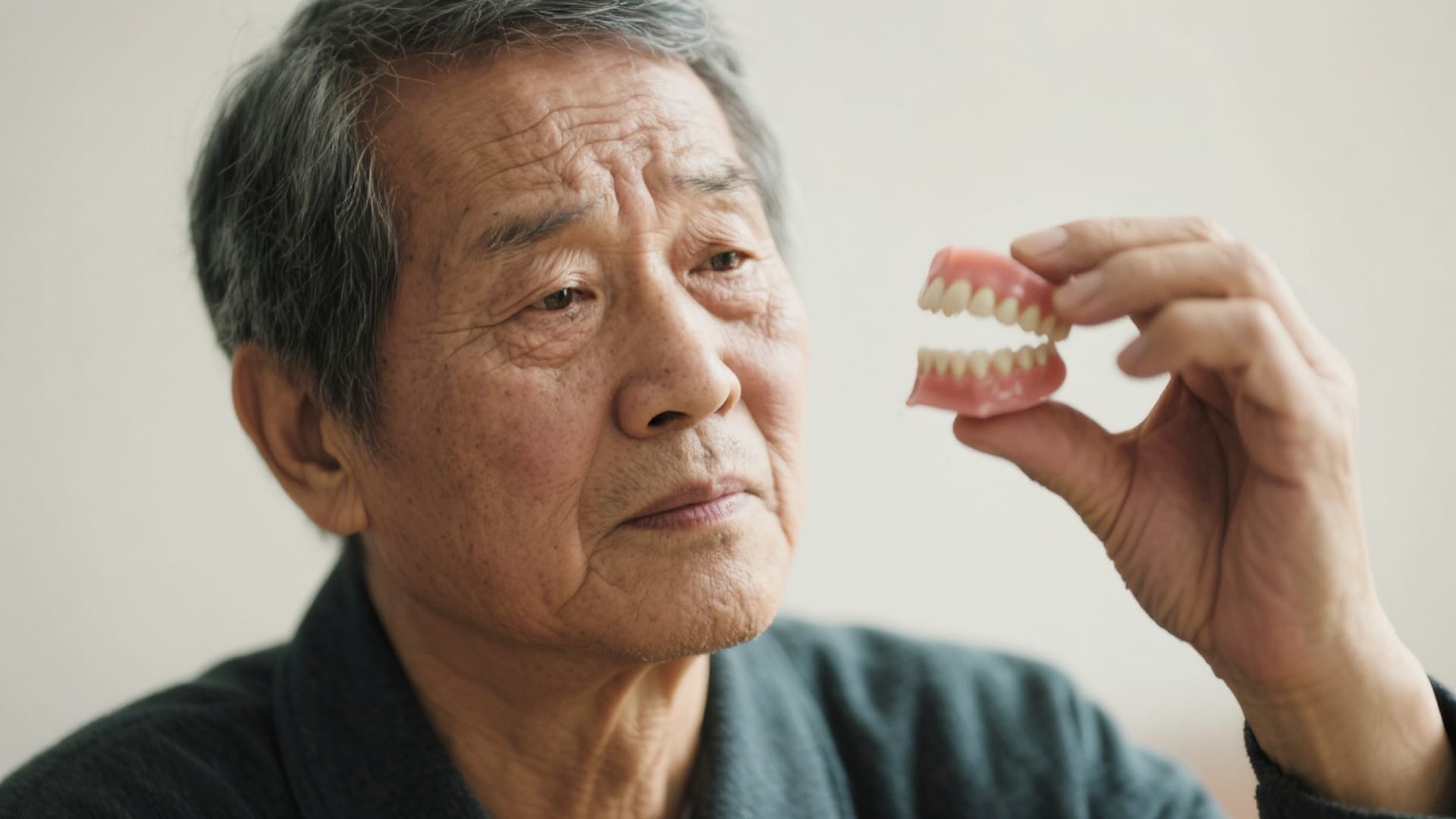
According to 2021 data from Korea’s National Health Insurance Service (NHIS), more than one million adults aged 65 and older use dentures. A substantial number report that their dentures have become loose, making meals difficult or causing gum soreness.
Many people assume, “It’s just part of getting older,” and continue to tolerate the discomfort.
However, you do not have to simply “live with” a loose denture. There are ways to restore stability and regain comfort in eating and everyday life.
In this article, we’ll walk through common issues denture wearers experience and a realistic alternative: implant-supported dentures (implant overdentures).
1.Do Any of These Sound Familiar?
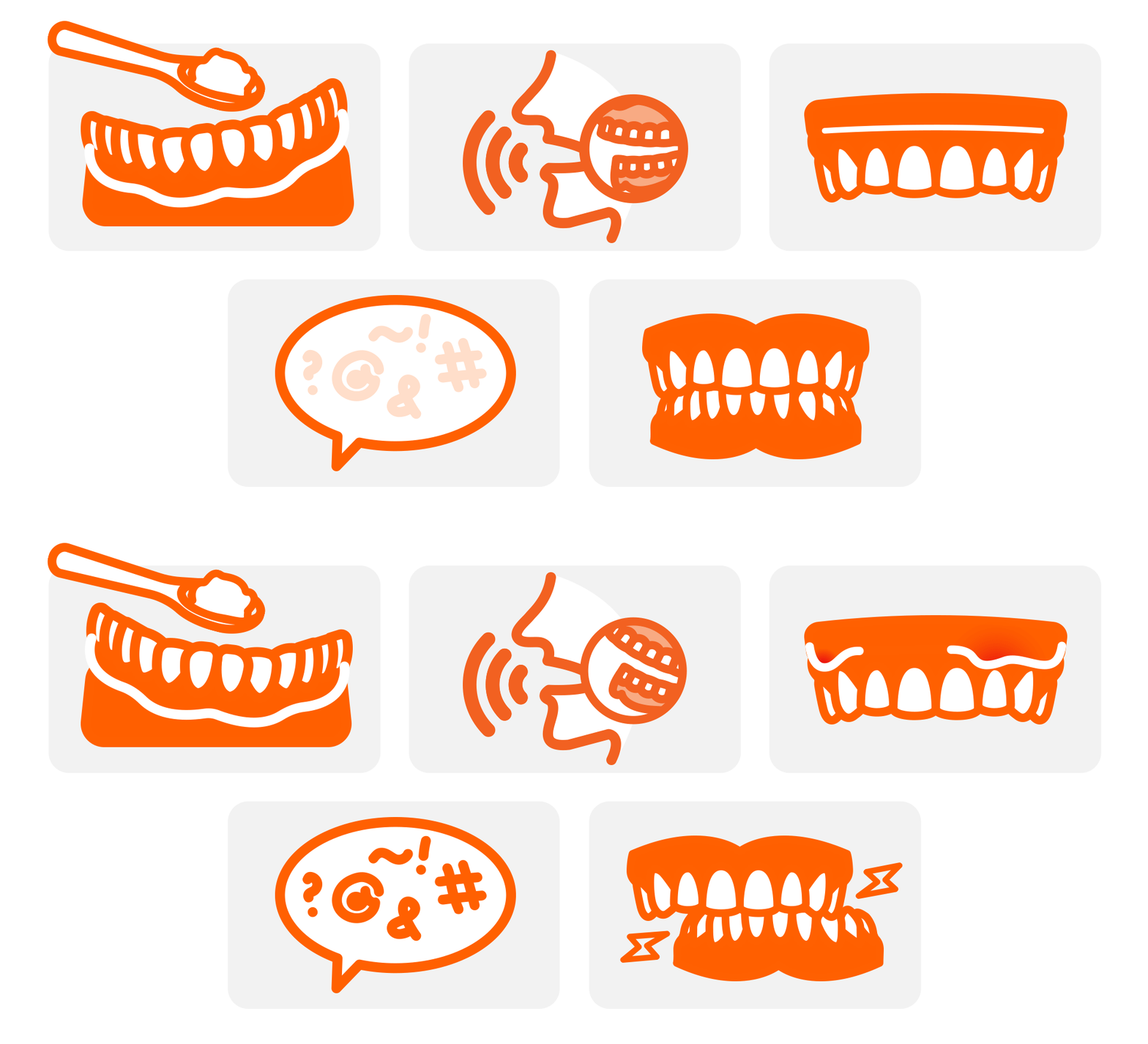
Did you know that more than half of denture wearers feel discomfort while eating, and more than 3 out of 10 report pain? This can be a sign that your denture is no longer functioning as it should.
[Denture Discomfort Self-Check Checklist]
- My denture feels unstable while eating, so I often press it down with my hand.
- I feel anxious that my denture might slip during conversation.
- My gums have been swollen or sore more often recently.
- My speech feels less clear, and sounds tend to “leak” or slur.
- Even after adjustments, the denture still feels uncomfortable.
If even one or two items apply to you, it is a strong sign that the denture has loosened or your gum and bone conditions have changed. Before this develops into a larger problem, it is worth exploring a more fundamental solution.
2. Risks of Leaving a Loose Denture Untreated
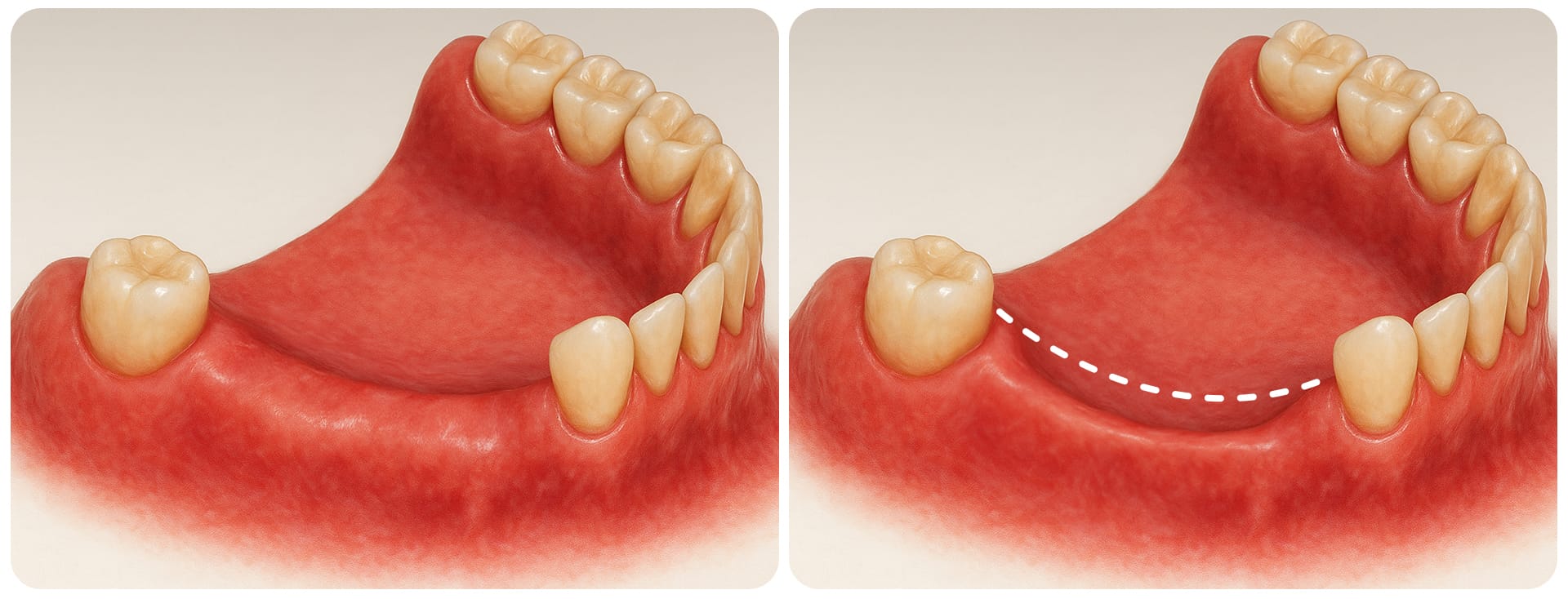
Continuing to wear a loose denture can lead to escalating problems, such as:
- Reduced chewing efficiency, which may contribute to nutritional imbalance
- Ongoing resorption (shrinkage) of the jawbone, making the denture even looser over time
- Repeated irritation, sores, and inflammation that can worsen gum health
Some studies report that the residual ridge (jawbone supporting a denture) can decrease by 0.4 mm or more per year. Over time, this can create a cycle where repeated denture adjustments still do not solve the root issue.
3. Why Implant-Supported Dentures Can Be a Practical Alternative
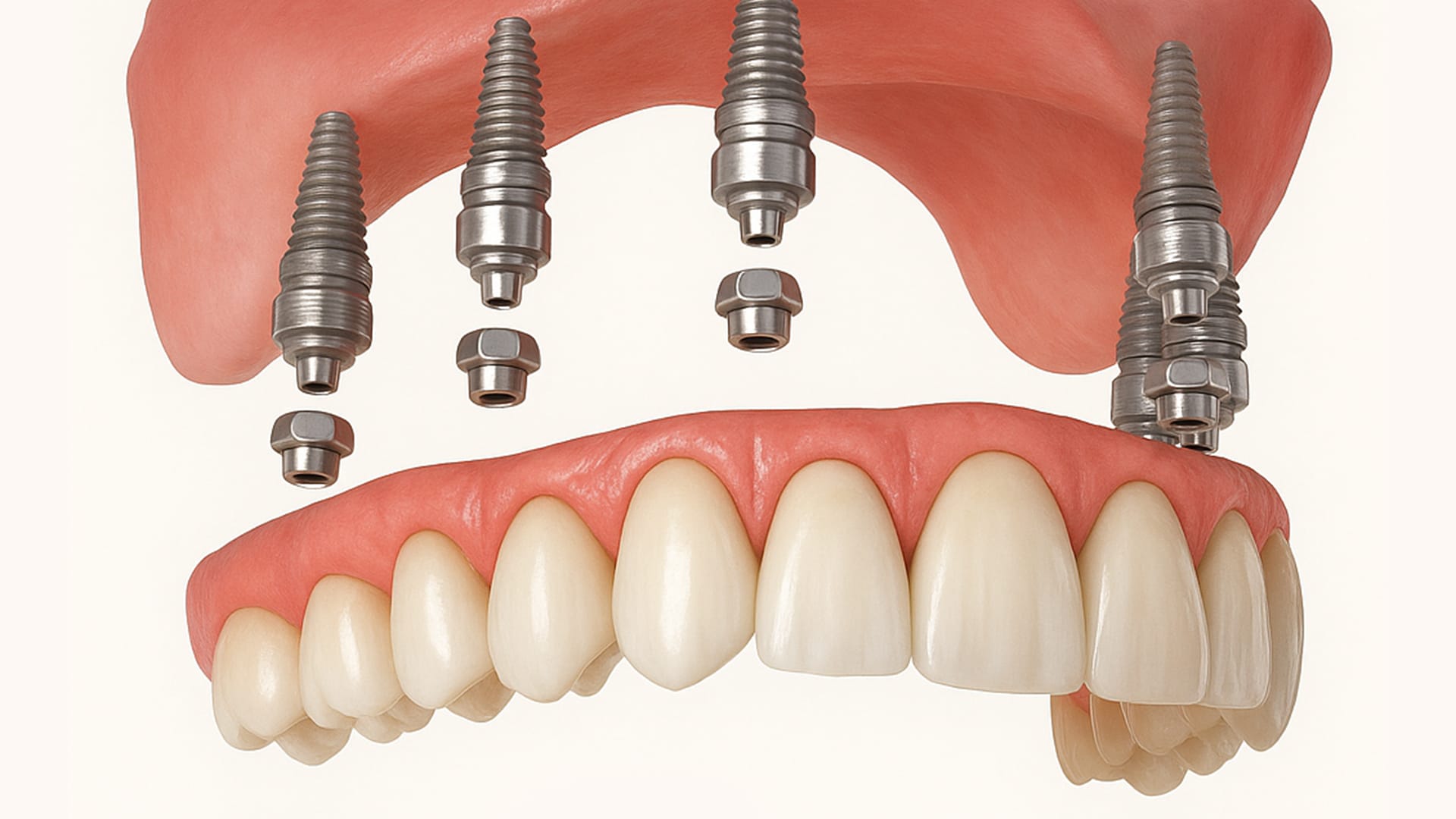
Many people with loose dentures consider implants. However, replacing all missing teeth with full-arch implants can involve higher cost and a greater surgical burden.
In these situations, a realistic alternative is an implant-supported denture (implant overdenture). This approach typically places 2–4 implants and connects the denture to them to improve retention and stability.
- Implant-supported dentures can address looseness, detachment, and discomfort more fundamentally.
- Compared with full-arch implant rehabilitation, they often require fewer implants (2–4) while still providing meaningful stability.
- Studies have reported 10+ year survival rates of 95% or higher for implant-supported removable prostheses in appropriate candidates.
4.Conventional Dentures vs. Implant-Supported Dentures
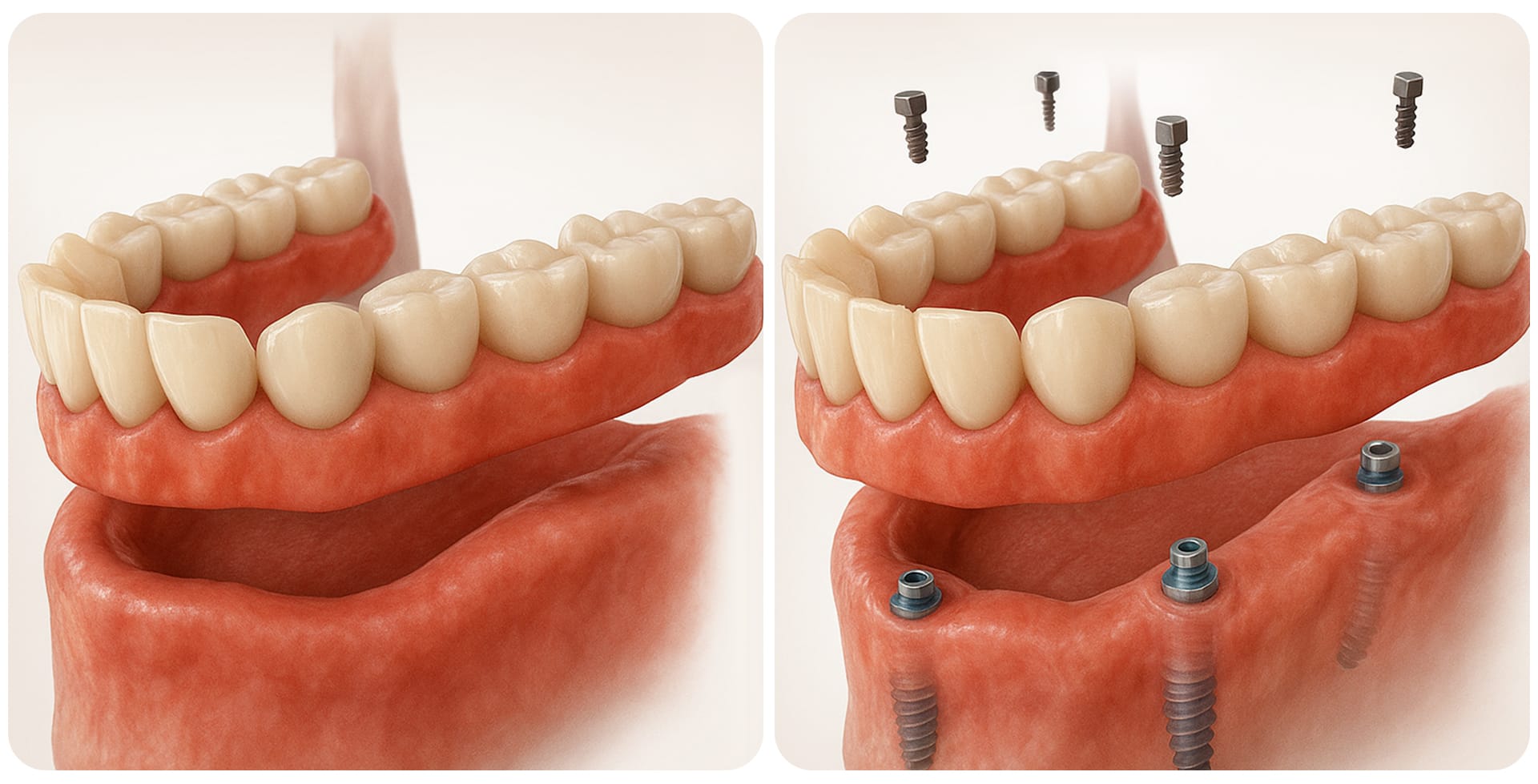
Below is a comparison based on key decision factors.
Use it to understand how the two options differ.
| Category | Conventional Denture | Implant-Supported Denture (Overdenture) |
|---|---|---|
| Retention / Support | Supported and retained by the gums and residual ridge (alveolar bone) | Receives additional retention and support from implants |
| Chewing Efficiency | About 10–20% of natural teeth | Retention and support can be roughly 2× higher than conventional dentures |
| Pain / Sore Spots | Gum pressure often leads to frequent soreness | Reduced gum load, lowering the risk of sore spots |
| Maintenance | Frequent adjustments and periodic replacement may be needed | Generally more durable and suitable for longer-term use |
- Retention / Support
- Conventional denture: Relies on the gums and residual ridge (alveolar bone) for support and retention.
- Implant overdenture: Gains additional support and retention from implants.
- Chewing Efficiency
- Conventional denture: About 10–20% of the chewing efficiency of natural teeth.
- Implant overdenture: Retention and support can be about 2× higher compared with conventional dentures.
- Pain / Sore Spots
- Conventional denture: Gum pressure can lead to frequent pain or sore spots.
- Implant overdenture: Reduced gum burden, so the risk of sore spots is lower.
- Maintenance
- Conventional denture: Often requires frequent adjustments and periodic replacement.
- Implant overdenture: Typically more durable and can be used long-term with appropriate maintenance.
5.Frequently Asked Questions (FAQ)
Q. Can older adults still get implant-supported dentures?
Yes. Age alone does not exclude someone from treatment. Because implant overdentures often use only a small number of implants, the overall burden can be lower than full-arch implant approaches. If chronic conditions (such as hypertension or diabetes) are well controlled and the jawbone condition is acceptable, many older adults can be treated safely. Final eligibility should be determined through an in-depth evaluation and consultation.
Q. How painful is it, and how long is recovery?
Because implant overdentures typically involve placing only a few implants, many patients experience less overall surgical burden, and recovery can be relatively quick. Many people return to routine activities the same day or within 1–2 days. Discomfort can often be managed with prescribed medications and cold compresses.
Q. Can I keep using my current denture?
If your existing denture is in good condition and fits reasonably well, it may be possible to retrofit it with attachment components (such as snap-type attachments) and reuse it—helping reduce time and cost. However, if the denture is significantly loose or worn, a newly fabricated denture may be more effective. This is best decided after clinical evaluation.
Q. Do I need to remove and clean an implant-supported denture frequently?
It depends on the type. A removable implant overdenture can typically be detached by the patient for daily cleaning, which many people find convenient for hygiene. A fixed implant prosthesis (secured with screws) cannot be removed by the patient and usually requires periodic professional maintenance at the clinic.
Q. When is the best time to start treatment?
If your denture repeatedly becomes loose, interferes with eating, or causes ongoing discomfort, it’s best to visit a dental clinic sooner rather than later. The longer the issue is left untreated, the more jawbone resorption may progress, potentially making future treatment more complex. Early evaluation and timely care can help improve comfort and quality of life.

A loose denture is not simply an unavoidable part of aging—it is often a problem that can be effectively addressed. Implant-supported dentures (overdentures) can improve stability and chewing function while typically involving less burden than full-arch implant treatment. Rather than enduring ongoing discomfort, it is important to get an accurate evaluation of your current condition so you can regain a healthier diet and a better quality of life. Because there are several types of implant overdentures and the best option varies by individual, you should establish a treatment plan only after a thorough diagnosis and consultation with a dental professional.
Sources
- Emami, E., et al. (2013). The impact of edentulism on oral and general health. International Journal of Dentistry, 2013, 498305.
- Atwood, D. A. (1971). Reduction of residual ridges: A major oral disease entity. Journal of Prosthetic Dentistry, 26(3), 266–279.
- Pjetursson, B. E., et al. (2014). Implant-supported removable dental prostheses: A systematic review. Clinical Oral Implants Research, 25(6), 93–113.
※ The copyright for all content on this blog belongs to Medihi. Unauthorized copying, distribution, or derivative use is strictly prohibited, and violations may result in legal action without prior notice.
Recommended reads
 medihi