
Are you experiencing looseness or pain from long-term denture use? We provide a clear comparison between implant-supported dentures and full-arch implants, covering selection criteria based on chewing power, bone condition, maintenance, and cost. Find the implant treatment that best fits your lifestyle at a glance.
"I'm embarrassed because my dentures wobble while I'm eating."
"I'm constantly worried they might fall out during an important meeting."
These are the most common complaints from patients who have used traditional dentures for a long time. As the jawbone resorbs (shrinks) over time, dentures lose their fit, leading to pain and discomfort that significantly restricts daily life and lowers overall quality of life.
Fortunately, there are modern alternatives. Implant-supported dentures and full-arch implants are two innovative solutions that overcome the limitations of traditional dentures.
1. What is the Difference Between the Two?
- Implant-Supported Dentures (Overdentures)
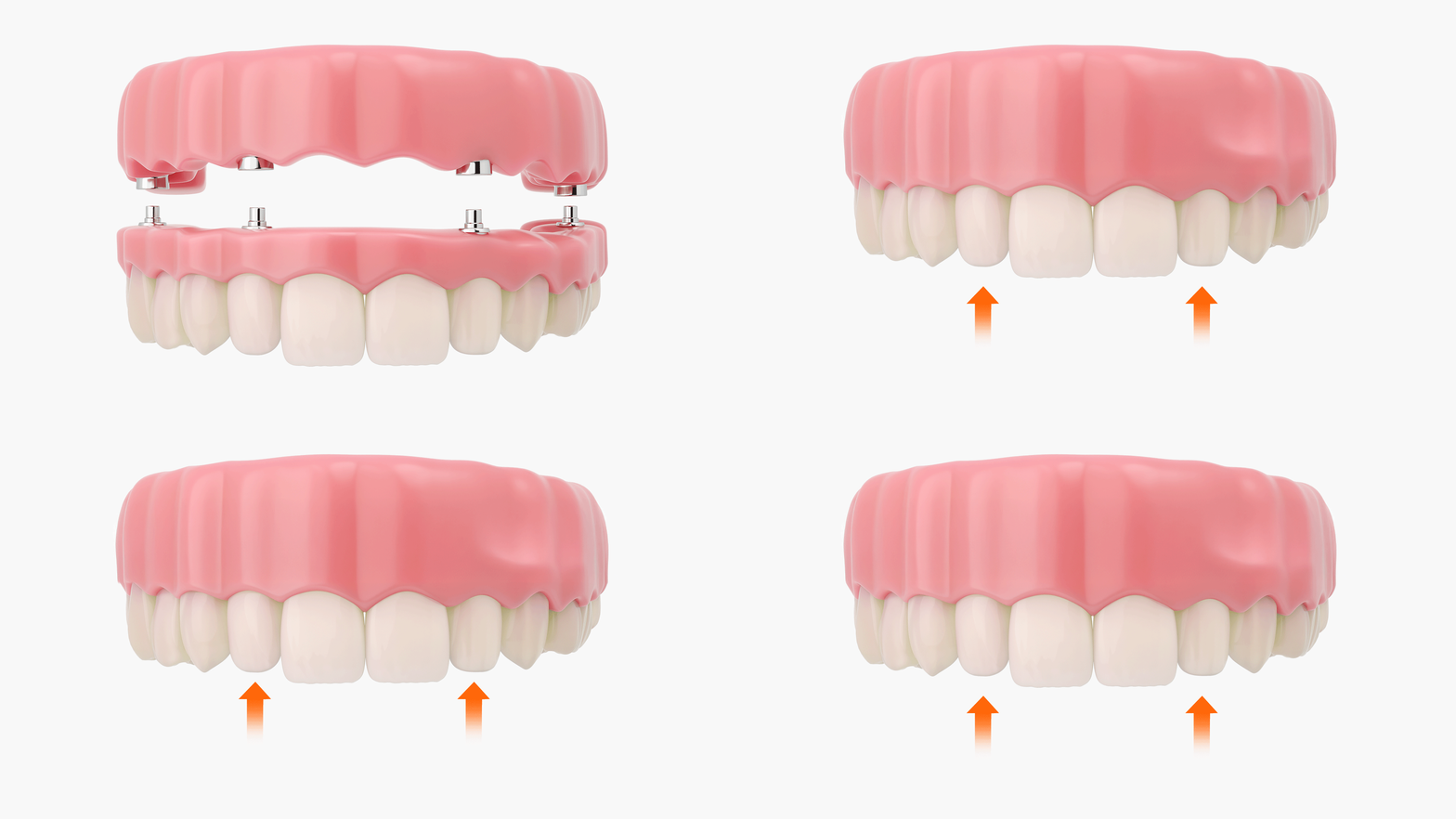
A small number of implants (typically 2 in the lower jaw and 4 in the upper jaw) are placed. A "locator" attachment (similar to a snap button) is connected to the implants, and a specialized denture is snapped onto them.
It is a removable prosthetic that you can "snap" in and out. It is often referred to as "snap-on dentures."
- Full-Arch Implants (Fixed Full-Arch Bridge)
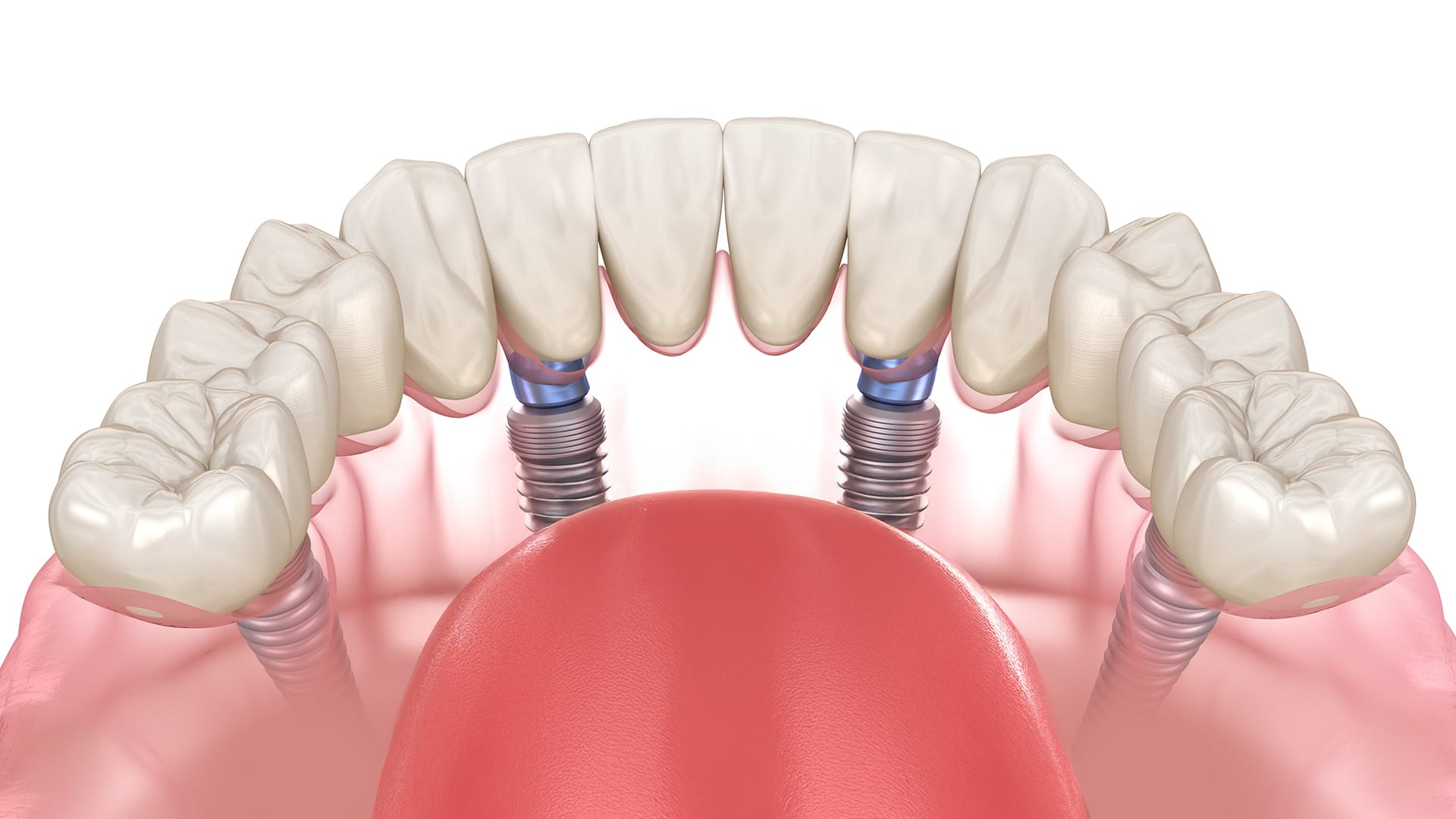
Between 4 to 6 implants are placed, and a full-arch bridge (a single piece representing all teeth) is securely fixed onto the implants with screws. This prosthetic is permanently fixed; it cannot be removed by the patient and functions like natural teeth.
Depending on the number of implants, these are often called All-on-4 or All-on-6.
2. Chewing Power: How Big is the Difference?
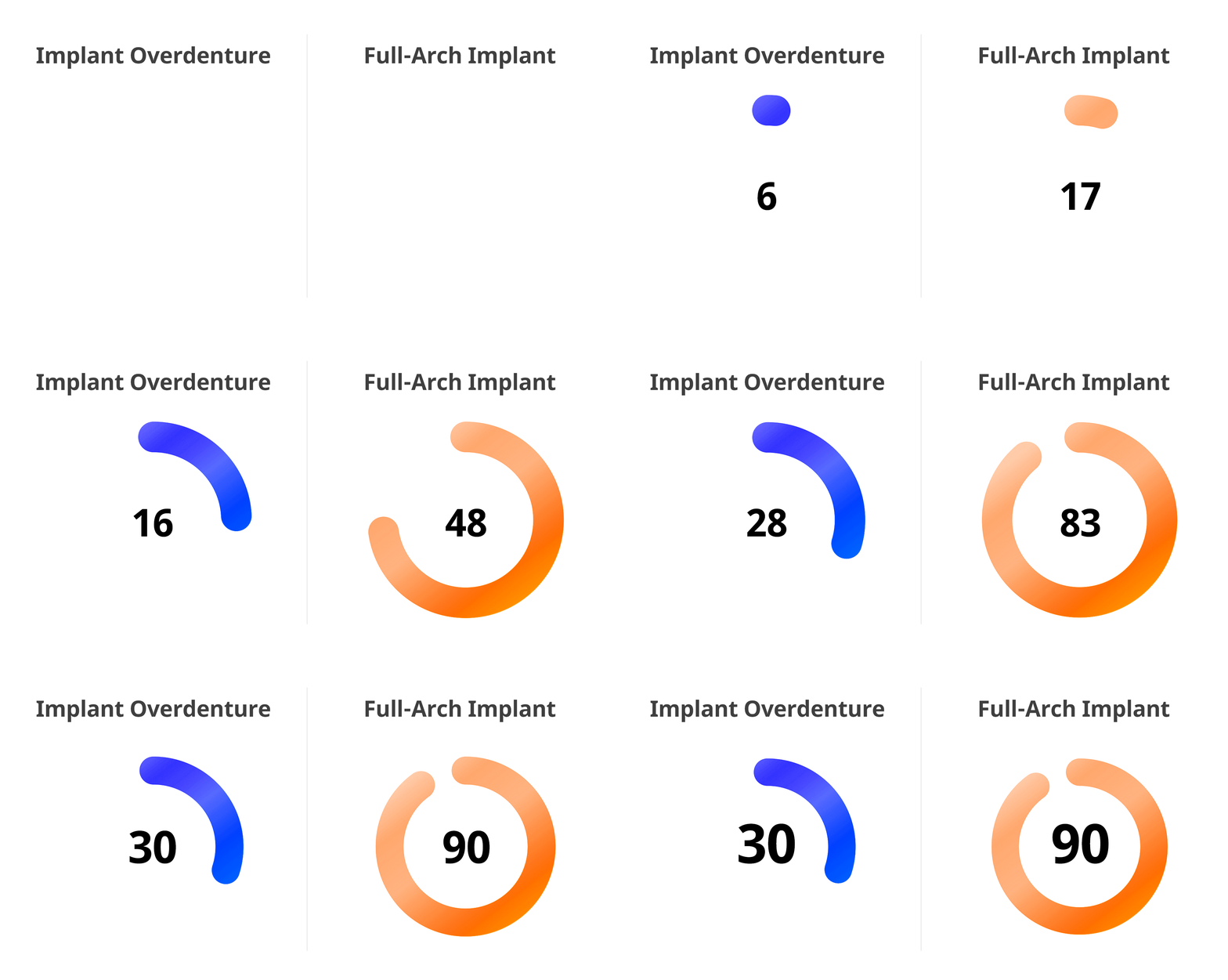
The difference in chewing power (masticatory force) stems from how the prosthetics are anchored.
- Implant-Supported Dentures: While they are more stable than traditional dentures, the acrylic base still rests on the gums. When chewing, force is distributed to the gums, which may still lead to minor wobbling. They restore about 20–30% of natural chewing power (roughly 3 times stronger than traditional dentures).
- Full-Arch Implants: The bridge is fixed solely to the implants and does not rest on the gums. Chewing force is transmitted directly to the implants and bone, restoring 90% or more of natural chewing power. This virtually eliminates restrictions on the types of food you can enjoy.
3.Which is Better for Poor Bone Condition?
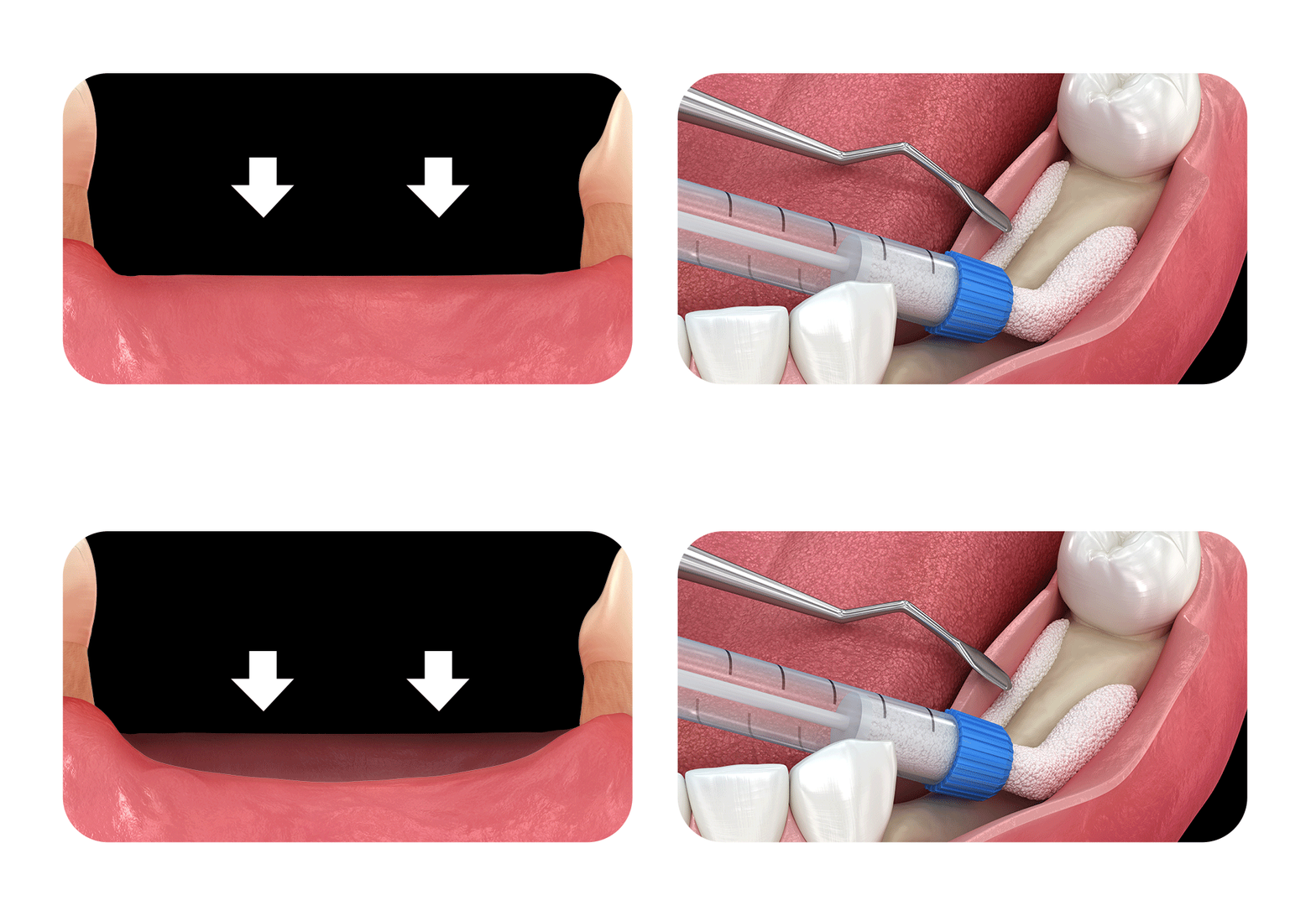
Long-term denture use often leads to severe jawbone resorption due to constant pressure and lack of stimulation to the bone.
- Implant-Supported Dentures: Because they require fewer implants (2–4), they can often be performed even when bone loss is significant. Often, only localized bone grafting is needed, making the surgical burden relatively light.
- Full-Arch Implants: To support a full fixed bridge, the implants must be placed very securely. If the bone is insufficient, extensive bone grafting may be required. However, advanced techniques like All-on-4 allow implants to be tilted to utilize the best available bone, potentially minimizing the need for grafts.
4.Maintenance and Lifespan
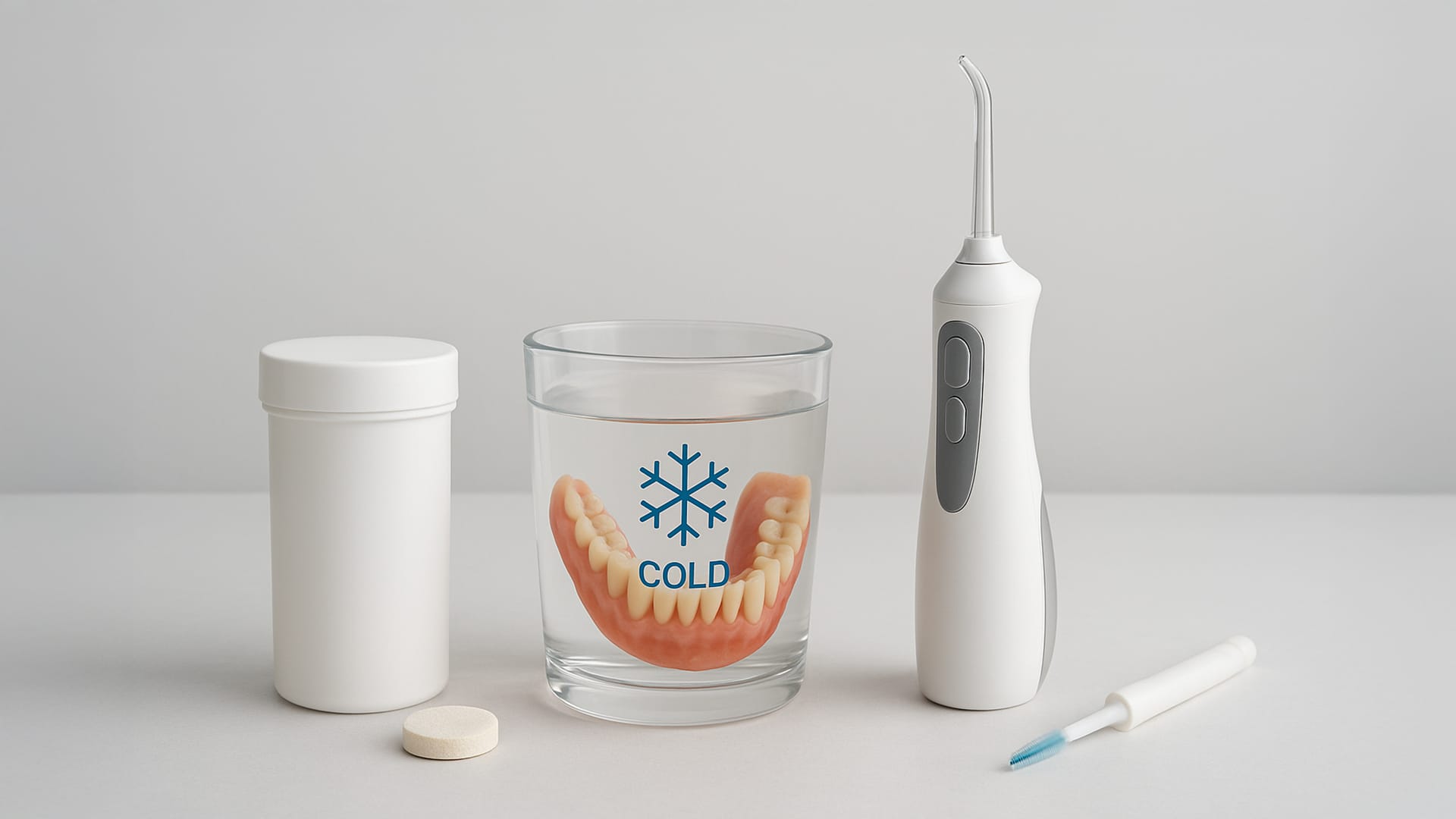
- Implant-Supported Dentures: You must remove them every night to clean them with a denture cleanser and store them in water. You also need to brush the gum areas where the implants are located.
- Full-Arch Implants: Since they are fixed, you cannot remove them. You brush them like natural teeth, but it is essential to use interdental brushes or water flossers to clean the small gap between the bridge and the gums to prevent plaque buildup.
5. Cost vs. Satisfaction: Making a Wise Choice
Dental implant treatment involves significant investment, which is why it is one of the biggest concerns for patients. When evaluating the economic value, it is crucial to consider not only the immediate treatment cost but also long-term maintenance expenses and the potential for re-treatment.
1. Implant-Supported Overdentures (Implant Dentures)
- Initial Cost: Lowest. Typically less than half the cost of a full-arch implant.
- Surgical Features: Requires fewer implants, and the prosthetic fabrication is relatively simple.
- Economic Value: A realistic and cost-effective alternative for patients concerned about immediate financial burden.
2. Full-Arch Implants
- Initial Cost: Highest. Requires a larger number of implants and the fabrication of highly sophisticated, fixed prosthetics.
- Patient Satisfaction: Highest in the long run (provides strong chewing force and natural comfort without the foreign body sensation of dentures).
- Long-Term Economic Value: Due to the long lifespan of the implants (though prosthetics may require eventual replacement), it can be more economical and provide a higher return on investment over time.
6. Frequently Asked Questions (FAQ)
Q. Which one feels more natural?
Full-arch implants provide a much more natural feel and better aesthetics because they do not cover the palate (roof of the mouth) and are fixed in place. Implant-supported dentures still have a bulky acrylic base.
Q. Does choosing implant-supported dentures reduce the need for bone grafting?
Yes. Since fewer implants are needed and they are usually placed in the front of the jaw (where bone is often denser and avoids major nerves), the volume and complexity of bone grafting are typically lower.
Q. Can I really leave full-arch implants in 24 hours a day?
Yes. They are semi-permanently fixed by a dentist. You don't have to remove them at night, though you must visit the clinic regularly for professional cleanings.
Q. How should I choose a clinic?
Both procedures require high-level skill. Look for a clinic with extensive experience in full-mouth rehabilitation, advanced 3D diagnostic equipment, and a medical team that provides a customized plan rather than a one-size-fits-all approach.
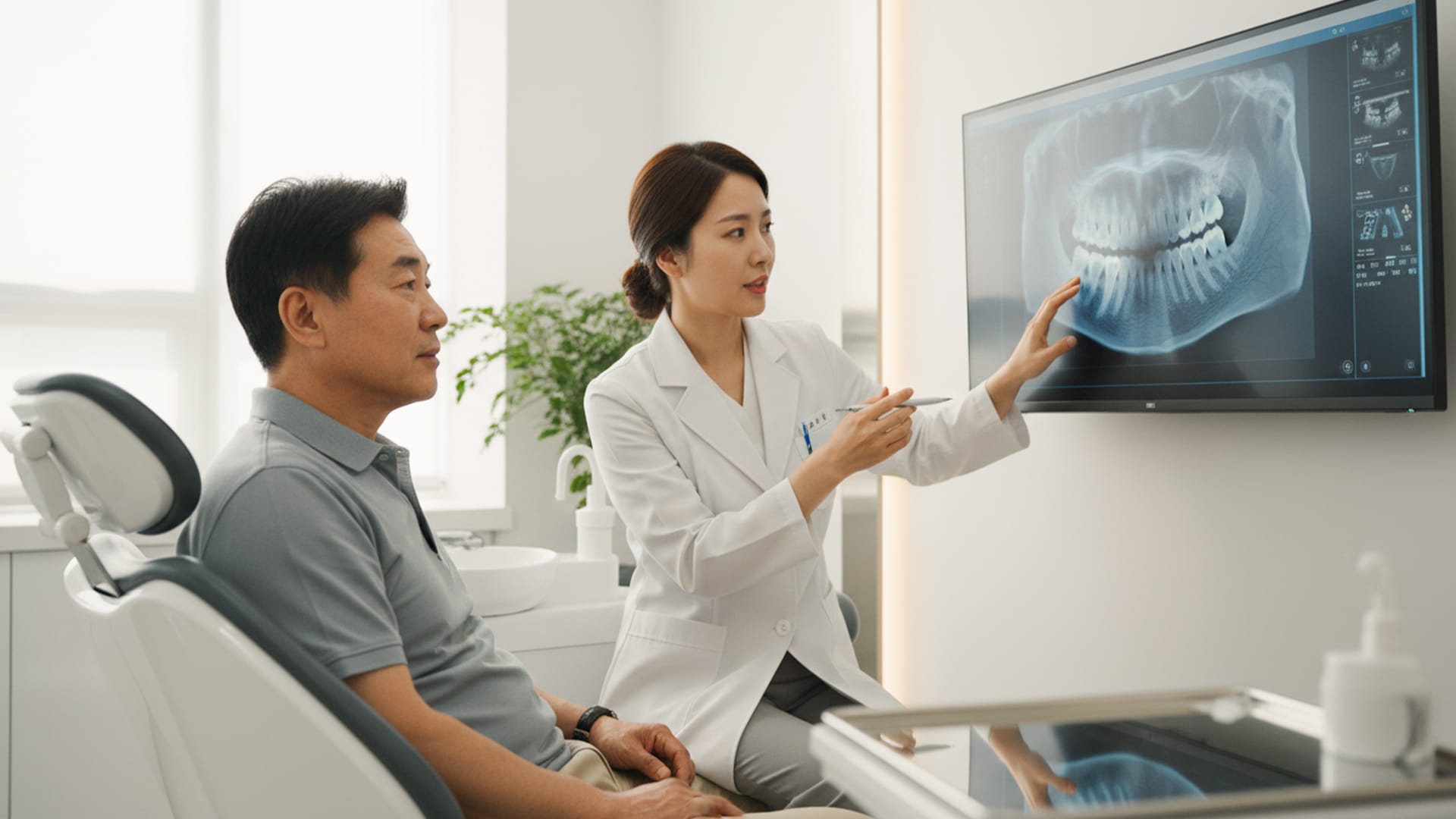
There is no single 'best' treatment; there is only the 'most suitable'treatment for you. Be honest with your dentist about your bone condition, general health, budget, and lifestyle expectations. This transparency is the key to creating a successful, customized treatment plan.
Sources
- Korean Academy of Prosthodontics (2023). Guidelines for Dentures and Implant Treatment.
- Ministry of Health and Welfare (2020). Safety and Considerations for Implants in Elderly Patients.
- Misch, C. E. (2014). Dental Implant Prosthetics (2nd ed.). Elsevier Mosby.
※ The copyright for all content on this blog belongs to medihi. Unauthorized copying, distribution, or derivative use is strictly prohibited, and violations may result in legal action without prior notice.
Recommended reads
 medihi