

If your dental implant is shaky or causing pain, it may require re-implantation. Failure typically stems from either surgical factors or maintenance issues, and early intervention is critical for a successful recovery.
"My implant is shaky. Is this normal?"
"I'm terrified that I might need surgery all over again."
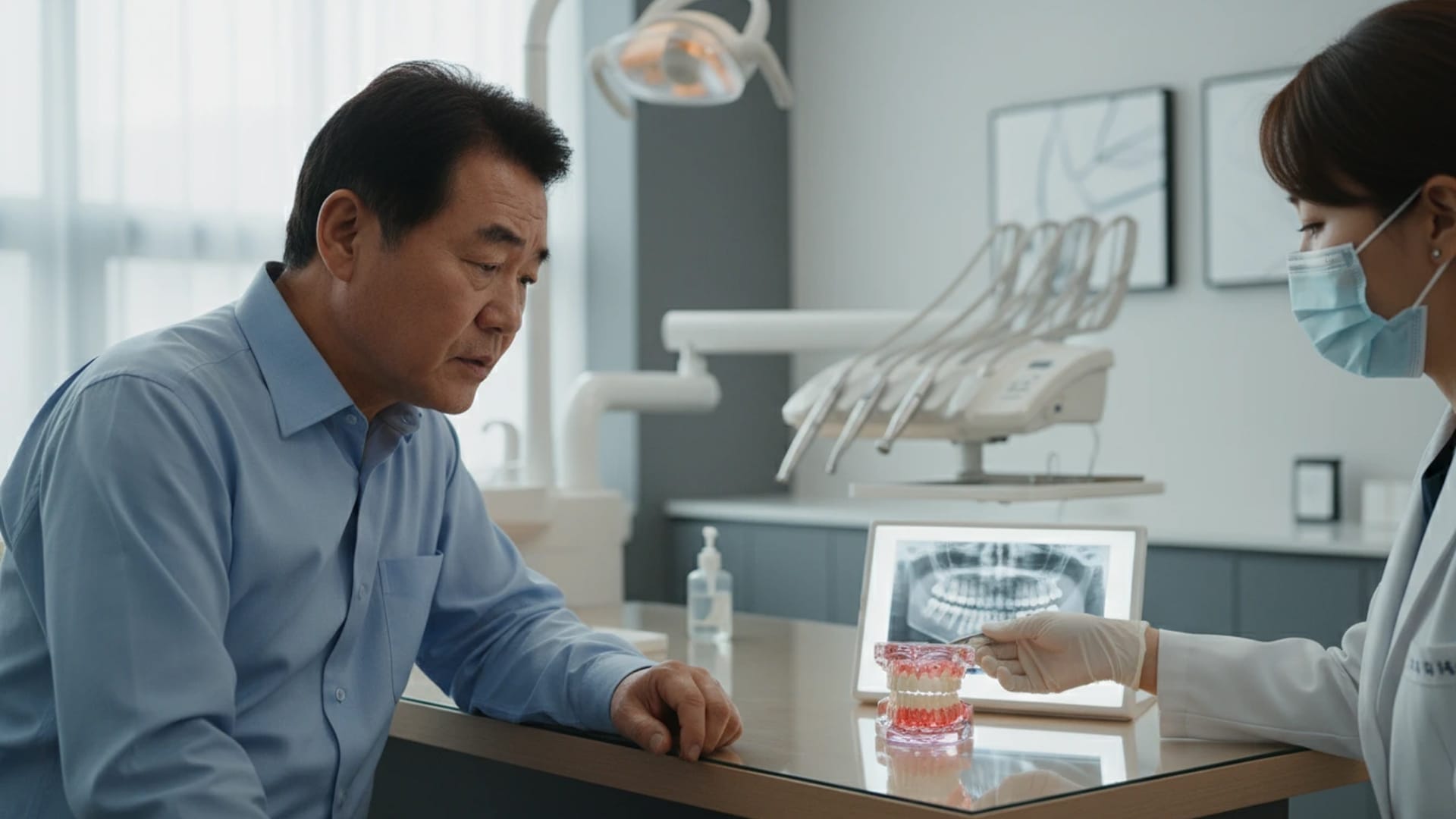
Many patients visit the clinic with these exact anxieties. Ignoring a slight wobble or minor discomfort often leads to much larger complications. This guide outlines why implant re-implantation might be necessary and how to address the situation effectively.
1. What are the Warning Signs for Re-implantation?
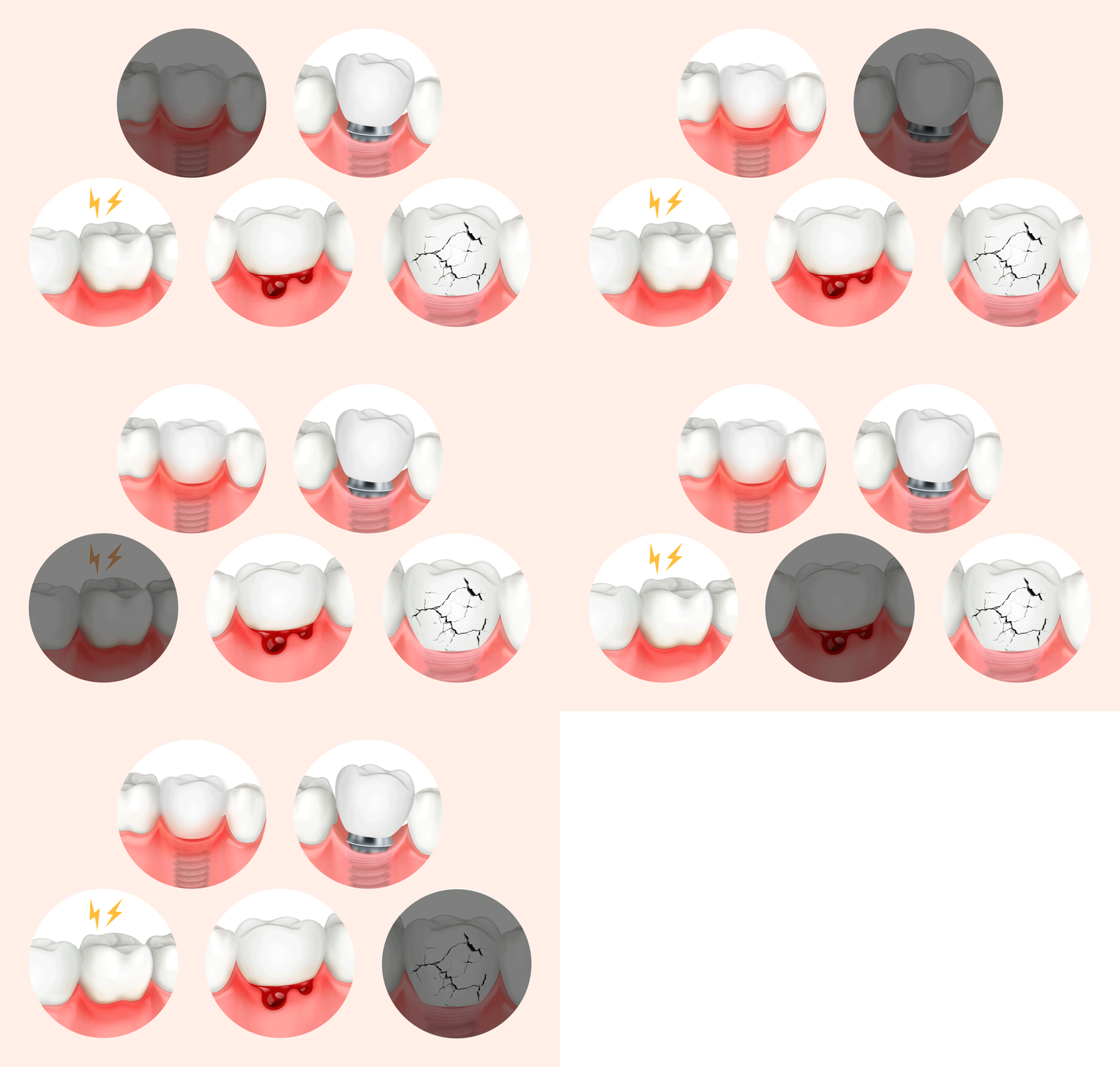
[Dental Implant Self-Diagnosis Checklist]
- ☐ The implant feels shaky or loose.
- ☐ It feels as though the implant might fall out.
- ☐ Pain occurs while chewing.
- ☐ The gums around the implant are bleeding.
- ☐ The prosthetic crown on top of the implant is broken.
Symptoms like mobility, pain during function, or a fractured prosthetic are serious warning signs. Ignoring these can lead to significant damage to the surrounding jawbone.
2. Why is Re-implantation Necessary? Two Core Causes
The reasons for implant failure requiring re-implantation are generally viewed through two lenses: surgical factors related to the procedure, and patient-related factors involving maintenance and lifestyle habits. Identifying the cause is not about assigning blame, but about creating a precise treatment plan for a successful outcome.
Perspective 1: Surgical Factors — Precision and Skill
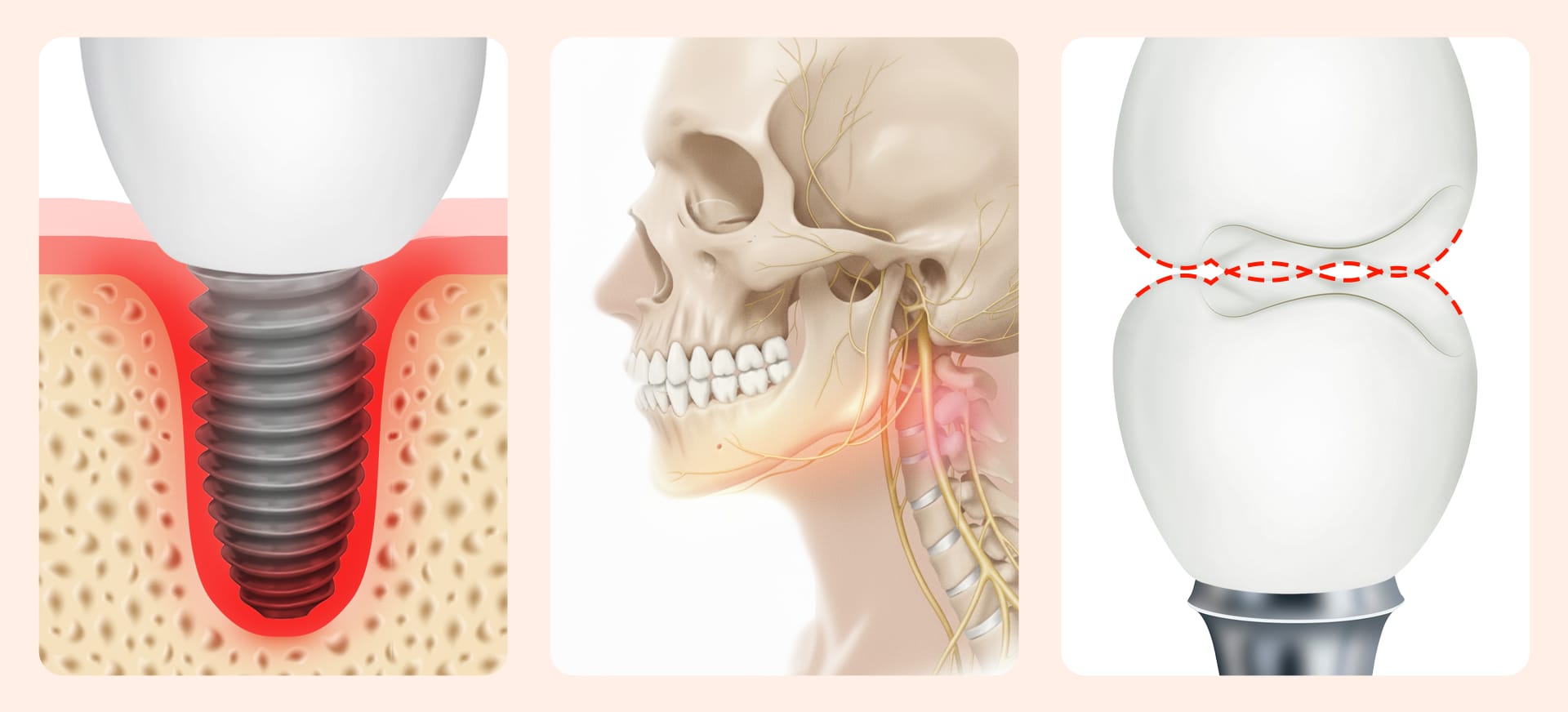
Implant procedures require extreme technical precision. Every step, from placing the artificial root (fixture) into the jawbone to fabricating the final prosthetic, must be executed with minimal margin for error.
- Osseointegration Failure: This occurs when the bone and implant fail to fuse properly. It can be caused by excessive force during surgery, incorrect placement angles, or systemic factors like weak bone density, smoking, or diabetes.
- Nerve Damage: If the implant affects major nerves within the jawbone, symptoms like facial numbness may occur. Modern clinics typically prevent this through 3D CT imaging to map nerve locations accurately.
- Malpositioning and Occlusal Issues: If the implant is placed at an incorrect angle or the bite (occlusion) is uneven, excessive pressure concentrates on specific areas. This often results in a shaky implant or a broken prosthetic.
Perspective 2: Patient Factors — Maintenance and Lifestyle
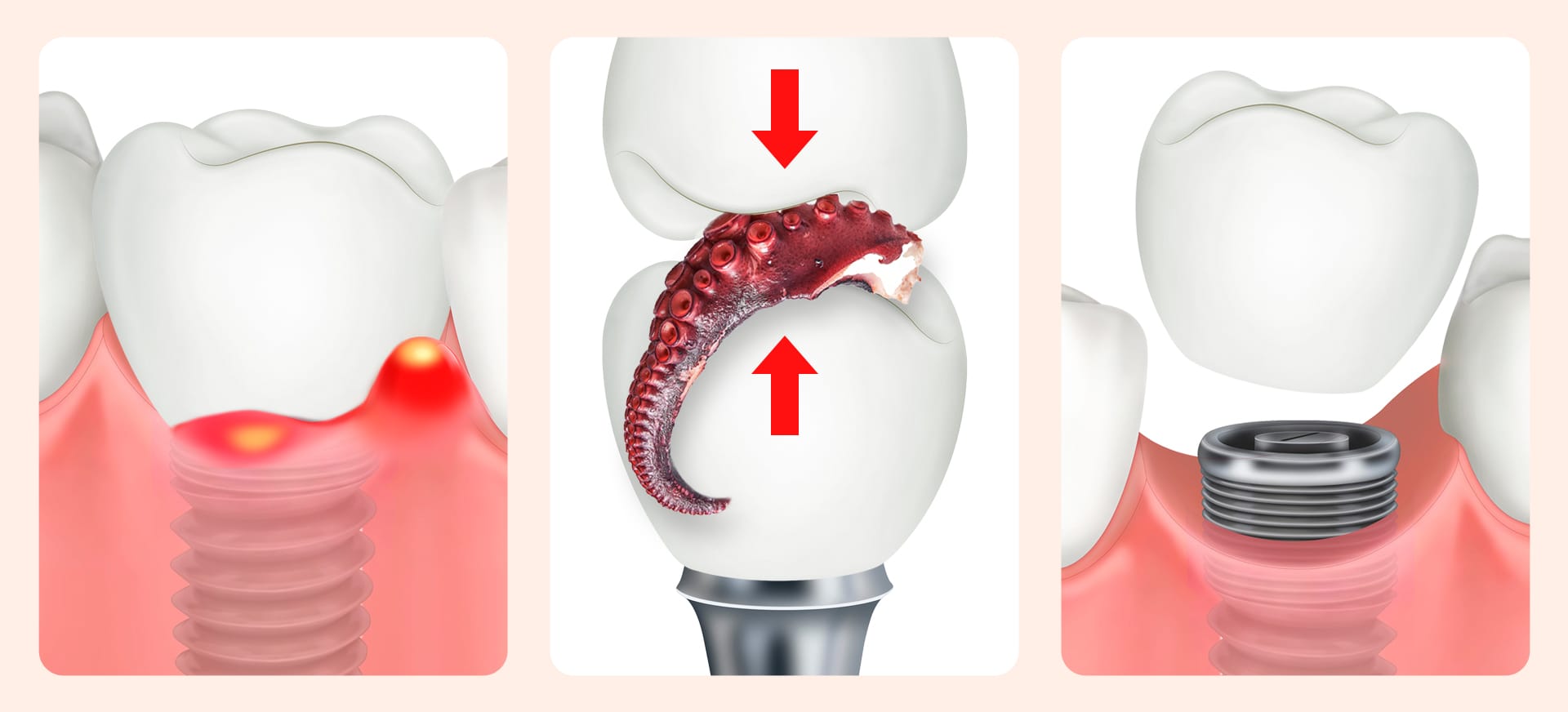
The longevity of an implant depends heavily on what happens after the surgery. Even a perfect procedure can fail without proper aftercare.
- Peri-implantitis: Similar to periodontitis, this inflammation progresses much faster and destroys the supporting bone. Since it often stems from poor oral hygiene, meticulous brushing and regular check-ups are essential to prevent failure.
- Habits Involving Hard or Tough Foods: Unlike natural teeth, implants lack a periodontal ligament to absorb shock. Frequently consuming hard or chewy foods can lead to prosthetic damage or inflammation.
- Prosthetic Issues and Cost Variables: The cost of re-implantation varies significantly depending on the extent of bone damage. Rather than choosing a clinic based solely on price, it is vital to establish a plan that may include removing the old implant and performing bone grafting.
3.How to Prevent and Respond to Implant Failure
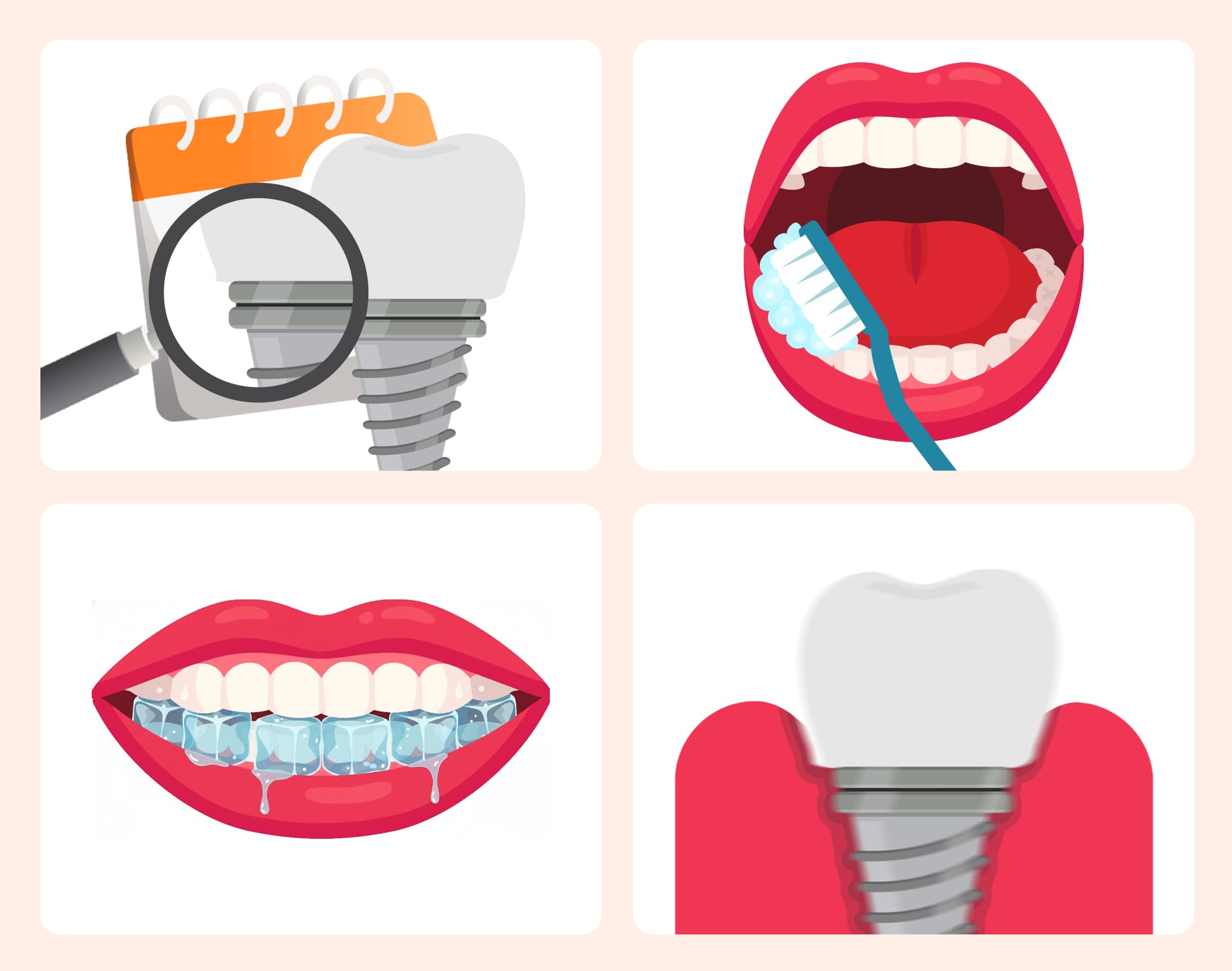
To maintain your implants, a few essential habits are required:
- Regular Check-ups: Visit your dentist at least every 6 months for scaling and a professional exam to catch minor issues before they become major complications.
- Meticulous Hygiene: Use dental floss and interdental brushes alongside regular brushing to prevent bacterial growth around the implant site.
- Lifestyle Adjustments: Avoid biting on ice or chewing excessively tough foods (like dried squid), as these put a heavy burden on the implant structure.
- Early Response: If you feel any mobility or pain, do not delay. Seek a professional diagnosis immediately to minimize the risk of total failure.
4.Frequently Asked Questions (FAQ)
Q.Do I have to go to the same clinic for re-implantation?
No, you do not. It is often safer to choose a clinic with extensive experience in revision surgeries and advanced diagnostic equipment, even if it wasn't where you had your first procedure.
Q.Does a shaky implant always mean I need re-implantation?
Not necessarily. In the early stages, issues can often be resolved by tightening a loose screw, re-attaching the crown, or treating the inflammation without removing the implant itself
Q. Is re-implantation more dangerous than the first surgery?
With precise planning and a skilled medical team, re-implantation can offer a very high success rate. The key is choosing a specialist experienced in complex cases.
Q. I’m having issues now. Should I wait?
No, you should seek a consultation as soon as possible. Delaying treatment allows inflammation to worsen and jawbone loss to progress, making the eventual recovery much more difficult.
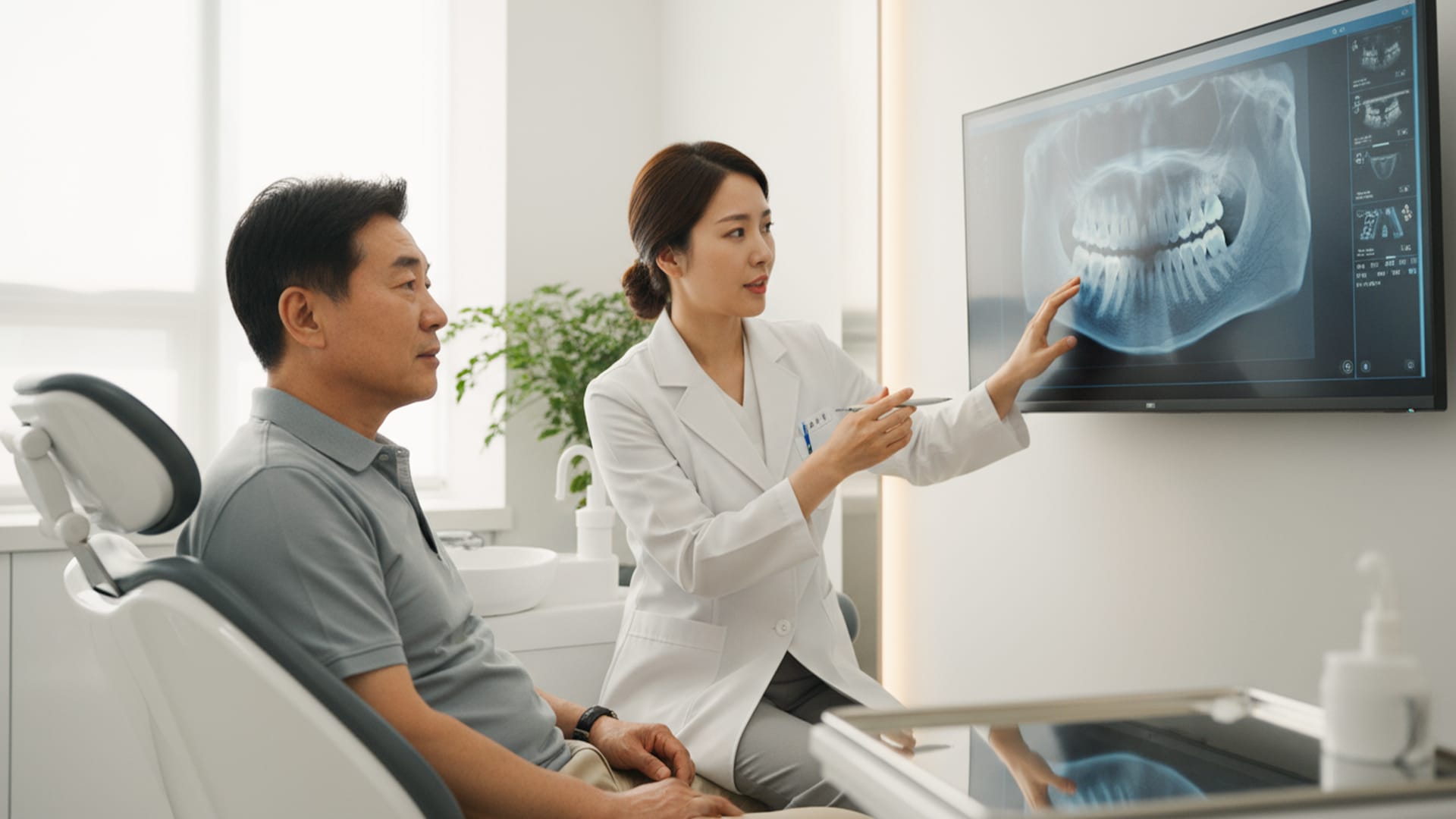
Implant re-implantation can be a daunting prospect, but it is a fully recoverable situation with the right diagnosis and treatment. Have the courage to consult a professional early. Remember, small maintenance habits and regular check-ups are the best insurance for the life of your implant. *Treatment results, duration, and experiences may vary depending on the individual's condition. Decisions must be made through a consultation with a qualified dentist.*
Sources
- Korean Dental Association. (2023). Implant Treatment Guidelines.
- Korean Academy of Oral and Maxillofacial Surgery. (2024). Management of Implant Complications.
- Esposito, M. et al. (2019). Interventions for replacing missing teeth: implant failure causes. Cochrane Database of Systematic Reviews.
※ The copyright for all content on this blog belongs to medihi. Unauthorized copying, distribution, or derivative use is strictly prohibited, and violations may result in legal action without prior notice.
Recommended reads
 medihi