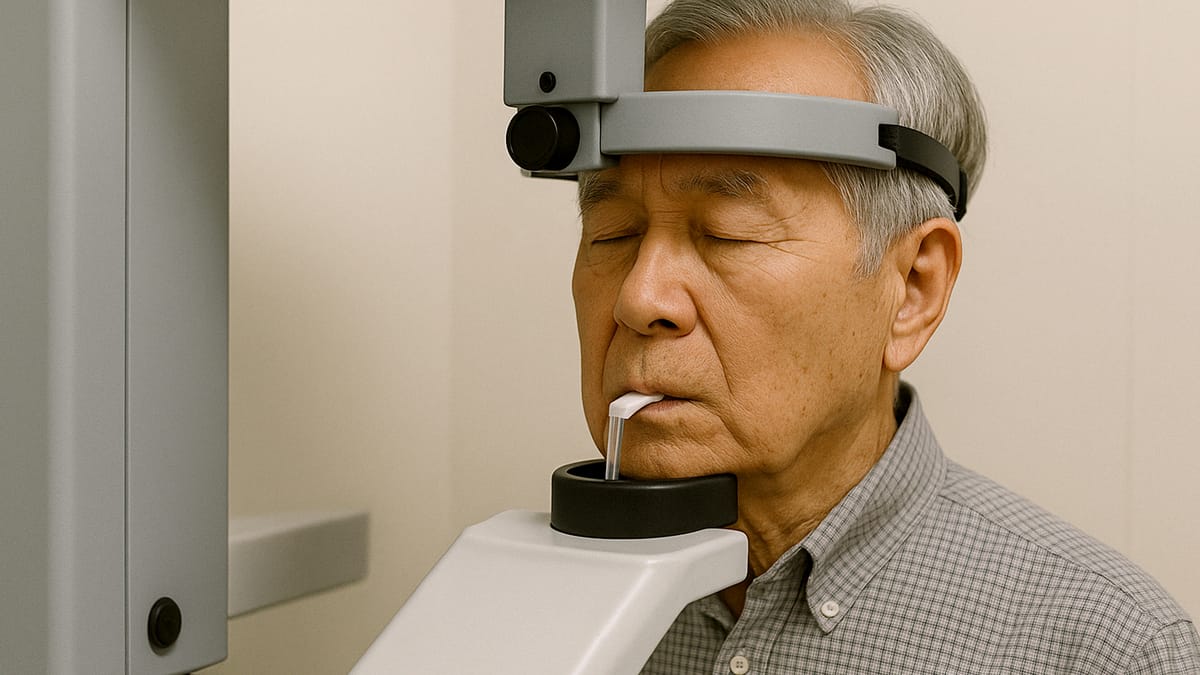

Learn about the symptoms requiring implant revision (mobility, pain, inflammation), the criteria for choosing a clinic, and the process for successful implant re-implantation.
"My implant keeps shaking. Do I need to have surgery again?"

There are more people than you might think who experience pain after dental implant treatment or encounter side effects like implant mobility. If a problem arises after you painstakingly decided on the initial surgery, it is only natural to feel worried and fearful, wondering, "Will the second surgery be okay?"
However, many people miss the appropriate treatment window due to vague anxiety about revision surgery. In this article, we will detail the four major symptoms requiring implant revision and the methods for successful re-implantation.
1.4 Major Symptoms Requiring Implant Revision
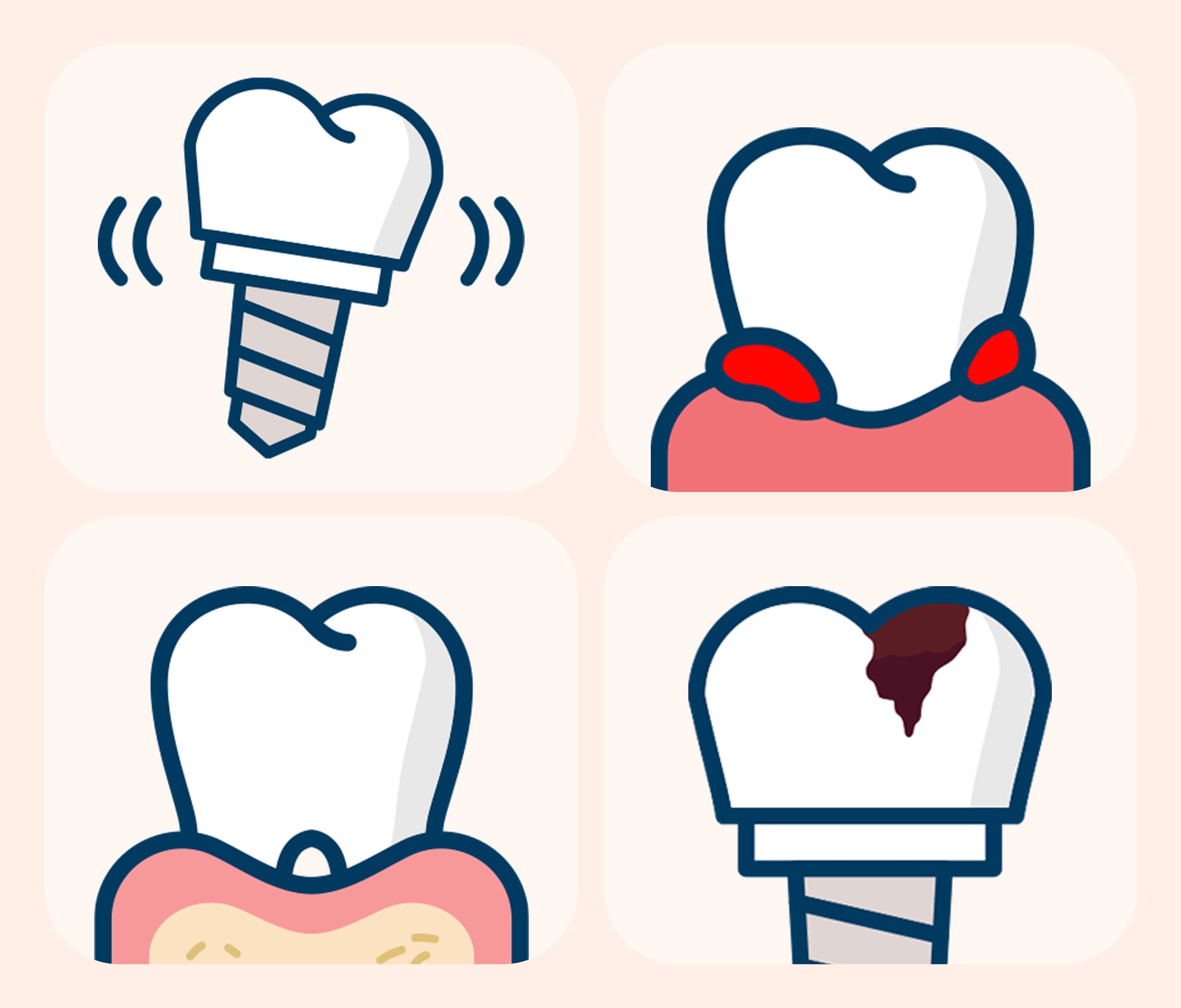
Even after successfully completing implant surgery, various problems can arise over time. In particular, if the following four symptoms appear, it is important to visit a dental clinic as soon as possible for an accurate diagnosis.
1) The implant feels shaky or like it might fall out
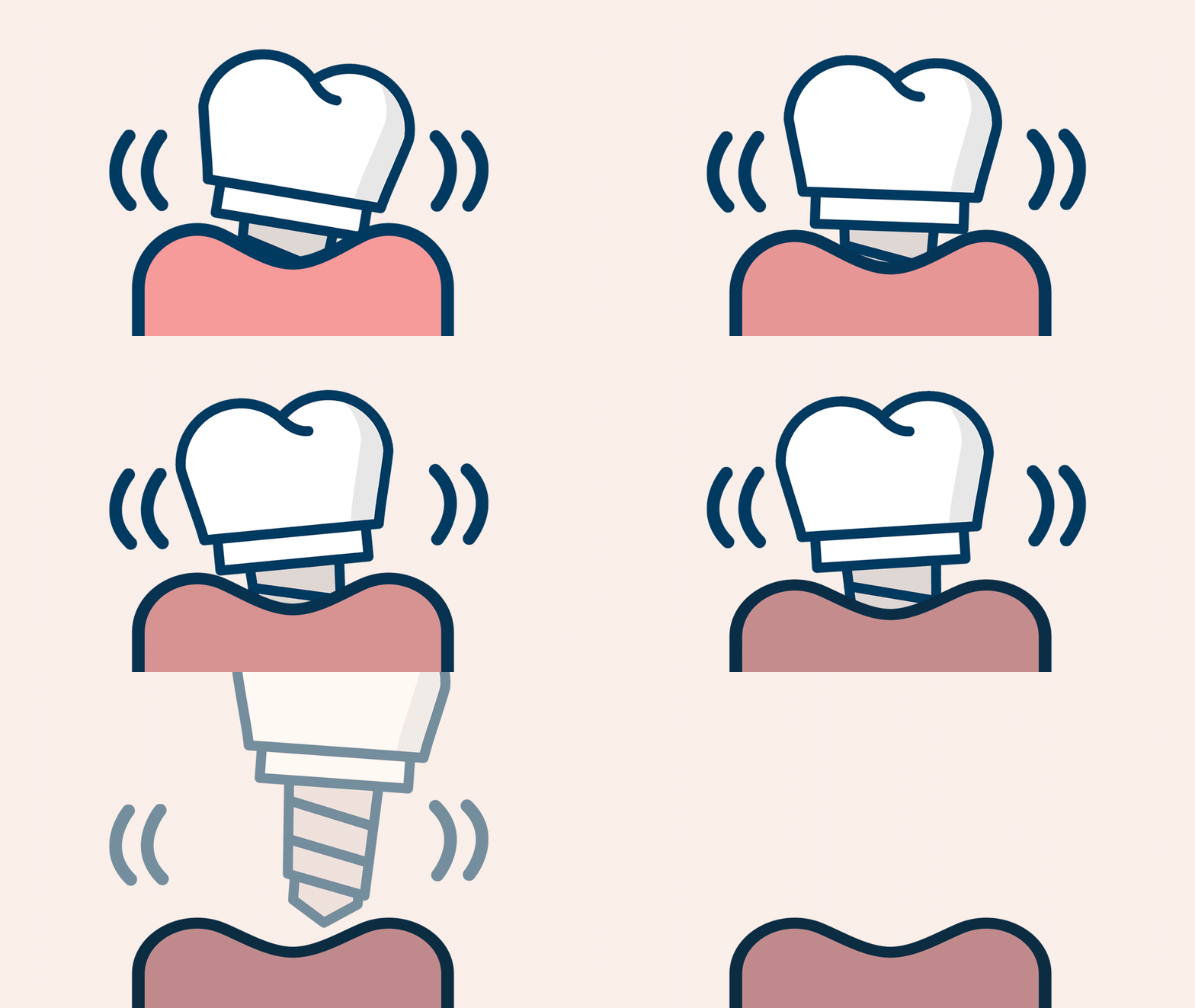
The causes of implant mobility can be largely divided into two categories: cases where the prosthetic component is shaky and cases where the implant root (fixture) is shaky.
- When the prosthetic is shaky: This occurs when the connecting screw has loosened or the adhesive holding the prosthetic has dissolved. This can be resolved with a simple procedure, such as retightening the screw or reapplying adhesive.
- When the implant root is shaky: This is a situation where the implant is failing to function because it did not properly integrate with the jawbone. In this case, the implant must be removed and revision surgery is necessary.
If an implant is shaky, visiting a dentist to identify the exact cause and receive appropriate treatment is vital.
2) The gums around the implant keep swelling and bleeding; it hurts whenever I brush
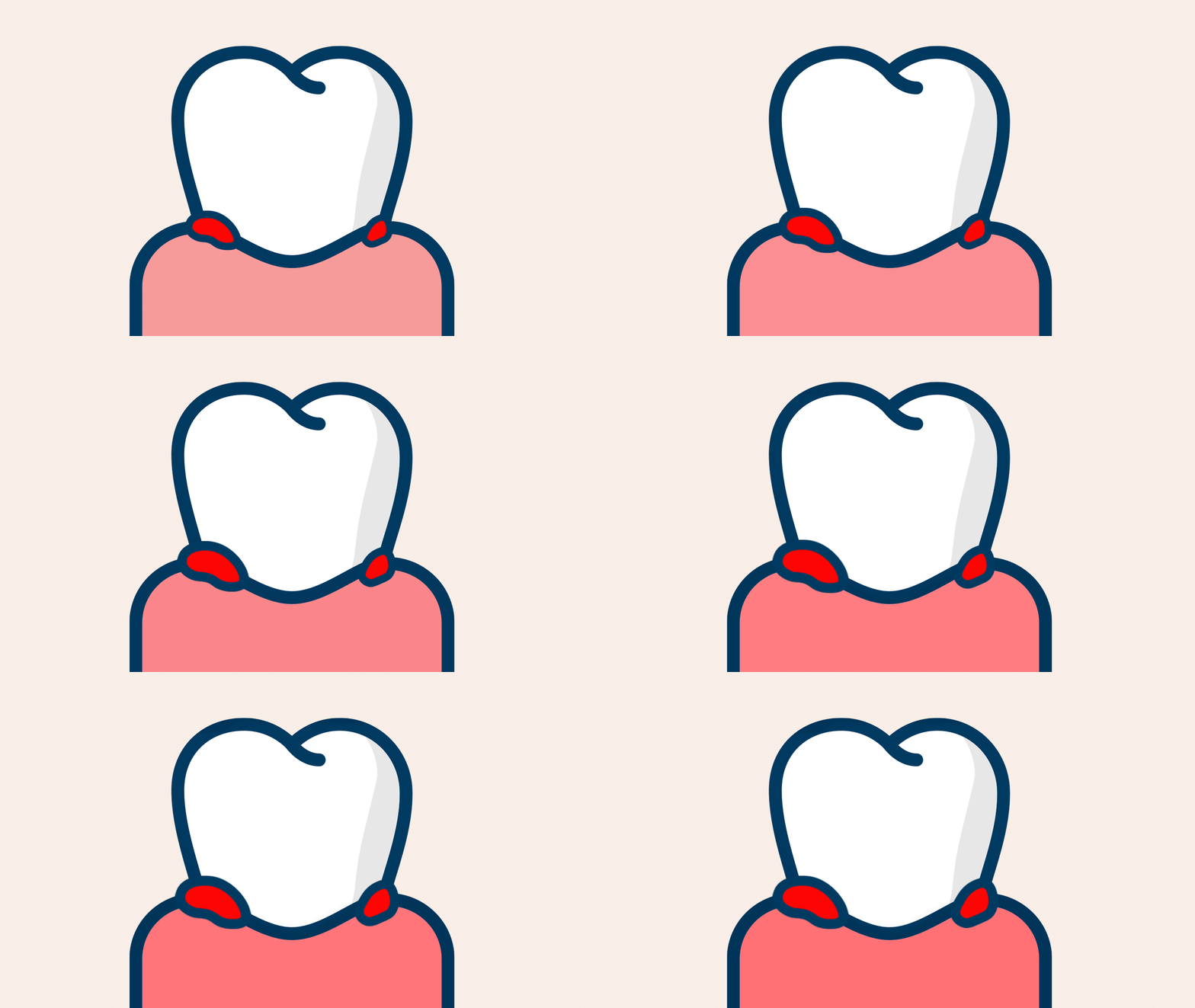
This is a classic symptom of peri-implantitis. As bacteria infect the area around the implant, chronic inflammation develops in the gums, leading to a state where even the jawbone can gradually become damaged.
If this inflammation is neglected, the jawbone dissolves, weakening the implant's stability, which can eventually lead to the implant falling out or infection spreading to surrounding teeth and tissues.
3) It’s been a few years since my implant, but chewing feels strange lately
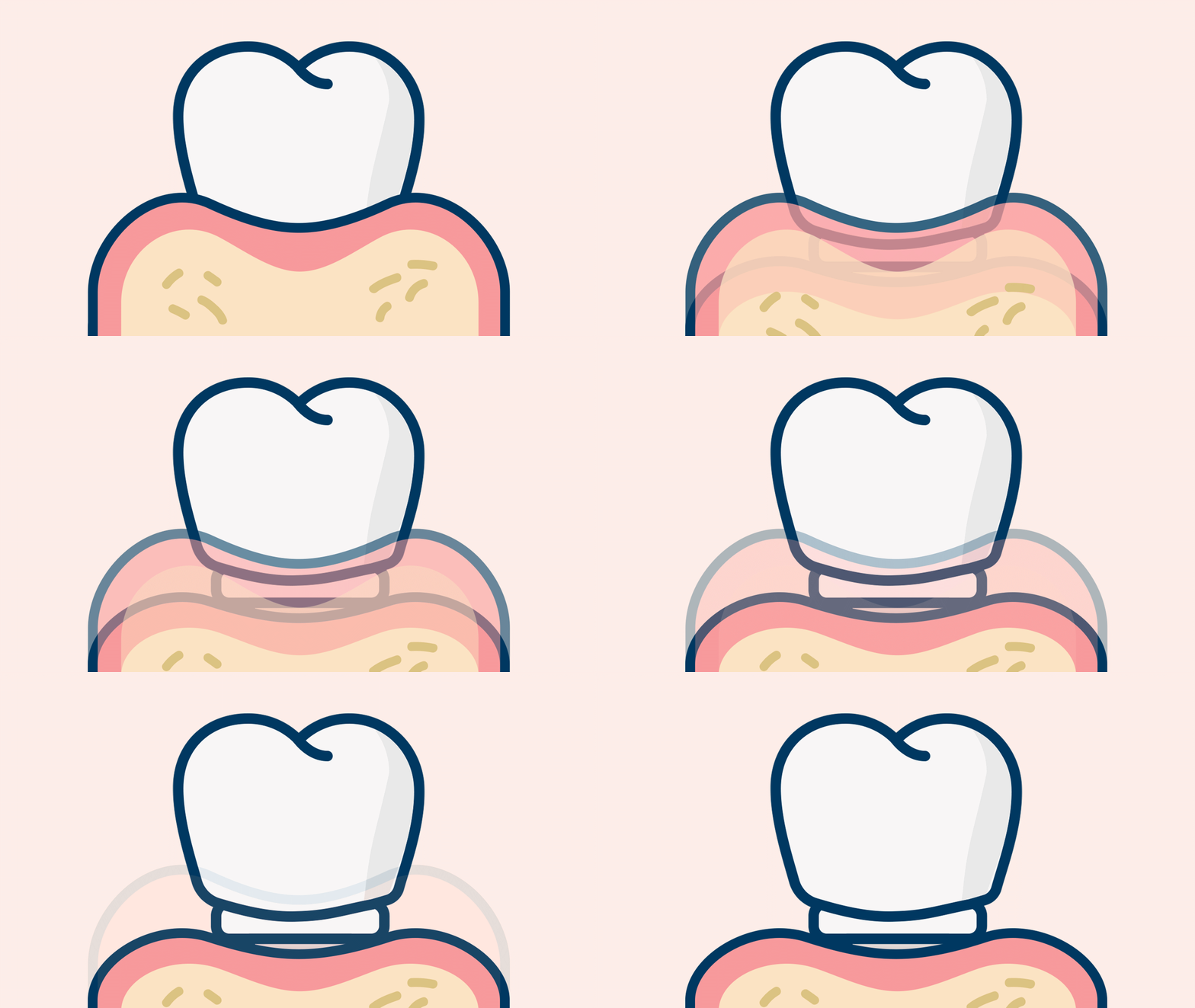
If inflammation occurs due to peri-implantitis, you may feel discomfort or pain when chewing. Additionally, while the implant itself does not move, the position of surrounding natural teeth can change, altering your bite (occlusion). This can result in a sensation where chewing feels strange or food is not being ground properly.
- If due to peri-implantitis: You must receive inflammatory treatment.
- If due to occlusal issues: Occlusal adjustment may be needed, or in some cases, a new implant prosthetic may need to be fabricated.
4) The prosthetic keeps getting loose and looks strange
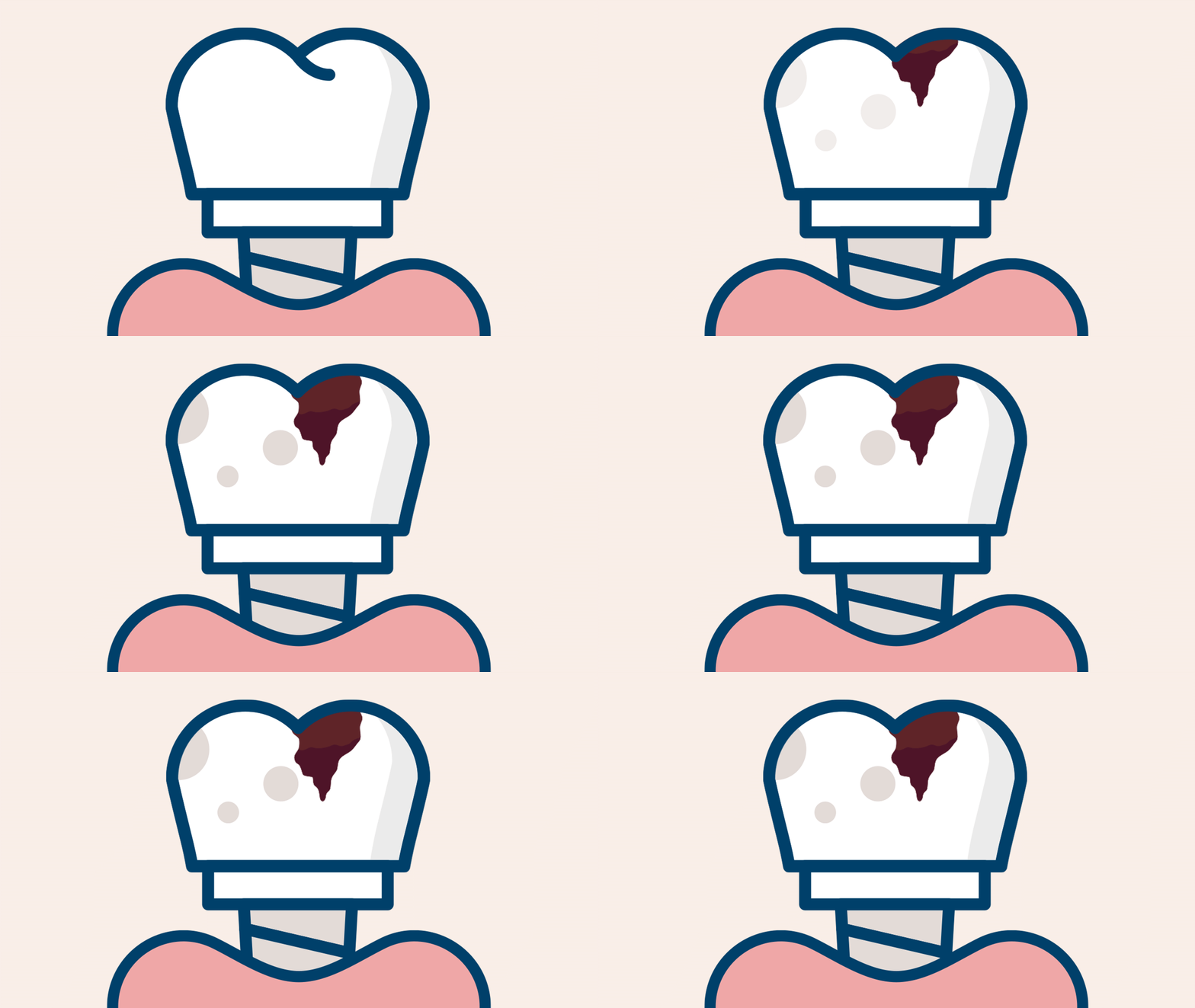
These symptoms appear when the implant prosthetic itself cracks or breaks, when hard or tough foods are chewed frequently, or when excessive force is applied due to habits such as bruxism (teeth grinding) or clenching. Strong occlusal forces can cause the prosthetic to break or shake. If the prosthetic is already damaged, it may need to be remade. To prevent this in the future, the following treatments can be considered:
- Night Guard (Splint): Reduces excessive occlusal force caused by grinding habits to prevent prosthetic damage.
- Botox Injection: Helps reduce grinding or daily occlusal force by weakening the jaw muscles.
2. The Process of Implant Revision: From Precision Diagnosis to Surgery
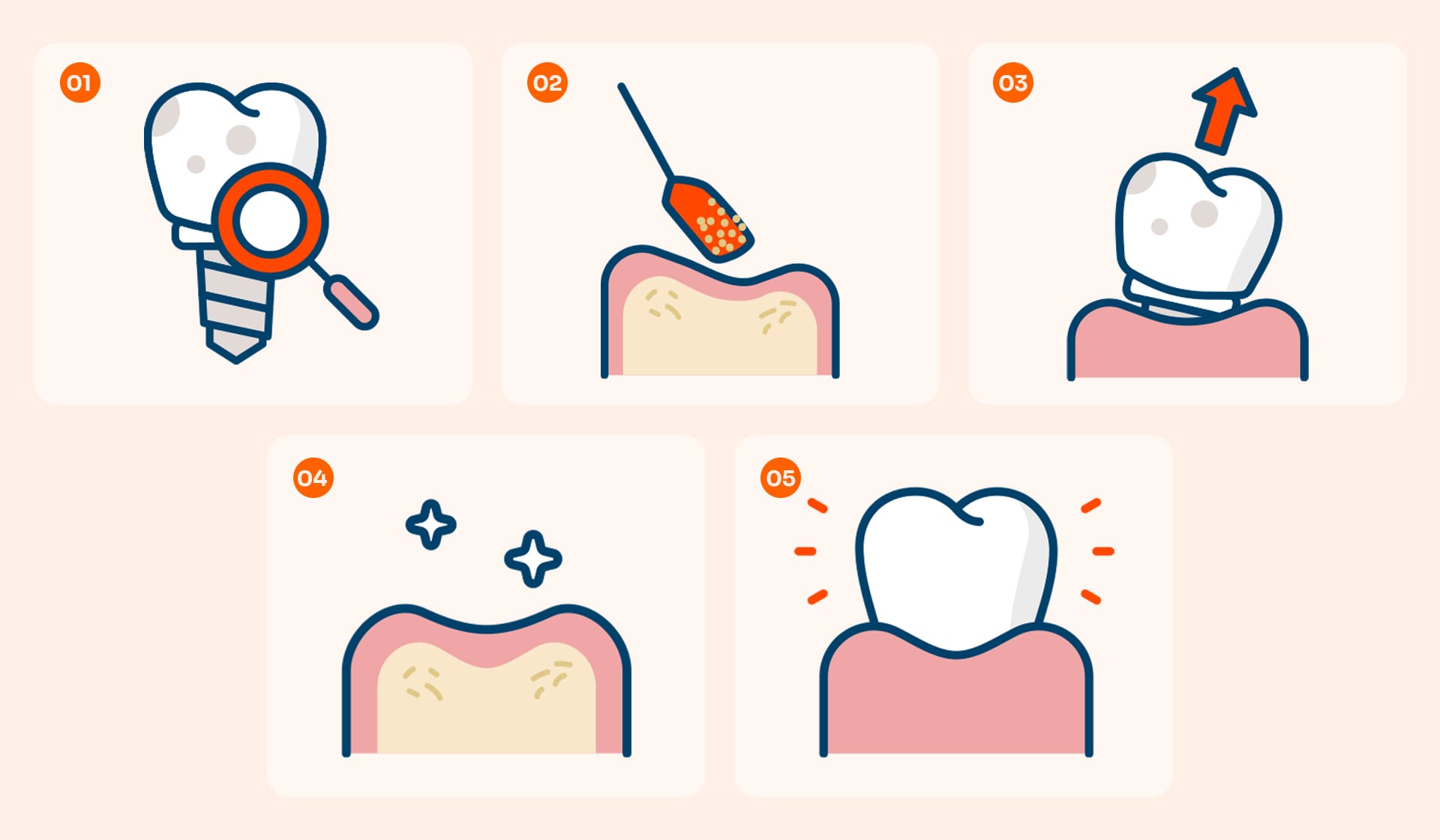
While individual patient conditions vary, the process generally consists of five stages and takes approximately 4 to 6 months.
- Precision Diagnosis: First, the current state is accurately identified using 3D CT and oral scanners.
- Removal of Existing Implant & Debridement: The failed implant is safely removed, and the surrounding infected tissue is thoroughly cleaned.
- Bone Grafting & Gum Treatment: If the jawbone is insufficient or damaged by inflammation, a solid foundation for the implant is created through bone grafting. Depending on the patient's bone condition, a new implant may be placed simultaneously with the bone graft. This can shorten the treatment period compared to performing bone grafting alone.
- Recovery Period: A sufficient recovery period of about 2 to 4 months is taken to allow the new bone and gums to settle healthily. During this time, the "osseointegration" process—where the implant and bone bond—takes place, so it is important to wait patiently.
- New Implant Placement & Final Prosthetic Attachment: After the gums and bone have fully recovered, the new implant is placed and the final prosthetic is attached to complete the treatment.
3. Choose a Clinic Like This for Implant Revision
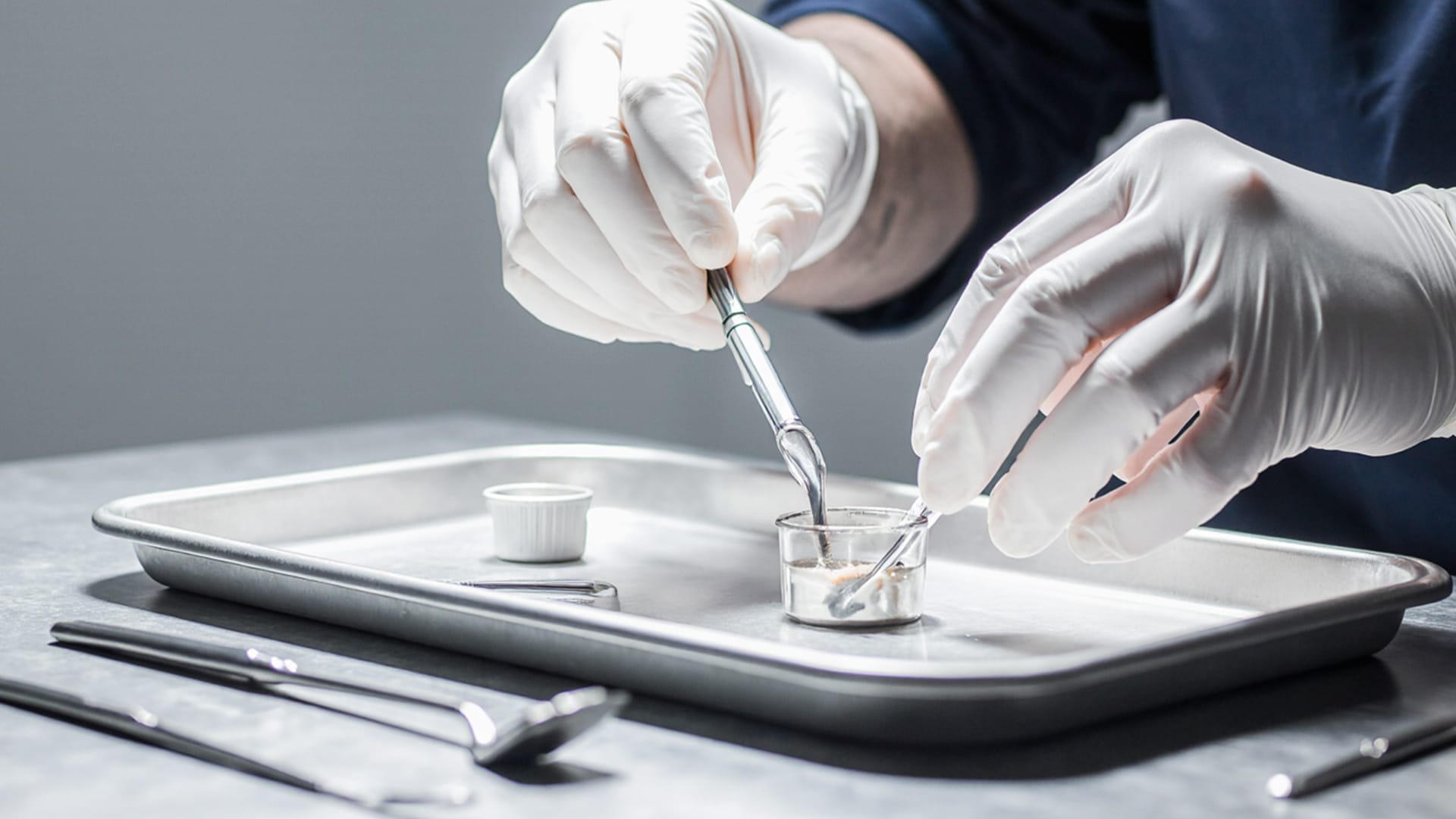
Implant revision surgery is much more demanding than the first surgery and requires high-level technical skills. If you are experiencing symptoms requiring revision, be sure to check these four criteria:
- Precision Diagnostic System
- Clinics capable of 0.1mm precision diagnosis using 3D CT and digital occlusal analyzers.
- Clinics that perform integrated evaluations of CT, occlusion, and systemic risk factors.
- Clinics with high reproducibility between planning and execution using surgical guides.
- Clinics that transparently explain diagnosis results using visual materials.
- Individually Customized Treatment
- Clinics that establish individual plans reflecting systemic health, lifestyle, and oral hygiene.
- Clinics that standardly apply risk factor questionnaires and personalized protocols.
- Clinics that adjust occlusal coaching, hygiene education, medication, and schedules per patient.
- Experience in High-Difficulty Revision Surgery
- Clinics with a verified portfolio of complex and revision surgery cases.
- Clinics that have handled high-difficulty cases such as sinus lifts, extensive bone loss, and areas near nerves.
- Clinics with accumulated team experience and protocols for responding to complications.
- Systematic Aftercare
- Clinics that operate follow-up management and regular check-ups at 1, 3, and 6 months.
- Clinics with structured occlusal re-evaluation, scaling, and home-care education.
- Clinics with dedicated management programs for high-risk groups such as smokers or those with diabetes.
4. Frequently Asked Questions (FAQ)
Q. How much does implant revision surgery cost?
Since it varies depending on the patient's condition and the required scope of treatment, the exact cost can be confirmed through consultation after a precision diagnosis.
Q. How long is the recovery period after re-implantation?
There are individual differences, but it usually takes about 2 to 4 months. It may take longer if bone grafting is required, and during this period, you can wear a temporary prosthetic to live without discomfort.
Q. Is there a possibility of failure even after revision surgery?
If the fundamental cause of failure is resolved through accurate diagnosis and treatment, and if thorough aftercare is maintained, the success rate is high, at over 95%.
Q. I have implant pain; do I absolutely need revision surgery?
If you have symptoms such as pain, mobility, or inflammation, it is important to visit a dentist immediately for an examination. In some cases, the issue can be resolved through inflammatory treatment alone without the need for revision surgery.
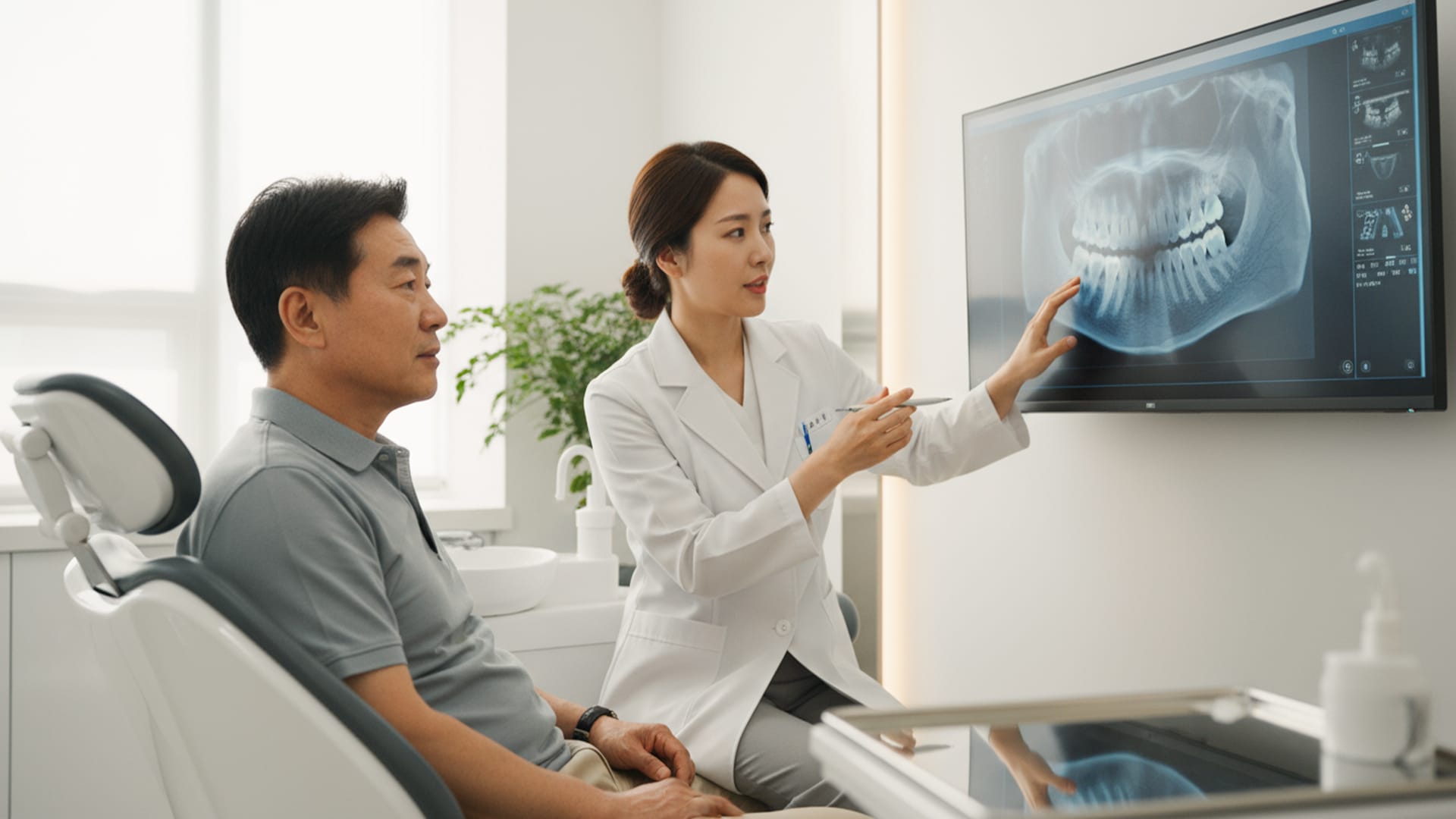
Dental implants are more than just a replacement for teeth; they are vital companions that protect your quality of life. With early detection and proper care, they can remain comfortable for a long time. Instead of worrying alone, checking your current dental health today is the most certain first step to preserving your implants
Sources
- Buser, D., et al. (2017). Long-term outcomes of dental implants with a rough surface placed in the posterior mandible: A 10-year prospective study. Clinical Implant Dentistry and Related Research, 19(1), 12-22.
- Misch, C. E. (2008). Contemporary Implant Dentistry. Elsevier Health Sciences.
- The American Academy of Periodontology. (2018). Guideline on Periodontal and Peri-Implant Diseases and Conditions. Journal of Periodontology.
※ The copyright for all content on this blog belongs to medihi. Unauthorized copying, distribution, or derivative use is strictly prohibited, and violations may result in legal action without prior notice.
Recommended reads
 medihi