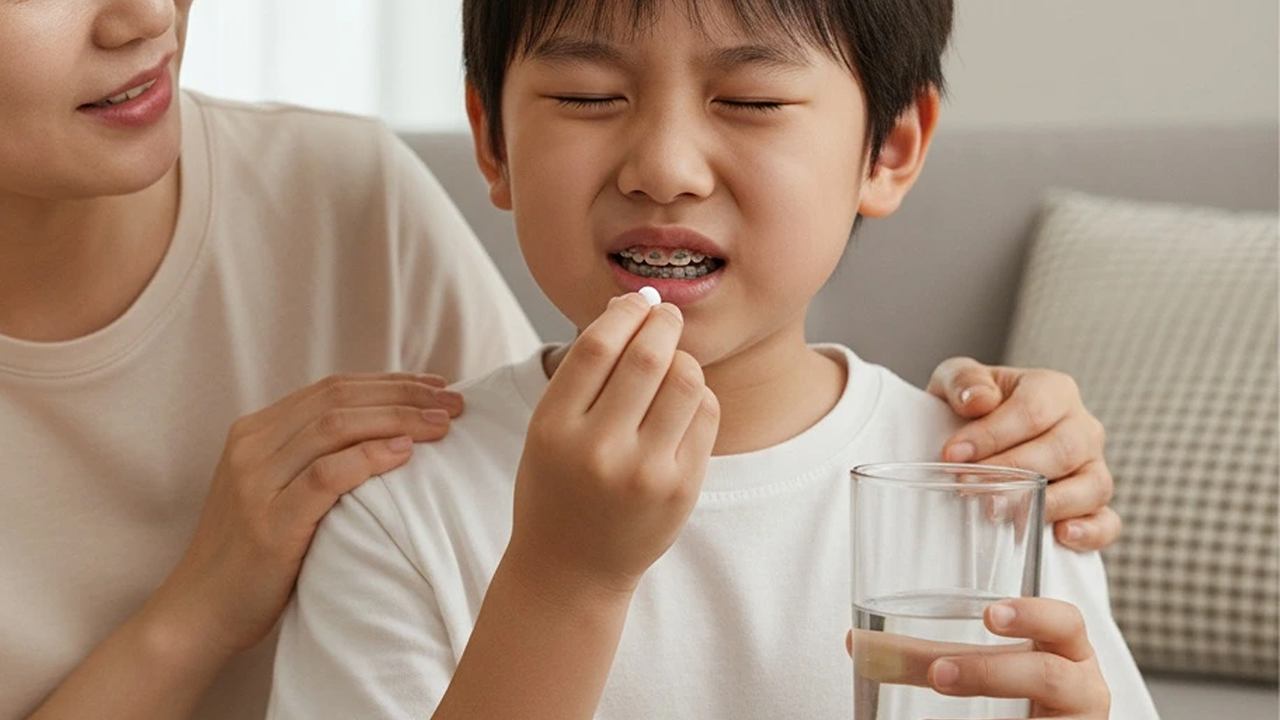

Worried about what your child can eat with braces? Discover 7 safe, soft food options, a 3-day post-adjustment meal plan, and foods to avoid to prevent broken brackets.
"My child says it hurts too much to chew after the adjustment."
"They are just swallowing food without chewing..."
"I'm worried about nutrition because they only eat porridge."
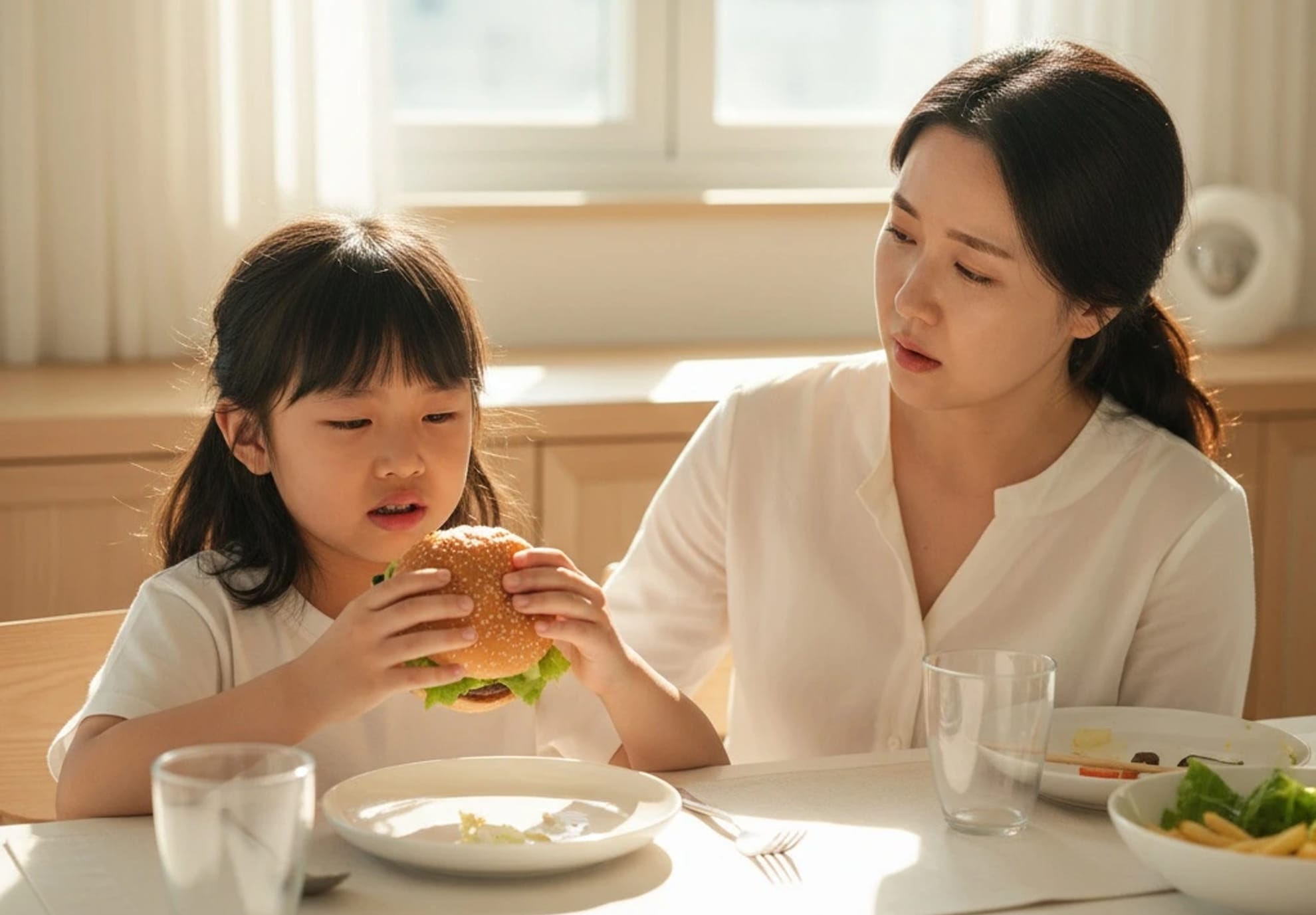
If your family has just started the orthodontic journey, these are common concerns. The discomfort and foreign sensation immediately after getting braces or tightening wires can make managing your child's eating habits a challenge.
However, orthodontic treatment is more than just straightening teeth; it is a crucial process for a growing child's health. Proper nutrition is essential during this time.
This guide outlines everything parents need to know about diet management during orthodontic treatment, including practical menus you can put on the table today and routines to help your child adapt.
1.Why Diet Management Affects Orthodontic Results
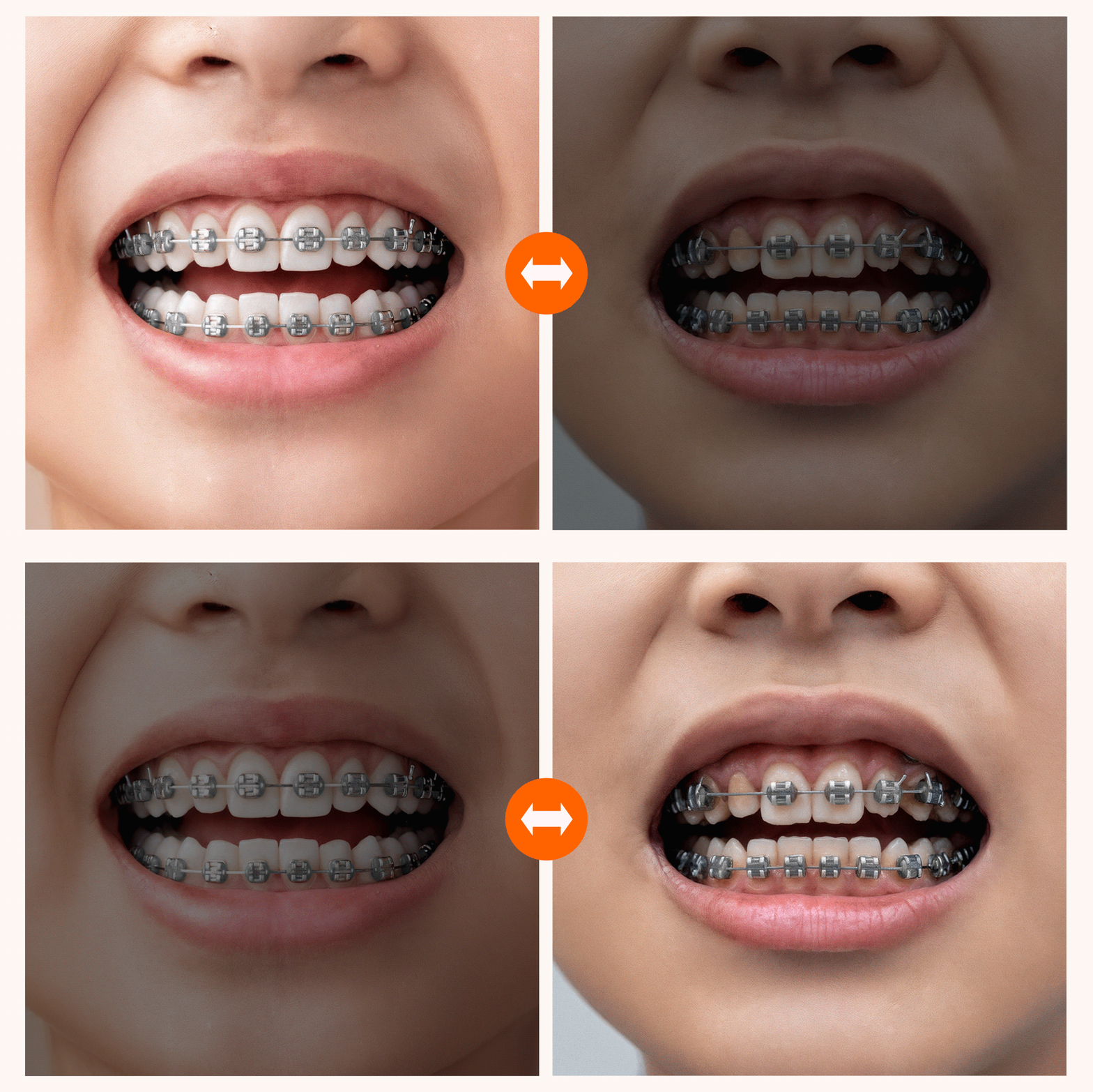
Poor eating habits during orthodontic treatment cause more than just discomfort.
Chewing hard or tough foods is a primary cause of broken brackets or bent wires. When the appliance is damaged, tooth movement may stop or proceed in an unwanted direction, potentially prolonging the treatment duration.
Additionally, sticky and sugary foods easily adhere to the braces, creating a thicker layer of plaque. If not removed properly, the acid produced by bacteria can lead to cavities and gum inflammation.
These issues often result in frequent emergency visits and additional discomfort, adding psychological stress to your child. Therefore, establishing a habit of avoiding problematic foods and eating correctly is vital. The entire process of orthodontic treatment is an organic relationship where diet, oral environment, and treatment results influence each other.
2.What Can My Child Eat with Braces?
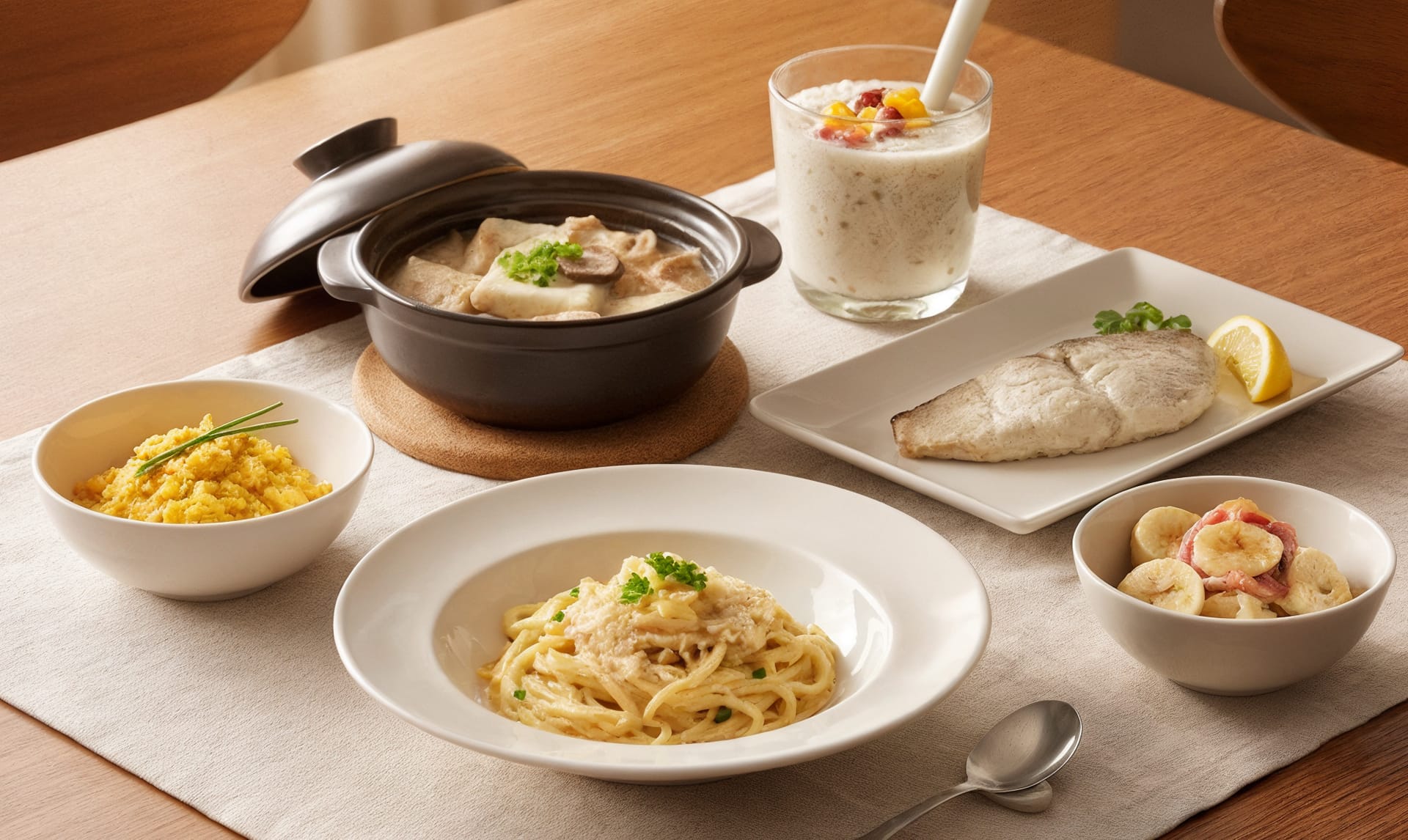
For the first few days after bonding braces, the pressure on the teeth can make chewing feel uncomfortable. During this period, meals should focus on soft foods to minimize the burden on the teeth.
However, the misconception that orthodontic patients must strictly eat a liquid diet is not true. The goal is to reduce initial discomfort, protect the appliance, and supply sufficient nutrients for your growing child.
Here are 7 braces-friendly foods your child can enjoy safely. These also make great snack recommendations.
[7 Recommended Foods & Snacks for Braces]
| Food Category | Why It’s Good | Prep & Eating Tips (Protecting Brackets) | Menu Examples |
| Soups & Porridges | Low burden for initial discomfort; hydration & nutrition. | Serve warm (not scalding); minimize hard toppings. | Pumpkin soup, Cream of mushroom soup, Oatmeal. |
| Pasta & Noodles | Carbohydrate source; requires minimal chewing. | Cook softer than 'al dente'; cut into small pieces with scissors. | Macaroni and cheese, Soft cream pasta, Ramen. |
| Cooked Veggies | Vitamin & fiber intake. | Steam until very soft or mash into a puree. | Mashed potatoes, Steamed carrots, Squash puree. |
| Soft Proteins | Essential for growth. | Remove bones/gristle; shred or mince finely. | Baked white fish, Shredded chicken, Meat sauce. |
| Egg Dishes | Complete protein; versatile cooking options. | Keep it moist (scrambled or steamed). | Scrambled eggs, Steamed egg custard. |
| Yogurt & Soft Cheese | Calcium boost; smooth texture. | Choose low-sugar/plain; rinse mouth with water after eating. | Plain yogurt, Ricotta/Cottage cheese, String cheese (torn). |
| Soft Fruits & Puddings | Vitamin source; snack alternative. | Avoid unripe/hard fruits; no sticky jellies. | Bananas, Ripe peaches, Applesauce, Pudding. |
3.The 3-Day Post-Adjustment Routine
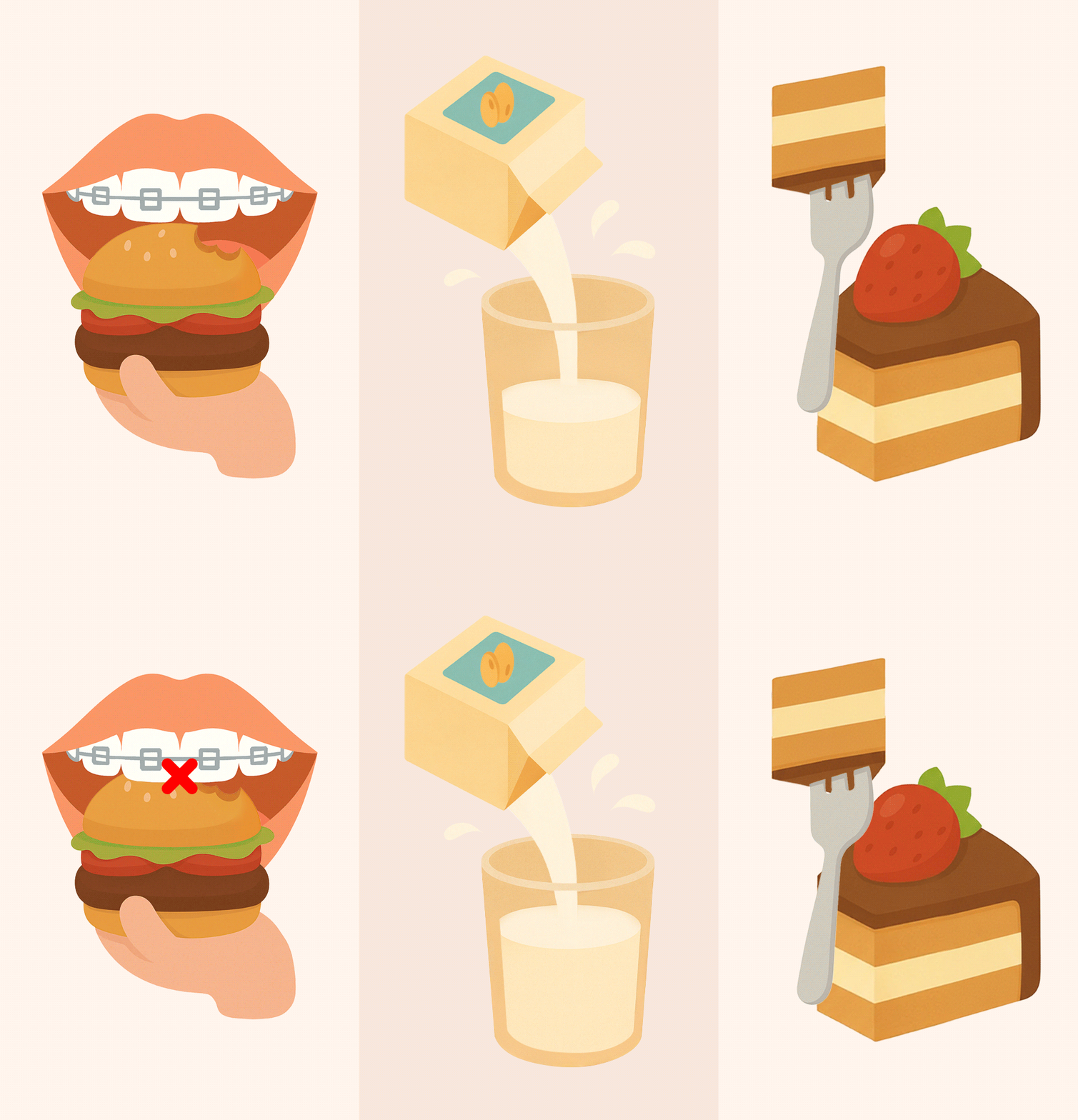
Many children say, "The day after the adjustment hurts the most." They are hungry, but chewing causes soreness, killing their appetite. Therefore, for the first 48–72 hours, how you graduate the texture is more important than exactly what they eat.
This 3-day routine helps manage discomfort while ensuring nutrition, helping your child naturally return to a regular diet.
Step-by-Step Meal Guide
- Phase 1: Day 1-2 (Soft & Soothing) Immediately after an adjustment, chewing can be painful. Prepare foods that can be swallowed with minimal effort.
- Menu: Soups, smoothies, yogurt, steamed eggs, or silken tofu.\
- Phase 2: Day 3+ (Chewing Practice) Once the initial soreness subsides, it is time to practice gentle chewing.
- Menu: Soft-cooked rice/risotto, moist pasta, and baked fish.
- Tip: Add small amounts of shredded chicken or ground meat to boost protein intake.
Care & Snack Tips
- Snacks: Plain yogurt, bananas, smoothies.
- Soothing: Cold water or chilled yogurt can help soothe soreness.
- Hygiene Routine: Rinse with water → Brush (fluoride toothpaste) → Floss/Interdental brush.
4.Foods to Avoid & Safe Alternatives
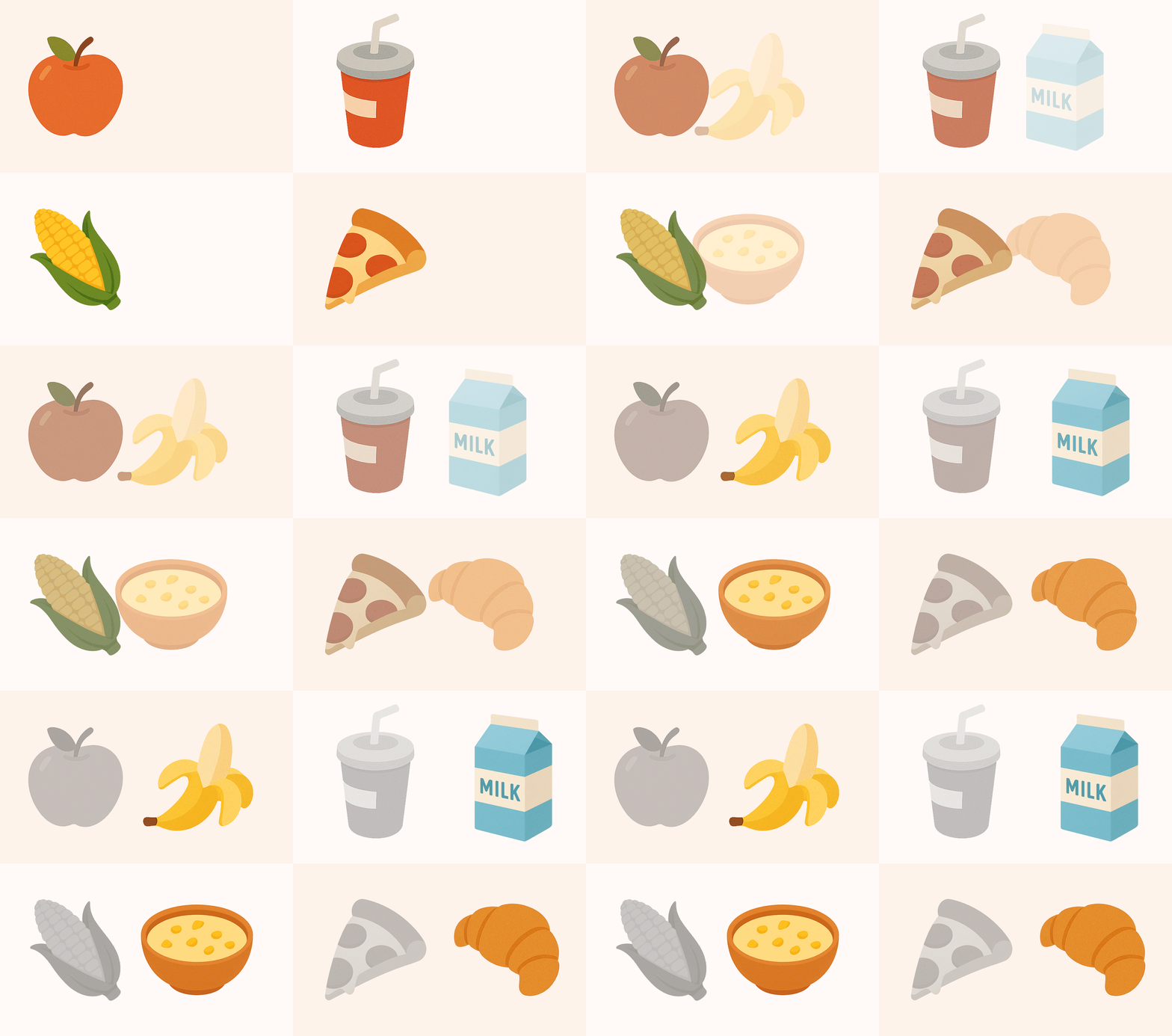
We understand the anxiety parents feel about their child's diet. You might worry that hard or tough foods will pop a bracket or bend a wire. Knowing which foods damage appliances allows you and your child to navigate the treatment period with peace of mind.
The "Watch Out" List
Hard, tough, and sticky foods can damage braces and delay treatment. Foods that require biting into with front teeth (like whole apples or corn on the cob) are particularly risky due to the impact force.
- Rule: Cut food into small pieces and chew with back teeth. Avoid tough textures entirely.
| Foods to Avoid | How to Eat Safely & Alternatives |
| Whole Apples / Corn on the Cob | Slice apples thinly; cut corn off the cob. Or choose applesauce/fruit puree. |
| Hard Crusts / Baguettes | Eat soft bread or the inside only; remove hard crusts. |
| Hard Nuts / Ice | Substitute with yogurt or soft cheese for protein/calcium. Never chew ice. |
| Sticky Caramels / Gummies | Replace with soft pudding or plain yogurt. |
| Soda / Sports Drinks | Stick to water and milk. If consumed, rinse with water immediately. |
| Tough Jerky / Dried Squid | Choose soft steamed fish or shredded chicken for protein. |
| Chewy Rice Cakes (Mochi) | Substitute with soft risotto or cooked rice. |
Lunchbox & Social Event Tips
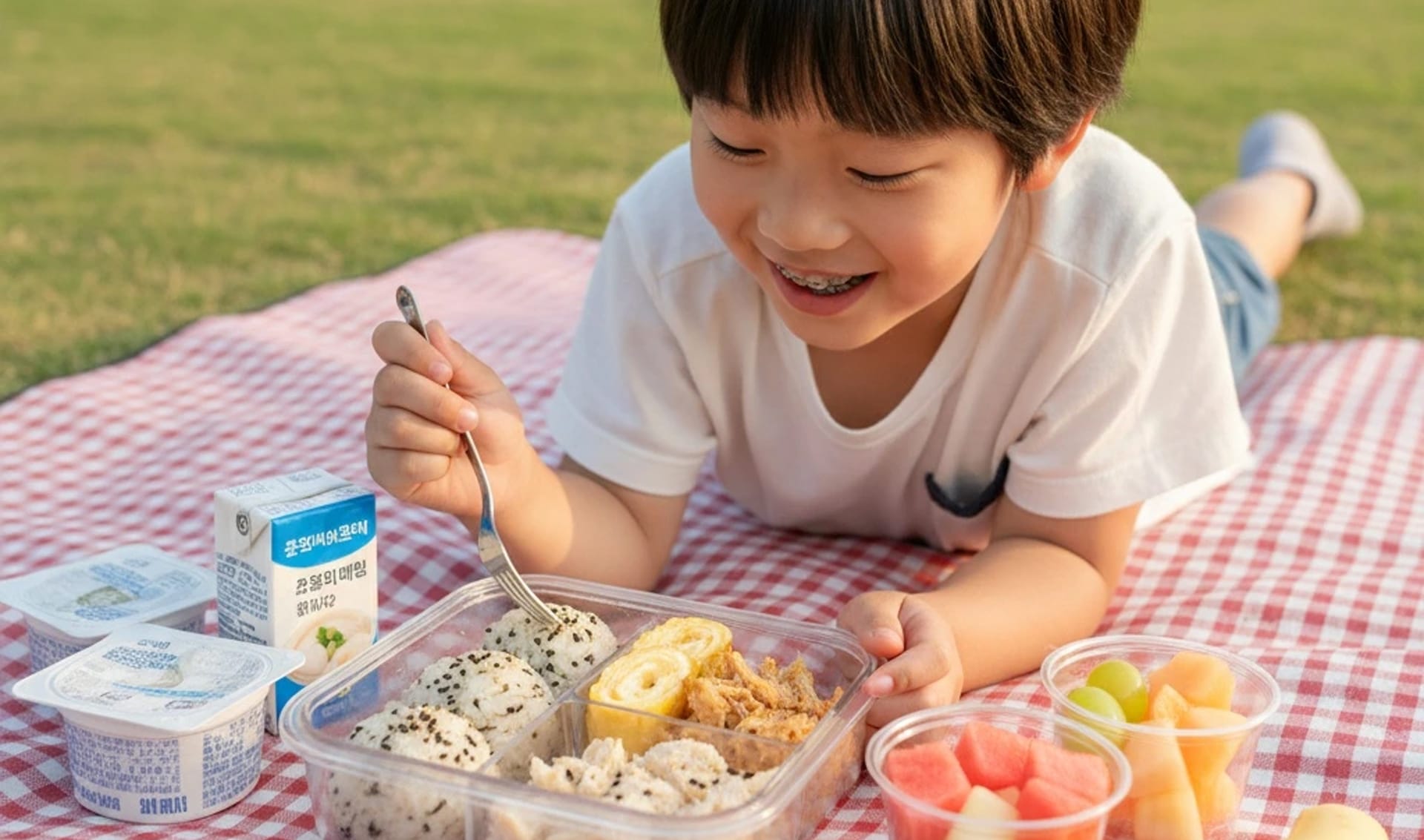
Accidents often happen at birthday parties, picnics, or school lunches where menu choices are limited. A mix of whole apples, popcorn, pizza crusts, nuts, sticky candy, and soda creates a "danger zone" for braces.
Picnic Lunchbox:
- Pack soft mini rice balls, rolled omelets (Tamagoyaki), boneless fish, or shredded chicken.
- For fruit, pack bite-sized bananas or cut soft fruits.
On-the-Go Snacks:
- Plain yogurt, soy milk, and bananas are the safest choices at a convenience store.
Parties:
- Cake: Cut into small bite-sized pieces to eat with a fork.
- Ice Cream: Choose cups over cones to avoid biting into hard frozen sections.
3 Golden Rules for Safe Eating
How your child eats is just as important as what they eat. Following these three rules can significantly reduce emergency visits.
- Cut into Bite-Sized Pieces: All food should be small enough to pop into the mouth without biting off.
- Use Back Teeth: Biting with front teeth is a leading cause of broken brackets.
- Eat Slowly: Avoid hard/tough foods and chew slowly and thoroughly.
5.Frequently Asked Questions (FAQ)
Q. What should my child choose for school lunch?
School cafeterias can be tricky. Encourage your child to choose softer options like soups, eggs, tofu, mashed potatoes, or stewed chicken. Advise them to skip deep-fried items with hard batters or tough meats. If fruit is served whole, they should cut it up or skip it if it’s too hard (like a whole pear).
Q. What are good convenience store snacks?
If you need a quick snack, plain yogurt, soy milk, or a banana are the safest bets. If choosing a sandwich, opt for something soft like an egg salad sandwich rather than a chewy bagel or baguette. Always rinse with water afterwards.
Q. How do I ensure they get enough protein?
Growing kids need protein. To maintain nutritional balance, include soft proteins like fish, chicken, ground meat, eggs, and tofu in their main meals. For snacks, use yogurt, soft cheese, or soy milk. Choosing low-sugar options helps prevent cavities.
Q. Is sugar-free gum okay?
Some studies suggest that chewing sugar-free gum can help reduce pain by increasing blood flow. However, gum carries a risk of sticking to the appliance or bending wires. It is best to limit use to short periods (5-10 minutes) and always consult your orthodontist before giving gum to your child.
Q. Are there foods they absolutely cannot eat whole?
Yes. Whole apples, corn on the cob, and large burgers/sandwiches that require biting with front teeth put immense stress on the brackets. These must be cut into bite-sized pieces. This small habit prevents broken brackets and helps keep treatment on schedule.
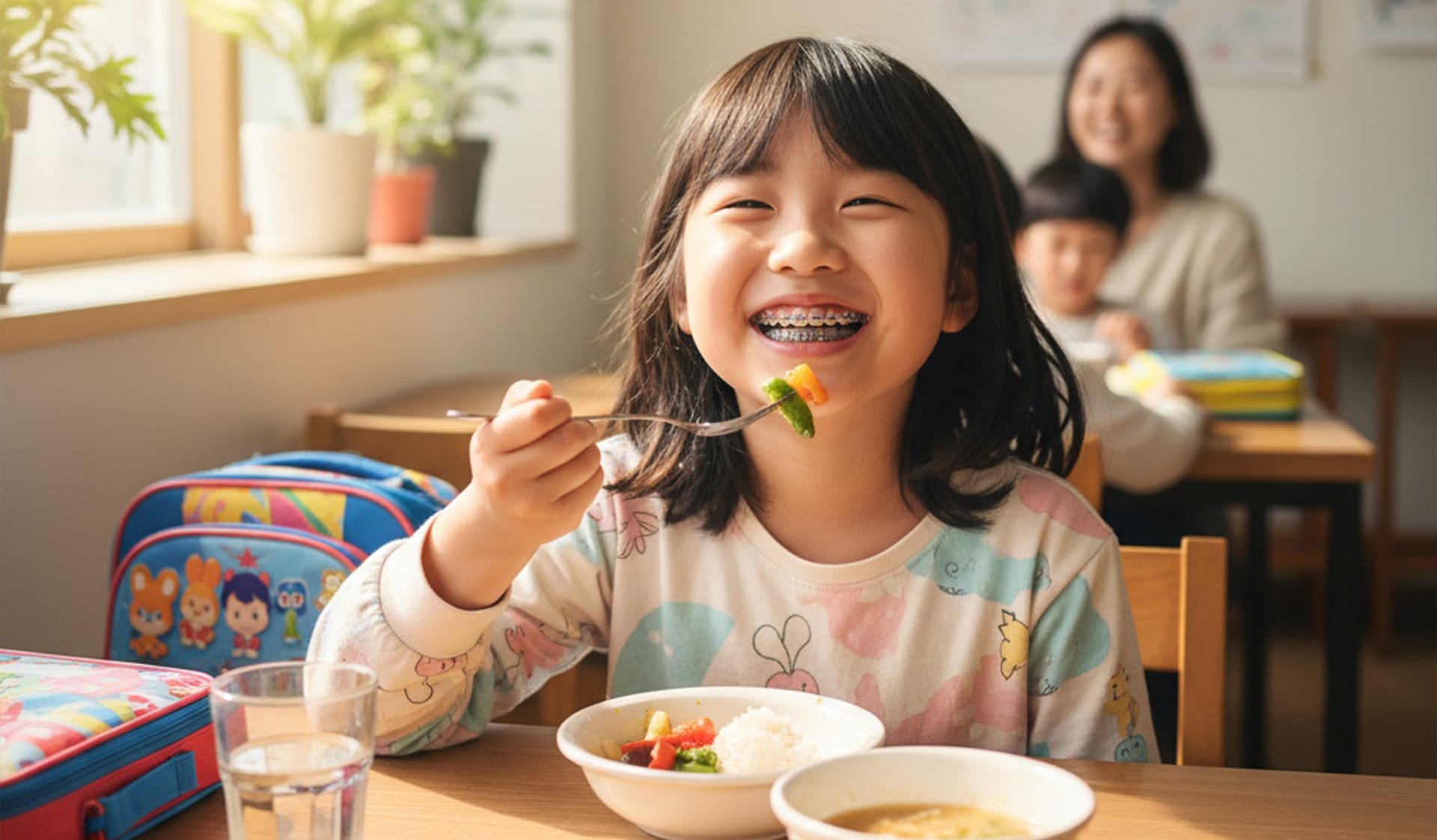
Seeing your child in braces can be worrisome, but by remembering "Soft, Small, and Slow," they will quickly adapt to their new eating habits. Orthodontic treatment is a team effort involving the doctor, the parent, and the child. We hope this guide helps ease your concerns and supports your child's healthy journey to a beautiful smile.
Sources
- Seoul National University Dental Hospital, Dept. of Orthodontics. (n.d.). FAQ: Diet & Hygiene Instructions During Orthodontic Treatment.
- Korean Association of Orthodontists. (n.d.). What is Orthodontics: Precautions and Issues.
- Celebi, F., Bicakci, A. A., & Kelesoglu, U. (2021). Effectiveness of low-level laser therapy and chewing gum in reducing orthodontic pain: A randomized controlled trial. Korean Journal of Orthodontics, 51(5), 313–320.
※ The copyright for all content on this blog belongs to medihi. Unauthorized copying, distribution, or derivative use is strictly prohibited, and violations may result in legal action without prior notice.
Recommended reads
 medihi