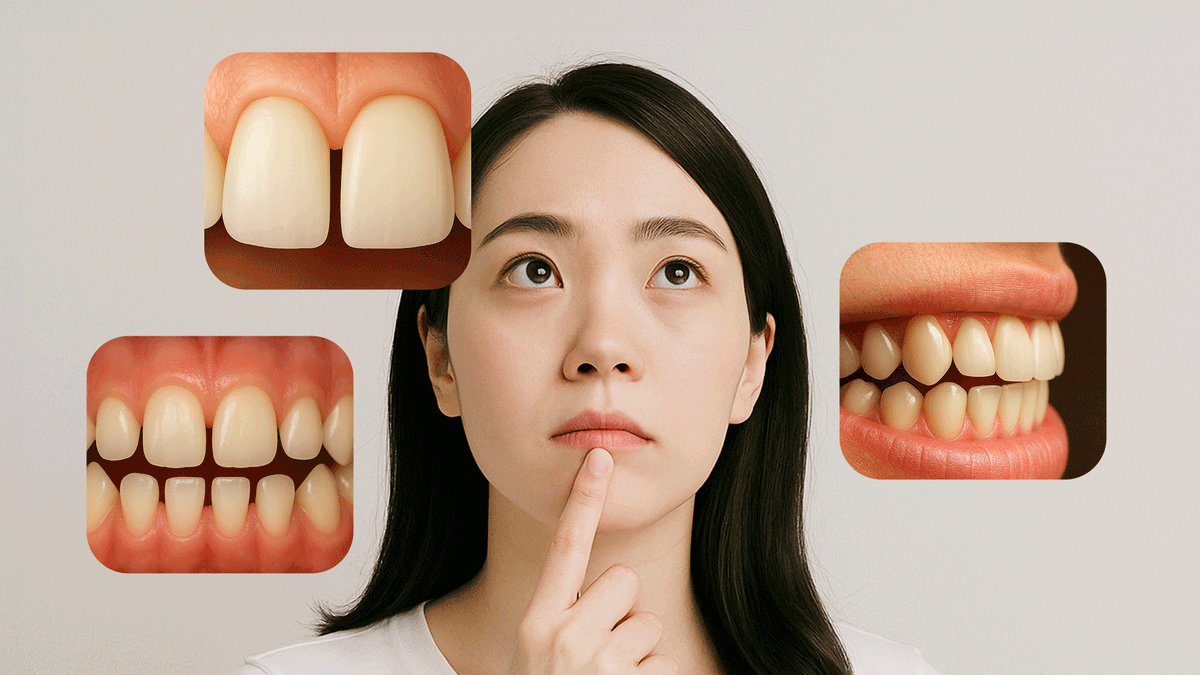

We explain, in simple terms, why at-home whitening often has limited results and how veneers may help.
“No matter how much I use whitening toothpaste, the color of my teeth stays the same.”
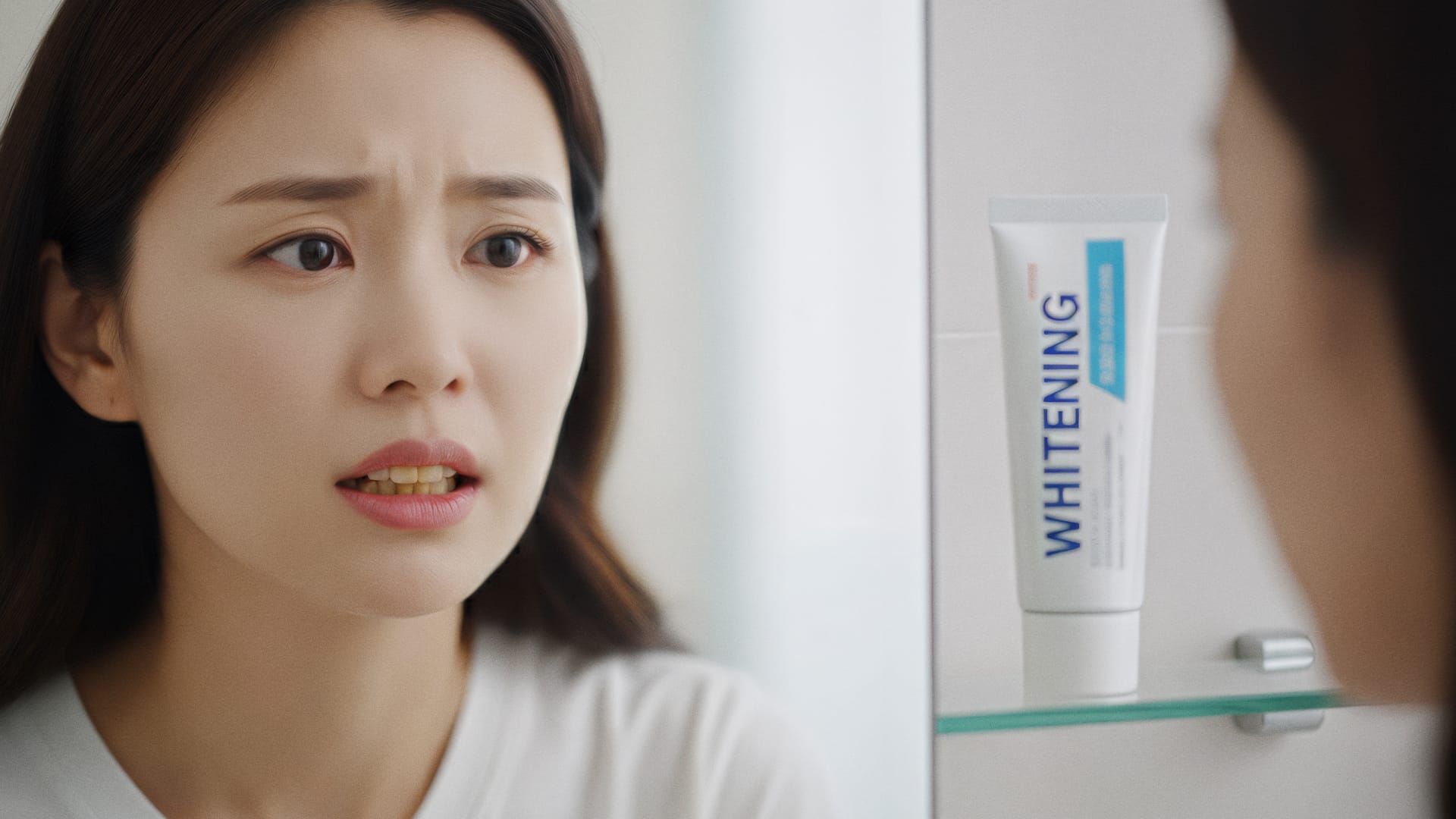
This is a common complaint for people over 30. It's typical for teeth to yellow due to coffee, wine, or smoking. However, self-administered whitening can only go so far. This article details the reasons for this limitation and how you can restore a bright smile with veneers.
1.Why is Self-Whitening Often Ineffective?

Many people believe that "whitening toothpaste" or "home whitening patches" are sufficient. However, this is often not the case.
The key whitening ingredient, hydrogen peroxide, works by penetrating the outer surface (enamel) of the tooth and breaking down external stains caused by coffee, wine, or smoking. It's similar to using detergent to remove stains from a white shirt.
The problem is that the hydrogen peroxide concentration in over-the-counter products is very low, typically 3% or less. This concentration is insufficient to eliminate pigments that have seeped deep inside the tooth. Compared to professional whitening agents used in a dental office (approximately 35%), the difference in effectiveness is about 10 times or more.
Furthermore, the tooth structure itself can make whitening difficult. If the discoloration is not merely an external stain but the tooth's intrinsic color is dark—making the yellow inner layer show through—whitening will have little effect.
Additionally, teeth that are naturally grayish or have darkened after a root canal treatment do not respond well to whitening.
2.How Do Veneers Change the Color of Teeth?
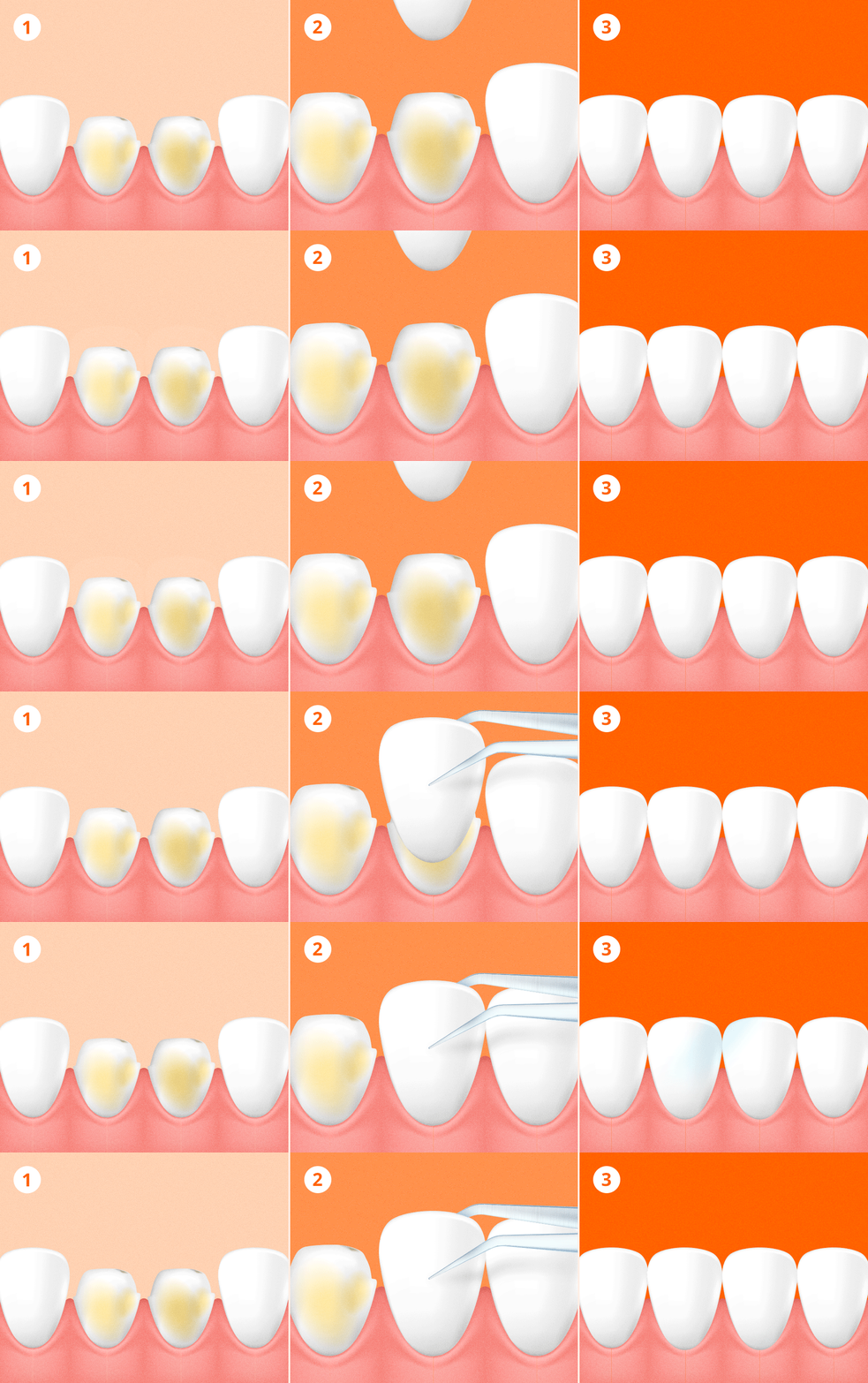
A veneer procedure involves trimming the outer surface of the tooth very thinly and then bonding a thin, custom-made shell (laminate) made of a durable material (ceramic) onto it. It's comparable to applying a false nail.
This thin ceramic piece is custom-made to match the individual's tooth shape and desired color. Bonding it allows for a simultaneous change in color, shape, and size.
You can freely adjust the desired brightness and luster, ensuring the front teeth visible when you smile (the smile line) look natural and clean.
Veneers offer a long-lasting color change and can quickly correct gaps, wear, small size, unevenness, or slight misalignment of the front teeth into an aesthetically pleasing form.
However, since a portion of the tooth structure must often be minimally reshaped, a thorough check of the tooth condition and occlusion (bite) is necessary before the procedure.
3.Whitening vs. Veneers: What are the Differences?
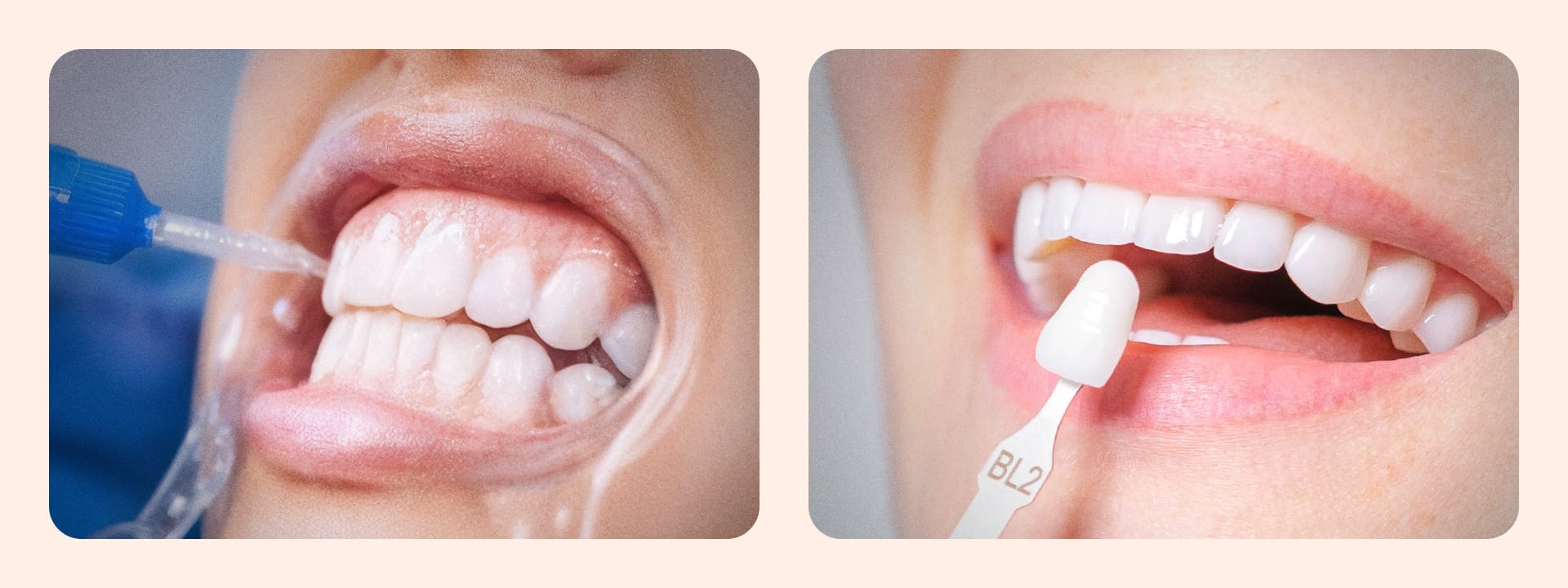
The two main methods for achieving brighter teeth are whitening and veneers. Both can transform your smile, but the difference lies in 'restoring the natural color' vs. 'applying a new color'.
| Feature | Whitening | Veneers (Laminates) |
| Principle | Chemical agents (hydrogen peroxide) penetrate the surface and break down pigments to restore the original color. | Thinly reshape the tooth surface, then bond a custom ceramic shell to change color, shape, and size. |
| Pros | - Preserves natural tooth structure (no cutting). | - Rapidly brightens stained teeth. |
| - Relatively lower cost. | - Improves color, shape, and size simultaneously. | |
| - Simple procedure with little pain. | - Free choice of brightness and luster. | |
| - Can resolve discoloration/limitations where whitening fails. | ||
| - Maintains a clean color for a long period. | ||
| Cons | - Limited effect on naturally yellow/gray teeth. | - Requires very slight reshaping of the tooth structure. |
| - Can cause sensitivity if enamel is thin. | - May require replacement over time. | |
| - Not permanent; requires periodic touch-ups. | - Risk of ceramic chipping from strong impact. | |
| - Color may revert due to diet/smoking. | - Relatively higher cost. | |
| Duration | Approx. 6 months to 1 year | Approx. 8 to 10 years |
4.How Should I Choose Between Whitening and Veneers?
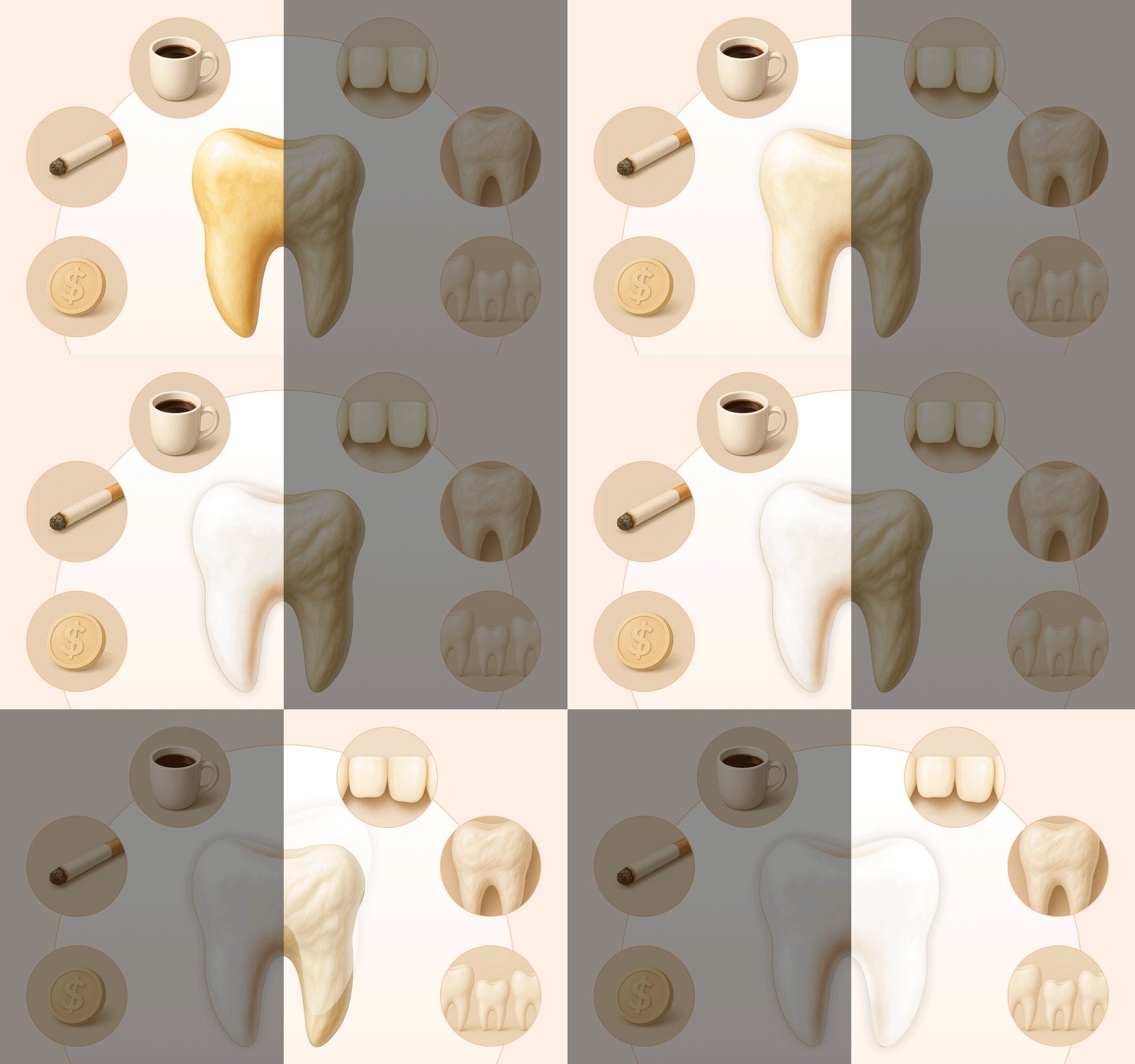
Both whitening and veneers brighten teeth, but they don't yield the same results for everyone. The appropriate method depends on your tooth condition, the cause of the discoloration, and your desired outcome.
• Discoloration due to external staining (coffee, smoking, etc.) → Whitening can provide improvement.
• Naturally yellow/gray teeth, or discoloration after root canal → Whitening is ineffective; Veneers are more suitable.
• Worn-down or irregularly shaped teeth→ Whitening effect is weak; Veneers can also improve shape.
• Discoloration due to wear or aging (thin enamel) → Higher risk of side effects like sensitivity with Whitening; must consult with a dentist.
• Concerned about cost/procedure commitment → Visit a dental office to find a suitable option. Before any procedure, it is essential to check for cavities, gum disease, and ensure overall tooth health through a professional diagnosis.
It is best to aim for a natural, harmonious color rather than aiming for excessively white teeth.
5.Frequently Asked Questions (FAQ)
Q. Will the color of my veneers change, and how long do they last?
The ceramic material used for veneers is surface-coated, which makes it resistant to staining.
Therefore, the color will not yellow even if you drink coffee or wine after the procedure, providing a permanent color improvement effect.
The average lifespan varies based on maintenance but is generally known to be about 10 years, with regular check-ups and oral hygiene being crucial.
Q. Can I get the effect of minor front tooth alignment with veneers?
Yes, excluding cases of severe misalignment, if your front teeth are slightly gapped or crooked, veneers can adjust the shape and size of the teeth, offering a relatively fast and dramatic cosmetic effect similar to minor orthodontic correction. This is one of the advantages of aesthetic dental prosthetics.
Q. If I'm debating between whitening and veneers for discolored teeth, which should I try first?
If the cause of the discoloration is external staining, you can try whitening first. However, if you cannot achieve the desired brightness with whitening and also want to improve the shape, you should consider veneers. Crucially, attaching a veneer immediately after whitening can lead to a color mismatch later as the whitening effect fades. It is essential to consult thoroughly with your dental professional to determine the final treatment plan.
Q. Can I chew hard foods like dried squid or ice after getting veneers?
Veneers are durable, but there is a risk of fracture from strong impact or biting down on tough or hard foods. You should avoid habits like biting your nails or chewing on dried squid or ice with your front teeth. Regular dental visits to check the bonding status and the health of your teeth and gums are vital for long-term success.

Self-whitening is easy but has limitations. When you reach that point, there are options like veneers that go beyond the original color to create a naturally beautiful new smile. However, it is important to make a cautious decision based on the condition of your teeth and your lifestyle. A bright smile is not just about color; it starts with healthy teeth.
Sources
- The Korean Academy of Prosthodontics, Aesthetic Prosthetics Guide (2023)
- Korean Dental Association, Clinical Guidelines for Tooth Whitening (2022)
- Joiner, A. (2019). Review of tooth colour and whitening. Journal of Dentistry, 67, 84–90.
※ The copyright for all content on this blog belongs to Medihi. Unauthorized copying, distribution, or derivative use is strictly prohibited, and violations may result in legal action without prior notice.
Recommended reads
 medihi