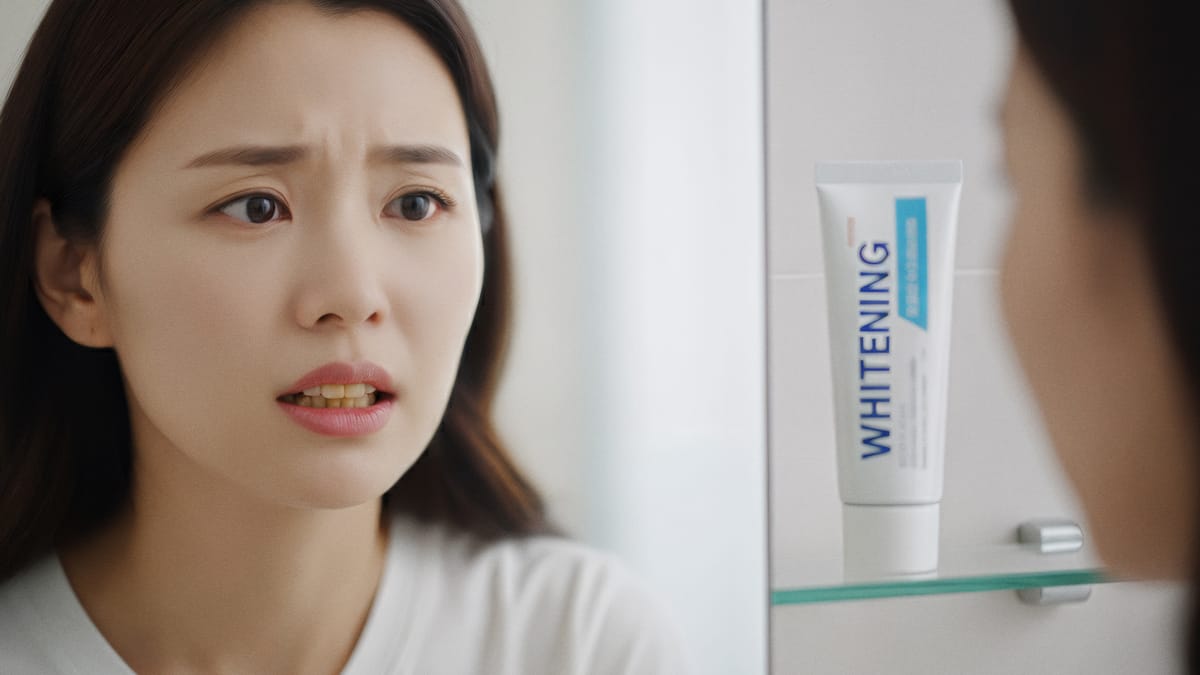

Veneer pricing can vary widely from one dental clinic to another. That’s not simply because of material costs—factors such as the clinician’s experience, the complexity of the design, lab craftsmanship, and the consultation process often work together to shape the final fee. In this article, we’ll look at why prices differ and how to choose a clinic more thoughtfully.
'My friend paid ₩1,000,000—so why am I seeing a price that’s about half of that?'

This is one of the most common questions people ask when researching veneers.
In many cases, the difference is not just a “clinic-by-clinic pricing policy,” but reflects differences in the overall process and its level of detail.
This article covers:
- why veneer prices vary,
- what drives the cost, and
- practical criteria for choosing the right option for you.
1.Why do veneer prices differ by clinic?
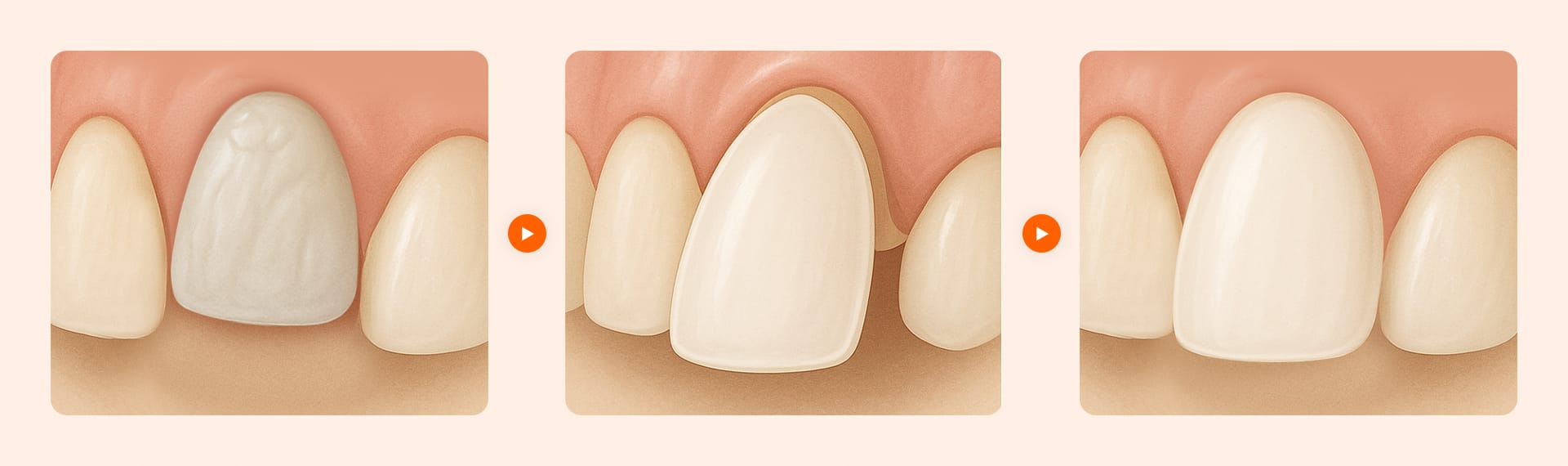
Veneers involve bonding a thin restoration to the tooth surface to improve appearance. Because this is typically considered an aesthetic procedure, it is often not covered by insurance.
As a result, clinics set their own fees—and pricing can range from the hundreds of thousands of KRW to over ₩1,000,000, depending on the clinic.
Importantly, this difference is not only about the material itself. It often reflects less visible factors such as the clinician’s experience and precision, the detail of the fabrication process, the time spent in consultation, and how challenging the smile design is.
2.What are the key factors that determine the price?
Veneer fees are commonly influenced by the following key factors.
1) Clinician experience and technical precision
Veneers are a technique-sensitive procedure where small differences can significantly affect the outcome. A more experienced clinician may assess tooth shape, the gum line, and facial balance to plan a result that looks more natural.
As this kind of judgment and experience accumulates, results may look more natural and can hold up better over time. Ultimately, that difference can also affect cost.
2) Materials and fabrication quality
High-quality results generally require high-quality materials. Well-made ceramic can be thin yet strong, and it can look more natural in how it reflects light. These materials may cost more, but they can contribute to a more refined aesthetic result.
In addition, accurately reproducing color and shape often requires skilled dental laboratory work. When material quality and fabrication skill align, the restoration can be more precise and visually cohesive.
3) Advanced equipment and in-house lab capability
Many clinics now use tools such as 3D scanners and computer-aided design systems to improve precision. These tools can reduce errors and support more customized fabrication.
If a clinic has an in-house lab, the clinician and dental technician can communicate more directly, which may help reflect patient preferences more quickly. This can improve both fit and overall satisfaction.
4) Consultation, try-ins, and aftercare
Veneers are rarely a “one-and-done” process. The plan may be refined through consultation, followed by a temporary placement and one or more rounds of adjustments. The time and effort required for these steps are often included in the fee.
Aftercare also matters—such as follow-up checkups and maintenance planning. Long-term results often depend on ongoing care.
3.What should you confirm before the procedure?
Veneers can create a noticeable aesthetic change, but once done, reversing the procedure may not be simple. That’s why careful evaluation and clear communication are essential.
1) Clarify what you want to change
Because this is an aesthetic procedure, aligning the plan with your preferences can strongly affect satisfaction. If you’re considering veneers, think about what you want to improve in your current smile—and discuss what is realistically achievable from a clinical perspective.
Once goals are clarified, the extent of tooth reshaping can be determined. When appropriate, choosing a no-prep or minimal-prep approach (removing little to no tooth structure) may be preferable.
Today’s materials can allow strong results even with very thin restorations. However, depending on the case, avoiding reshaping where it is clinically needed may affect the outcome—so it’s best to decide after a detailed discussion with your dentist.
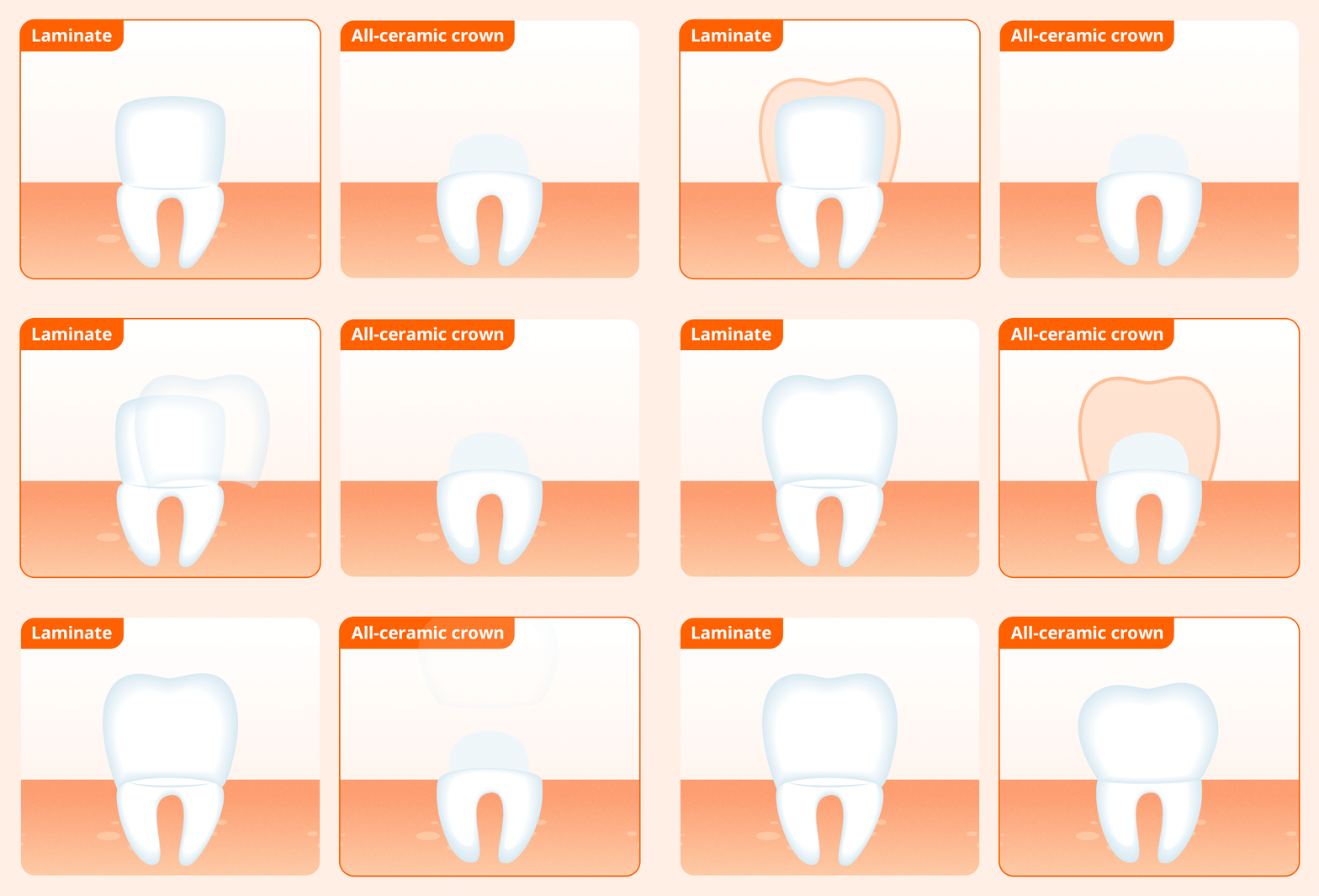
2) Understand the difference between veneers and all-ceramic crowns
Many people confuse these two. An all-ceramic crown generally covers the entire tooth, while a veneer typically bonds to the front surface.
To place a veneer, the tooth may be minimally reshaped—or in some cases, not reshaped at all. In contrast, a crown usually requires substantially more tooth reduction to fully cover the tooth.
That said, there are situations where a crown may be clinically necessary, so it should be decided through consultation with your dentist.
3) Confirm maintenance and replacement planning
With good maintenance, veneers can last for a long time, but gum contours can change over time and restorations may chip due to external impact.
If a no-prep approach is feasible, replacement may be simpler later because there may be less change to the natural tooth. During consultation, it can be reassuring to discuss how replacement would work if needed—and what costs might be involved.
4.How should you care for veneers, and how long do they last?
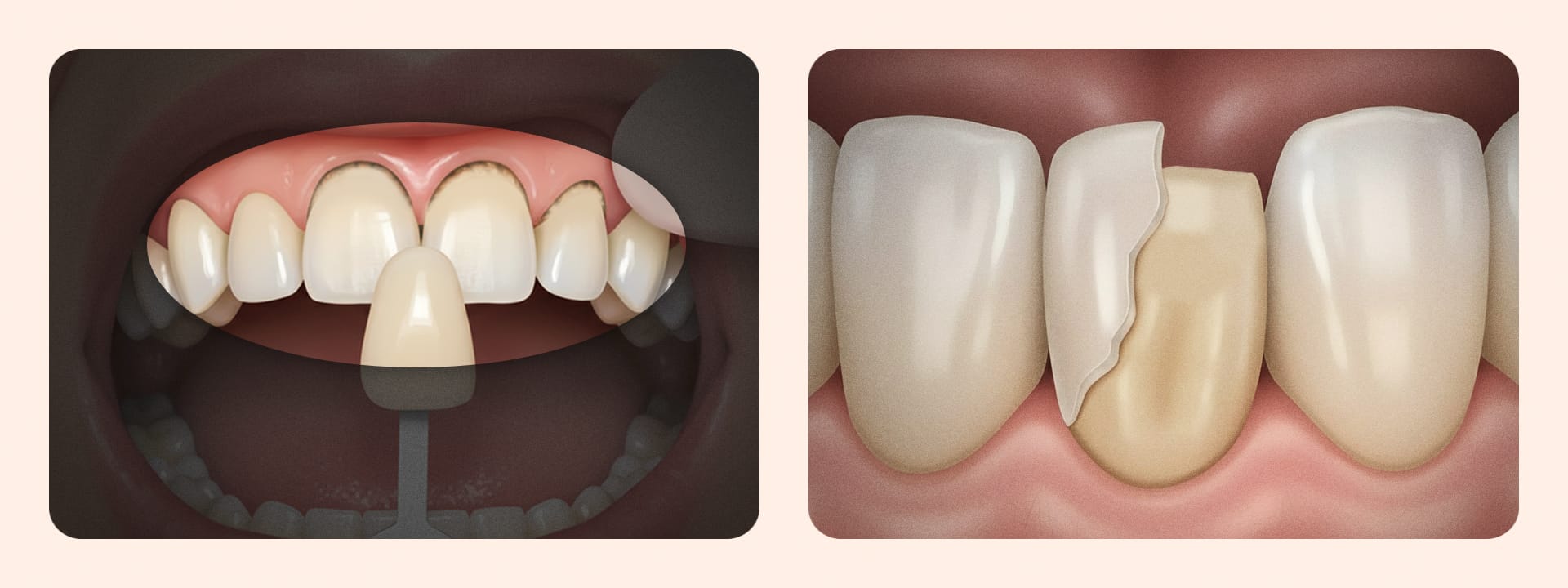
Because veneers require both time and investment, it’s natural to wonder how long they can last.
Longevity can vary depending on individual habits, placement accuracy, and material quality, but veneers are commonly used for around 8 to 10+ years.
Because the veneer itself is ceramic, it is less likely to discolor. However, cavities can still develop at the margin where the veneer bonds to the natural tooth, or on tooth surfaces not covered by the veneer.
Hard or tough foods, nail-biting, and clenching can contribute to chipping or debonding. If you grind your teeth, a night guard (mouthguard) is often recommended to help protect the veneers.
Treatment outcomes, timelines, and experiences can vary by individual, and decisions should be made in consultation with your dentist.
5.Frequently Asked Questions (FAQ)
Q. If I take good care of my veneers, can they last for life?
With proper maintenance, veneers can be a long-term option. However, over time the gum line may recede and reveal the margin, natural tooth alignment may change with aging, or staining can appear at the edge—any of which may reduce aesthetics and lead to replacement. Regular dental checkups and consistent brushing and flossing are important for longevity.
Q. Is “no-prep veneers” possible for everyone—and is that important when comparing prices?
Whether no-prep veneers are feasible depends on tooth shape, alignment, and how prominent the teeth are. In general, the proportion of people who are truly suitable candidates can be relatively small.
Q. How can I reduce the risk of staining at the margins?
Veneers themselves are resistant to staining, but discoloration can develop over time at the margin between the gum and the veneer. To reduce risk, it helps to brush or rinse after consuming strongly pigmented foods and drinks such as coffee, tea, or wine. Flossing (or using interdental brushes) and regular professional cleanings can also support margin hygiene.
Q. Is there a reason not to choose the lowest-priced clinic? Why do clinics differ?
A lower price does not automatically mean low quality. However, clinic-to-clinic differences may reflect a combination of clinician experience, use of higher-quality materials, laboratory skill, and aftercare systems. Considering design complexity and long-term maintenance planning, it can be wiser to look beyond “lowest price” and choose an option that offers reasonable value for your situation.

Veneers are not simply about making teeth “look prettier.” They are a delicate process that balances smile design with preserving natural tooth structure. Keep in mind that price differences often reflect differences in technique, craftsmanship, and how much care is built into the overall process.
Sources
- The Korean Academy of Prosthodontics. (2023). Aesthetic Prosthetic Treatment Guidelines.
- Ministry of Health and Welfare (Korea). Non-covered medical service fee disclosure data. (2024).
- Pjetursson, B. E., et al. (2022). A systematic review on the survival of ceramic veneers. Journal of Dental Research, 101(3).
※ The copyright for all content on this blog belongs to Medihigh. Unauthorized copying, distribution, or derivative use is strictly prohibited, and violations may result in legal action without prior notice.
Recommended reads
 medihi