

This post summarizes practical criteria for distinguishing common causes of numbness and radiating pain that run from the buttock down the leg. The goal is to reduce unnecessary testing and help you and your clinician set a clearer, more personalized direction for evaluation and care.
“My leg feels numb, but I’m not sure if it’s coming from my lumbar spine or from my buttock.”

In the clinic, many people share the same concern. The discomfort is felt in the leg, but the source may be deeper—such as the lumbar spine or the deep buttock area—so it can feel confusing. Rather than trying to decide the cause on your own, it’s far more helpful to know what to observe so you can describe your symptoms accurately during a medical consultation.
1. How to tell why you feel numb from the buttock to the foot: thinking in terms of “wiring”
The body’s nerve network is similar to the electrical wiring in a house. The spine is like the main breaker panel that supplies power, and the sciatic nerve is like a thick main cable that passes through the “wall” of the buttock and runs down to the leg and the tips of the toes (like appliances). If your toes feel tingly or numb, it often suggests a problem somewhere along the cable’s pathway rather than in the “appliance” itself.
The key issue is that the location where this “wire” gets compressed differs depending on the condition. Radiating pain and numbness that spreads along the sciatic nerve distribution—from the buttock down the leg to the foot—is broadly referred to as sciatica.
To distinguish the cause more accurately, it helps to observe not only *where* it hurts, but also how the symptoms behave in the following three patterns:
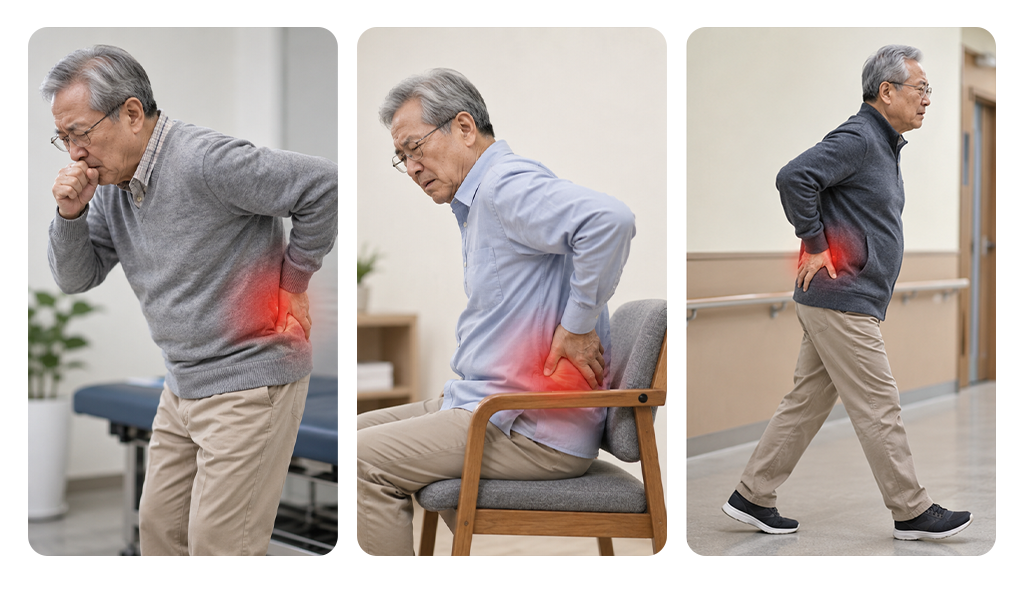
- Lumbar spine cause (e.g., lumbar disc herniation): worsens when bending forward or coughing
- Deep buttock cause (e.g., piriformis syndrome): worsens with prolonged sitting, often with deep buttock pain
- Lumbar spinal stenosis: worsens when walking; improves when sitting or bending forward
A correct treatment plan depends on whether the cause is a lumbar herniated disc (often called a “slipped disc”) or a deep buttock muscle-related issue such as piriformis syndrome. Because the painful area alone rarely confirms the cause, clinicians focus first on the pattern and pathway of nerve compression.
2. If it hurts when you sit for a long time: differences between a herniated disc and buttock-related nerve compression
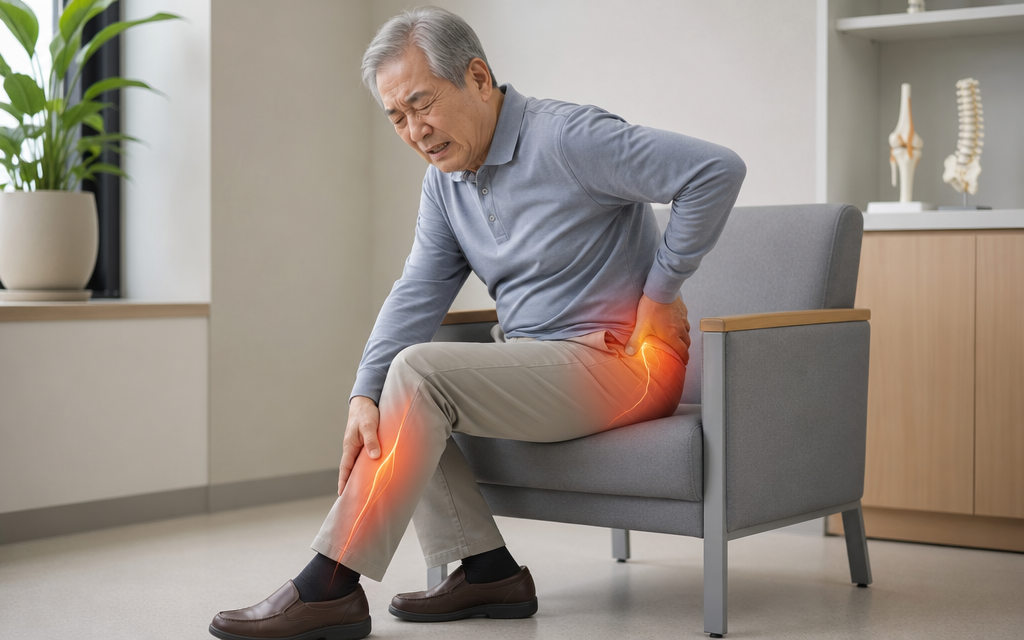
When you have leg numbness, noticing which postures make it worse can help narrow down the cause. In the “wiring” analogy, this is the process of checking where pressure triggers the tingling.
If bending forward or coughing makes the leg numbness significantly worse, it is reasonable to consider a **lumbar herniated disc** first. Forward bending can increase direct pressure on the spinal nerve roots. In that situation, clinicians often use a physical exam test—raising the straightened leg while lying down (straight leg raise)—to check whether the nerve root is being irritated.
On the other hand, if prolonged sitting brings on a clear deep ache in the buttock along with leg numbness, a non-spinal cause such as **piriformis syndrome** may be suspected. This pattern can accumulate in people in their 30s to 50s who drive for long periods or sit at a desk for extended hours. In this scenario, the “breaker panel” (lumbar spine) may be relatively fine, but the “wire” passing through the buttock wall is being compressed by nearby muscles (the piriformis).
If lumbar spine exam findings do not match the symptoms well (numbness distribution, strength changes, sensory changes), or if buttock pain is especially prominent when sitting, it can be helpful to evaluate non-spinal causes as well. Assessing possible buttock-related causes and adjusting the care plan—such as rehabilitation, injections, or physical therapy when appropriate—may improve clinical decision-making.
✅If symptoms worsen with prolonged sitting, observe and record:
- Does deep buttock pain start before the numbness?
- Does the numbness extend below the knee or to the toes?
- Does it get worse when bending forward or with coughing/sneezing?
- Is the pain clearly more noticeable on one side only?
3. When pain worsens while walking: criteria for suspecting lumbar spinal stenosis
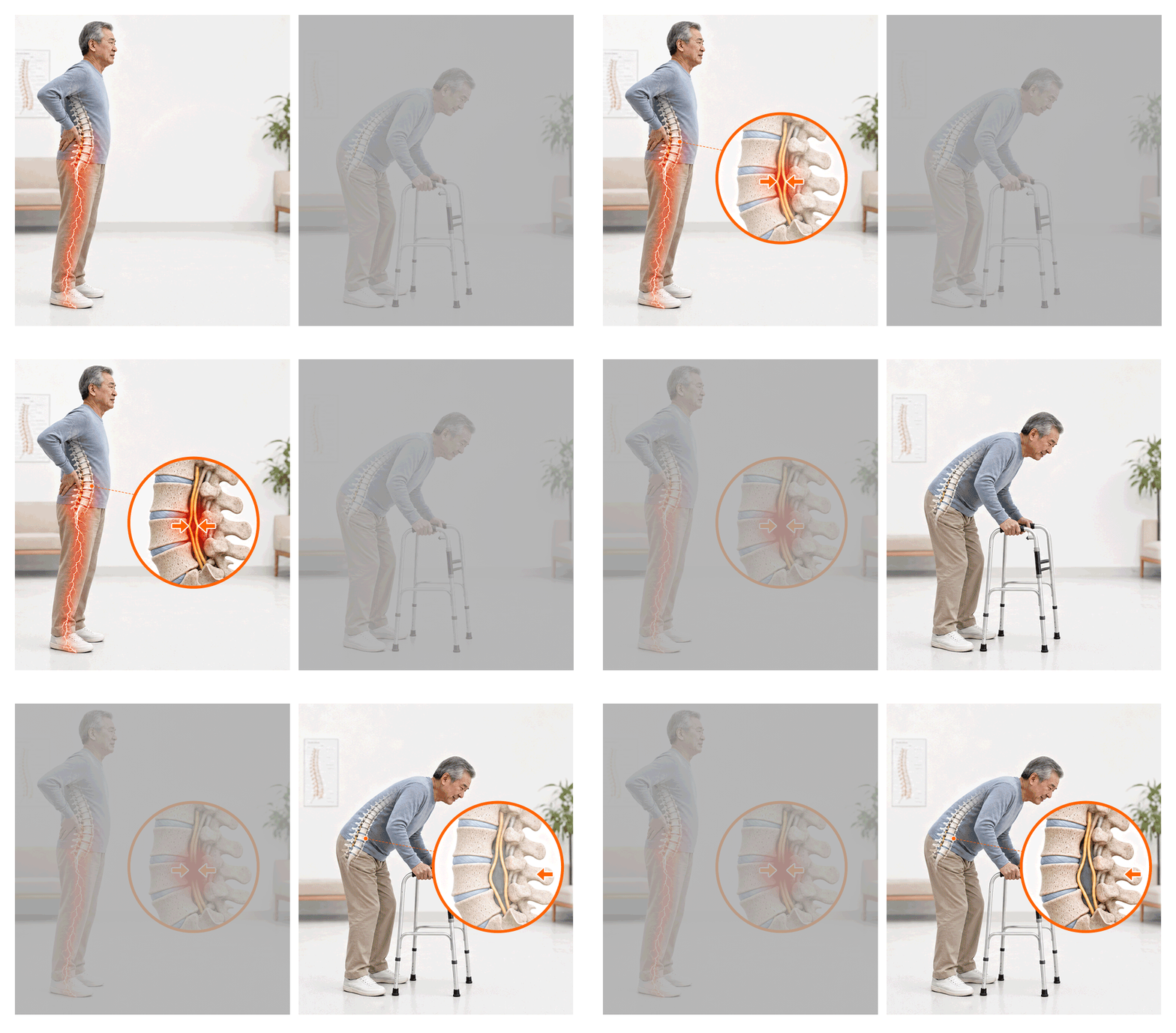
Some cases show a different pattern from a herniated disc or buttock muscle issues—namely lumbar spinal stenosis, where degenerative changes narrow the nerve passage itself. With aging, ligaments and joints around the spinal canal can thicken and compress the nerves.
If you feel fine at rest but develop clear leg pain and numbness when walking or standing—and symptoms improve relatively quickly when you sit down or bend forward—stenosis becomes a key possibility. Bending forward can temporarily widen the narrowed spinal canal space and reduce nerve compression. Clinically, this pattern is called neurogenic claudication.
In this situation, rather than pushing through the pain and continuing to walk excessively, it is wiser to record symptom changes (such as walking distance and which postures worsen symptoms) and adjust activity intensity. If the pattern of worsening with walking and relief with rest is clear, discussing a safe treatment plan with a clinician is recommended.
4. Why a disc seen on MRI may not be the “true cause” of your leg numbness
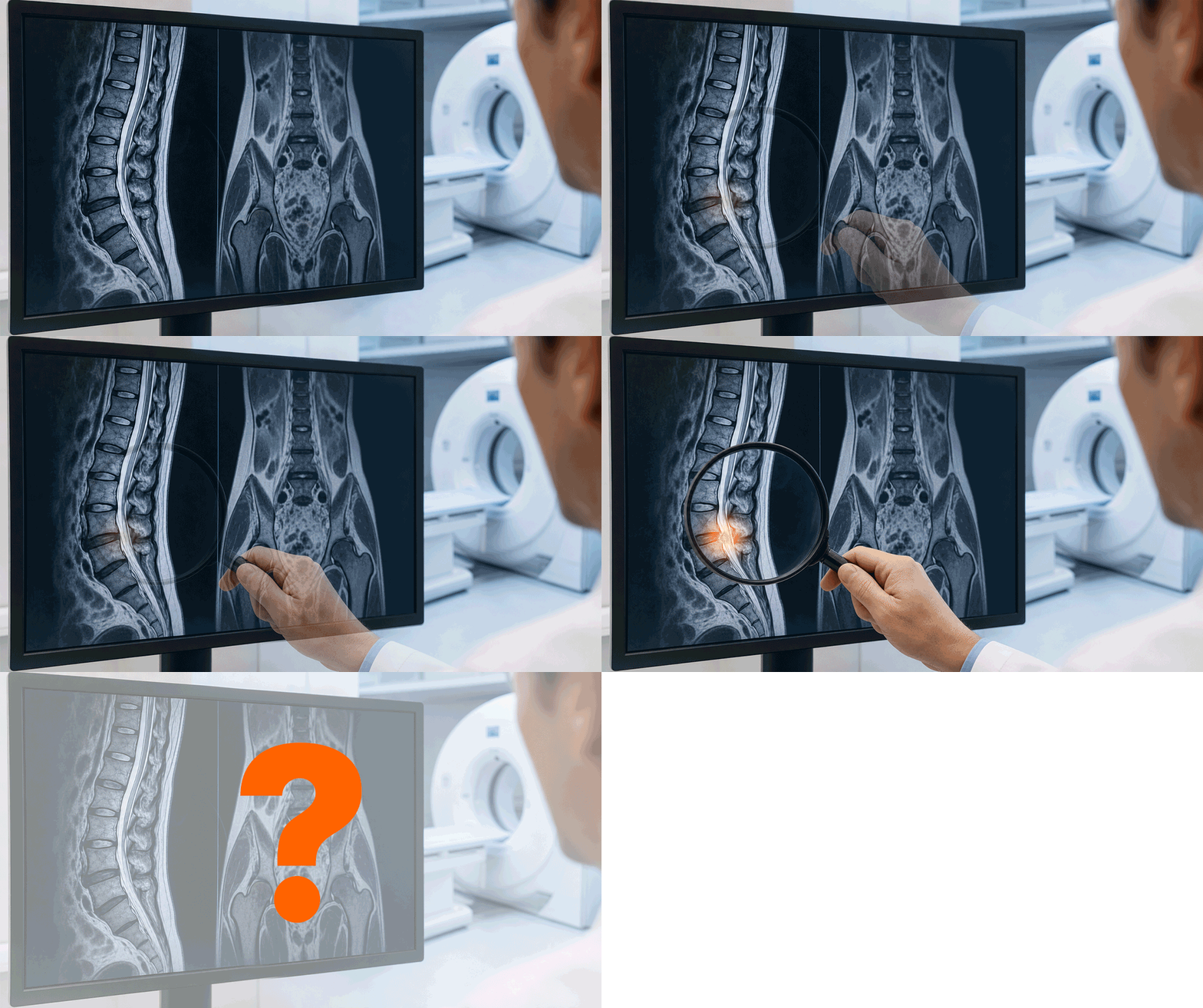
Many people expect that getting an MRI for leg numbness will reveal the cause clearly. It’s common to assume that if a disc bulge is seen on imaging, it automatically confirms the cause of pain—but real-world clinical interpretation can be different.
MRI is like a high-performance camera that shows the structure of bones and nerves in detail. However, whether a structural change seen on imaging is the functional cause of your current numbness and pain cannot be determined by the “camera” alone. Disc bulges related to aging are not uncommon even on MRI scans of healthy people with no symptoms.
For this reason, clinicians place major importance on whether the numbness area (sensory distribution on the skin) and the pattern of weakness match the exact nerve compression level seen on imaging. If they do not match, other causes—such as nerve entrapment in the buttock—must be considered. In other words, MRI becomes most meaningful when it provides key information that will change immediate treatment decisions or when serious warning signs are present.
✅Items that can be helpful to confirm during a clinic visit
- Do symptoms change depending on posture (sitting, walking, bending forward)?
- Is deep buttock pain the main issue, or is numbness radiating strongly to the calf/toes?
- Along with pain, do you notice leg weakness or a dulled/less sensitive feeling?
5. How to recognize emergencies that require prompt hospital evaluation
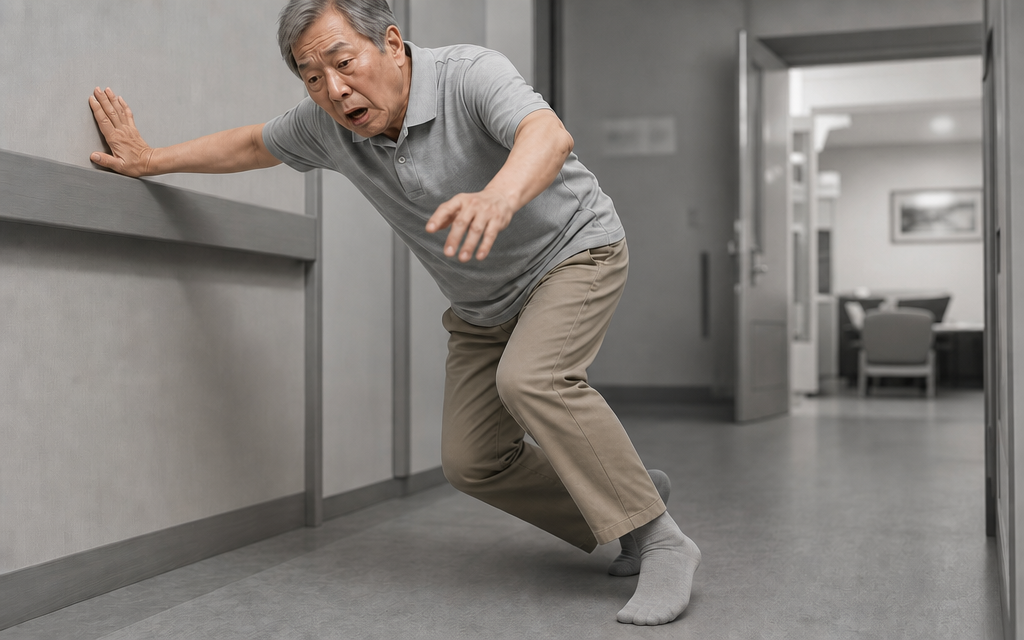
Most cases of sciatica and buttock pain tend to improve over time with appropriate conservative care (education, medication, rehabilitation exercises, etc.). The general principle is to maintain daily activities while monitoring progress. However, there are exceptions where rapid evaluation and action are necessary.
If you notice reduced sensation when urinating or having a bowel movement, difficulty controlling urination or bowel movements, or numbness around the anus (the “saddle” area), immediate caution is required. Also, if you develop rapidly worsening weakness—such as difficulty lifting the front of the foot upward at the ankle (progressive weakness)—prompt medical evaluation is essential.
These are strong clues suggesting an emergency such as cauda equina syndrome, where a bundle of nerves is severely compressed. When these red flags are present, clinicians may prioritize early imaging and surgical decompression rather than following the usual conservative-care pathway. Knowing these criteria can help you make a rational decision in urgent situations.
6. Frequently Asked Questions (FAQ)
Q. If I have both buttock pain and leg numbness, does that mean it’s more likely a lumbar spine problem?
Compression of lumbar nerves can cause numbness that runs from the buttock down the leg. However, similar symptoms can also occur when the nerve is compressed in the buttock muscles, such as in piriformis syndrome. It’s difficult to conclude based on location alone, and proper differentiation requires an accurate physical exam and clinical assessment.
Q. It hurts when I walk, but feels better when I sit—what cause should I suspect?
If leg pain worsens with walking and improves when sitting or bending forward, lumbar spinal stenosis is a strong possibility. This neurogenic claudication pattern is characteristic of a narrowed nerve passage, so discussing it with a clinician is recommended.
Q. Why don’t clinicians always order an MRI right away for leg numbness?
Imaging tests show structural abnormalities, but they do not confirm whether that finding is the true cause of pain. If there are no red flags, a more conservative and safe approach is to prioritize clinical examination and conservative care first, then consider imaging if needed based on the course.
Q. With buttock pain and lower-limb numbness, when should I definitely seek medical care?
If you develop problems with bladder or bowel control, numbness around the anus, or weakness that makes it difficult to bear weight on the leg, it may be an emergency. If these red flags are observed, do not delay—seek specialist evaluation promptly.
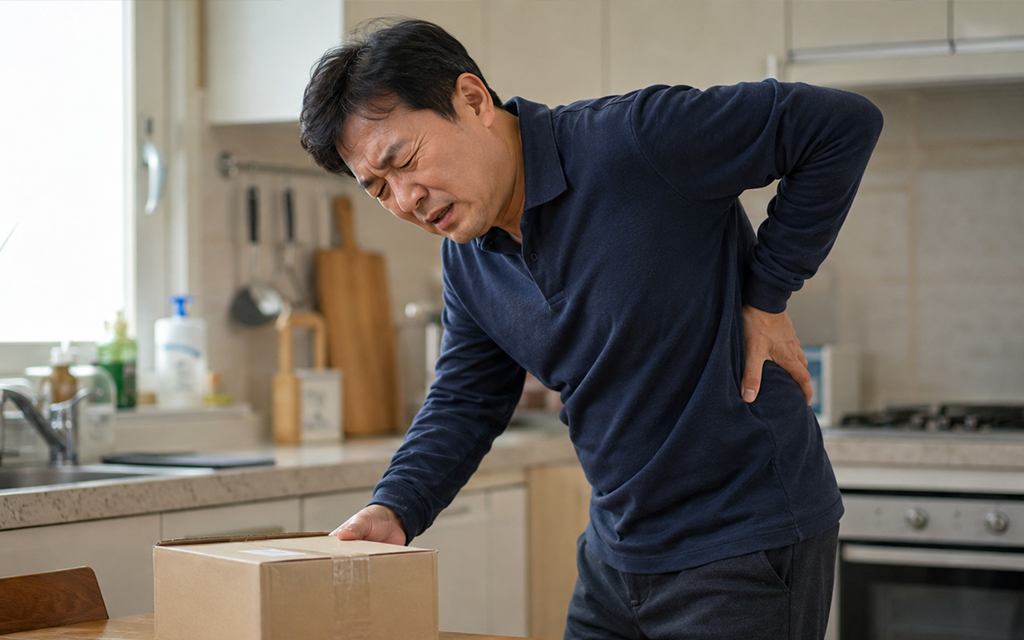
When you feel sharp, tingling numbness from the buttock down the leg, the first step is not to rush into major testing, but to observe your symptom pattern. Simply recording whether it hurts when bending forward, sitting for a long time, or walking can significantly improve the accuracy of medical evaluation.
Rather than searching disease names first and becoming anxious, use the criteria summarized today to calmly observe how your body responds. If there are no emergency warning signs, it is generally possible to find the cause and recover safely—so I encourage you to approach your visit with a more at-ease mindset.
Sources
- Korea Disease Control and Prevention Agency (KDCA) National Health Information Portal, information on sciatica and lumbar herniated disc, 2024 (accessed)
- Health Insurance Review & Assessment Service (HIRA), coverage criteria for spinal MRI, 2024 (accessed)
- NICE, Low back pain and sciatica in over 16s: assessment and management (NG59), 2020
※ The copyright for all content on this blog belongs to medihi. Unauthorized copying, distribution, or derivative use is strictly prohibited, and violations may result in legal action without prior notice.
Recommended reads
 medihi