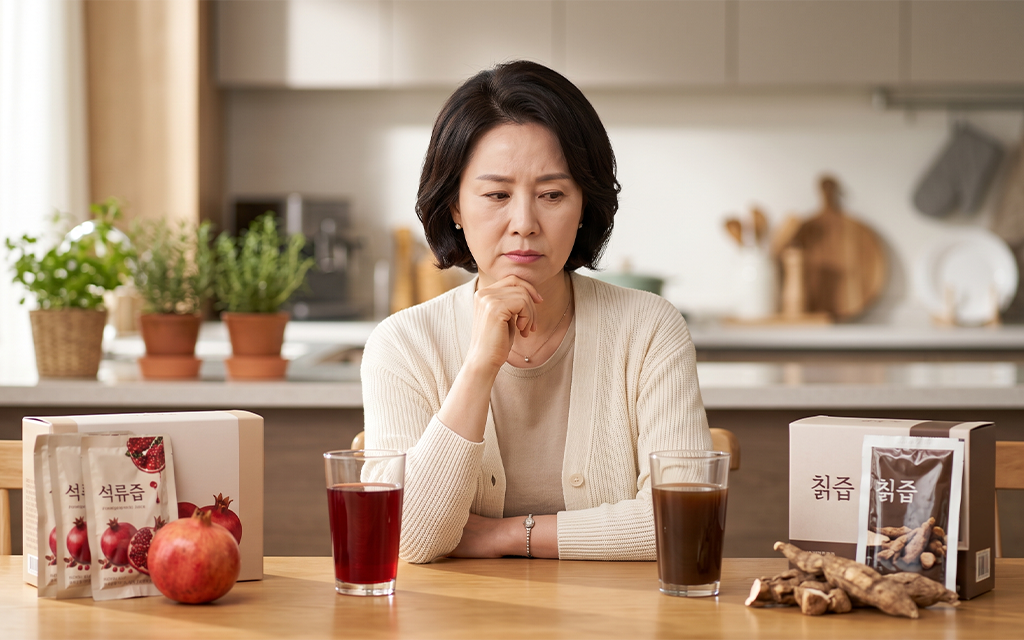

Are you interested in taking herbal medicine for menopause but worried it might cause weight gain? Before starting menopause herbal medicine, here is a safe Korean medicine–based management approach: instead of vague fears, confirm once more through regular checkups tailored to your individual constitution.
“I want to take herbal medicine, but I’m so worried I might gain weight or put stress on my liver.”
These concerns commonly voiced by women in their 40s–50s are not “overly sensitive” at all. Since this is often a time when the number of medications you take increases, it’s a very reasonable and wise protective response to safeguard your health. When you understand both the depth of Korean medicine diagnostics and modern safety standards, it becomes much easier to decide on a treatment direction with peace of mind.
A licensed Korean medicine doctor’s detailed constitutional differentiation (pattern identification) is, in itself, a safe and solid treatment blueprint designed to restore each patient’s individual balance. When this is combined with the objective data management (testing) that modern Korean medicine aims for, menopause care can become even more trustworthy and reassuring.
1. The value of “constitutional differentiation” in Korean medicine treatment for menopause
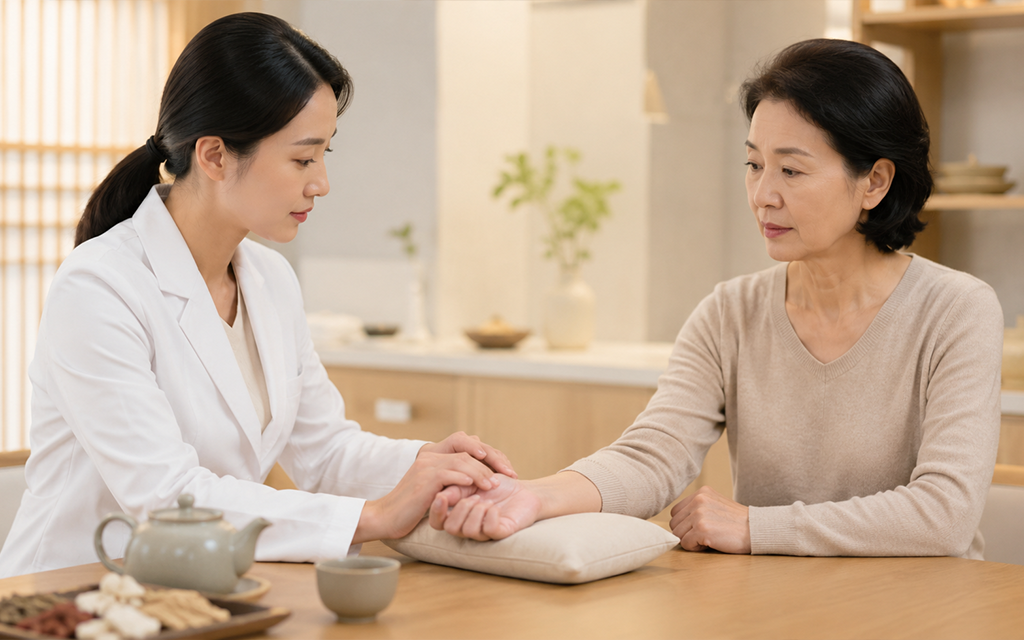
In Korean medicine, menopausal symptoms are not viewed as a single issue of hormone deficiency. Instead, they are understood as a breakdown in whole-body balance. Clinicians differentiate patterns in detail—for example, a state where bodily fluids and nourishment are depleted may be classified as Kidney Yin Deficiency (腎陰虛), while a state of slowed metabolism and feeling cold may be classified as Kidney Yang Deficiency (腎陽虛)—and diagnose accordingly (pattern identification).
This kind of constitutional differentiation serves as an excellent compass for “personalized precision care,” helping identify and treat each patient’s vulnerable links.
- Strength of personalized prescriptions: Even if two people share the same symptom (such as hot flashes), the composition of herbs can differ completely depending on digestive function, sleep quality, and the degree of qi-blood circulation—supporting the body’s own restorative capacity.
- Smart complementarity: Building on a well-matched prescription based on constitution, a key trend in modern Korean medicine is to monitor, in real time, the patient’s current medications and individual metabolic characteristics. By adding objective follow-up as a safety layer on top of precise diagnosis, overall treatment quality can be further improved.
2. When you worry herbal medicine might be hard on the liver
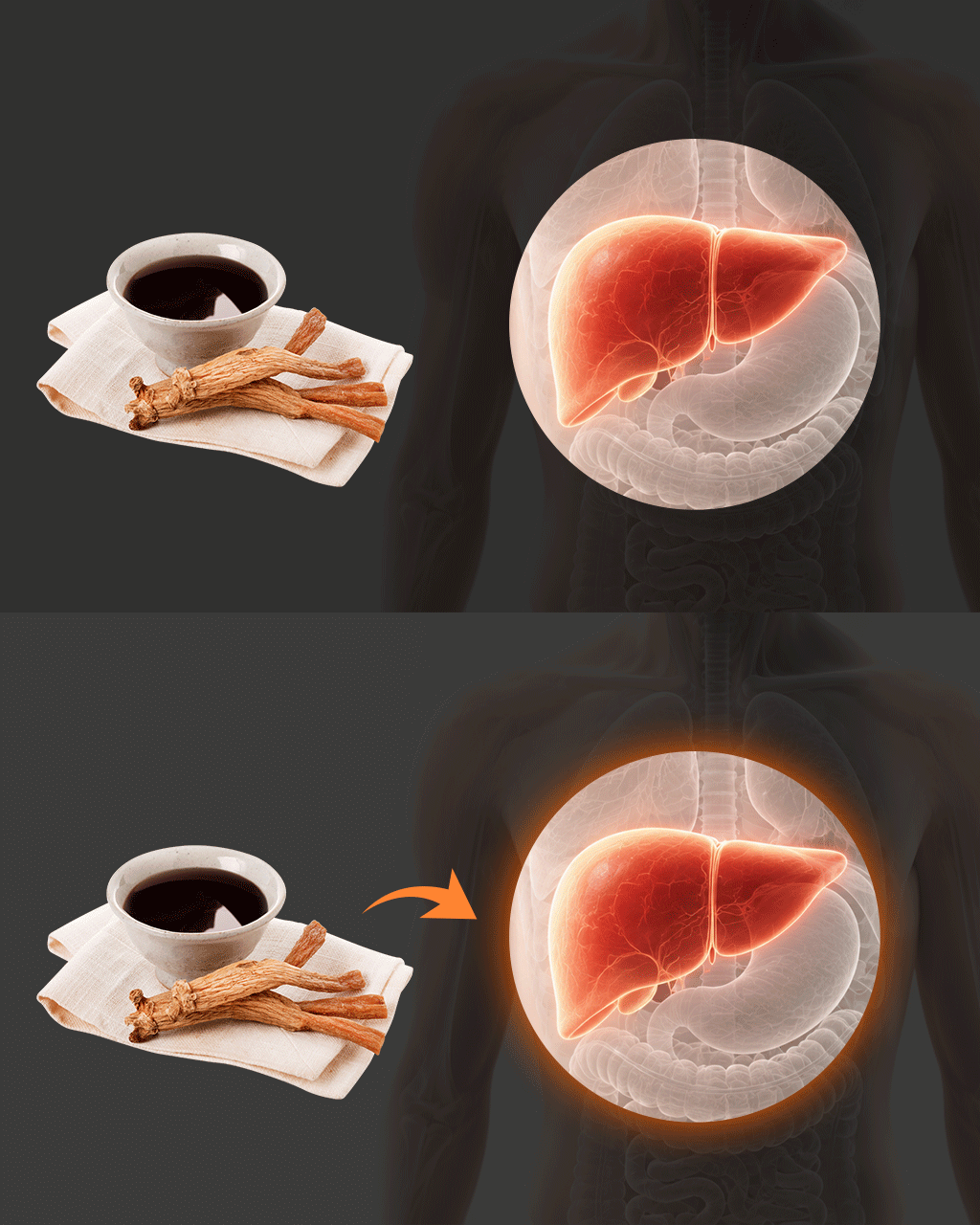
Many people worry about liver toxicity when taking herbal medicine, but objective findings from clinical research help demonstrate the safety of properly prescribed herbal formulas. In medicine, this is studied using clear criteria such as drug-induced liver injury (DILI) or herb-induced liver injury (HILI).
In a domestic multicenter prospective observational study (2017), among patients hospitalized at affiliated hospitals of colleges of Korean medicine who took formally prescribed herbal medicine, the rate of liver injury was only about 0.6%, confirming a very low and stable level. This suggests that professionally prescribed herbal medicine can be a treatment option that patients may take with reassurance from a liver-health perspective.
Furthermore, to protect the safety of outpatients in everyday life even more closely, sharing the following checklist with your Korean medicine doctor before starting can enable a more precise and safer personalized prescription.
✅ Before taking herbal medicine: checklist for my health status and concurrent use
- I have had liver function tests through a national health screening or comprehensive checkup within the last 6–12 months.
- I take conventional medications daily on a regular basis (e.g., for blood pressure, diabetes, or high cholesterol).
- I regularly take over-the-counter health supplements (e.g., red ginseng, kudzu extract, pomegranate products).
- I drink alcohol frequently, or my fatigue has suddenly worsened recently.
- In the past, my checkup showed elevated liver enzymes or I was diagnosed with fatty liver.
If any of the above apply, please feel comfortable telling your Korean medicine doctor before a prescription is made. Based on this information, they can adjust the herbal ingredients more carefully and, if needed, combine simple blood tests before and after starting—creating an even more reassuring treatment environment.
3. The pharmacologic actions of herbal medicine and why expert prescribing matters
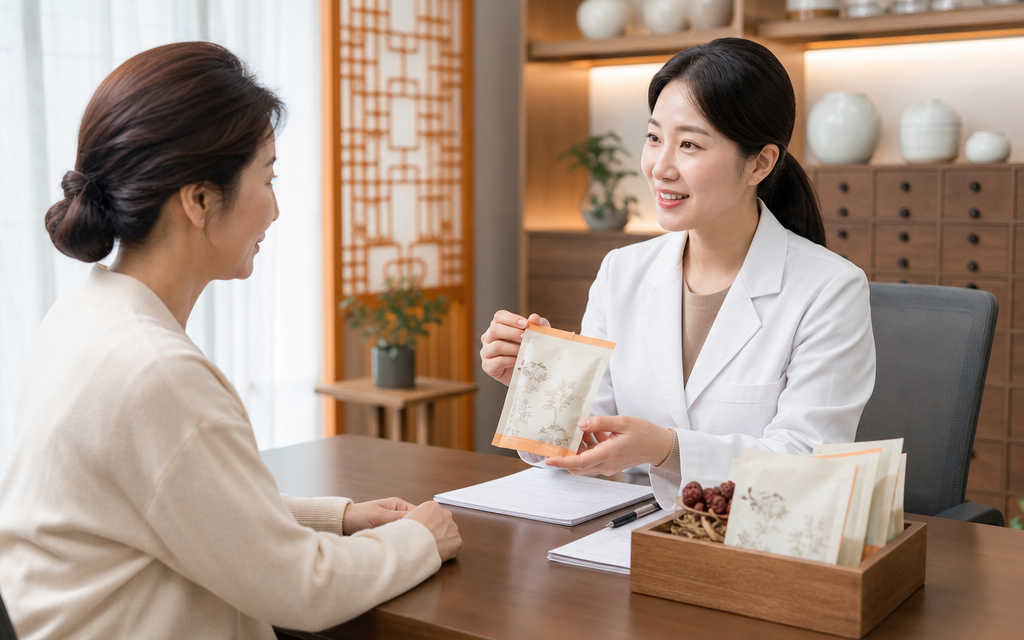
The statement “Herbal medicine is made from natural plants, so it has no side effects at all” can be half true and half misleading. Herbal ingredients prescribed in medical settings are not simply foods—they are “medicinal agents” with potent effects that can treat and change the body’s metabolism.
Medicinal herbal ingredients with beneficial pharmacologic actions are absorbed and metabolized in the body, helping correct systemic imbalance. This is also why guidance such as the American Association for the Study of Liver Diseases (AASLD) guidelines addresses the metabolic process of herbal substances—because herbal medicine can produce real and meaningful changes in the human body as a therapeutic intervention.
Therefore, herbal medicine should not be boiled and taken arbitrarily like a folk remedy. The appropriate approach is to take it under a licensed Korean medicine doctor’s prescription and with regular confirmation. Periodic lab-value checks are an advanced management system in modern Korean medicine—helping confirm that treatment is moving in the right direction and allowing patients to benefit from positive effects as safely as possible.
4. Comparing menopause treatment options and misconceptions about weight change
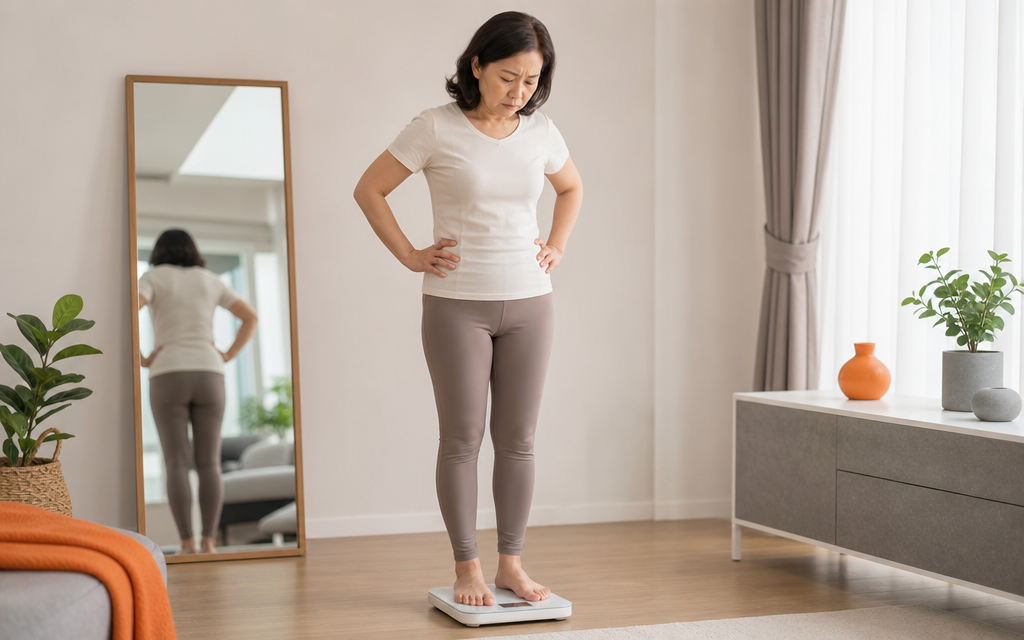
There are various treatment approaches to relieve menopausal symptoms, and they can be selected in a complementary way depending on a patient’s underlying conditions and preferences.
| My Physical Condition & Preferences | Recommended Treatment Considerations | Features & Advantages |
|---|---|---|
| Conditions without risk factors such as thrombosis or breast cancer, seeking rapid hormone replenishment | Standard Menopause Hormone Therapy (MHT) | Fast and potent efficacy for vasomotor symptoms such as facial flushing |
| Inability to take hormone therapy or presence of underlying conditions (e.g., uterine disorders) | Customized Korean medicine prescription with modern safety management | When hormone therapy is difficult, it serves as a primary alternative expected to yield superior symptom improvement compared to conventional non-hormonal medications (SSRI/SNRI, etc.) |
| Desire to restore systemic balance and simultaneously improve multifaceted symptoms (hot flashes, joint pain, sleep disorders, etc.) | Customized Korean medicine prescription with modern safety management | Enables restoration of physical metabolic rate and a complementary approach tailored to individual constitutions |
“One gains weight from herbal medicine” is one of the most common misconceptions about herbal medicine. As women enter menopause, declining female hormones naturally reduce basal metabolic rate, and body fat tends to redistribute toward the abdomen. Large cohort studies have also reported that weight gain during this period is driven more by hormonal changes and age-related lifestyle pattern shifts than by the effects of any single medication.
In fact, a properly tailored herbal prescription matched to one’s constitution may gently support reduced metabolic function and improve sleep quality, which can positively help with effective weight management.
5. Self-purchasing health supplements vs. clinic-based personalized herbal prescriptions: differences in safety

Many people purchase and take large quantities of products marketed as “good for menopause,” such as red ginseng, Cynanchum wilfordii (Baeksoo-oh), or pomegranate juice. While they are easy to access, the ingredient content may not be standardized, and it can be difficult to predict what interactions may occur with existing medications during long-term use—potentially placing a greater burden on the body.
In contrast, herbal prescriptions from medical institutions (Korean medicine clinics and hospitals) are provided within a rigorous medical safety management system.
- Use of MFDS-certified herbal ingredients: Only medical-grade herbal ingredients that have passed hGMP (Good Manufacturing Practice for herbal medicines) standards are carefully selected and used, helping reduce concerns about heavy metals and pesticide residues.
- Precise adjustment of ingredients: Potential interactions with chronic-disease medications a patient is taking are carefully considered, and ingredients are added or removed in a detailed, controlled manner.
- Structured care system: Changes in the body can be continuously observed during treatment, with medical follow-up that allows flexible responses when needed.
6. Frequently Asked Questions (FAQ)
Q. When should liver tests be done, and which markers are typically checked?
Liver-related markers are usually checked through blood tests, including AST, ALT, and bilirubin. Rather than relying only on pre-treatment values for reassurance, follow-up testing is recommended about 4–8 weeks after starting to observe trends. Because subjective symptoms like fatigue alone make it difficult to detect early abnormalities, quantified testing is the most reliable approach.
Q. I’ve been taking long-term conventional medications for high blood pressure or high cholesterol. Can I take menopause herbal medicine at the same time?
Chronic-disease medications and herbal medicine can share overlapping metabolic pathways in the liver. If combined arbitrarily, the likelihood of interactions can increase due to added metabolic burden. Before care begins, it is essential to transparently share not only herbal medicine use but also a full list of all supplements you take at home, so medical coordination can be provided.
Q. If I develop certain symptoms while taking herbal medicine, when should I stop immediately and seek care?
If you experience severe fatigue that is different from before, sudden loss of appetite, yellowing of the skin or the whites of the eyes (jaundice), or urine turning a dark brown color, these may be warning signs of rising liver enzymes. Stop taking it immediately and visit a medical facility, informing them of your medication history and symptoms for evaluation.
Q. What information must I tell the clinician before taking menopause herbal medicine?
A complete list of all current prescription medications (e.g., blood pressure medications, diabetes medications) and supplements, including health functional foods such as red ginseng or various juices. Also, if you have a history of liver disease such as hepatitis or fatty liver, or if your liver values were ever elevated even temporarily on past checkups, sharing this in advance allows a more precise and safer personalized prescription.
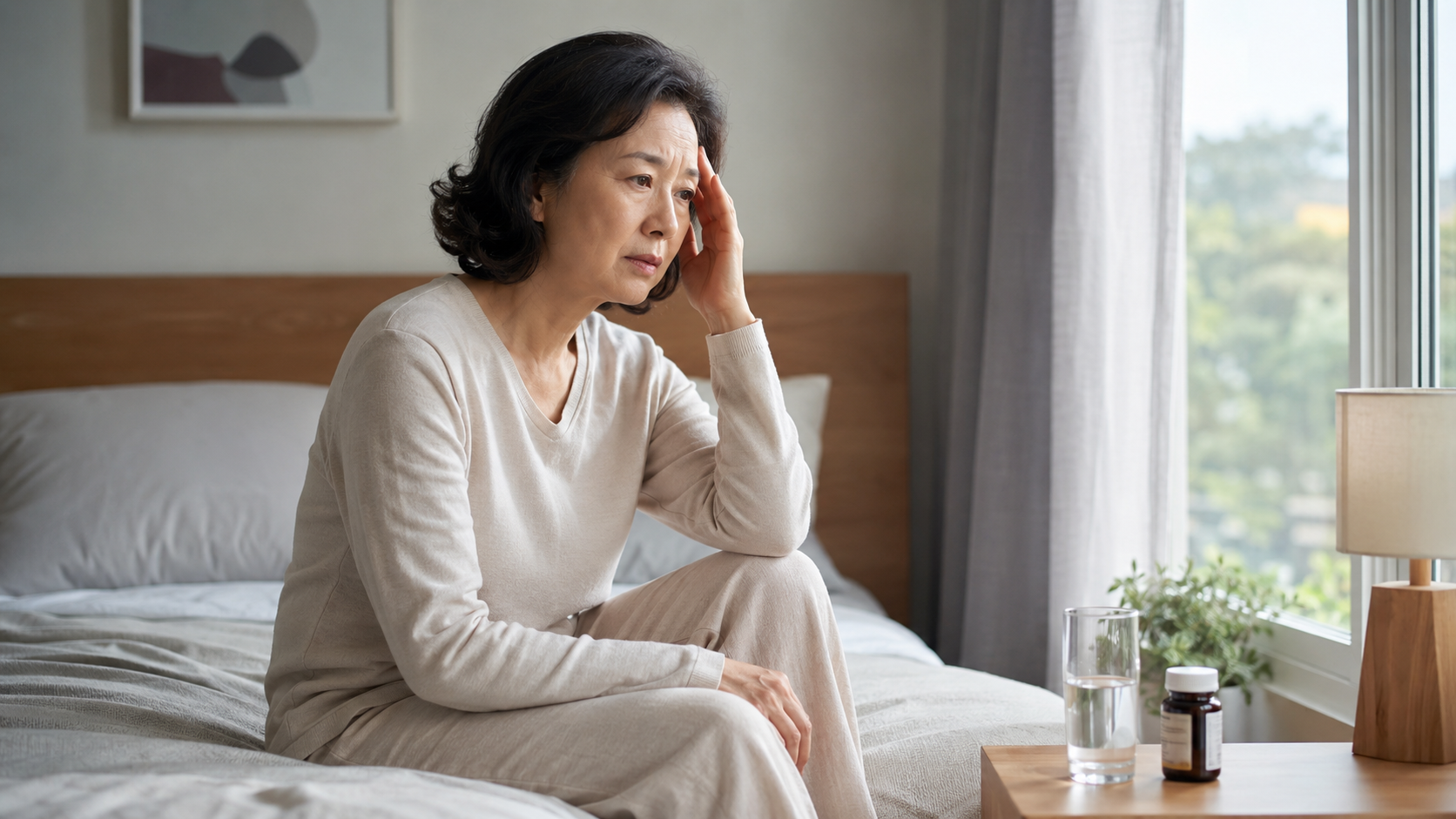
Korean medicine treatment for menopause is advancing further by adding “modern scientific management” to the “depth of traditional constitutional medicine.” If a licensed Korean medicine doctor’s detailed evaluation is the central pillar of a well-matched treatment plan, then careful medication-history review and regular testing are a smart safety net that helps you benefit from treatment effects with greater reassurance.
Rather than enduring a difficult time due to vague worries, we hope you can welcome a calmer and healthier menopause with professional care and support.
Sources
- Korean Society of Menopause, Guidelines for Menopausal Hormone Therapy, 2020.
- Korea Institute of Oriental Medicine (KIOM) & Korean Medicine Clinical Practice Guideline Development Project Group, Korean Medicine Clinical Practice Guidelines for Menopausal Disorders and Postmenopausal Syndrome, 2021.
- Cho et al. A nationwide study of the incidence rate of herb-induced liver injury in Korea. Archives of Toxicology, 2017.
※ The copyright for all content on this blog belongs to medihi. Unauthorized copying, distribution, or derivative use is strictly prohibited, and violations may result in legal action without prior notice.
Recommended reads
 medihi