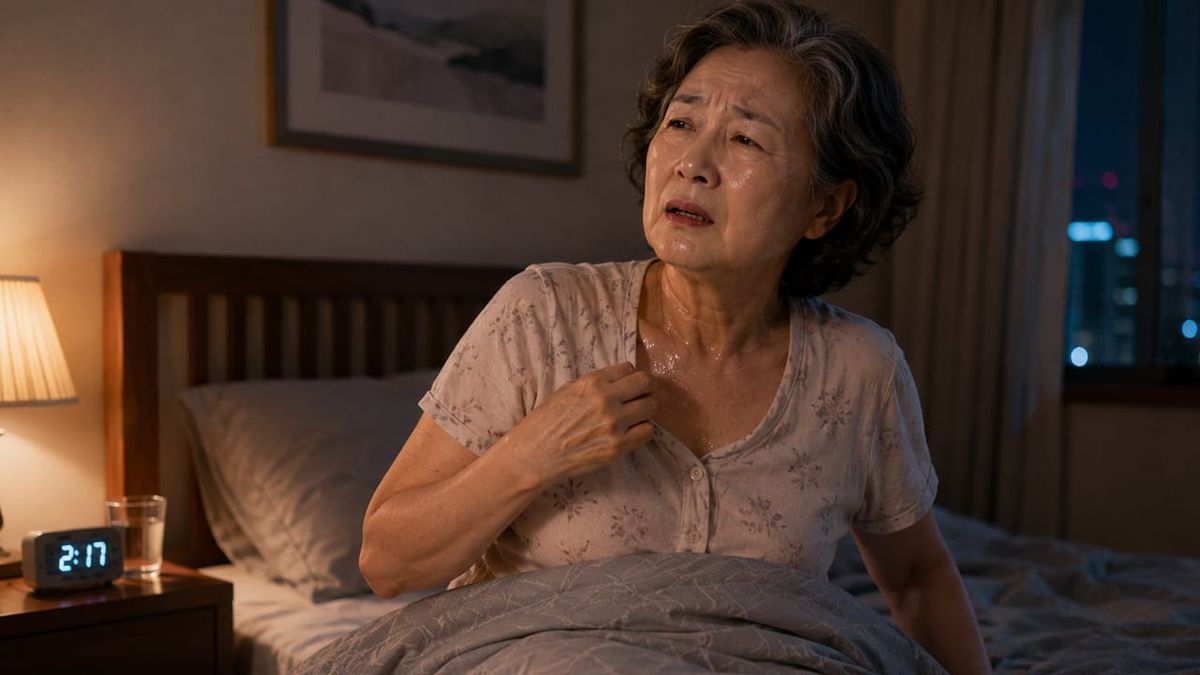

Are you managing menopausal symptoms with dietary supplements alone? Rather than relying on vague, one-size-fits-all products, learn about individualized Korean medicine approaches that identify the real cause in your body and help you manage symptoms safely.
“I’ve been drinking kudzu juice every day because people say it’s good—can it replace Korean medicine treatment?”
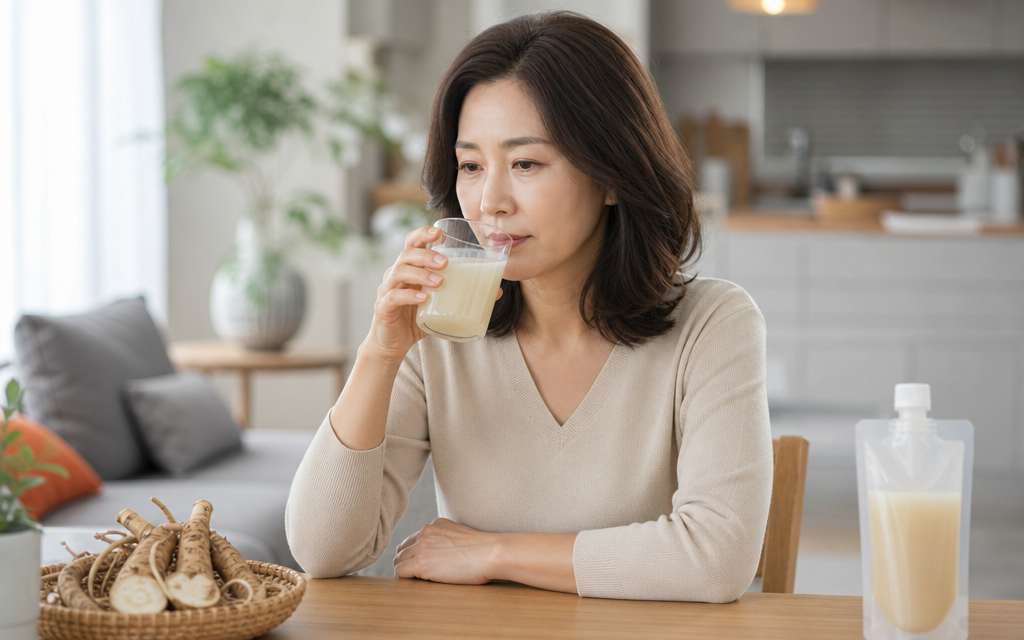
During the menopausal transition, estrogen levels can drop rapidly, bringing unexpected changes to both body and mind. To ease discomfort even a little, many people first search for health functional foods (dietary supplements) such as pomegranate juice or kudzu juice. Taking initiative to care for your health is commendable, but these foods or supplements may increase estrogen-related activity and could potentially worsen hormone-sensitive conditions such as uterine fibroids or breast lumps. “Natural ingredients” do not automatically mean “safe for everyone,” so it’s best to avoid taking them indiscriminately without considering your individual health status.
In a Korean medicine clinic, the first priority when seeing a patient with menopausal concerns is identifying the “true cause” of the discomfort. Because each person’s constitution and the balance of internal organ systems differ, it is wiser to manage menopause through an individualized prescription that safely supports whole-body balance rather than relying on uniform supplements.
1. Facial flushing and heat sensations aren’t always “just menopause”
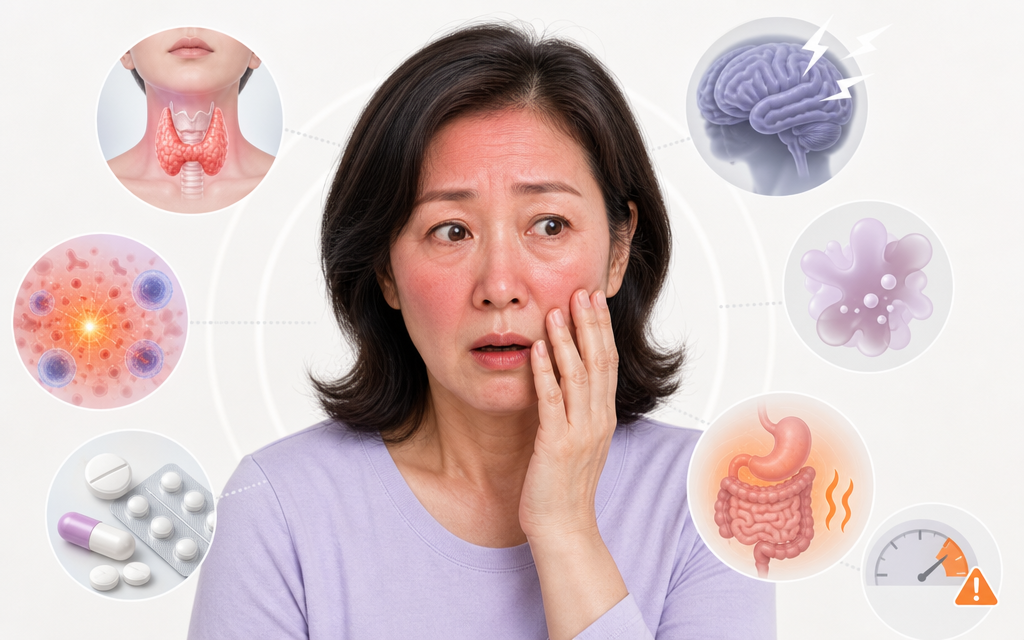
Sudden facial redness and a burning sensation are among the most well-known signs of menopause. In Korean medicine, this is often described as a pattern in which body fluids are depleted and “deficiency heat” rises upward (often referred to as *eumheo-hwawang*). However, the presence of these symptoms does not automatically mean they are solely due to menopausal changes.
Facial flushing and heat sensations can also occur due to thyroid dysfunction, chronic inflammation, or the effects of certain medications you have been taking. In some cases, they may be related to internal heat in the digestive system (often described as “stomach heat”) or stress-related stagnation affecting liver function (often described as “liver qi stagnation”). If you take only menopausal supplements without clearly differentiating these internal triggers, you may lose the opportunity to address the real underlying cause.
If symptoms persist, it is wise to visit a medical institution for an initial evaluation. In Korean medicine clinics, practitioners use traditional diagnostic methods such as pulse and tongue assessment and, when needed, integrate objective baseline health data—such as liver function, lipids, and blood glucose—to pinpoint where the symptoms are starting.
✅Check for warning signs that suggest causes other than menopause for facial flushing
- Are you experiencing sudden weight changes or extreme fatigue?
- Do you have new palpitations or hand tremors compared with usual?
- Have you recently started a new medication for another condition?
- Does the heat sensation become noticeably worse after spicy/hot foods or alcohol?
2. Pomegranate/kudzu juice vs. individualized herbal prescriptions at a Korean medicine clinic—what’s different?
Pomegranate and kudzu contain compounds often called “phytoestrogens” (such as isoflavones). Many people expect that taking them will produce effects similar to hormone therapy. However, from a clinical medical perspective, there is a clear difference in therapeutic depth between general foods and professional medical prescriptions.
- Over-the-counter menopause supplements and juice products: These are general-purpose foods designed for an unspecified broad population, with a primary focus on general safety. Because ingredient amounts are limited and standardized, there are pharmacologic limits to targeting specific symptoms that vary from person to person.
- Individualized herbal prescriptions from a Korean medicine clinic: These use medicinal-grade herbal materials that meet strict regulatory standards. The practitioner comprehensively analyzes your constitution, the stage and pattern of menopausal symptoms, underlying conditions, and potential interactions with other medications you are taking, then precisely adjusts herb selection and dosage.
Even when reviewing recent meta-analyses in the academic literature, many reports indicate that food-form phytoestrogen isoflavones did not produce meaningful, clear changes in estrogen-related markers in the body. In other words, they may serve as light nutritional support, but they are limited as a substitute for professional Korean medicine treatment aimed at correcting systemic imbalance and addressing symptoms from the root cause.
3. The misconception of “natural”: be cautious about high-concentration juices and liver toxicity
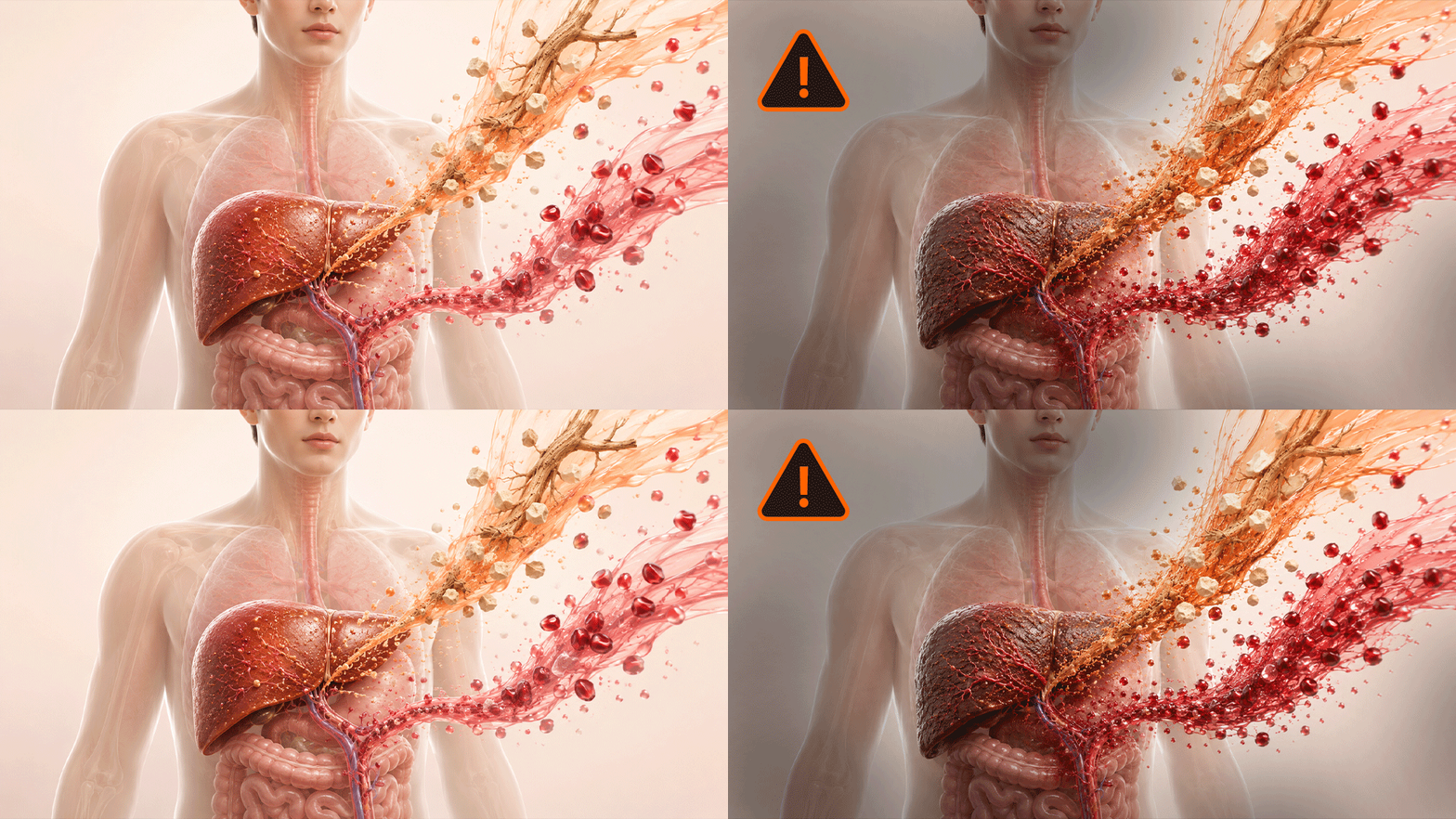
When you see phrases like “natural ingredients” or “plant-derived,” it can be easy to assume they are safe without side effects. But even plant-based components, once inside the body, are still recognized as foreign substances and must undergo complex metabolic processes in the liver—the body’s primary detoxification organ.
Extra caution is needed when taking high-concentration kudzu juice or pomegranate juice over a long period. Highly concentrated forms—where certain components are excessively compressed—may place unexpected strain on liver metabolism. In fact, there are domestic case reports of individuals without notable underlying disease who were diagnosed with drug-induced liver injury (toxic hepatitis) after long-term use of high-concentration kudzu juice.
Herbal medicine prescribed in Korean medicine clinics follows carefully controlled formulation principles and uses only medical-grade herbal materials that have undergone strict quality processes (including hGMP-based manufacturing and quality control) to block harmful substances. Long-term, self-directed use of high-concentration juices with unclear sourcing or content may instead become a significant burden on organs.
✅Body signals to watch closely for liver health
- Has your urine turned an unusually dark brown compared with usual?
- Do you have jaundice symptoms, such as yellowing of the whites of the eyes or skin?
- Are you experiencing severe whole-body itching or persistent, unexplained extreme fatigue?
- If any of the above apply, stop taking the product immediately and seek medical care.
4. Criteria for non-hormonal menopause treatment options

If you are cautious about using synthetic hormone therapy—or prefer not to use it—managing menopausal symptoms requires a structured review of safer alternatives that minimize burden on the body.
| Severity Level | Key Symptoms & Features | Recommended Safe Treatment & Management Options | Remarks |
|---|---|---|---|
| Mild | Mild hot flashes, temporary insomnia | Lifestyle modifications (weight management, caffeine restriction) + MFDS-approved supplements | Self-management and nutritional supplementation |
| Moderate to Severe | Facial flushing disrupting daily life, joint pain, severe insomnia, depression | Constitution-based customized Korean medicine prescriptions (Korean medicine clinic treatment) | Fundamental restoration of systemic balance without concerns over synthetic hormone side effects |
| Hormone Contraindication & Avoidance | History of breast cancer/uterine fibroids, risk of thrombosis, or preference for natural therapy | Safe, customized Korean medicine treatment or non-hormonal medical therapy | Safely control symptoms without artificial hormone administration |
Rather than simply enduring symptoms or cycling through supplements with unclear effectiveness, it helps to check the two items below before visiting a Korean medicine clinic. This can support a safer and more precise individualized plan.
- Health checkup results from the past 1–2 years: Mammography, cervical cancer screening, liver enzyme results, and bone density results can be very helpful for understanding your overall health context.
- A list of products you are taking: Accurately note the daily amount and duration of use for products you take regularly at home, such as red ginseng, kudzu juice, and pomegranate products.
5. How to read “menopause supplement” labels for a safer, smarter choice
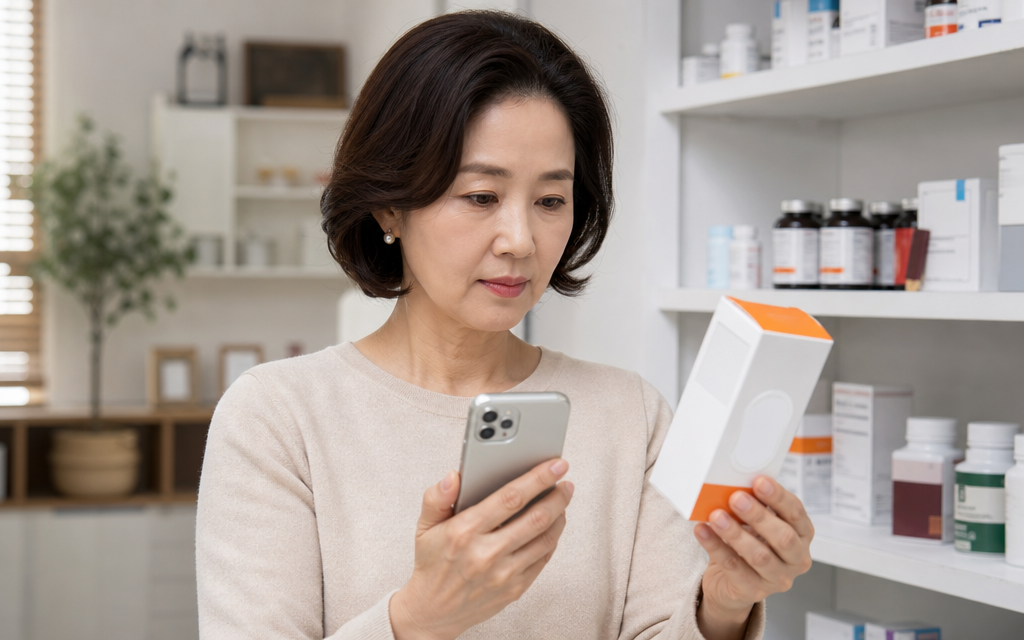
If your symptoms are mild and you want to use menopause supplements only as a supportive measure, you need to learn how to read labels properly. Don’t be swayed only by flashy marketing phrases—check the medical criteria below yourself.
1. Confirm the MFDS “Health Functional Food” mark: First, determine whether it is a general juice product categorized as a simple “liquid tea” or “processed food,” or whether it carries the official “Health Functional Food” mark recognized through strict review by the MFDS (Korea’s Ministry of Food and Drug Safety).
2. Read the nutrition/function information carefully: On the back label, check the functional ingredient name and the recommended daily intake as notified by the MFDS.
3. Use the Food Safety Korea portal: One of the most reliable methods is to search the product name on the government-operated “Food Safety Korea” portal. You can easily verify whether it has been properly reported/approved.
6. Frequently Asked Questions (FAQ)
Q. I have facial flushing—can I just assume it’s menopause and take supplements without any medical tests?
Not recommended. Facial flushing can occur for many reasons besides menopause, including thyroid dysfunction and certain medications. For safety, you should first undergo a basic health evaluation (such as liver function, lipids, and blood glucose) with a clinician and clarify the triggering cause.
Q. Do soy isoflavones or pomegranate ingredients have the same effect as actual female hormones?
No. These phytoestrogens may partially interact with hormone receptors, but they do not function identically to hormones naturally produced in the body. Many studies report that changes in estrogen-related markers are often not clearly significant, so it is more appropriate to view them as a light supportive option rather than a replacement for standard medical treatment.
Q. I started drinking a menopause juice product and suddenly developed abnormal uterine bleeding—can I keep taking it?
If abnormal bleeding occurs, you should stop taking it immediately. Phytoestrogen components may have overstimulated the endometrium, or another previously unrecognized uterine condition may be responsible. Not only synthetic hormones but also high-concentration juices can irritate gynecologic conditions, so it is safest to seek prompt medical evaluation to determine the exact cause.
Q. If I want to treat menopause without taking hormones, what should I tell the Korean medicine clinic?
If you have a history of breast cancer, uterine fibroids, or a specific reason to avoid hormone therapy such as clotting risk, share that with the Korean medicine doctor first. Also disclose any chronic disease medications and all supplements you have purchased and are taking. This transparency helps design a Korean medicine plan that avoids metabolic overload on the body.
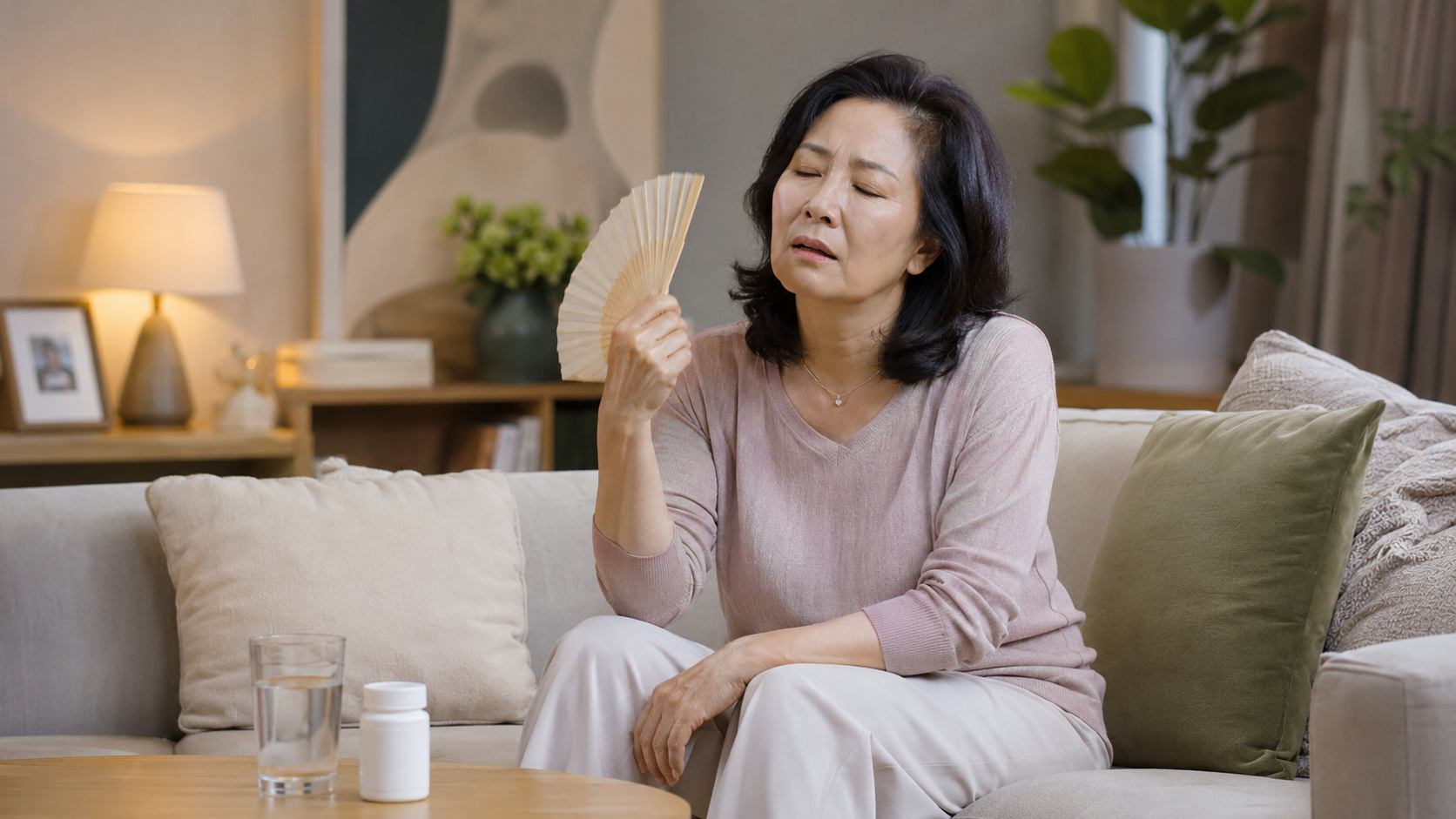
Many women in their 40s and 50s quietly rely only on supplements even while struggling with menopausal symptoms. But body signals driven by hormonal change are not something to feel embarrassed about or endure alone. Supplements are only supportive tools and cannot fully replace medical treatment. By setting clear, body-appropriate criteria for decision-making, we hope you can manage today’s discomfort in a safer and more informed way.
Sources
- Korea Disease Control and Prevention Agency (KDCA), National Health Information Portal: Menopause, menopausal symptoms, and preventive management (latest updated version)
- The Korean Journal of Hepatology: A case report of toxic hepatitis after taking kudzu juice (2009)
- Journal of Menopausal Medicine, The 2020 Menopausal Hormone Therapy Guidelines (2020)
※ The copyright for all content on this blog belongs to medihi. Unauthorized copying, distribution, or derivative use is strictly prohibited, and violations may result in legal action without prior notice.
Recommended reads
 medihi