
For those considering veneers amid a busy schedule, here are five key criteria to check—not only for speed, but also for a safer, more predictable outcome.
“I don’t have much time, so I’m thinking about one-day veneers. Is that okay?”
“If it’s completed in a single day, won’t it be less durable?”

Many people rush to the dentist ahead of major life moments—job interviews, studying abroad, wedding photos, and more. With limited time, it can be hard to decide on `Same-day veneers` because of the worry that something finished in one day might chip easily or fall off.
To get straight to the point: medically speaking, the key factor that determines the lifespan of veneers is not “fabrication time,” but the “quality of bonding.” What clinicians prioritize most is (1) how firmly the tooth surface and the restoration chemically bond, and (2) whether the margin of the restoration seals tightly against the tooth without gaps.
1. A one-day procedure does not mean steps are “skipped”
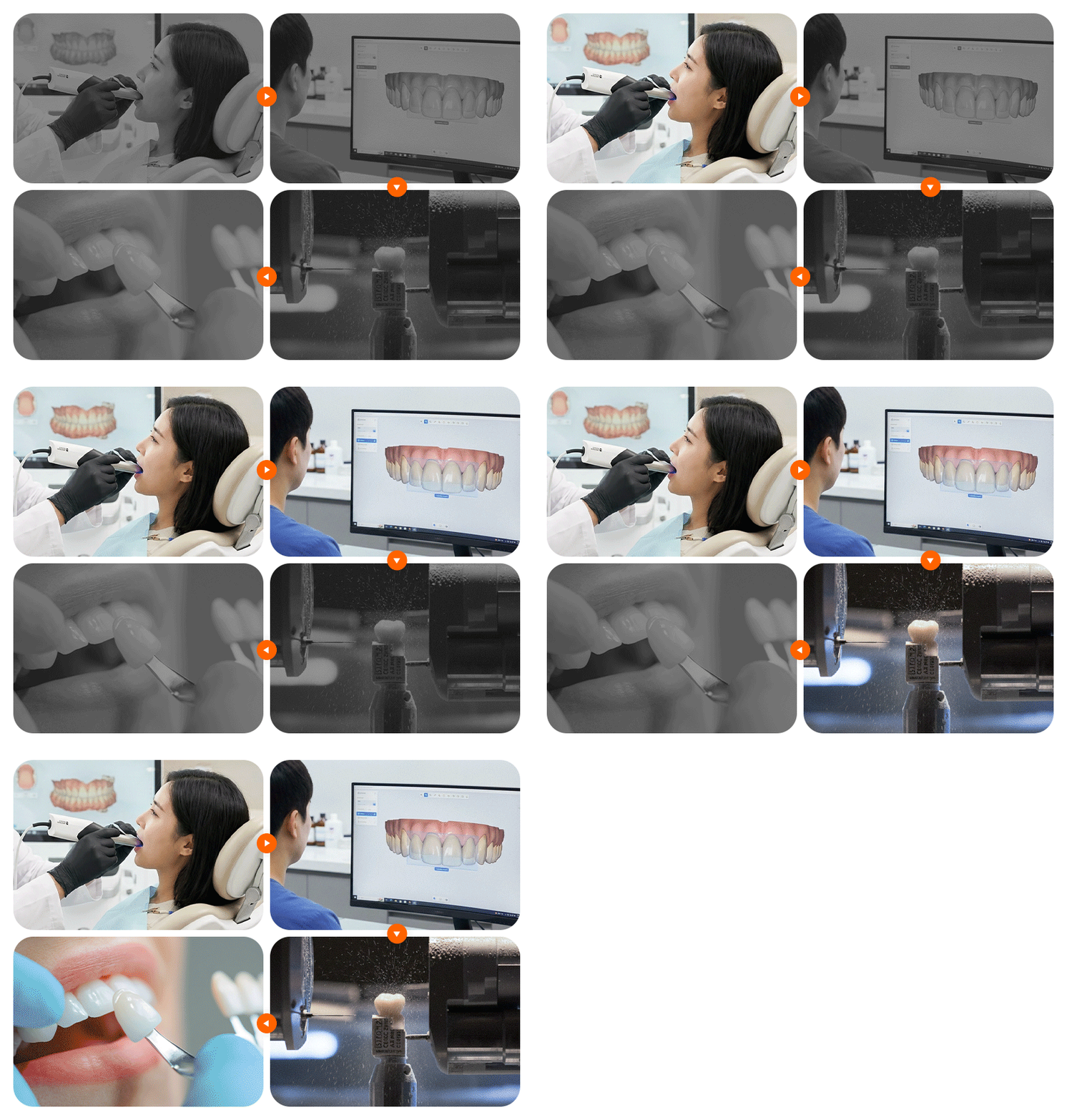
When people hear “made quickly,” they often assume essential steps are being skipped. However, the speed of `Same-day veneers` comes not from omitting steps, but from reducing waiting time through a “digital workflow.”
In the past, the analog process involved taking impressions with rubber materials, sending them to an external lab, and having a technician manually build and fire the restoration—often taking several days to a week. In contrast, the one-day approach captures tooth data with an intraoral scanner and uses an in-house milling machine (CAD/CAM) to fabricate it immediately.
It’s like handwriting a document and mailing it versus emailing it and printing right away. The physical delivery time is reduced; the medically necessary design and precision fabrication steps are not eliminated. In fact, studies report that standardized digital methods can show clinically favorable fit.
✅One-day digital workflow summary
1. 3D scan: Precise capture with an intraoral scanner instead of rubber impressions
2. AI design: Customized planning with software, considering bite (occlusion) and aesthetics
3. Immediate fabrication: In-house milling machine precisely mills a high-strength ceramic block
4. Surface treatment & bonding: Chemical conditioning followed by same-day bonding
2. More important than digital equipment is the condition of the “wall” the “tile” will be bonded to
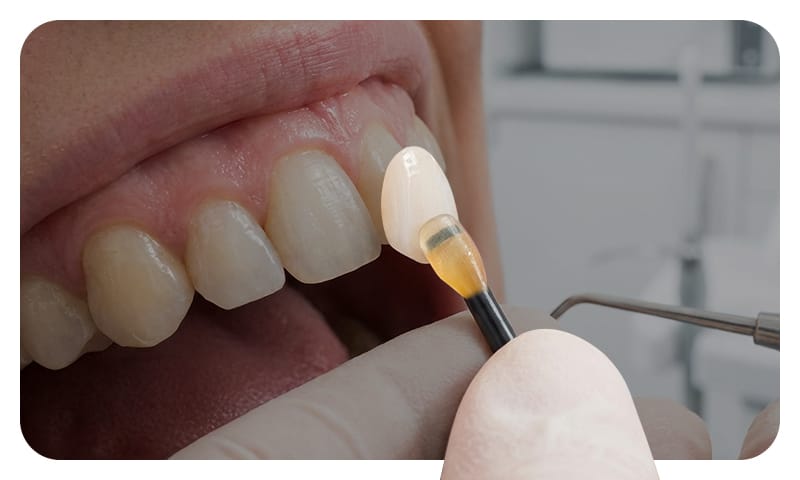
Many people mistakenly believe, “If a clinic uses the latest equipment (like CEREC), the results will automatically be good.” But digital equipment is only a tool—the more important core issue is the condition of the teeth (the “wall”) that the veneers (the “tiles”) must adhere to.
An interior tile analogy makes this easy to understand.
Digital equipment precisely cuts the tile to match the wall’s shape, and bonding is the process of attaching that tile to the wall.
Even if a machine cuts the tile with extremely high precision, if the wall (tooth) is wet (saliva/bleeding) or the wall itself is weak and crumbly (dentin exposure/caries), the tile can soon detach or fracture. In other words, before focusing on the machine’s name, you should first consider: “Is my tooth surface in a condition that’s favorable for bonding?”
✅Checklist before a digital procedure
- Did they use a modern intraoral scanner to reduce discomfort and errors during impression-taking?
- Does the clinician directly participate in design customization to enhance aesthetics?
- Do they use authentic ceramic blocks to help ensure fracture resistance?
3. For longer-lasting results, confirm whether “enamel bonding” is possible
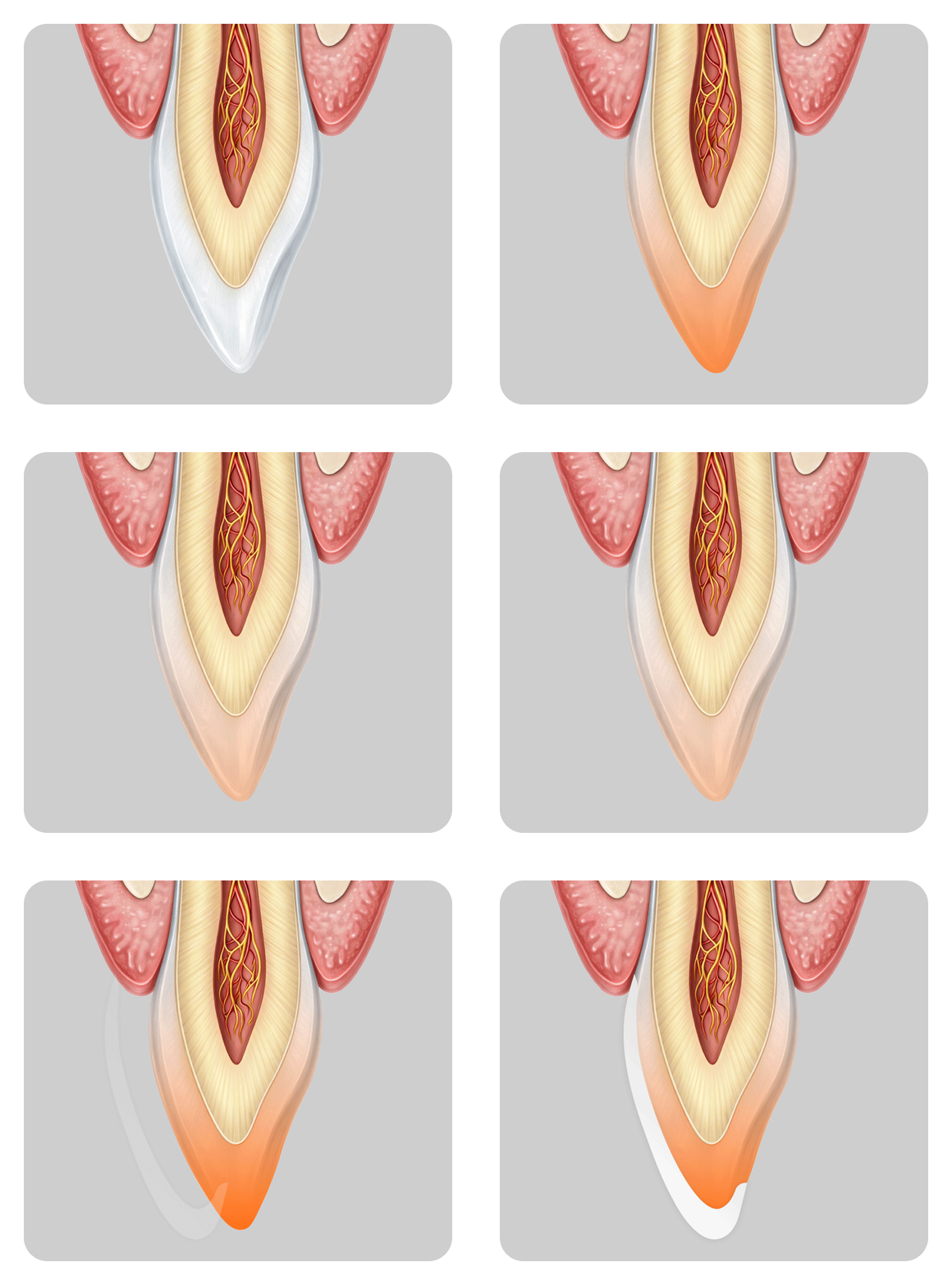
Ultimately, success depends on the “bonding substrate.” Veneers achieve the strongest bond and tend to last longer when bonded to enamel—the hard outermost layer of the tooth.
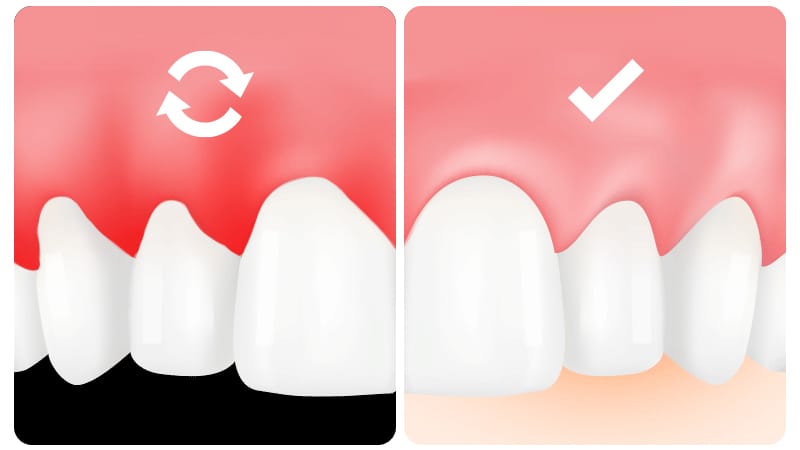
On the other hand, if a large amount of tooth reduction exposes more of the softer inner layer (dentin), or if there is a wide area of existing resin fillings, bond strength may decrease significantly. Bleeding from gum inflammation is also critical: if blood or saliva contaminates the bonding surface, adhesive performance drops sharply.
So rather than insisting, “Please finish it today no matter what,” it’s wiser to ask your clinician: “Is my case favorable for same-day bonding because enamel preservation is good?”
4. Am I a candidate for same-day treatment?
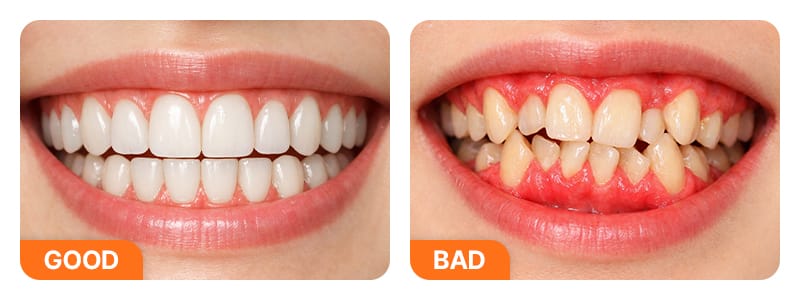
Not everyone is a candidate for one-day veneers. Depending on your tooth alignment and gum health, this approach may be beneficial—or it may work against you.
Use the table below to gauge your situation.
| Category | Same-Day Procedure Recommended (Favorable Cases) | Cautious Approach Needed (Prior Treatment Recommended) |
|---|---|---|
| Dental Alignment | Relatively aligned or minor misalignment | Severe crowding, rotated teeth, or protrusion (Risk of excessive tooth reduction) |
| Gums | Healthy pink color with no swelling | Bleeding during brushing or red and swollen (Inability to isolate moisture) |
| Tooth Reduction Amount | No-prep or minimal reduction within enamel | Significant tooth reduction expected, exposing dentin |
| Habits | No teeth grinding or clenching habits | Severe sleep bruxism (grinding), nail biting |
If your teeth are well-aligned and your gums are healthy, `원데이라미네이트` can be a reasonable choice that balances time and aesthetics. But if gum inflammation is severe or significant tooth reduction is expected, it’s safer to prioritize gum treatment or orthodontic care first rather than insisting on same-day completion—helping reduce the risk of fractures or sensitivity.
✅Self-checklist before consultation
- Do your gums not bleed frequently when brushing? (If hemostasis is needed, same-day may not be possible.)
- Are your front teeth not severely crowded or protruding?
- Do you not have a habit of chewing ice or grinding your teeth?
5. Aftercare to reduce the risk of fracture or debonding
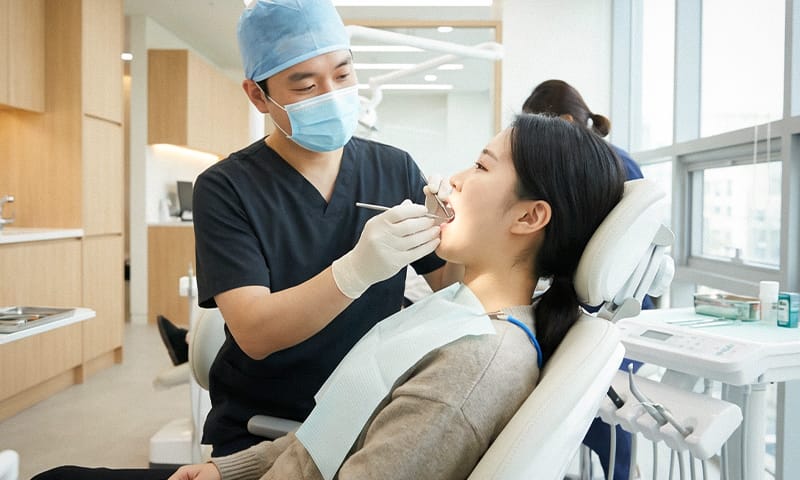
Even if the procedure is completed successfully, rough habits afterward can shorten its lifespan. Veneers are thin ceramic shells—typically around 0.3–0.7 mm—so you should avoid biting hard ice with your front teeth or tearing tough foods with them.
In particular, nighttime grinding or clenching can apply strong forces unconsciously (over 60 kg), making it a leading cause of restoration fractures. If you suspect bruxism, you should actively consider wearing a protective device such as a night guard (splint) after treatment.
It’s like placing an impact-absorbing mat over a floor finished with premium tile. Also, regular checkups every six months to confirm there are no gaps at the margins and no gum inflammation are the most reliable way to reduce the likelihood of needing retreatment.
6.Frequently Asked Questions (FAQ)
Q. Can anyone complete one-day veneers on the same day?
No. If gum inflammation is severe and moisture control (isolation) is difficult, or if alignment issues are likely to require extensive tooth reduction, the standard approach is to treat the gums or proceed with orthodontic care first rather than forcing a same-day procedure. Pushing for same-day treatment can contribute to early debonding.
Q. Which is better: veneers, resin, whitening, or orthodontics?
It depends on your goal.
- Tooth whitening: When you want to brighten “color” only without changing tooth shape
- Resin: When a chipped area is small or a gap is narrow and you want a “partial” repair (more affordable, but may discolor)
- Orthodontics: When the core issue is tooth “alignment” (the most fundamental treatment)
- Veneers: When you want to improve both “shape” and “color” quickly
Q. I grind my teeth a lot—can I still get veneers?
Bruxism is one of the biggest risk factors for veneer fractures. It’s not necessarily impossible, but you must choose a reinforced, higher-strength material and wear a protective device (splint) during sleep to maintain it more safely.
Q. When is the best time to schedule a consultation?
If you have an important event coming up—like an interview or wedding—it’s recommended to visit for an exam at least 2–3 weeks in advance. Same-day treatment may be possible, but depending on gum condition or cavities, preliminary treatment may be needed, so allowing extra time is safer.

When considering `Same-day veneers`, what matters more than “how fast it can be done” is “whether your teeth are ready to handle that speed.”
1. Check whether your tooth surface (enamel) is in a condition favorable for bonding.
2. Get an evaluation to confirm gum health won’t interfere with same-day bonding.
3. Even after treatment, ongoing attention—regular checkups and bruxism management—is important.
It’s a positive development that advances in technology have dramatically shortened treatment timelines. But for that convenience to remain healthy and stable over time, an accurate diagnosis tailored to your oral condition must come first.
Sources
- Clinical survival and complication rate of ceramic veneers bonded to different substrates: systematic review & meta-analysis, *The Journal of Prosthetic Dentistry*, 2024.
- Kim JH et al. Evaluation of marginal fit of zirconia cores fabricated by CAD/CAM system. *The Journal of Korean Academy of Prosthodontics*, 2011.
- Korean Dental Association, Standards and guidelines for medical advertising review (2023).
※ The copyright for all content on this blog belongs to medihi. Unauthorized copying, distribution, or derivative use is strictly prohibited, and violations may result in legal action without prior notice.
Recommended reads
 medihi