

Board certification in orthodontics is a safety measure that guarantees expertise from precise diagnosis to treatment and retention. This article explains the meaning of this qualification and provides a checklist for making a wise choice to minimize the risk of failure from the start.
"I started because of a discount event, but two years later, my bite still isn't right."
Orthodontic treatment is a long-term investment of substantial money and time (often 2+ years). Once started, it is difficult to reverse. More than "what appliance" you use, "who treats you" determines your lifelong oral health and treatment stability.

Below, we organize the structural safety net provided by a board-certified specialist and key decision points to help you avoid the risk of re-treatment.
1.Why "Board-Certified Orthodontist" Matters
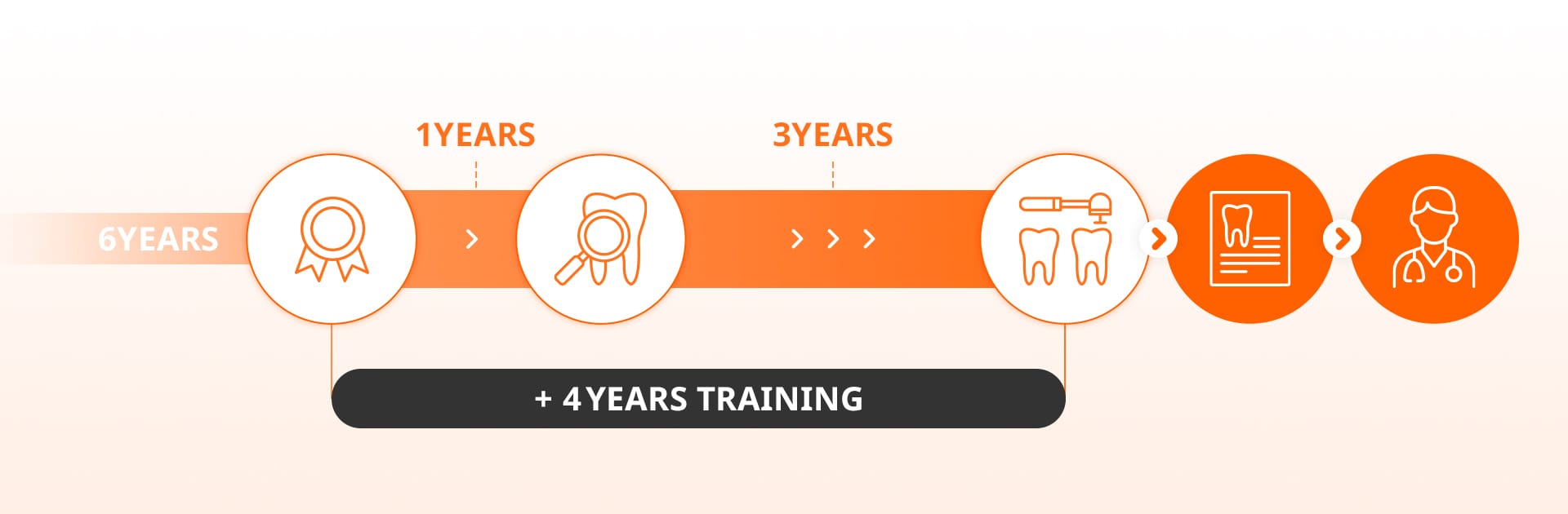
The title of "Orthodontist" (Specialist) is not given to every dentist. It is earned only after completing 4 years of intensive residency training (1 year internship + 3 years residency) specifically in orthodontics at an accredited institution, followed by passing a rigorous national board examination.
This 4-year process is legally designed to verify clinical experience with high-difficulty cases (e.g., orthognathic surgery cases, complex adult orthodontics) and academic competence. For patients, this serves as a structural safety net that enhances diagnostic precision and treatment predictability.
2.Specialist vs. General Dentist: What’s the Difference?
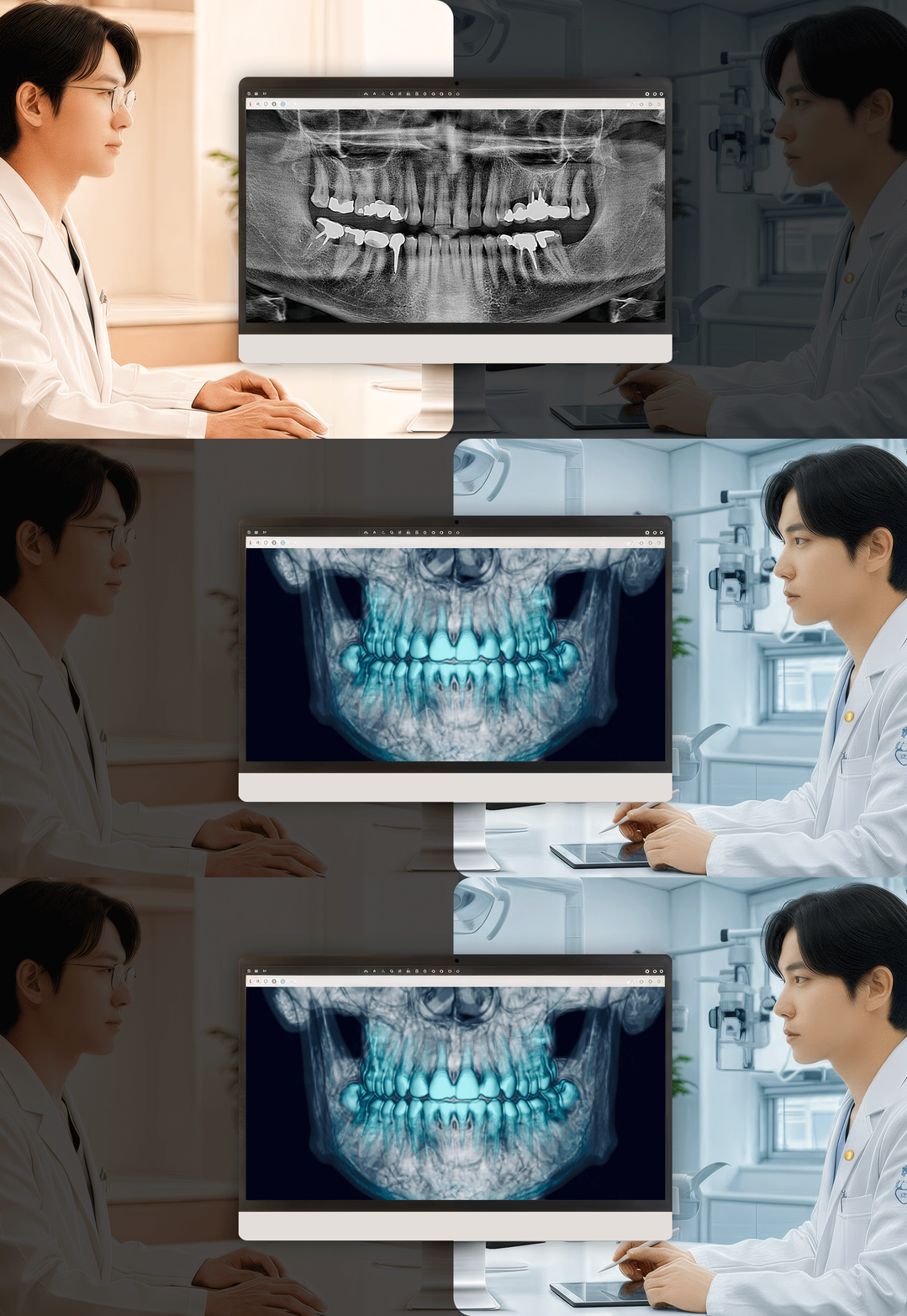
While general dentists can legally perform orthodontic procedures, there is a significant difference in educational background and depth of clinical experience compared to specialists.
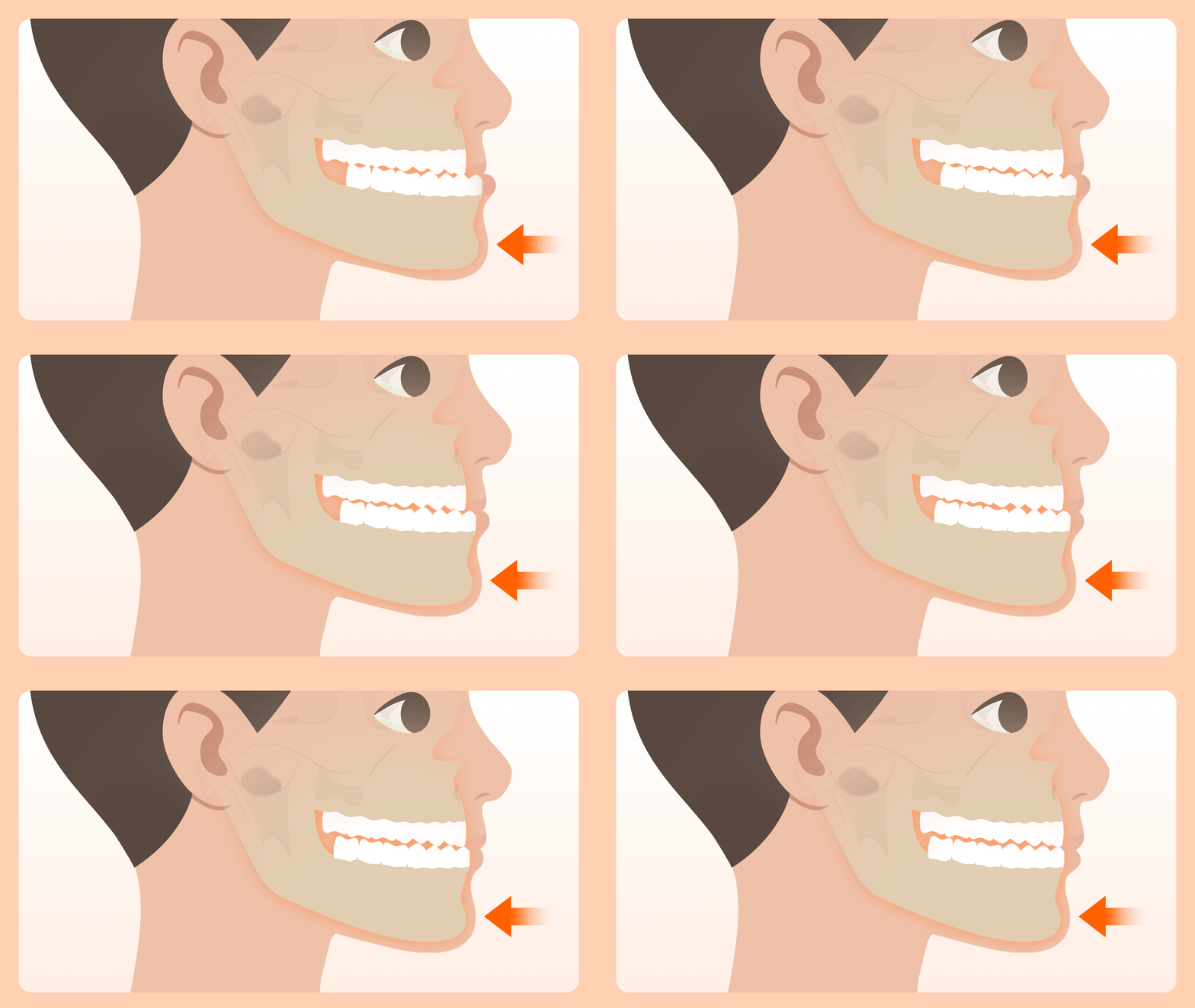
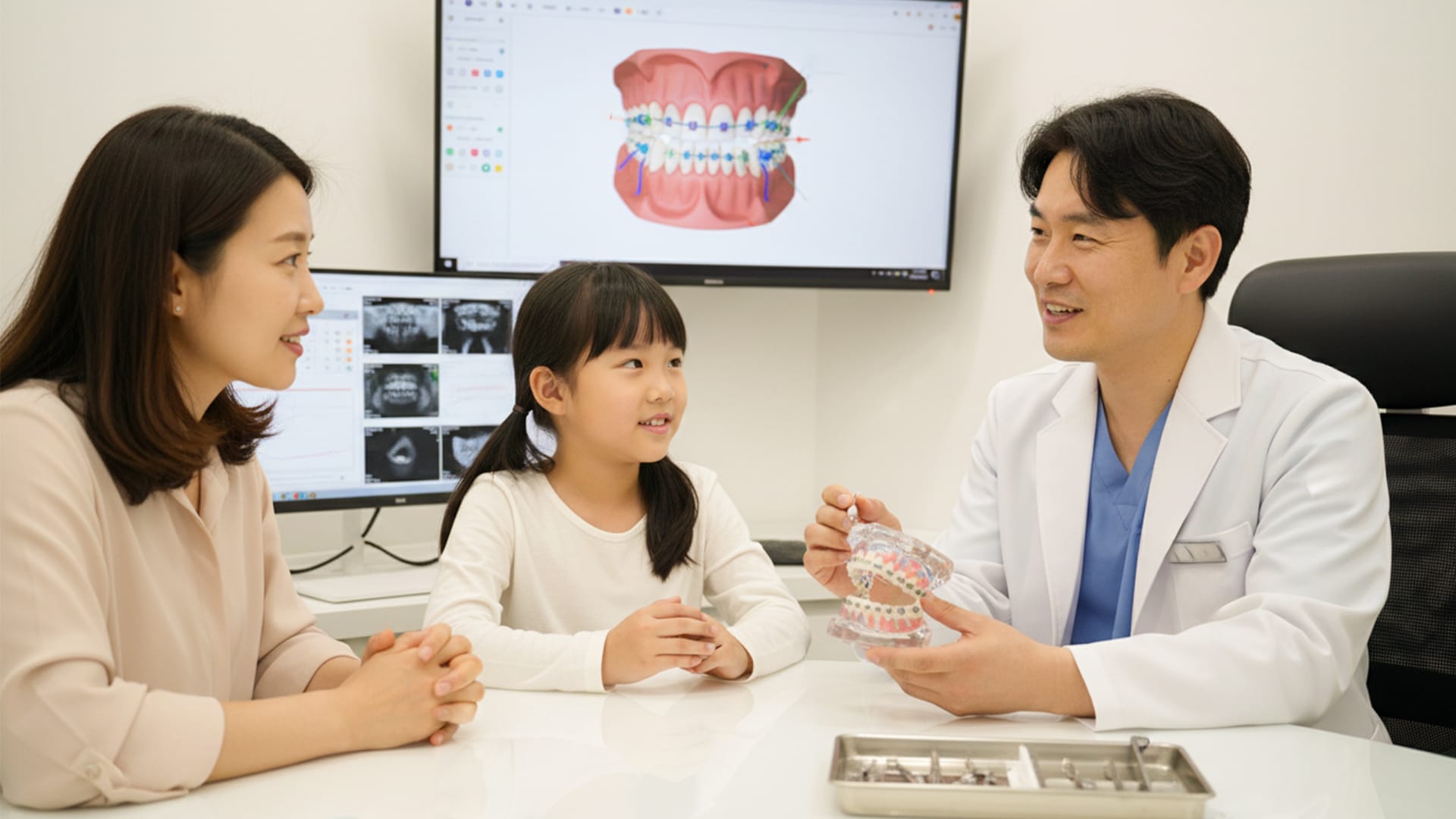
Specialists operate standardized precision diagnostic systems involving cephalometric analysis, 3D scanning, and facial growth assessment. They are structurally equipped to manage complex cases involving jaw growth discrepancies (underbite, overbite, asymmetry) or interdisciplinary treatments (surgery, periodontics, prosthodontics).
Conversely, without specialized training, there may be limitations in deeply understanding complex skeletal issues or judging optimal timing. Furthermore, long-term retention planning—critical for preventing relapse—is an area where a specialist's systematic approach stands out.
3.Reducing Failure: Diagnosis, Timing, & Retention
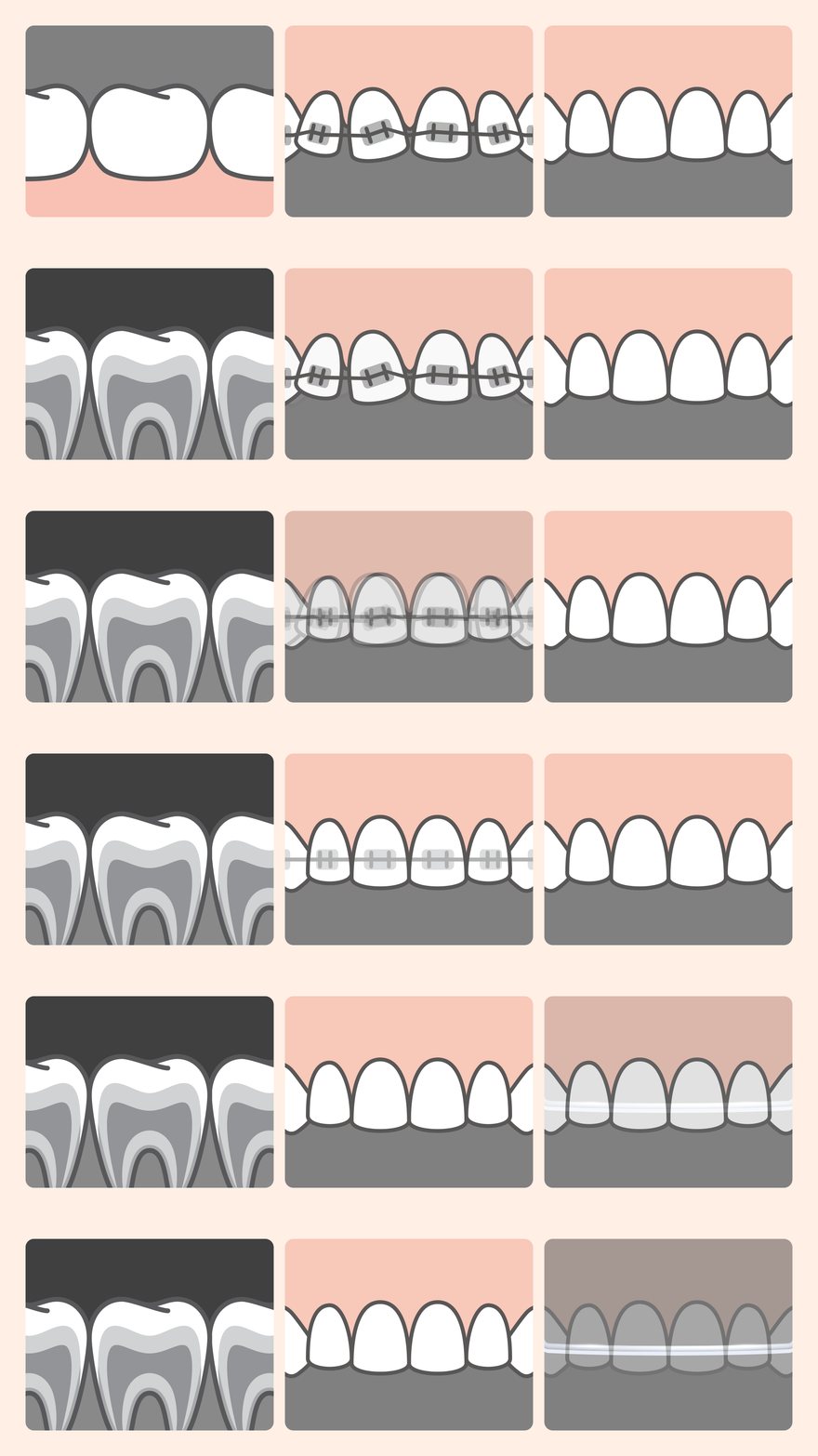
Orthodontic failure refers to not achieving desired results or experiencing relapse (teeth moving back), necessitating re-treatment. Re-treatment often costs more time and money than the initial procedure.
Failure usually stems from inadequate initial diagnosis, unrealistic treatment plans, or poor retention management.
- Thorough Initial Diagnosis: For growing children, there is a "Golden Time" to guide jaw growth. Specialists diagnose accurately to capture this window. For adults, they avoid the risk of attempting simple orthodontics when surgery is actually needed.
- Retention-Focused Stability: After braces, teeth have a strong tendency to return to their original positions. Specialists plan personalized retainer types, duration, and check-up cycles based on biomechanics to manage relapse risks proactively.
4.Evidence: The Specialist Advantage
Objective comparative studies report that intensive 4-year training leads to higher-quality outcomes. Research indicates that patient groups treated by orthodontic specialists tend to have superior overall assessment scores and more efficient treatment durations.
This clinical advantage accumulates from differences in precision diagnosis, experience with high-difficulty cases, and long-term retention management.
[Comparison: Specialist vs. General Dentist]
| Category | Board-Certified Orthodontist | General Dentist |
| Diagnostic Precision | Standardized Ceph/3D analysis, Growth & Facial assessment | Basic reading, potential limits in complex assessment |
| Case Experience | Mandatory high-difficulty & comprehensive cases during residency | Large variance in individual study & experience |
| Treatment Duration | Tendency for efficiency due to consistent planning | High variability depending on case complexity |
| Retention Care | Personalized retainer & long-term tracking protocols | Potential variance in retention planning |
5.A Wise Choice Checklist

Orthodontics is a long-term investment. Choose your doctor based on the Total Cost of Ownership—avoiding the massive loss of re-treatment—rather than immediate low-cost events
| Check Point | How to Verify & Criteria | Structural/Clinical Meaning |
| Doctor's Qualification | Check official websites (e.g., AAO, ABO, Ministry of Health) to see if they are a "Specialist/Board Certified." | The surest safety net verifying 4 years of intensive training. |
| Clinic Name | Look for terms like "Orthodontic Clinic" or specific specialist designations on signage. | Ensures the clinic is structurally intended to focus on orthodontic care. |
| Diagnostic Transparency | Ensure they use Cephalometrics/3D Scans and present a plan considering facial balance and growth. | Assesses ability to solve complex cases beyond simple alignment. |
| Retention Plan | Confirm if they offer a personalized plan (retainer type, duration, check-ups). | Gauges responsibility for long-term management to avoid relapse. |
Global Context
- USA: Dentists must complete a separate residency to become "Orthodontists" (AAO member). Board Certification (ABO) is an additional step of voluntary excellence.
- Korea: Similar to the US, a national board certification system ensures high public accountability.
6.Frequently Asked Questions (FAQ)
Q. Are 'Board Certified' and 'Society Member' the same?
No. Board Certification is a government or board-recognized qualification requiring residency and exams. Society membership may just indicate interest or participation, with different legal scopes.
Q. Is a specialist always more expensive?
Not necessarily. Costs vary by clinic. When considering the total cost—including lowering the risk of re-treatment and ensuring higher quality—a specialist offers significant long-term value.
Q. How long must I wear retainers?
It varies by case, but teeth have a lifelong tendency to move. Specialists personalize the type and duration based on biomechanics to manage relapse risks effectively.
Q. What is the surest way to verify a specialist near me?
Use the "Find a Doctor" feature on official association websites (like the American Association of Orthodontists or local equivalents) and check if the clinic signage explicitly states "Orthodontics."
Q. When should I start the consultation?
For children, earlier is better (around age 7) to catch growth issues like underbites or asymmetry. For adults, immediate consultation with a specialist is safest to establish a plan, especially for complex cases.
In orthodontics, the person and system responsible for the entire plan—treatment—retention process are more important than the appliance itself. Board certification is a public verification tool to ensure that responsibility. Rather than being swayed by immediate discounts, we hope you take a wise first step by choosing a provider with official qualifications and precise diagnostic systems to avoid the risk of re-treatment.
Sources
- Ministry of Health and Welfare. (2024). Notices & Guides on Specialist System and Residency Training.
- Korean Dental Association & Korean Association of Orthodontists. (2023–2024). Specialist System, Search, and Clinical Guidelines.
- Koroluk, L. D., et al. (2011). Quality of orthodontic treatment performed by orthodontists and general dentists. American Journal of Orthodontics and Dentofacial Orthopedics, 140(2), 224–229.
※ The copyright for all content on this blog belongs to Medihi. Unauthorized copying, distribution, or derivative use is strictly prohibited, and violations may result in legal action without prior notice.
Recommended reads
 medihi