

It is natural to worry about radiation exposure when it comes to your precious child. This guide explains why dental imaging is necessary and provides evidence-based reassurance on how safely it is managed. We aim to help parents make informed decisions without anxiety.
"Is it really okay to take X-rays when they are so young?"
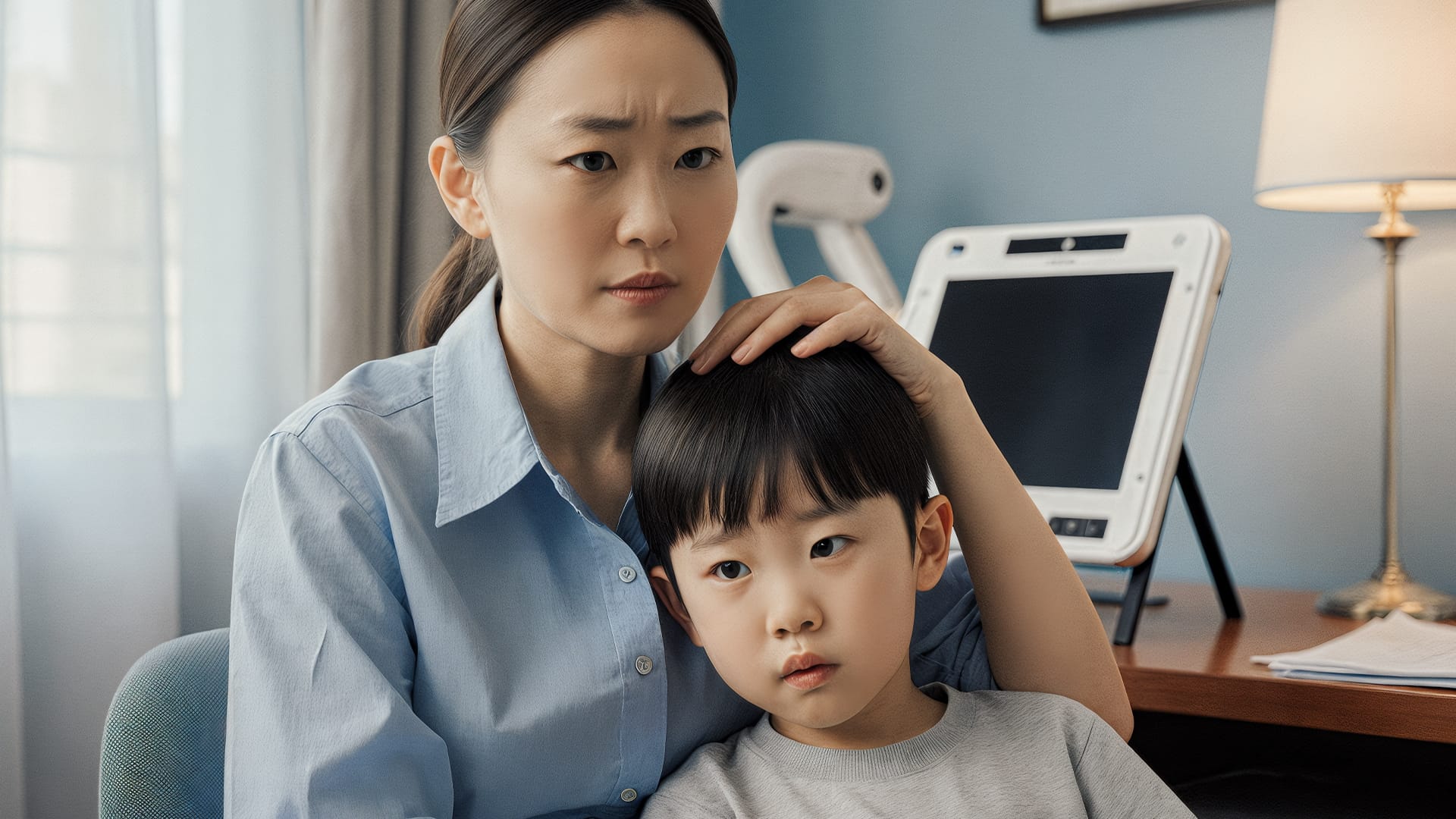
This is the most common question parents ask during their first orthodontic consultation. Since it concerns a child's lifelong health, worrying about invisible radiation exposure is completely understandable.
However, letting anxiety delay essential diagnostics could lead to missed "golden times" for treatment, potentially causing bigger issues down the road.
This article clarifies why dental radiographic exams are crucial for your child's healthy growth and explains exactly how safe they are. Check the sections below to find answers to your concerns.
1.What Happens If We Delay the First Check-up?
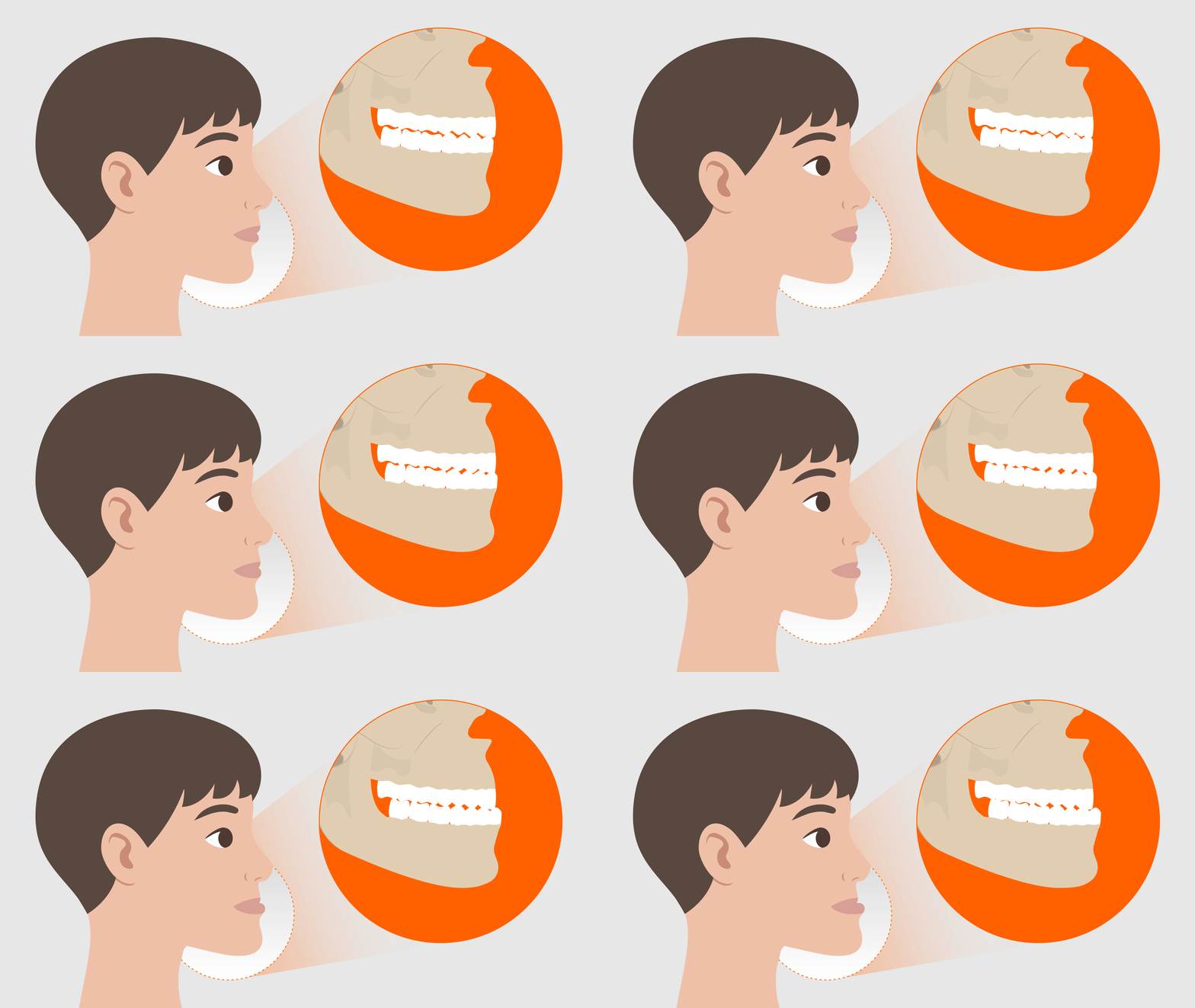
Many parents wonder, "Can a young child handle a panoramic X-ray?" but the ideal age for a first orthodontic screening is actually around age 6 to 7. At this stage, jaw growth is active, making it the perfect time to assess development, and radiographic exams can be performed safely.
This period is called the mixed dentition stage, where permanent teeth and baby teeth coexist. Early imaging allows doctors to check the growth direction of the jawbones, helping to prevent complex issues that might only be discovered after growth is complete.
[Why Early Detection Matters]
- Catching Skeletal Issues Early: Problems like a protruding lower jaw (underbite) or a small upper jaw can often be improved with orthodontic appliances alone if caught during growth spurts, potentially avoiding surgery later.
- Finding Hidden Anomalies: Panoramic X-rays can reveal impacted teeth (stuck in the gum), supernumerary teeth (extra teeth), or congenitally missing teeth—issues impossible to see with the naked eye.
- Assessing Space Problems: If there isn't enough space for permanent teeth, early intervention can create room, preventing severe crowding.
2.How Safe are Dental X-rays Really?

Most anxiety stems from a lack of information. In reality, the radiation dose from dental imaging is significantly lower than the natural background radiation we are exposed to in daily life.
The Centers for Disease Control and Prevention (CDC) and other health organizations set diagnostic reference levels (DRLs), and all dental clinics follow the ALARA principle (As Low As Reasonably Achievable), using only the minimum amount necessary.
Putting Radiation Doses into Perspective
The radiation exposure from a dental exam is minimal. For instance, one panoramic X-ray exposes a child to about the same amount of radiation as living their daily life for 3 to 4 days.
This is only about 1/15th of the radiation received during a round-trip flight from Seoul to New York. Even everyday foods like bananas contain trace amounts of radiation.
| Exam Type | Radiation Dose (mSv) | Daily Life Comparison |
| Panoramic X-ray (1 shot) | 0.01 ~ 0.025 | Approx. 3-4 days of natural background radiation |
| Cephalometric (Side) X-ray | 0.005 ~ 0.01 | Approx. 1-2 days of natural background radiation |
| Dental CT (CBCT) | 0.03 ~ 0.18 | Approx. 1/2 of a Seoul-NY round-trip flight |
| Annual Natural Radiation | ~ 3.8 | Equivalent to approx. 380 panoramic X-rays |
3.When is a CT Scan Necessary?
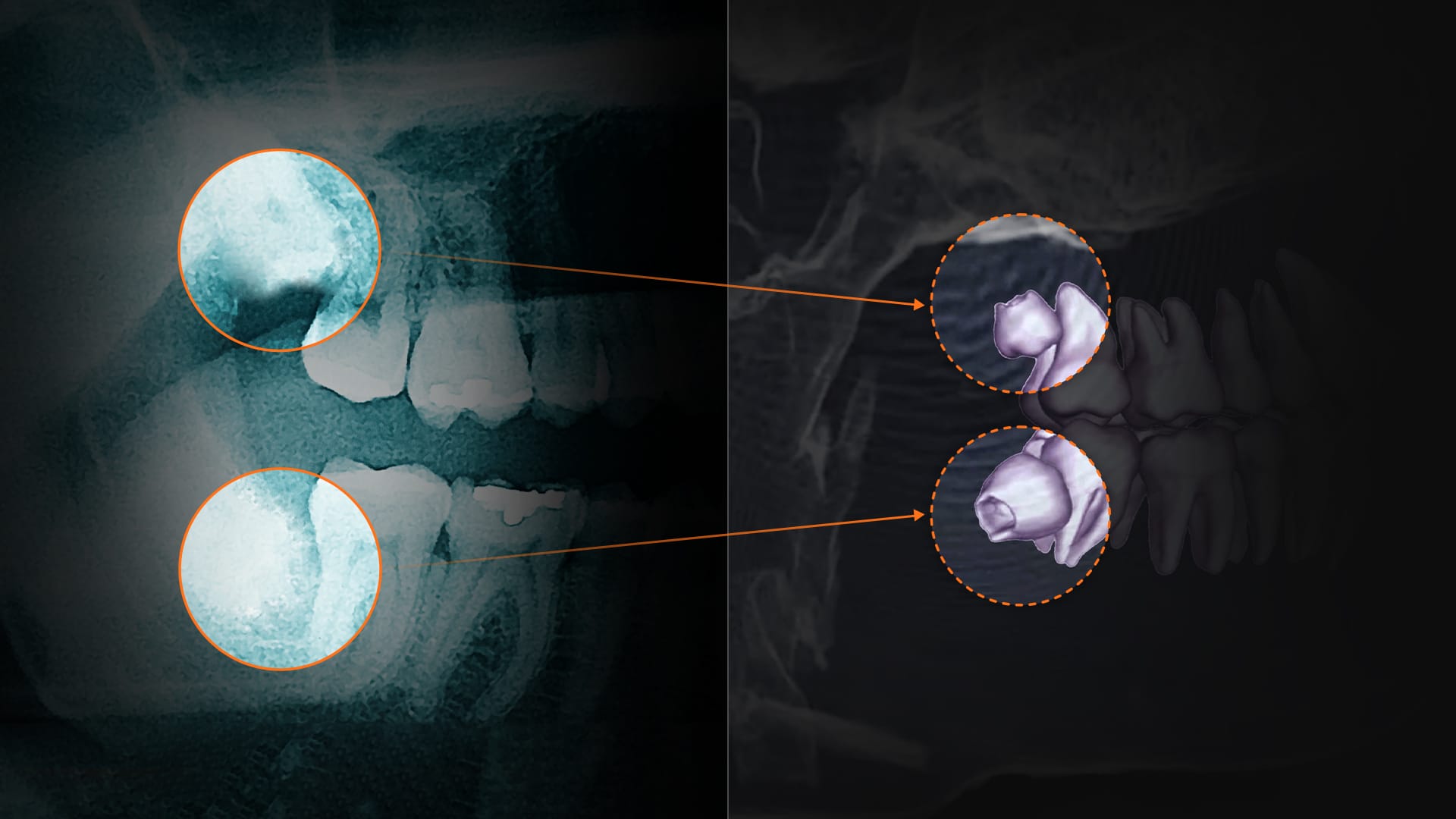
For most pediatric orthodontic diagnoses, 2D images like Panoramic or Cephalometric X-rays are sufficient. However, in specific situations, a Dental CT (CBCT) may be required. This specialized 3D imaging equipment uses a lower radiation dose than standard medical CTs.
- Locating Impacted/Extra Teeth: Essential for 3D visualization of teeth hidden deep in the bone to see their exact position relative to nerves and roots.
- Checking Jaw Joints & Cysts: Useful for diagnosing structural abnormalities in the TMJ or the exact size of cysts within the jaw.
- Analyzing Bone Density: Helps plan safe tooth movement by precisely analyzing the condition of the alveolar bone before treatment.
4.How Do Doctors Minimize Radiation Exposure?

Medical professionals are acutely aware of pediatric sensitivity to radiation and employ strict measures to minimize exposure.
- Pediatric Low-Dose Protocols: Settings are adjusted for a child's smaller body size (lower kVp, faster scanning time) to reduce unnecessary dosage.
- Digital Technology: Modern clinics use digital sensors that require significantly less radiation than traditional film.
- Avoiding Retakes: Retakes mean double the exposure. Staff will guide your child to stay very still to get the best image the first time.
- Protective Gear: While modern digital equipment has such low scatter radiation that lead aprons are no longer strictly mandatory by some new guidelines, many clinics still offer thyroid collars and aprons as an extra precaution and for peace of mind.
5.Does My Child Need an Orthodontic Check-up Now?

If any of the following apply to your child, a consultation with an orthodontic specialist is recommended.
- Is your child 6-7 years old, but the first permanent molars or front teeth haven't erupted?
- Does the lower jaw stick out, or do the upper teeth protrude significantly?
- Did a baby tooth fall out early, and does it look like there isn't enough space for the new tooth?
- Is there a crossbite (front teeth bite inside the lower teeth) or an open bite (front teeth don't touch)?
- Did a permanent tooth come in on one side, but the matching tooth on the other side hasn't appeared for 6 months?
- Does your child breathe through their mouth or suck their thumb/finger?
6.Frequently Asked Questions (FAQ)
Q. What if my child is scared of the X-ray machine?
Studies show a child's dental anxiety is often linked to their parents'.
It helps if you stay calm and positive. The scan takes only seconds. Modern equipment is open and not claustrophobic, so there is no need for fear.
Q. Can we just do the exam without X-rays?
Ignoring invisible problems can pose a greater risk to your child's oral health. Without a panoramic view, doctors cannot see impacted teeth, missing teeth, or bone pathology. Basic imaging is a mandatory step for a safe and accurate diagnosis.
Q. Are CT scans done frequently?
No. CT scans are not routine and are only recommended in special cases, like locating an impacted tooth. Doctors weigh the benefit against the risk and will explain why it is necessary before proceeding.
Q. How often should these X-rays be taken?
According to the American Academy of Pediatric Dentistry (AAPD), there is no "one size fits all" schedule. Frequency depends on the child's cavity risk and growth development. Your dentist will recommend a personalized schedule based on clinical necessity.
Q. Is the cost covered by insurance?
In many cases, orthodontic records are considered elective or cosmetic and may not be fully covered by standard dental insurance. However, coverage varies by provider and plan. Some medically necessary cases (like cleft palate or severe impaction) might have different coverage. It is best to check with your clinic and insurance provider beforehand.

It is a parent's instinct to protect their child from harm. But please remember: dental radiography is not something to be vaguely feared, but a vital tool for ensuring your child's healthy development. All exams are conducted under strict international safety standards. We hope this information empowers you to make the best decision for your child's lifelong smile. Accurate diagnosis starts with clear vision—and a conversation with a specialist.
Sources
- Korea Disease Control and Prevention Agency (KDCA). (2024). Current Status of Medical Radiation Usage.
- American Academy of Pediatric Dentistry (AAPD). (2025). Prescribing Dental Radiographs for Infants, Children, and Adolescents. AAPD Reference Manual.
- American Association of Orthodontists (AAO). (2023). The Importance of Radiographic Imaging.
※ The copyright for all content on this blog belongs to medihi. Unauthorized copying, distribution, or derivative use is strictly prohibited, and violations may result in legal action without prior notice.
Recommended reads
 medihi