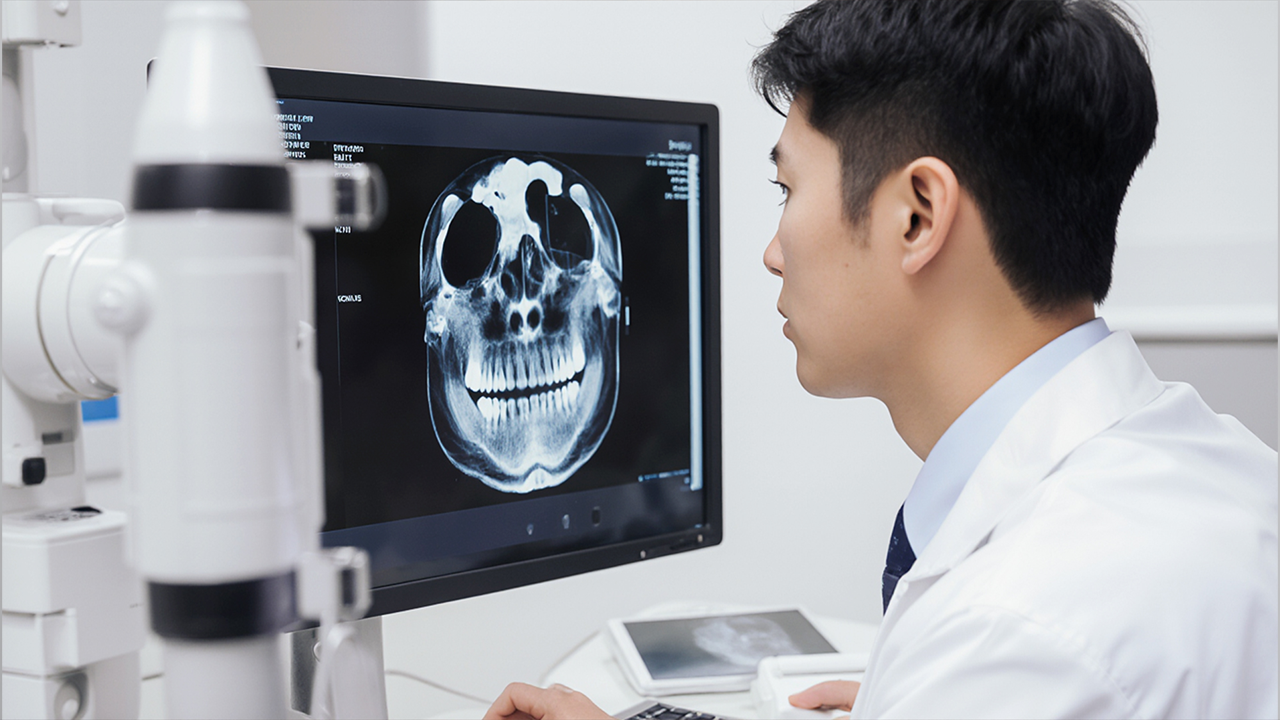

If your dental implant feels uncomfortable or “off,” it should not be ignored. This article organizes warning signs into a self-check checklist and explains realistic next steps—stages of progression, treatment options, and how to manage prognosis over time.
“It feels slightly uncomfortable when I chew.”
“I notice a little bleeding around the implant when I brush.”
“Sometimes the area feels sore and mildly swollen.”
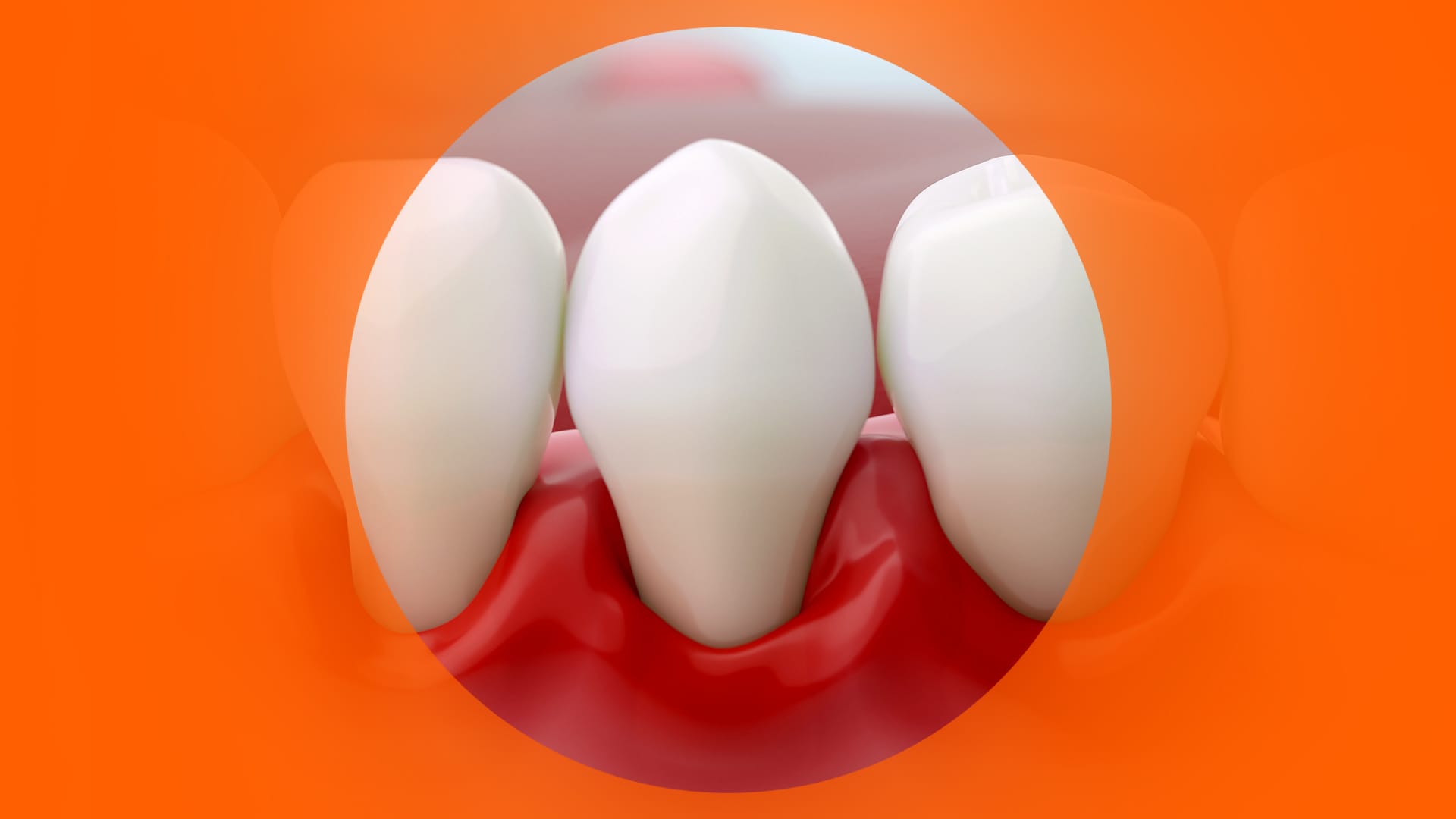
Have you noticed any of these symptoms after getting an implant?
Many people brush them off—“It’s probably just minor inflammation,” or “I’m just tired.” But even small discomfort can be an early sign of peri-implantitis, and it’s important to recognize that possibility.
Don’t worry—this article is not meant to alarm you. It is designed to help implant patients and caregivers check whether the implant area may be okay or not, using clear and accurate guidance at a practical, real-world level.
1.Why is peri-implantitis more dangerous?
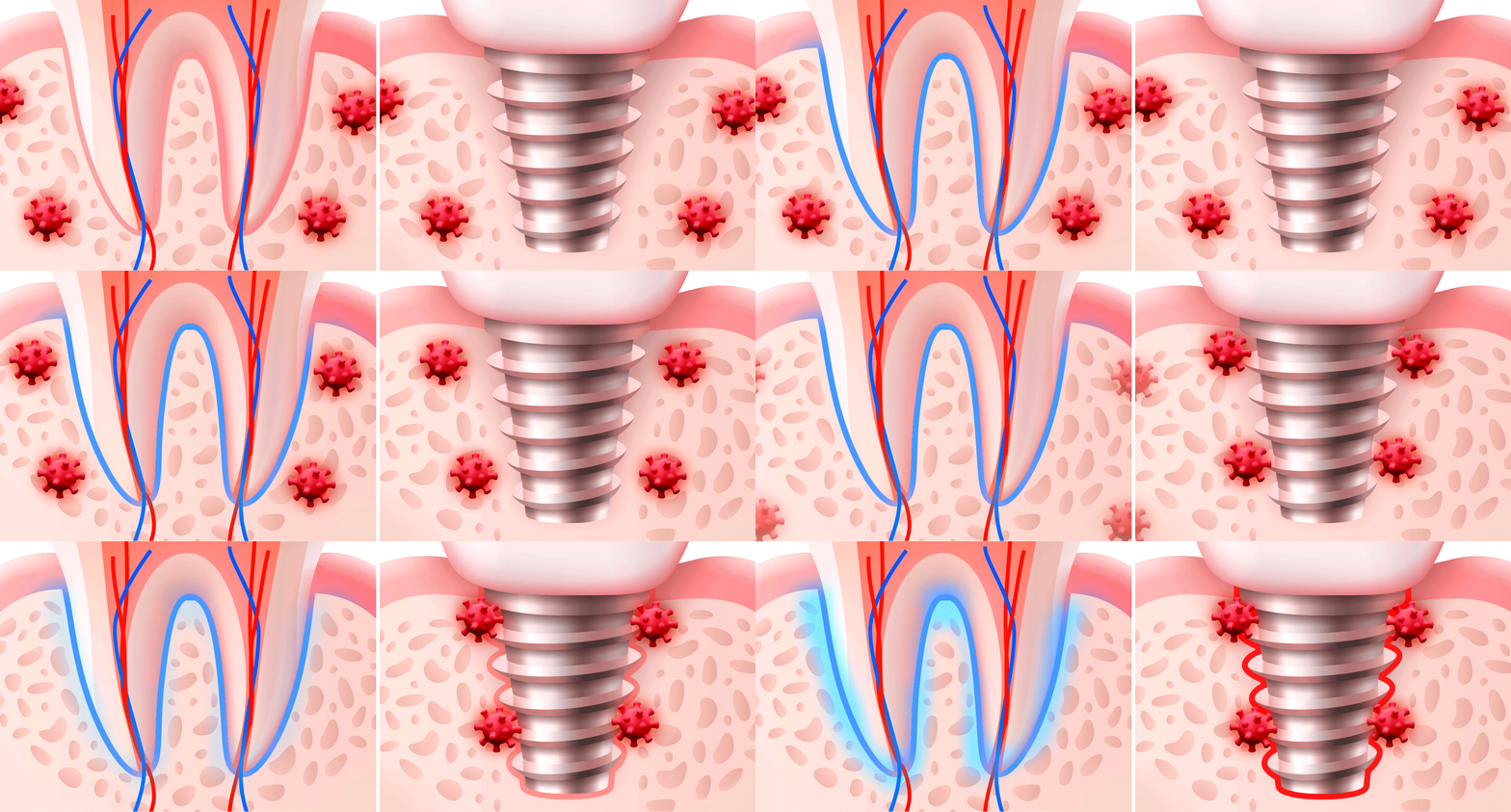
Many people mistake discomfort around an implant for “ordinary gum inflammation.”
However, peri-implantitis is different because it can extend beyond the gum tissue and damage the bone that supports the implant. So why can inflammation around implants become more threatening than typical gum inflammation?
The key is the structural difference between natural teeth and implants. Understanding this difference is the first step to understanding why peri-implantitis can be serious.
- Natural teeth
- Around the tooth root, there is a tissue called the periodontal ligament, which helps absorb shock.
- Natural teeth have rich nerve and blood supply, so inflammation often produces pain signals earlier.
- Immune cells can also reach the area more actively through blood vessels, helping slow the spread of infection.
- Dental implants
- Implants are anchored directly into the jawbone and do not have a periodontal ligament.
- They are not connected in the same way to nerves and blood vessels as natural teeth.
- As a result, inflammation may cause less noticeable pain early on, which can delay recognition. Immune response may also be less active than around natural teeth.
2.If you suspect a problem, what should you check?
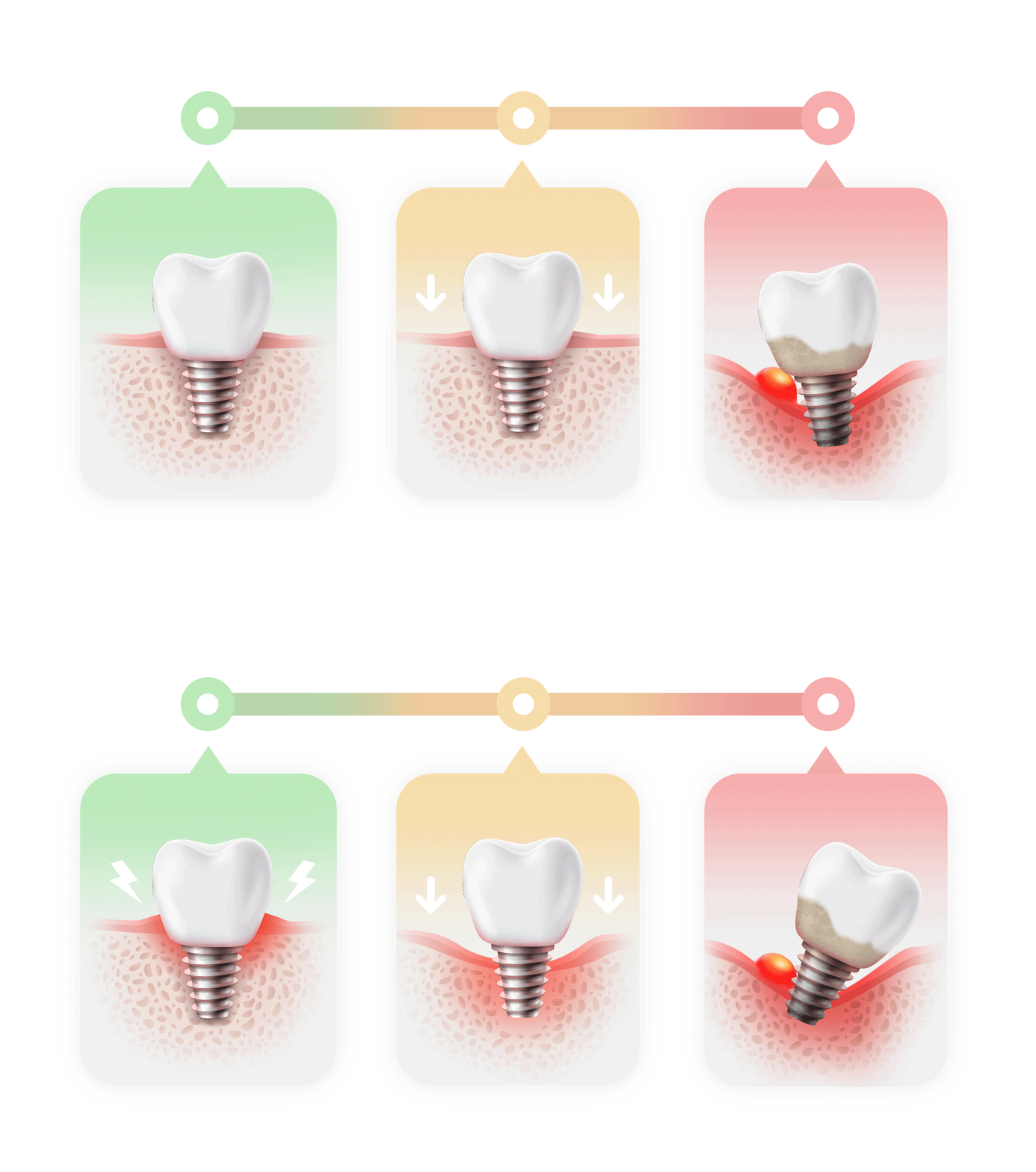
Peri-implantitis can be treated more easily when detected early. The key is to assess your symptoms before they worsen.
Use this checklist to evaluate your current implant condition—from early inflammation signals to possible signs of bone loss.
- Bleeding around the implant area often when brushing.
- Gums look red and feel less firm.
- Soreness when chewing, or pain when pressing the area.
- Food gets trapped frequently and there is bad breath.
- Pus from the gum, or the gum tissue looks darker.
- The implant feels slightly loose.
Did you check your symptoms against the list?
Peri-implantitis tends to send warning signs across stages. Review which level best matches your current situation:
- 1–2 items: Possible early-stage concern
- It may still be mild, but do not ignore it. A routine checkup can confirm the actual status.
- 3 or more items: Possible mid-stage progression
- To prevent worsening, schedule a dental visit soon for a detailed evaluation.
- 4 or more items AND item #6 applies: High-risk late-stage concern
- Implant loss risk may be high. Prompt diagnosis and treatment may be needed.
3.What happens if you leave it untreated?
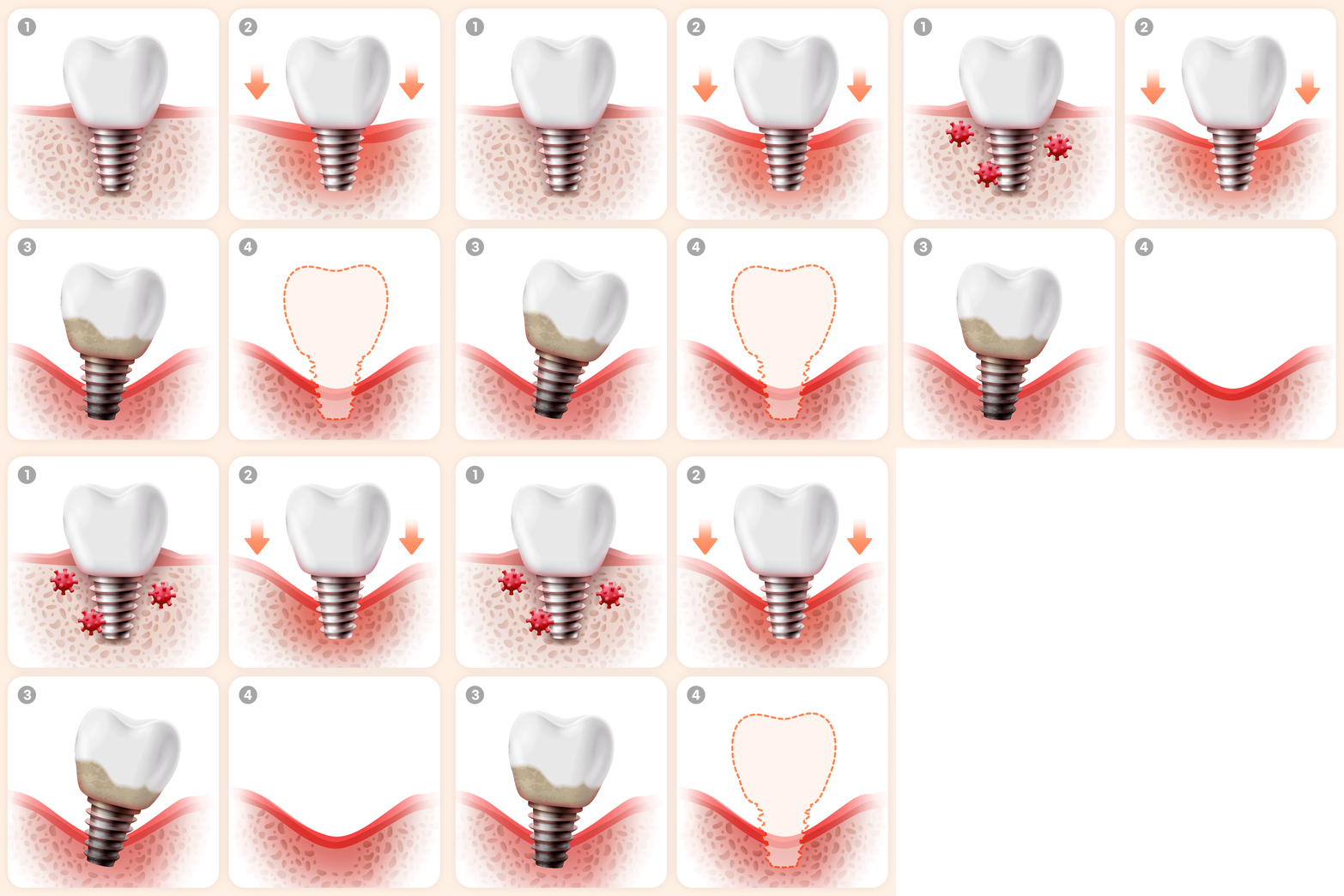
Many people think, “It’s uncomfortable, but it’s probably fine.”
But peri-implantitis can progress faster than expected and may ultimately lead to losing the implant—one of the most serious outcomes.
- Early gum inflammation
- Bacteria accumulate around the implant, and inflammation begins. The gum may swell and bleed, but pain is often minimal. (Peri-implant mucositis stage)
- Bone involvement
- The inflammation deepens and begins to affect the supporting bone (alveolar bone). Because the implant is anchored in bone, bone loss reduces stability.
- Implant mobility
- As bone loss increases, the implant may start to move slightly. Pain may appear at this stage.
- Implant loss (failure)
- Eventually, there may be too little bone left to support the implant, and it can become significantly loose or fall out. This is the most critical form of implant failure.
- Re-surgery and bone grafting
- If an implant has been removed or has fallen out, replacing it may require extensive bone grafting. This can involve higher burden and a longer recovery, and in severe cases, re-implantation may be difficult.
A domestic study (Yonsei University, 2024) reported that in patients who delayed care, bone loss progressed at more than twice the rate compared with periodontitis. If early control is missed, the situation may lead to complex steps such as re-implant surgery and bone grafting.
4.How is peri-implantitis treated?
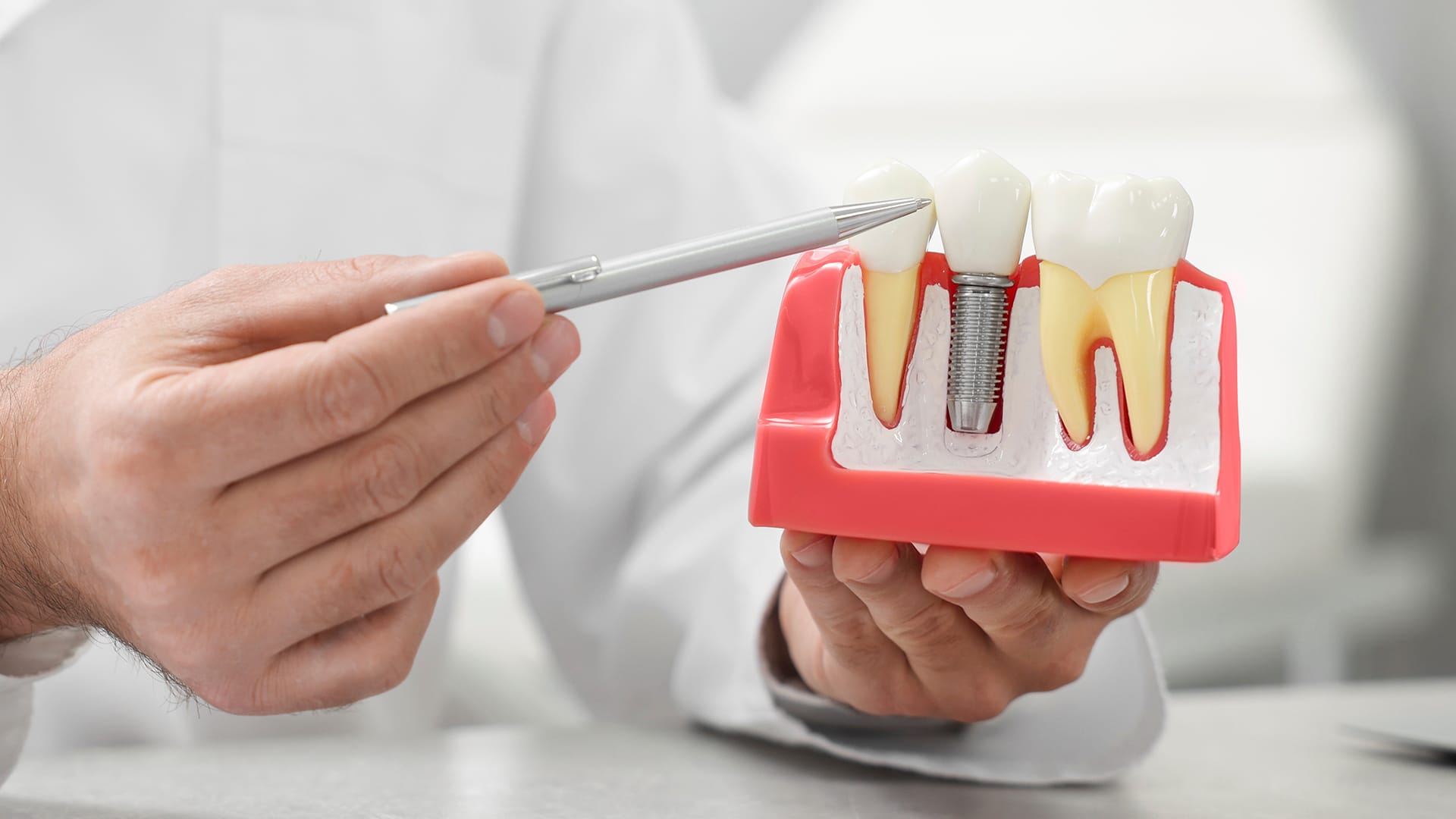
When detected early, peri-implantitis can sometimes be managed with relatively simple treatment.
Basic approaches—such as implant cleaning, removal of inflammatory deposits, and medication—may help control symptoms and prevent bone loss. However, once bone loss begins, non-surgical treatment can have clear limitations.
- Early-stage treatment
- Remove plaque and calculus around the implant through implant-specific scaling and cleaning, along with medication to reduce inflammation when indicated.
- Implant-specific instruments are designed to reduce the risk of damaging the implant surface.
- Mid-stage treatment
- If inflammation extends deeper under the gum, surgical access to remove inflamed tissue may be considered.
- Some clinics may combine this with implant laser treatment to help reduce bacterial load and support gum healing.
- Late-stage treatment
- If bone loss is severe and the implant is mobile, removal and re-treatment, including bone grafting, may be required.
- This can involve removing the implant, grafting deficient bone, allowing healing, and then placing a new implant—often a more complex treatment course.
5.Frequently Asked Questions (FAQ)
Q. Does peri-implantitis always cause pain?
Not necessarily. Because implants do not have nerves like natural teeth, early stages may involve little to no pain. If you feel pain, inflammation may already be more advanced—so it’s worth taking seriously.
Q. Is implant scaling different from regular scaling?
Yes. Implant surfaces differ from natural teeth and require implant-specific instruments and technique. If scaling is done incorrectly, the surface can be damaged and may make bacterial buildup more likely.
Q. Can good brushing alone prevent it?
Brushing matters, but it may not be enough on its own. Surgical conditions, prosthetic design, and systemic health factors can all contribute, so regular checkups and professional maintenance are important. Discuss a suitable maintenance interval with your clinician and follow it consistently.
Q. If I have peri-implantitis, do I always need to remove the implant?
No. In early stages, conservative treatment may be sufficient, and even mid-stage cases can sometimes be managed. However, late-stage disease may require removal and re-treatment—another reason early evaluation matters.
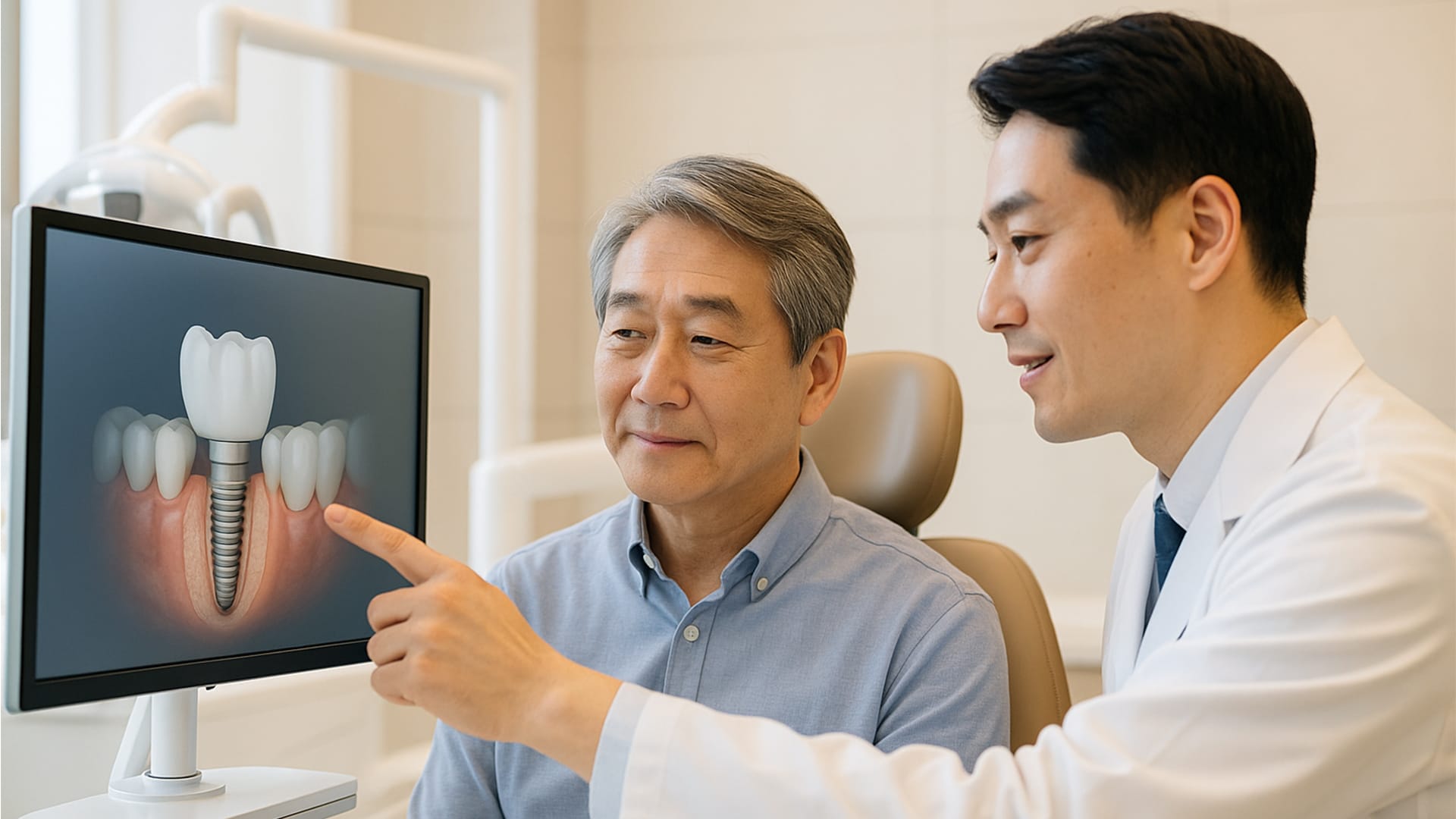
With peri-implantitis, the biggest risk is assuming, “It doesn’t hurt, so it must be fine.” The best way to protect your implant long-term is to take even small warning signs seriously and get an early evaluation. It’s also important to remember that an implant is not “done” after the procedure—it’s an artificial tooth that requires lifelong care. Regular checkups, good oral hygiene, and healthy daily habits all need to work together to maintain implant longevity. Small differences in routine can make a meaningful difference over the next 10 years and beyond.
Sources
- Korean Academy of Periodontology. (2023). Guidelines for Peri-Implantitis in Koreans.
- Korean Academy of Prosthodontics. (2022). Recommendations for Implant Maintenance.
- Schwarz, F., et al. (2017). Peri-implantitis progression. European Journal of Oral Sciences.
※ The copyright for all content on this blog belongs to Medihi. Unauthorized copying, distribution, or derivative use is strictly prohibited, and violations may result in legal action without prior notice.
Recommended reads
 medihi