

When diagnosed with a thyroid condition, the first thing many people search for is 'diet.' However, the core of diet management is not about 'what to absolutely avoid,' but rather 'how to adjust' based on your current treatment phase and medication absorption environment.
"I heard I shouldn't eat nori (dried seaweed) or kelp. Can I never eat them again for the rest of my life?"
This is the most frequent—and most anxious—question patients ask when they visit the clinic. You are likely confused by the mix of information online, with some sources saying "never eat it" and others saying "it's fine." Because you desperately want to do something to improve your health, it is completely natural to become highly sensitive about every single side dish on your table. Through this article today, I will ease your anxiety and provide clear medical guidelines tailored to your body.
1. Why You Should Be Wary of 'Ingredient Overload' Rather Than Seeking 'Healthy Foods'
The thyroid is like a 'boiler' that controls the metabolism of our body, and the food we eat (especially iodine) is like the 'fuel' that runs that boiler. If there is no fuel, the boiler turns off, but blindly pouring in a lot of fuel does not mean the boiler runs better. Rather, it can be overloaded and become the cause of a breakdown.
Many people try to find and eat "food good for the thyroid," but the Korean dining table is already filled with enough 'fuel (iodine)'. In the case of patients with Hashimoto's thyroiditis or some types of hypothyroidism, there are reports that if iodine is introduced excessively, it can burden the thyroid or cause difficulties in controlling levels.
Therefore, the first step in diet management is not filling what is lacking, but not excessively adding what is already enough. Since it is not a disease that is cured by taking special foods, maintaining a balanced diet but avoiding only concentrated forms of specific ingredients (juices, pills, extracts) is a safe strategy.
2. Gim and miyeok soup, why it requires 'regulation' rather than 'prohibition' for Koreans
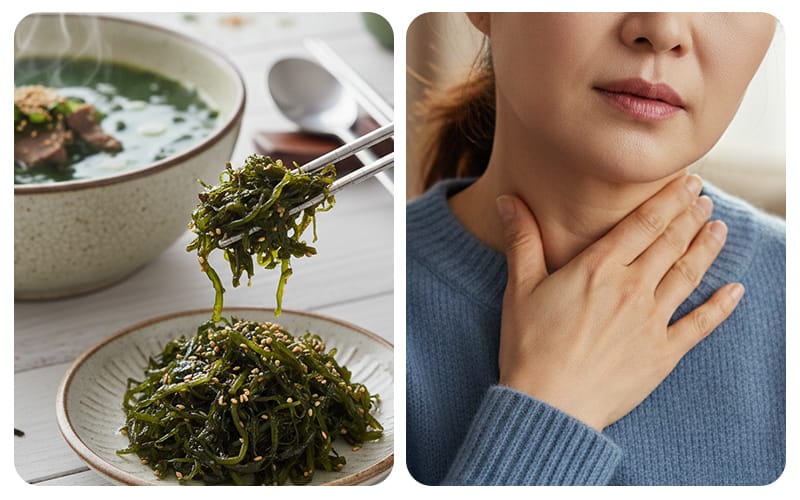
"Then should I not even touch gim or miyeok soup at all?" The medical opinion on this question is that it differs depending on the treatment stage and intake amount. In most daily meals, there is no need to be excessively afraid, but caution is needed at specific times.
Korea is among the countries with a high iodine intake globally. If you have findings of hypothyroidism (Hashimoto's), it is safer to avoid eating a large bowl of miyeok soup every day or taking concentrated products like kelp pills. This is because excess iodine can temporarily suppress thyroid function.
The point that requires special attention is the period ahead of radioactive iodine (RAI) therapy. At this time, strict restriction is required according to the hospital's guidelines. So that patients are not confused, we organize the criteria by situation.
| Situation | Intake Guidelines | Notes |
| Daily management | Allowed at a side dish level | A few sheets of gim, solid ingredients of miyeok soup, etc. are OK |
| Postpartum care / Rejuvenation | Beware of excessive intake | Miyeok soup for all three meals, kelp-infused water X |
| RAI therapy preparation | Strict restriction | Must strictly follow hospital guidelines for 1~2 weeks before treatment |
| Concentrated products | Refrain from intake | Kelp pills, high-iodine nutritional supplements X |
Patients with hyperthyroidism (Graves' disease) should also be careful of excessive intake because iodine becomes the material to make hormones (fire). However, if the levels stabilize through treatment, it can be consumed appropriately in consultation with the medical staff. In other words, rather than turning the food itself into an enemy, the wisdom to adjust according to my treatment stage is needed.
3. If your levels go up and down even while taking medication, the 'culprit' is elsewhere
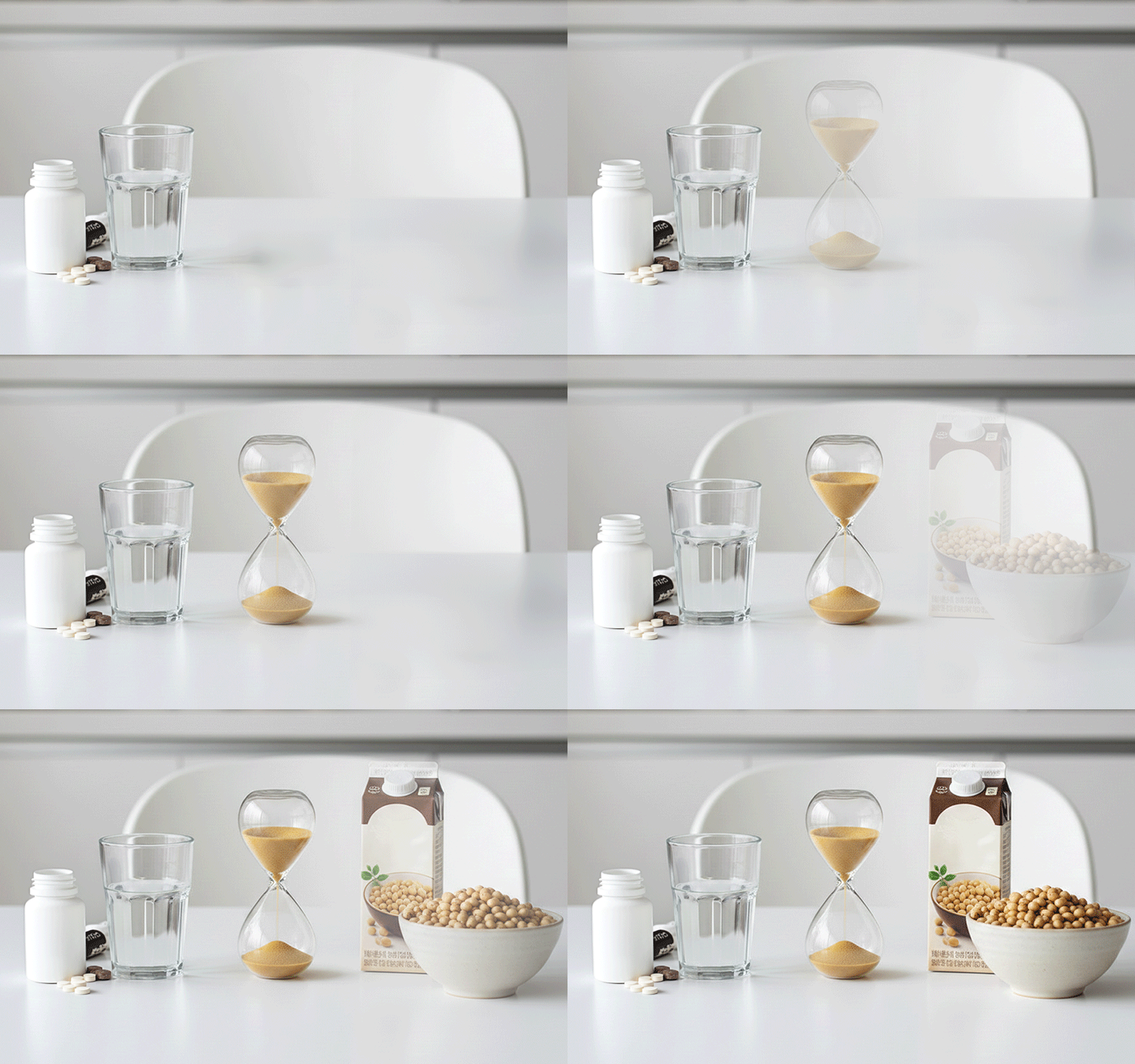
If your levels do not stabilize even though you are steadily taking thyroid hormone medication (such as Synthroid), you should first check your 'medication taking time' rather than the side dishes you ate yesterday. Thyroid medication is very sensitive, so if there is other food or interfering factors in the stomach, it is easily discharged without being absorbed.
The most common interrupters are coffee and specific nutritional supplements. So that patients are not confused, we organize the main interfering factors and recommended intake tips.
| Interfering Factors | Recommended Intake Tips (After taking medication) | Reason |
| Coffee / Tea | Recommended to consume after about 1 hour | Caffeine interferes with drug absorption |
| Soy milk / Milk | Recommended to consume after about 1 hour | Soy protein and calcium inhibit absorption |
| Iron pills / Calcium pills | Recommended to consume after about 4 hours | Ingredients bind to the drug and are discharged |
| Gastrointestinal medicine (Antacids) | Adjust interval after consulting medical staff | Decrease in absorption rate due to changes in stomach acidity |
Looking at the lifestyle patterns of those who ask, "Why are the levels not controlled when I take my medication regularly?", there are many cases where they drink a latte with their medicine or take a multivitamin (including iron and calcium) at once.
Rather than what you eat, 'how cleanly you maintain a fasting state' is the important key that helps the treatment effect.
4. "If I'm tired, is it the thyroid's fault?" Things to check before taking supplements

A patient's face looking tired, holding supplements in their palm
"I can't stand it because I'm tired, will it get better if I take selenium or zinc?" This is a question I hear often in the consulting room. Of course, there are studies showing that selenium can partially help control antibody levels or alleviate Graves' ophthalmopathy. However, it does not become an unconditional 'fatigue recovery agent' for all patients.
If extreme fatigue persists even when thyroid levels (TSH, FT4) are being controlled within the normal range, it is better to look for other causes rather than unconditionally blaming the thyroid.
Fatigue is a representative symptom of thyroid disease, but there are far more times when the cause is a lack of sleep, anemia, diabetes, or psychological anxiety. At this time, if you add unnecessary high-dose supplements, it can actually burden the liver or cause side effects.
[Checklist for Distinguishing Causes of Fatigue]
- [ ] Are my current thyroid hormone levels in the normal range?
- [ ] Is a lack of sleep or excessive stress continuing?
- [ ] Are there other diseases causing fatigue, such as anemia or diabetes?
- [ ] Are the nutritional supplements I am taking clashing with my thyroid medication?
5.'Low-iodine diet', is it a diet that must be done for a lifetime?
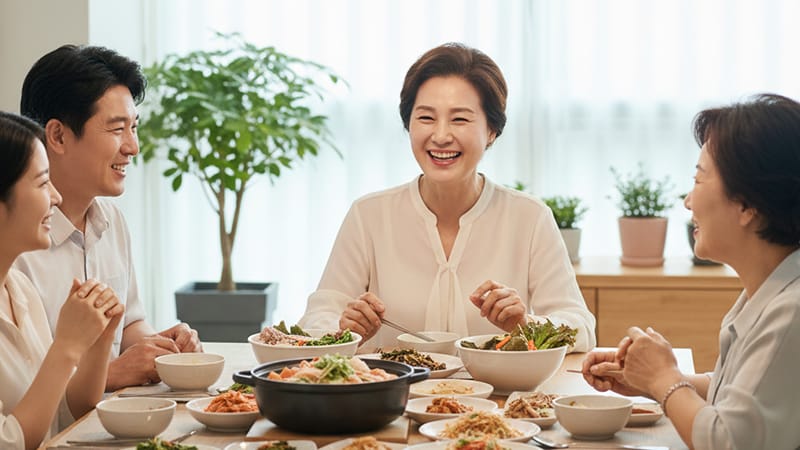
One of the things patients misunderstand the most is the 'low-iodine diet'. Looking at the strict diet plans floating around the internet, there are people who think they must wash even kimchi in water to eat and restrict salt for the rest of their lives. However, this is often different from the facts.
A strict low-iodine diet is a diet temporarily performed only during the preparation period before treatment by patients awaiting 'radioactive iodine (RAI) therapy' after thyroid cancer surgery. It is merely a process of temporarily emptying the iodine in the body so that the body can absorb the therapeutic radioactive iodine well 'like a sponge'.
If general Hashimoto's thyroiditis or hyperthyroidism patients, who are not for treatment purposes, sustain a strict low-iodine diet for a long period, nutritional imbalance may occur and the quality of life may decrease instead. A low-iodine diet is a short warm-up exercise for treatment, not a burden to carry for a lifetime.
6.Frequently Asked Questions(FAQ)
Q. If I eat miyeok soup, does my thyroid get worse?
About a bowl of miyeok soup eaten as a general meal is not a big problem. However, 'excessive intake' such as eating miyeok soup for all three meals every day like during postpartum care, or drinking kelp-infused water like water requires caution. Especially if you are ahead of radioactive iodine therapy, it must be strictly restricted according to hospital guidelines.
Q. Are kelp pills or iodine nutritional supplements helpful?
. Koreans already consume enough iodine through meals. In Korea, which is not an iodine-deficient region, taking separate high-dose iodine nutritional supplements or kelp pills can actually burden thyroid function. We recommend not taking them arbitrarily without a prescription from medical staff.
Q.When can I drink coffee after taking thyroid medication?
Thyroid hormone medication is best absorbed on an empty stomach. Since coffee can interfere with drug absorption, it is better to drink it with an interval of at least 30 minutes to 1 hour rather than immediately after taking the medicine. If you take the medicine before breakfast, making it a habit to drink coffee after going to work or during the morning routine will be helpful.
Q. Can I take calcium pills or iron pills together with thyroid medication?
If taken together, calcium and iron ingredients can bind to the thyroid drug and interfere with absorption in the body. Therefore, it is a rule to separate the time from the thyroid medication when taking them. Usually, it is good to take nutritional supplements after lunch or dinner, about 4 hours after taking the medicine. For detailed taking times, please follow the guidelines of the prescribed medical staff.

You don't need to think too difficultly about diet management for thyroid health. First, 'not eating excessively' is more important than 'what you eat'. Due to the characteristics of the Korean diet, iodine excess is more common than deficiency, so you only need to be careful of taking concentrated forms of supplements. Second, keeping the 'drug absorption environment' is the most efficient management method. Just keeping the rule of taking it on an empty stomach and putting an appropriate interval with coffee or nutritional supplements is a great help for level stabilization. Third, you can lay down your guilt about your diet. Thyroid disease is not a disease that occurred because you ate gim or miyeok. Rather than getting stressed by strict restrictions, finding a sustainable balance while consulting with medical staff is the way to protect your health.
Sources
- Korean Thyroid Association, Guidelines for Subclinical Hypothyroidism, 2023.
- Korea Disease Control and Prevention Agency National Health Information Portal, Information on Chronic Fatigue and Thyroid Disease.
- Perros et al., European Thyroid Journal, 2023.
※ The copyright for all content on this blog belongs to medihi. Unauthorized copying, distribution, or derivative use is strictly prohibited, and violations may result in legal action without prior notice.
Recommended reads
 medihi