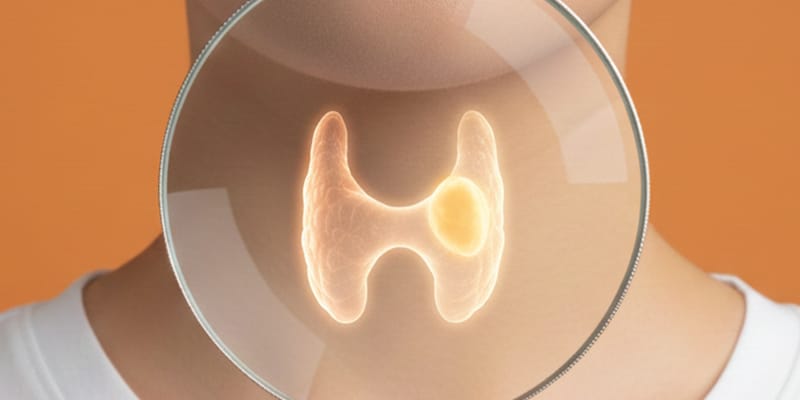

The decision to undergo a thyroid biopsy (Fine Needle Aspiration) is not based on a single metric. It is a clinical judgment process that balances the nodule's shape, risk level (K-TIRADS), size, and specific location. medihi provides this guide to help you understand the standardized criteria used to determine the next steps beyond just the diameter of the nodule.
"I found a nodule during my checkup; I'm scared it might be cancer."
"Is a needle biopsy absolutely necessary?"
It is natural to feel anxious when a sudden test is recommended, especially regarding potential discomfort. However, understanding these specific criteria allows you to replace vague anxiety with informed decision-making alongside your healthcare provider.
1.Why 'Size' Alone Cannot Determine Risk
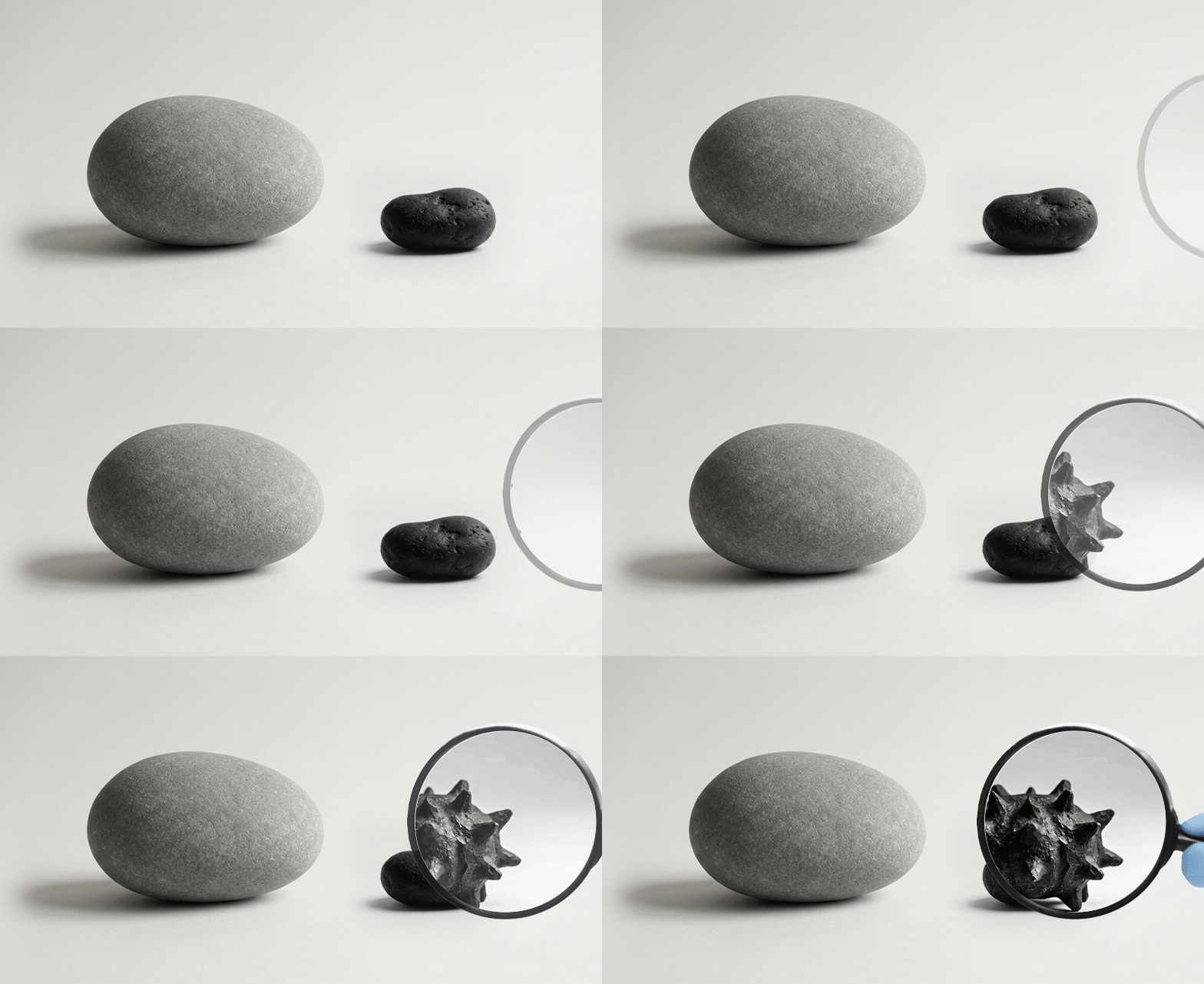
Many people think, "Over 1cm is dangerous, under 1cm is safe," but the diagnostic process is more like a security checkpoint at an airport.
When passing through security (ultrasound), a large bag doesn't necessarily mean it contains something dangerous. If even a small pouch contains a high-risk item like a knife (suspicious malignancy features), it must be opened for inspection (biopsy). Conversely, a large suitcase filled only with clothes (benign features) can pass through without being opened.
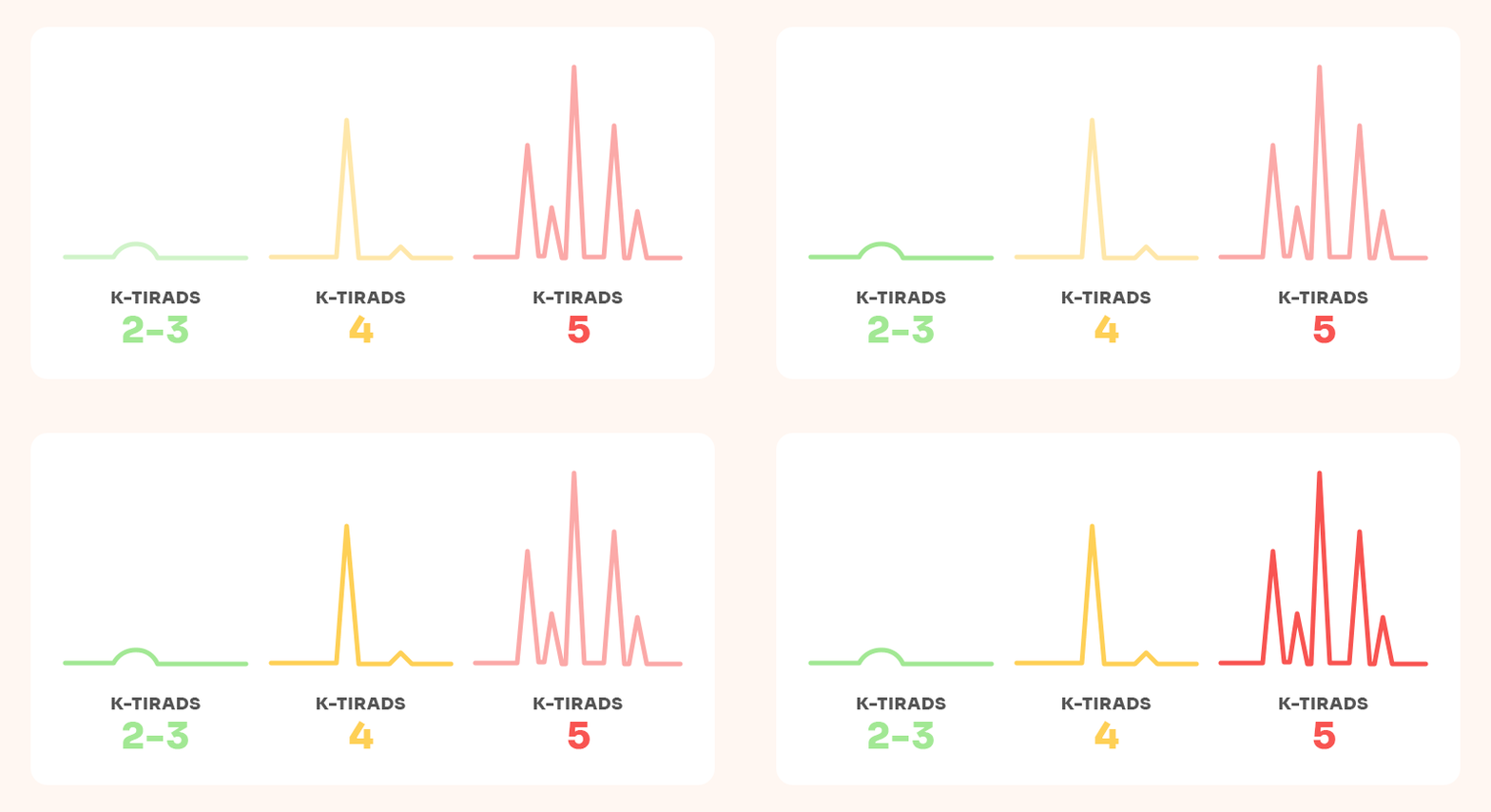
The same applies to thyroid nodules. We categorize risk levels by analyzing shape, boundaries, color, and calcification via ultrasound.
- K-TIRADS 5 (High Risk): Biopsy (FNA) is actively considered even if the size is only around 1cm.
- K-TIRADS 3 (Low Risk): Routine follow-up is generally preferred until it grows to 1.5cm–2cm.
The core of the decision is 'how suspicious it looks' rather than 'how big it is.'
| Risk Grade (K-TIRADS) | Suspicion of Malignancy | Biopsy Consideration Size (General) |
| 5 (High Risk) | Very High | Approx. 1cm+ (Selective 0.5cm+) |
| 4 (Intermediate Risk) | Intermediate | Approx. 1cm ~ 1.5cm+ |
| 3 (Low Risk) | Low | Approx. 2cm+ |
| 2 (Benign) | Very Low | Biopsy generally unnecessary |
| Note: Criteria may vary based on age, family history, and clinical protocols. |
2.Exceptions: When to Check Even if Under 1cm
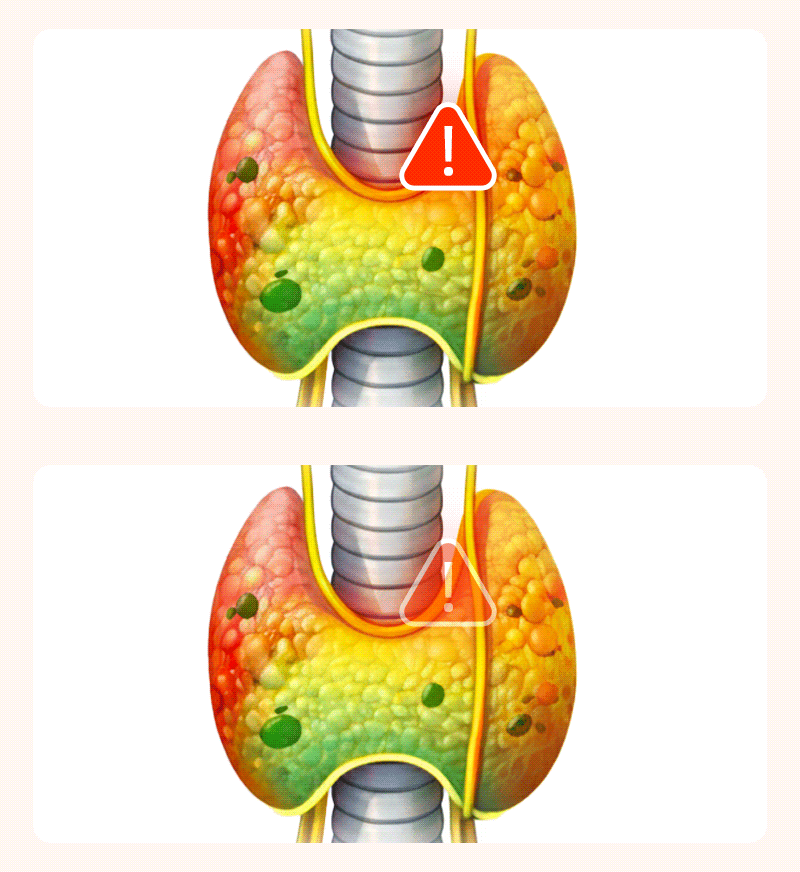
While nodules under 1cm are often monitored to avoid over-diagnosis, there are critical exceptions. Just as a small item in a vital area of an aircraft must be checked immediately at security, medical teams evaluate the 'environment' of the nodule.
If a nodule is adjacent to the trachea, esophagus, or recurrent laryngeal nerve, proactive evaluation (FNA) is considered. This is a safety measure to prevent the nodule from invading surrounding structures as it grows. Furthermore, if surrounding lymph nodes appear abnormal, evaluation is necessary regardless of the nodule's size.
Checklist for Biopsy Recommendations Under 1cm
- [ ] Is the nodule attached to the trachea, esophagus, or nerves?
- [ ] Do you feel lumps or swollen lymph nodes in your neck?
- [ ] Is there a family history of thyroid cancer (especially medullary)?
- [ ] Have you had prior radiation therapy to the neck area?
3.Does the Biopsy Needle Spread Cancer?
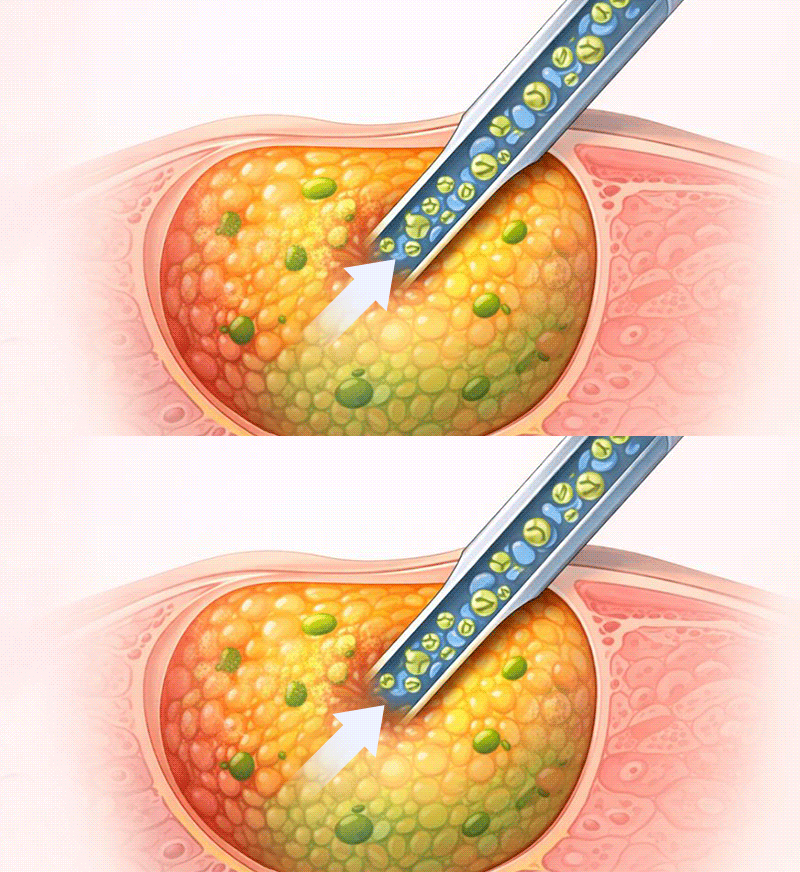
A common myth is that "the needle might touch the nodule and spread cancer cells." According to medical statistics and research, this is an excessive concern.
FNA uses an extremely thin needle to aspirate cells. While a phenomenon called 'needle-track seeding' is documented in medical literature, it is considered an exceptionally rare event. Clinicians recommend the test because the information gained for a treatment plan far outweighs this minimal risk.
Minor bruising or temporary discomfort may occur after the procedure, but these generally subside quickly. If you are taking anticoagulants, informing your doctor beforehand ensures a safe procedure with proper hemostasis.
4.Understanding the Results: The Bethesda System
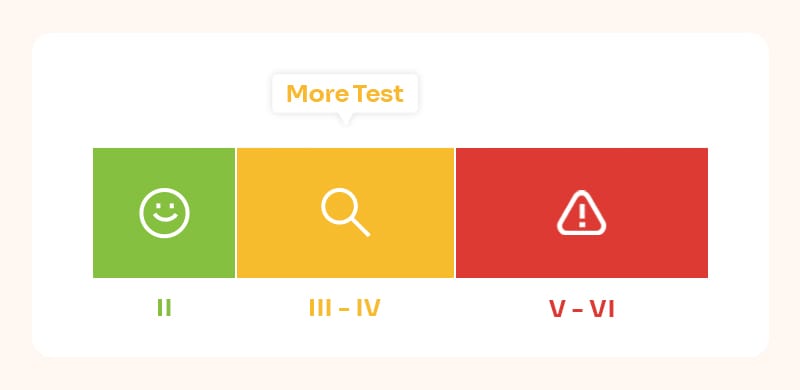
A biopsy result isn't just "Cancer" or "Normal." It uses the Bethesda System, a 6-stage classification that includes a 'gray zone.'
- Category I (Non-diagnostic): Insufficient cells; re-test needed.
- Category II (Benign): Not cancer (regular monitoring).
- Categories III~IV (Indeterminate): Ambiguous; requires further investigation.
- Categories V~VI (Suspicious/Malignant): High probability of cancer; surgery or active treatment considered.
If you receive a Category III or IV result, it is not a "failed" test. It simply means the cell shape is ambiguous, and additional clues—such as a Core Needle Biopsy (CNB) or genetic testing—are needed to clarify the diagnosis.
5.When is Follow-up Enough?
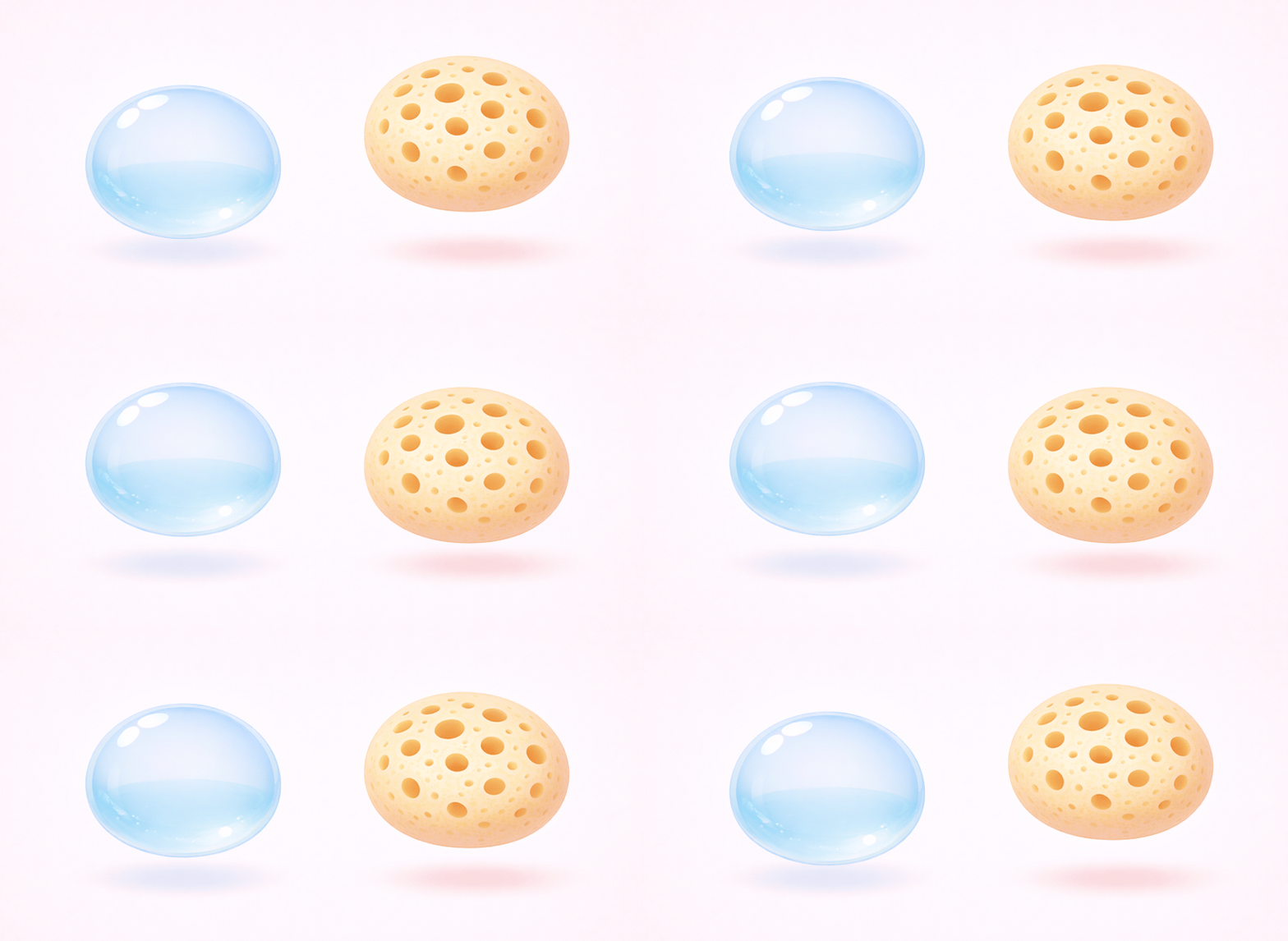
Not all nodules require immediate intervention. If a nodule is purely cystic (fluid-filled) or has a spongiform (sponge-like) appearance (K-TIRADS 2), the risk of malignancy is extremely low.
In such cases, urgent testing is unnecessary unless the nodule grows large enough to cause visible protrusion or difficulty swallowing. 'Monitoring' is an active medical management strategy to ensure safety through periodic checks rather than neglecting the condition.
6.Frequently Asked Questions (FAQ)
Q. My nodule is 0.8cm; why was a biopsy recommended?
Even under 1cm, a biopsy is recommended if the shape is high-risk (K-TIRADS 5), if it is near vital structures (trachea/nerves), or if lymph node metastasis is suspected.
Q.Where can I find my K-TIRADS grade?
It is usually noted as 'K-TIRADS 3' or 'K-TIRADS 5' in your ultrasound report or radiology reading. If it's hard to interpret, ask your doctor directly, "What is the risk grade of my nodule?"
Q. Post-procedure symptoms to watch for?
While minor pain is common, contact your clinic or emergency room immediately if you experience severe neck swelling (hematoma), difficulty breathing, or sudden voice loss.
Q. What symptoms should I report to the clinic after the test?
While minor pain or bruising is common after the procedure, you should contact the clinic where the procedure was performed or an emergency room immediately if you experience severe neck swelling (hematoma), difficulty breathing, or sudden voice loss to receive prompt medical attention.

Deciding the next steps for a thyroid nodule follows three principles: First, shape (risk) takes precedence over size. Second, location matters, especially near the trachea or nerves. Third, biopsy is a diagnostic process, not always a final verdict. Most nodules are benign. By consulting with your medical team based on these criteria, you can make the most rational decision for your health. medihi is here to support your journey toward a healthy recovery.
Sources
- Korean Thyroid Association (KTA), Revised Recommendations for Management of Thyroid Nodules and Cancer, 2023.
- Ha, E. J., et al., "2023 Korean Thyroid Association Management Guidelines for Patients with Thyroid Nodules", International Journal of Thyroidology, 2023.
- European Thyroid Association (ETA), Clinical Practice Guidelines for thyroid nodule management, 2023.
※ The copyright for all content on this blog belongs to medihi. Unauthorized copying, distribution, or derivative use is strictly prohibited, and violations may result in legal action without prior notice.
Recommended reads
 medihi