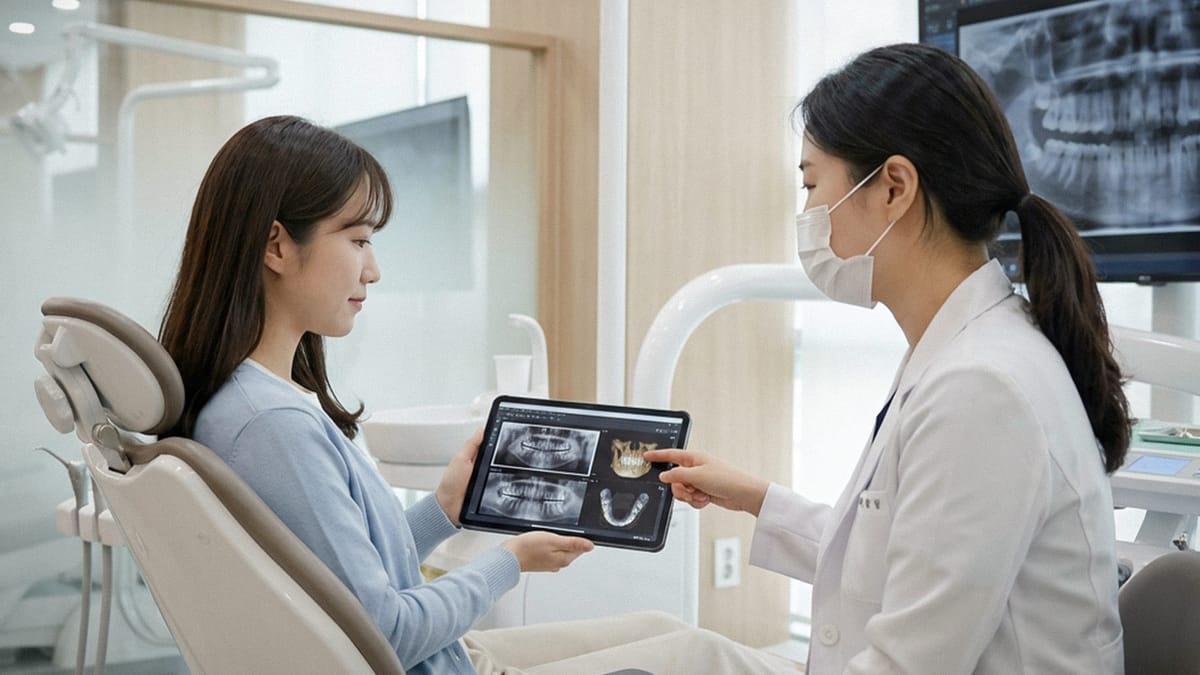

This guide compares brackets vs. clear aligners for international students and professionals staying long-term in Korea. We present realistic selection criteria considering not only aesthetics but also case complexity, compliance, and international residency variables (Visits/Stay/Aftercare).
"I want invisible braces, but will clear aligners move my teeth effectively?"
"I'm a professional with frequent business trips; won't managing the device be too troublesome?"
In the consultation room, I often see patients torn between "aesthetics" and "treatment effectiveness." International students and professionals in their 20s to 40s active in Korean society often feel burdened by visible appliances. However, it is vital to remember that orthodontic appliances are medical tools designed to physically move your teeth, not just personal preferences.
In this post, we will organize realistic selection criteria suited to your situation from the perspective of braces vs. aligners in Korea.
1. Complexity of Tooth Movement: 'Control' Over Aesthetics
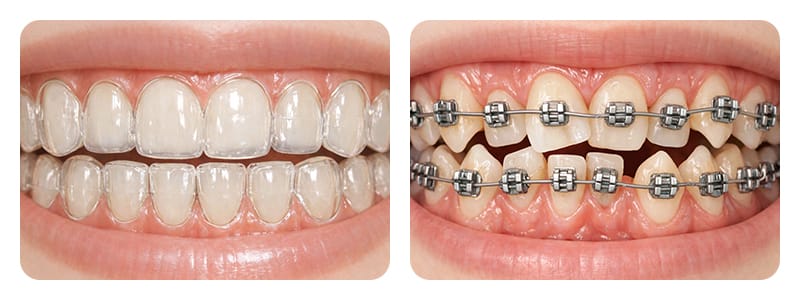
The first thing to confirm is "how and how much" your teeth need to move. Many think of orthodontics as simply straightening crooked teeth, but it actually requires three-dimensional movement, including adjusting root angles and aligning the bite.
- Clear Aligners: An Alternative for Mild to Moderate CasesClear aligners utilize the elasticity of specialized medical-grade plastic. With recent technological advancements, their scope has widened, making them a valid alternative for mild to moderate malocclusion. However, for complex cases requiring precise root rotation or significant vertical movement, the physical force transmission can be limited. If forced in high-difficulty cases, discrepancies between the planned path and actual movement may occur, leading to longer treatment times or additional refinement steps.
- Brackets (Fixed Appliances): Stable Guidance for Complex MovementBrackets are bonded to the tooth surface and connected by wires, giving them a strength in continuous control over tooth movement. Much like a 4WD vehicle performing better on rough off-road terrain, brackets tend to predict and control the movement path more stably in cases requiring large rotations or precise occlusal (bite) adjustments.
If your diagnosis shows high complexity, choosing brackets or a hybrid strategy (partial brackets + aligners) may be more advantageous for achieving high-quality results, even if it means compromising slightly on aesthetics.
2. Lifestyle Check: How Well Can You Manage It?
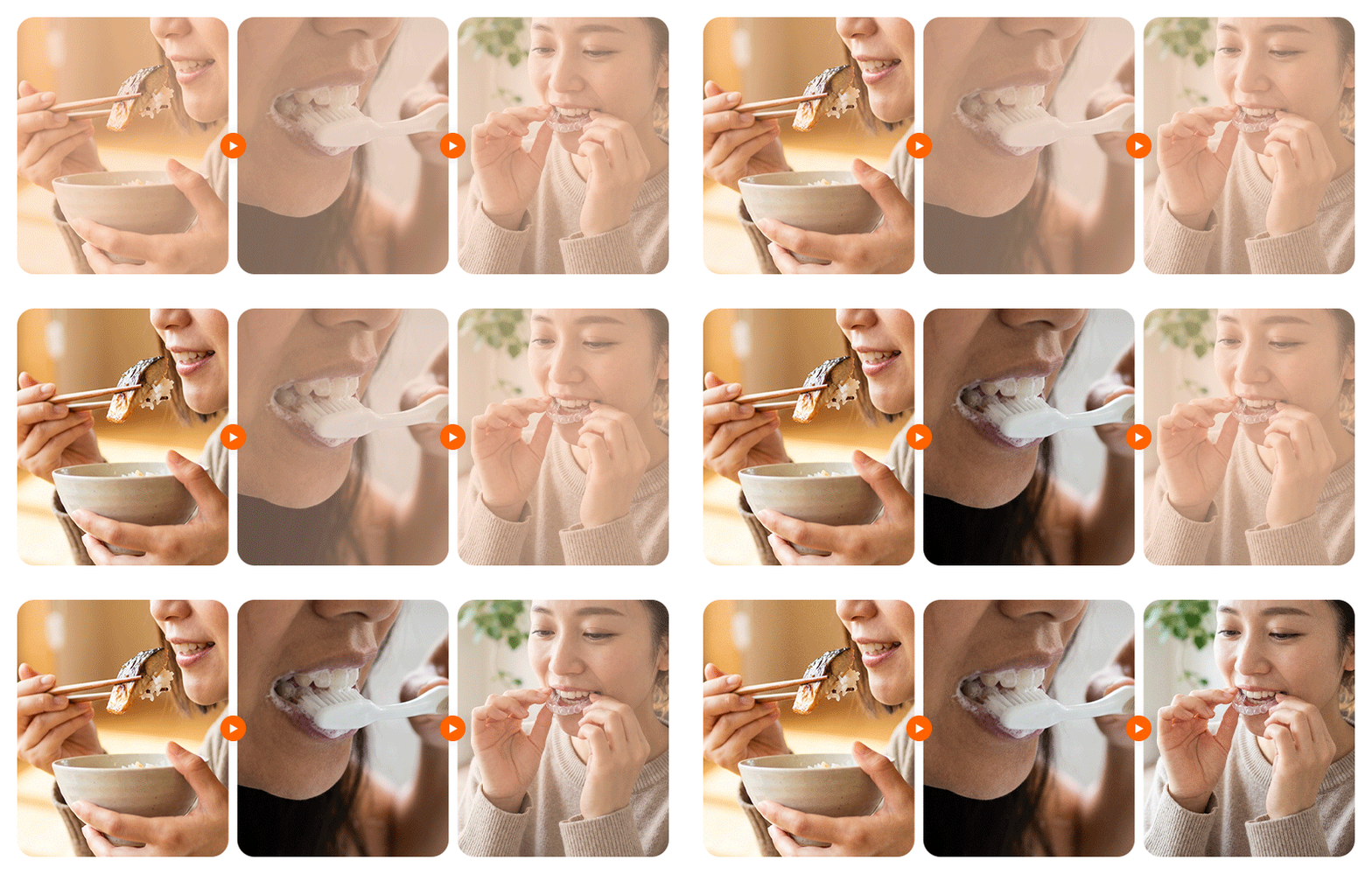
The difference between brackets and aligners can be compared to transportation: if brackets are a train running on a rail, aligners are like a car you drive yourself. A train stays on its path once you board, but the outcome of a car depends on the driver's habits and road conditions.
- Freedom Comes with ResponsibilityThe biggest advantage of aligners—removability—is also a treatment variable. Teeth only move as planned if you strictly follow the wear time recommended by your doctor (usually 20+ hours a day). Frequent dinners, meetings, or coffee breaks that keep the aligner out of your mouth for too long can delay movement or cause "tracking" issues where the next stage of aligners no longer fits.
- The Two Faces of HygieneBrackets naturally trap food, but as long as you have meticulous brushing habits, the appliance itself won't cause issues. Aligners make brushing easier, but putting them back in after eating without brushing can trap bacteria, increasing the risk of cavities. If you cannot maintain a regular "Eat-Brush-Wear" routine, passive brackets may actually be a safer choice.
3. Three-Axis Check for International Residents (Visits/Stay/Aftercare)
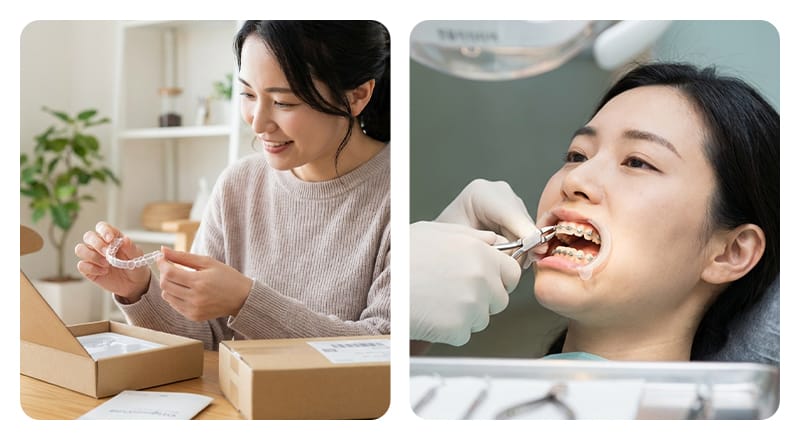
If you are an international student or expat planning a long-term stay in Korea with irregular schedules, you should choose your appliance based on "emergency handling capability."
- Visits (Scheduling and Minimizing Gaps)Brackets require regular visits for physical adjustments like wire changes. Conversely, with aligners, you can receive multiple stages in advance, allowing for more flexible visit intervals. However, this doesn't mean you can skip check-ups entirely. You must still coordinate remote check protocols or temporary return dates with your doctor to monitor tracking progress.
- Stay (Handling Emergencies Abroad)Imagine a device issue while abroad. Brackets might involve detached pieces or poking wires that require an immediate local dentist visit, leading to potential costs and communication hurdles. Aligners have fewer physical emergencies but a higher risk of "loss." If you choose aligners, you must be prepared to store previous stages or carry spares as a backup.
- Aftercare (Maintenance and Follow-up)After treatment, teeth have a strong tendency to return to their original positions. Students, in particular, must coordinate the timing of appliance removal and retainer production with their vacation or final departure schedules. Regardless of the appliance, the risk of relapse is high without a post-orthodontic maintenance plan established before you start.
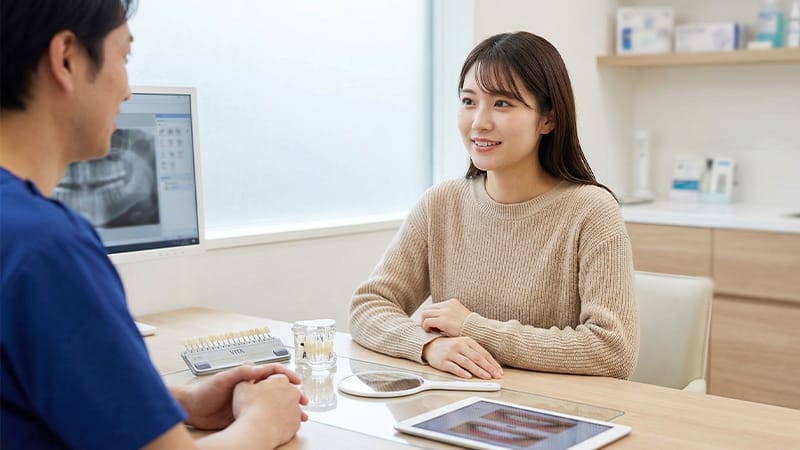
Choosing an orthodontic appliance is not about which is "better" in absolute terms, but which is "more suitable for your teeth and environment.
Prioritize Complexity: Get a diagnosis to see if you need simple alignment or complex root movement and precision finishing.
Reflect on Your Habits: Ask yourself if you are diligent enough to maintain hygiene routines while taking the device in and out daily.
Secure a Safety Net: Plan ahead to ensure regular check-ups and emergency responses are possible despite international stays or busy schedules.
The most important factor is not the device itself, but your consistent cooperation and the accurate diagnosis of your medical team. medihi supports you in choosing the optimal method for your situation to achieve a healthy and beautiful smile.
Sources
- Ministry of Health and Welfare, Materials related to Medical Advertising (Medical Service Act), n.d.
- Korean Association of Orthodontists, General Principles of Orthodontics as a Medical Act requiring Diagnosis and Planning, n.d.
- Clinical Oral Investigations, Clinical effectiveness of clear aligner treatment compared to fixed appliance treatment, 2021/2022
※ The copyright for all content on this blog belongs to medihi. Unauthorized copying, distribution, or derivative use is strictly prohibited, and violations may result in legal action without prior notice.
Recommended reads
 medihi