

This guide details the criteria for determining implant timing and explains the most rational treatment options for international patients with limited travel schedules, ensuring a balance between efficiency and long-term safety.
“My stay is short; can I finish the entire treatment during that time?”
This is likely the biggest concern for international patients deciding on treatment in Korea. A limited stay often leads to a sense of urgency. Many inquire with the expectation that "placement on the day of extraction allows for immediate chewing." However, from a medical perspective, the principles of 'safety' and 'comfort after returning home' are more important than speed.
In implant treatment, the timing of 'Placement' (inserting the screw) and 'Loading' (connecting the tooth to chew) are distinct decisions. Confusing these two can lead to overambitious planning and unexpected problems after returning home. Therefore, it is crucial to distinguish these stages.
Before reading further, please familiarize yourself with the following terms:
- Immediate: Generally refers to 'placement on the day of extraction.' Please remember this does not mean 'same-day completion' (end of treatment).
- Placement vs. Loading: 'Placing the screw into the bone' and 'connecting the prosthesis to apply force' are separate stages.
1. When should it be placed? Criteria for Immediate (Type 1) vs. Delayed (Type 4)
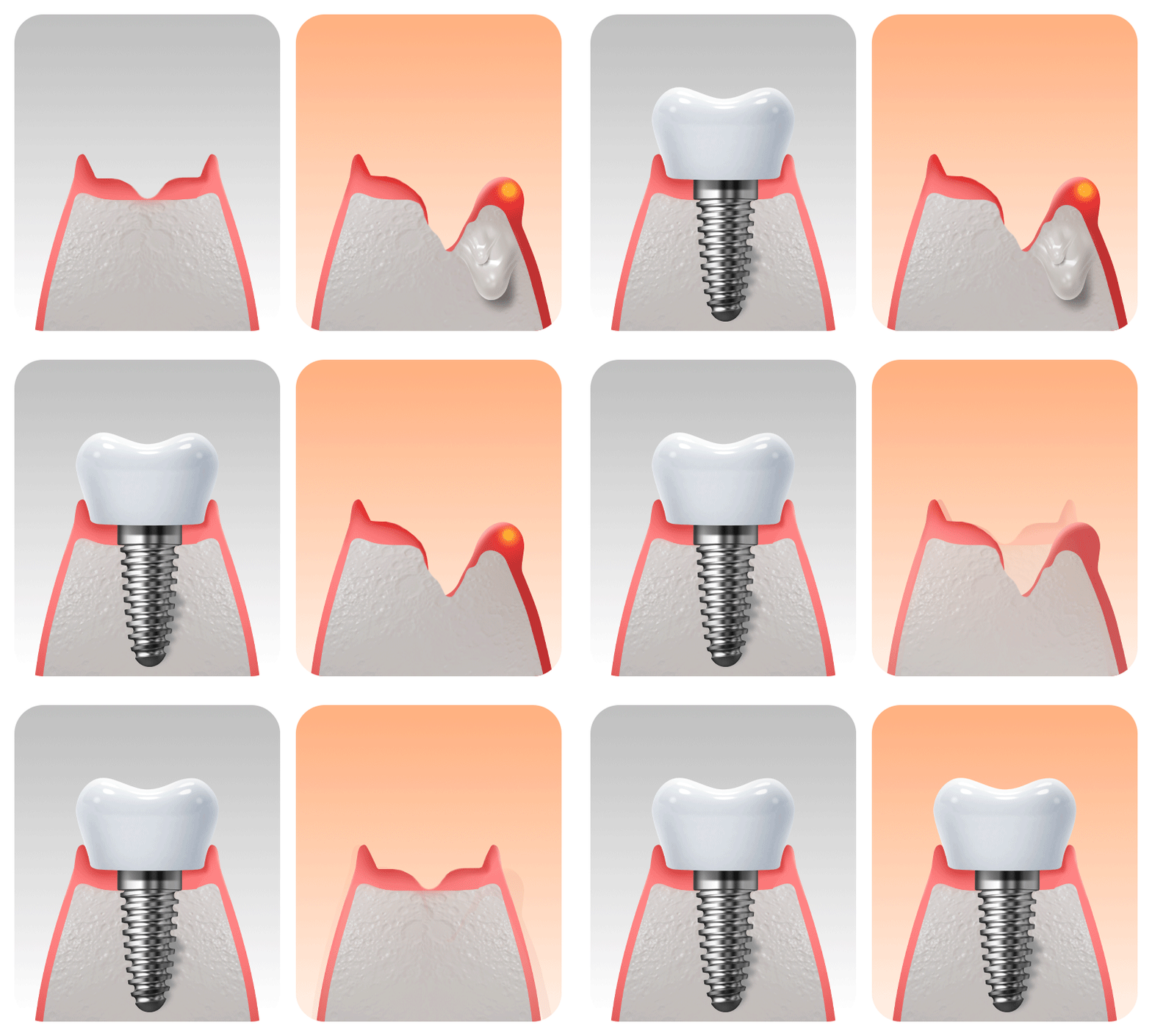
The first step in an implant surgery plan is deciding 'when to place it.' This is not simply to reduce the stay duration; it must be a medical judgment on whether infection is controlled and if there is a sturdy foundation to support the implant.
1) Immediate Placement (Type 1): Placement on the Day of Extraction
This method involves placing the implant at the same time the tooth is extracted. Since anesthesia and surgery are performed at once, it reduces the total number of visits, making it a preferred choice for international patients. it is also advantageous for maintaining natural gum contours. However, this is a 'selective option' performed only when the following conditions are met:
- No acute infection or pus at the extraction site.
- Sufficient bone (residual bone) to hold the implant firmly.
- Well-controlled systemic diseases (e.g., diabetes).
2) Delayed Placement (Type 2–4): Placement After Healing
This method involves placing the implant after the gums have healed (several weeks) or the bone has filled in (several months) following extraction. If inflammation is severe or significant bone loss has occurred, the medical team will recommend this method for safety. Even if the schedule is slightly longer, removing the source of infection and securing a solid foundation increases the predictability of the result.
Whether immediate placement is possible depends on whether your jawbone condition meets the specific criteria, rather than being a matter of "good" or "bad" technique.
2. Why is "Immediate Placement" different from "Immediate Fixation"?
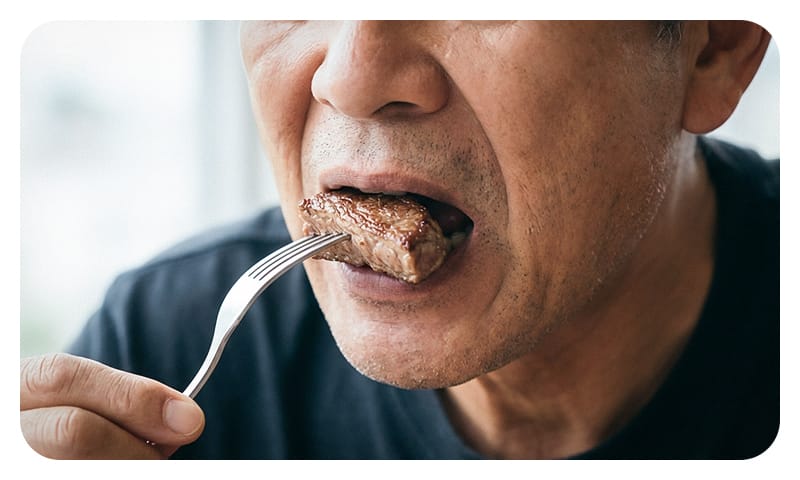
“Since it was placed today, can I immediately chew tough foods like meat?” This is a frequent question, but it should be viewed as a matter of 'Loading,' which is separate from the placement timing.
To use an analogy, the period immediately after implant placement is like 'placing a pillar in wet concrete.' While the pillar is standing, if it receives strong force (masticatory force) before it is fully set, it may vibrate minutely and fail to bond with the bone. Therefore, even if a temporary tooth is connected on the day of surgery, it is primarily for aesthetic recovery, not necessarily for functional recovery for actual eating.
For international patients, a Temporary Tooth should be understood as a device for managing schedules and risks rather than a tool for accelerating treatment.
- Role: Maintaining aesthetics of front teeth, protecting gum shape, and assisting speech.
- Caution: Since it is weaker than the final prosthesis, hard foods must be avoided, and one must be prepared for the possibility of detachment or fracture after returning home.
If the bone condition is excellent and initial stability is superior, 'immediate fixed temporary teeth' may be possible. Otherwise, submerging the implant under the gums and waiting is the safe path for long-term success.
3. Which treatment plan is safer for expats with short schedules?
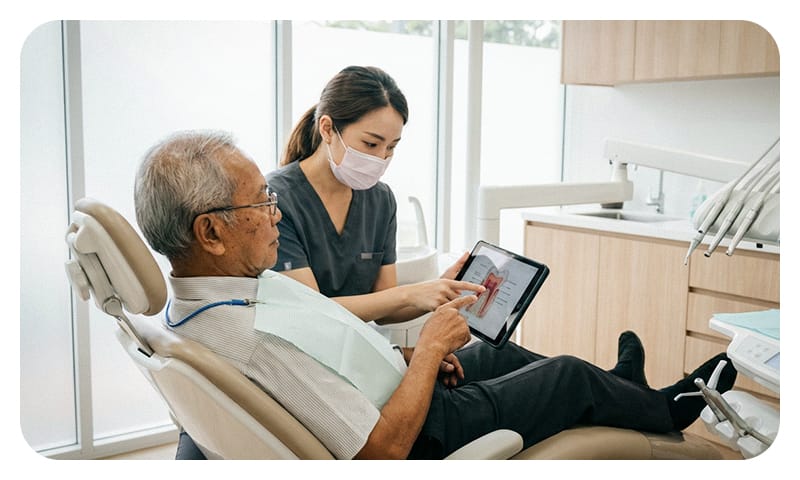
A safe plan for international patients designs Visits, Stay, and Aftercare as a single package. It is wise to divide stages according to your conditions rather than pushing for "unconditional speed."
1) Visit Scenarios Based on Condition (Visits)
- Case A: Good bone condition and no infection Immediate placement (Type 1) may be possible after diagnosis. The general flow involves staying for a period after surgery to check initial healing, returning home, and then revisiting to complete the final prosthesis once the bone has hardened.
- Case B: Severe inflammation or extensive bone grafting A staged approach is necessary, where extraction and inflammation management (or bone grafting) are performed during the first visit. Surgery follows during a second visit once the gums have healed. This prevents initial failure caused by prematurely shortening the stay.
2) Departure Timing and Safety (Stay)
There is no fixed answer to "How many days after surgery can I fly?" Recovery is fast for simple surgeries, but procedures involving extensive areas, such as a sinus lift (upper jaw bone graft), can be sensitive to air pressure changes. A more conservative schedule is required. It is recommended to consult the medical team regarding the 'safe departure date' before ticketing.
3) Aftercare Strategy (Aftercare)
When leaving Korea, ensure you have the following information in case problems arise locally:
- Medical Records: Copies of pre- and post-operative X-rays or CT scans.
- Product Information: Manufacturer, model name, and diameter/length of the placed implant (to check compatibility with local clinics).
- Emergency Manual: How to handle cases where a temporary tooth falls off or a screw loosens.
What is more important than speed is the 'stage that fits you.' Remember these three keys to increasing implant success rates within a short schedule:
First, understand the distinction between the timing of placement (when it is implanted) and the timing of loading (when it can chew).
Second, immediate placement is not for everyone; it is a selective option chosen when infection status, bone condition, and systemic health allow.
Third, a management plan that ensures safety after returning home is more important than shortening the treatment period.
Aim for "the safest way for my condition" rather than "as fast as possible." Through precise diagnosis, the medical team in Korea will draw a rational and safe roadmap tailored to your jawbone condition and stay schedule.
Sources
- Korean Academy of Oral & Maxillofacial Implantology, Standard Clinical Practice Guidelines for Dental Implants.
- Journal of Periodontal & Implant Science, Clinical Indications for Immediate Loading.
- International Team for Implantology (ITI), Treatment Guide Vol 10 (Implant Placement in Extraction Sockets).
- Cosyn et al., Immediate placement of dental implants in the esthetic zone: A systematic review and meta-analysis, 2019.
※ The copyright for all content on this blog belongs to medihi. Unauthorized copying, distribution, or derivative use is strictly prohibited, and violations may result in legal action without prior notice.
Recommended reads
 medihi