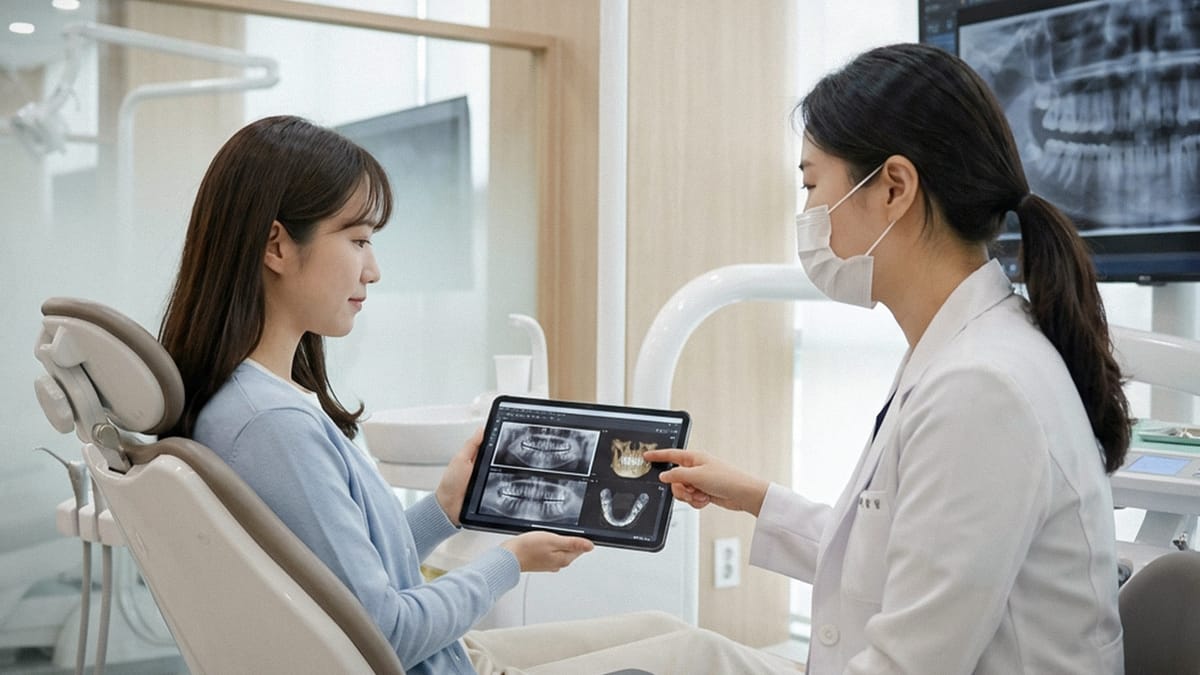

The outcome of orthodontic treatment depends on more than just the type of visible appliance; it is shaped by identifying complexity through precise diagnosis, setting realistic goals, and considering the patient’s periodontal health and cooperation.
"I don't know if my case is simple or difficult."
"I'm worried I won't understand the doctor's explanation during the consultation."
These are common frustrations for many considering braces. Behind the visible symptom of "crooked teeth" lies a complex web of jaw positioning, gum health, and functional bite issues. Without an objective sense of your dental condition, professional consultations can feel like a blur of jargon, increasing anxiety over potential changes to your treatment plan.
To help, we have organized an Orthodontic Decision Factors framework to help you look at your oral condition objectively and better understand medical explanations before visiting a clinic. Think of orthodontics as remodeling a house: the complexity depends on whether you are just changing the wallpaper (tooth alignment) or modifying the pillars and structure (skeletal issues).
1. Is My Orthodontic Case Simple or Complex?
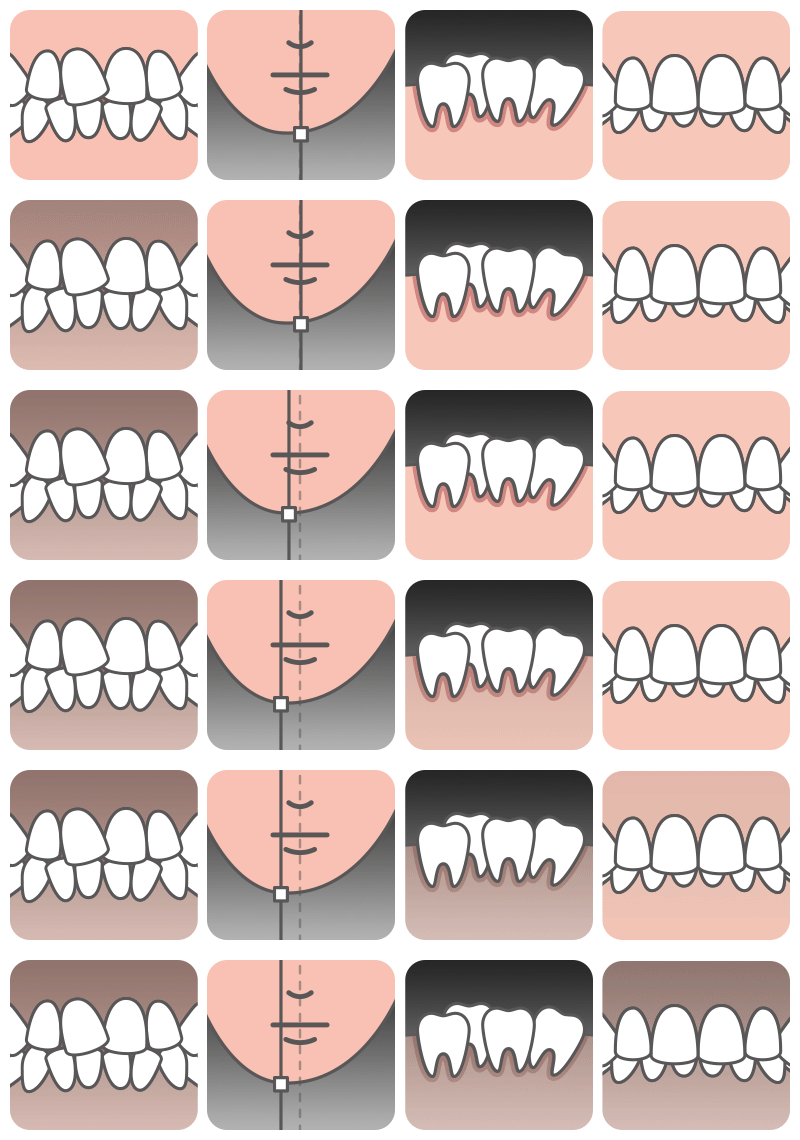
The complexity of orthodontic treatment is not decided by "crooked teeth" alone. It is a combined concept of alignment, skeletal structure, functional issues, oral health, and required cooperation levels. The more complex these factors are, the more your appliance options may be limited and the higher the chance of plan adjustments. Checking these six factors before your consultation will help you gauge your situation:
- Is the issue just tooth alignment or skeletal?If the issue is simply crowded teeth, the difficulty might be manageable. However, if there is a skeletal issue like a shifted chin or a significant size difference between the upper and lower jaws, surgery or specialized appliances may be necessary.
- Is there a severe lack of space?If teeth are heavily overlapped or protruding due to a lack of jaw space, extractions may be required. Greater space deficiency usually leads to a more sophisticated treatment process due to increased tooth movement.
- Are there vertical or horizontal bite issues?This includes cases where front teeth do not touch (open bite) or the upper teeth cover the lower teeth too deeply (deep bite). These require longer treatment times than simple alignment to improve function.
- Is the gum (periodontal) status stable?Orthodontics moves teeth within the jawbone. If you have gum disease or bone loss, the treatment difficulty increases because forces must be applied very gently, and periodontal treatment may be required first.
- Are there functional issues or bad habits?Jaw joint clicking, pain, tongue thrusting, or teeth grinding can hinder tooth movement or cause relapse. Be mindful that habit-breaking appliances or myofunctional therapy might be needed.
- Can you maintain a high level of compliance?For removable appliances (like clear aligners) or rubber bands, patient diligence is crucial. If keeping appointments or wearing the device consistently is difficult, fixed appliances might be more suitable.
The more of these items apply to you, the more likely you are to need a "complex treatment plan" rather than "simple alignment."
2. How to Decide Between Extraction vs. Non-extraction?
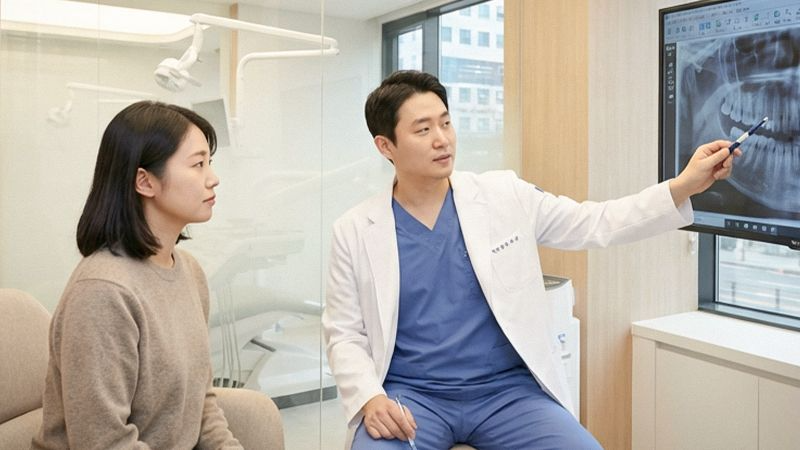
The decision to extract teeth—one of the biggest concerns in orthodontics—is made where medical necessity meets the patient's goals. Rather than viewing extraction as something to "avoid at all costs" or "do no matter what," it should be understood as a strategic choice to secure space and facial harmony.
The key is Goal Alignment. Non-extraction preserves natural teeth, but forcing it when space is insufficient can cause teeth to flare out or lead to an unnatural mouth profile. Conversely, extraction creates space to resolve severe crowding or improve a protruding mouth.
When consulting, try asking these questions:
- Space Analysis: "How much space is missing to align my teeth, and are there non-extraction methods (arch expansion, interproximal reduction, distalization) available?"
- Facial Goal: "Am I looking for a change where my lips recede, or do I want to maintain my current profile?"
Especially for adult patients whose skeletal growth is complete, it is recommended to specifically document and agree on "desired changes" and "undesired changes" with the doctor. If you plan to live abroad and need to shorten the treatment period, keep in mind that closing extraction spaces can add time to the process.
3. For Overseas Residents: How to Judge Visits and Maintenance?
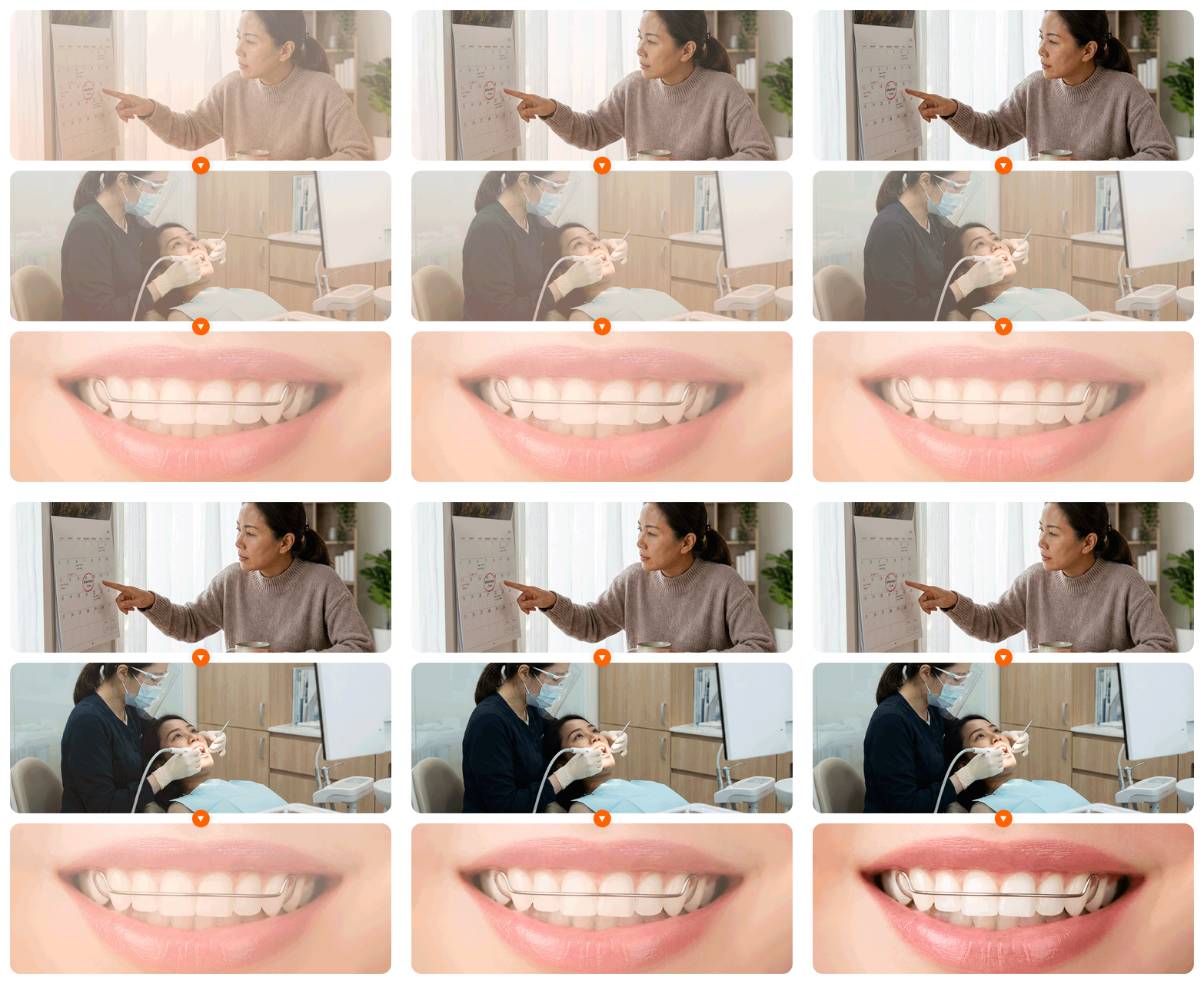
For those getting treatment in Korea before moving abroad, the "rhythm" of the treatment is as important as the result. Orthodontics is a long journey that requires regular adjustments, monitoring, and Aftercare. Overseas patients should check realistic scenarios based on three axes: Visits, Stay, and Aftercare.
A. If regular visits are realistically possible:
Your options are broader for both fixed and clear appliances. However, clear aligners require strict wear time, so you must judge if you can maintain self-discipline.
B. If frequent visits are difficult or schedules are irregular:
Handling emergencies (broken brackets, poking wires) can be hard. It is safer to consider appliances with longer visit intervals and confirm emergency protocols and local partner clinics before leaving.
C. If you have weak gums or a history of periodontitis:
The risk of gum inflammation increases during orthodontics, making regular scaling and check-ups essential. Secure a local periodontal care provider or ensure all gum treatments are completed before starting.
D. If you are worried about post-treatment maintenance:
Teeth have a strong tendency to return to their original positions. Ensure you have a documented plan for retainer management (fixed/removable), what to do if an appliance is lost (securing scan data/models), and a regular check-up schedule.
"Possible to start treatment" does not always mean "will end quickly." Checking a specific roadmap for whether major processes can finish during your stay and how care will continue afterward is the key to successful orthodontics.

Orthodontic treatment is like a sophisticated construction project built upon an individual's unique oral environment. The most important criteria are precise diagnosis and agreement on realistic goals.
First, Check Complexity: Identify if your case is just about alignment or involves skeletal and functional complexities.
Second, Set Goals: Coordinate your aesthetic goals and medical limitations with your doctor when deciding on extraction.
Third, Plan Aftercare: If living abroad, draw a roadmap that includes not just the treatment process but the maintenance plan.
A safe choice that fits you is more important than a fast choice. We hope these criteria serve as a reliable compass for your healthy and beautiful smile.
Sources
- Korean Association of Orthodontists, Information on Orthodontic Examination and Treatment
- Seong H.J. et al., A Study Based on Surveys Regarding Orthodontic Patient Cooperation, 2016
- Daniels & Richmond, The development of the Index of Complexity, Outcome and Need (ICON), 2000
※ The copyright for all content on this blog belongs to medihi. Unauthorized copying, distribution, or derivative use is strictly prohibited, and violations may result in legal action without prior notice.
Recommended reads
 medihi