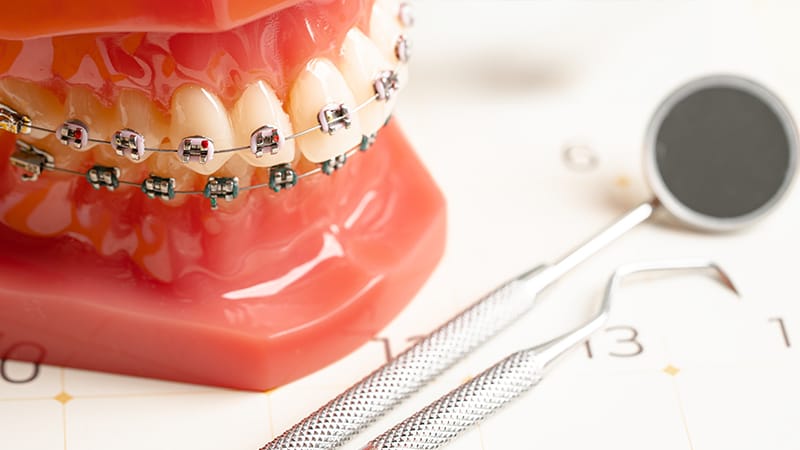

Returning to your home country during orthodontic treatment is always a major concern. A transfer is not merely moving to a different clinic; it is a systematic process of "handing over" your current status and future goals to ensure the continuity of treatment. For foreign residents who have lived in Korea, we have summarized the essential criteria for a safe transition, from organizing the record package to managing the treatment gap.
"I started my braces in Korea; can I continue them abroad without issues?"
"What if the new doctor suggests starting the treatment all over again?"
If you are suddenly facing a departure, you might be more worried about the braces in your mouth than packing your bags. Since orthodontics requires long-term cooperation with a clinician, the situation of changing doctors midway can feel overwhelming. However, if you understand and prepare for a transfer as a "safe passing of the baton of records and responsibility," you can continue the flow of treatment seamlessly. Here are three key guides to check when moving abroad.
1. Why is an orthodontic transfer more than just moving clinics?

The most important concept in an orthodontic transfer is the 'shift of the responsibility boundary.' Patients often think, "If I just take my Korean charts, I can continue immediately," but that is often not the case.
This is because the moment a new clinician takes over a patient, they assume medical responsibility for the treatment outcome. It is like a pilot change during a flight; the new pilot must re-check the weather conditions and the aircraft status personally.
Therefore, while the overseas clinician will refer to previous records, they will inevitably go through a re-evaluation process based on their own diagnostic criteria and philosophy. During this process, adjustments to the appliance or modifications to the plan may be proposed because the type of appliance or the method of applying force differs. Especially between countries, differences in bracket standards or system compatibility can occur. If a clinician says "re-diagnosis is necessary," it is better to understand it as an essential procedure for a safe handover rather than starting from scratch.
Ultimately, a successful transfer depends on how clearly your current status and goals are communicated to the new clinician, rather than insisting on "no changes to the plan." Preparing for a transfer should be a process of creating a structure that explains the flow of treatment, beyond just gathering documents.
2. Orthodontic Transfer Checklist: How to organize the record package?

To help the new clinician quickly grasp your past and present and design the future, a "complete record package" is necessary. Professionally, we recommend a "Transfer Summary (1 page)" and supporting "Attachments."
- Transfer Summary: Acts as the handle of the baton. It summarizes the current treatment stage (alignment/space closure/finishing, etc.), future treatment goals (assumptions), and specific findings to note (root condition, TMJ, etc.) on one page.
- Attachments: Provide the evidence for diagnosis. These include X-rays (Panorama/Cephalometric) before and after treatment, intraoral and extraoral photos, and dental models (scan data).
Since the issuance of records follows domestic medical laws and institutional procedures, it is best to clearly request the following from your clinician during your last visit before departure:
[3 Questions to ask your clinician before departure]
- "What specific term (Stage) is used in the chart to record my current treatment stage?"
- "Can you summarize the goals to focus on during the next visit in one or two sentences?"
- "What are the hospital's procedures and security methods for receiving copies of diagnostic evidence (images, scans, etc.)?"
Note that health information is sensitive; it is safer to follow the security procedures (such as encrypted media) allowed by the medical institution rather than sending it randomly via email.
3. Managing the Gap: How to stay safe between departure and the stay abroad?
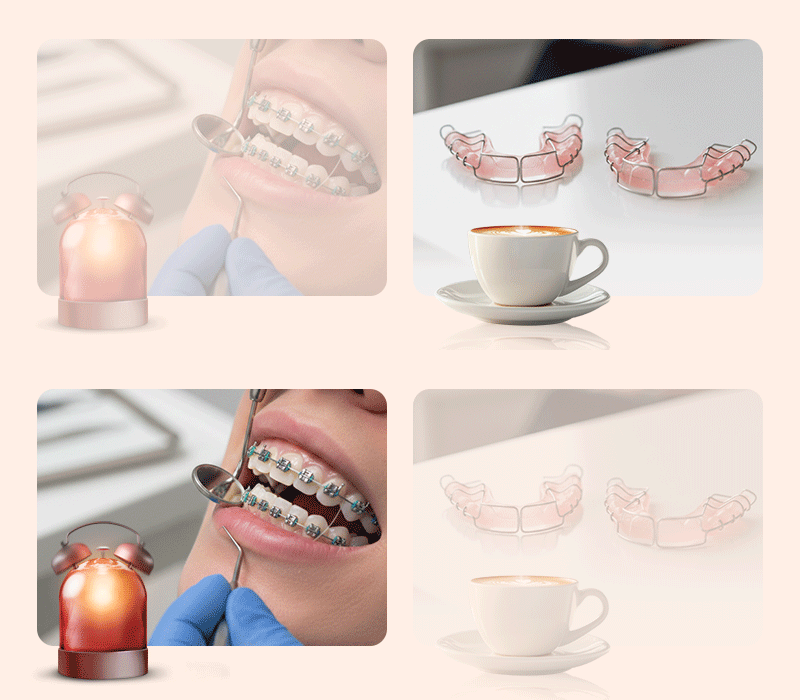
Once your move abroad is confirmed, a strategy to manage the 'clinical gap' from your last visit in Korea to your first visit locally is essential. During this period, where the primary treating party is not clearly defined, the goal should be 'stable maintenance of the current state' rather than active treatment progress.
The three-axis (Visits/Stay/Aftercare) management criteria for overseas patients are as follows:
- Visits (Before Departure): Instead of pushing through treatment stages, focus on "stabilization" to ensure no appliances fall off or poke you.
- Stay (During Stay/Move): If the gap until the first local visit is long, it is best to take a conservative approach to self-adjustable appliances like rubber bands, following the clinician's instructions.
- Aftercare (Emergency): If an appliance breaks or pain is severe, remote guidance from the Korean clinic may have limits. It is safe to identify a local clinic where you can receive immediate emergency treatment in advance.
[Situational Decision Guide]
- A) If time before departure is tight:
- B) Prioritize conservative finishing, such as checking the attachment status to ensure the current appliance doesn't fall off and trimming wire ends, rather than attaching new appliances or applying strong force.
- A) If you are in the Retention stage:
- B) Retainers have a high risk of relapse if lost or broken. Check in advance if spare retainers can be made or if they can be repaired abroad, and get the management instructions in writing.

An orthodontic transfer can be a burdensome process as you must continue treatment in an unfamiliar environment. However, if you remember the three criteria we discussed today, you can reduce your anxiety.
1. Since a transfer is a shift of responsibility, please accept the new clinician's re-evaluation with an open mind.
2.Ensure the completeness of your record package by including both a summary and supporting data.
3.Focus on stable maintenance rather than aggressive progress until your first visit abroad.
A transfer is not a failure of treatment but another process to reach the finish line safely with a new clinician. We sincerely support you in maintaining a healthy and beautiful smile even abroad through thorough preparation.
Sources
- National Law Information Center, Medical Service Act / Enforcement Rules, Current.
- National Law Information Center, Personal Information Protection Act, Current.
- WHO, Transitions of care: Technical series on safer primary care, 2016.
※ The copyright for all content on this blog belongs to medihi. Unauthorized copying, distribution, or derivative use is strictly prohibited, and violations may result in legal action without prior notice.
Recommended reads
 medihi