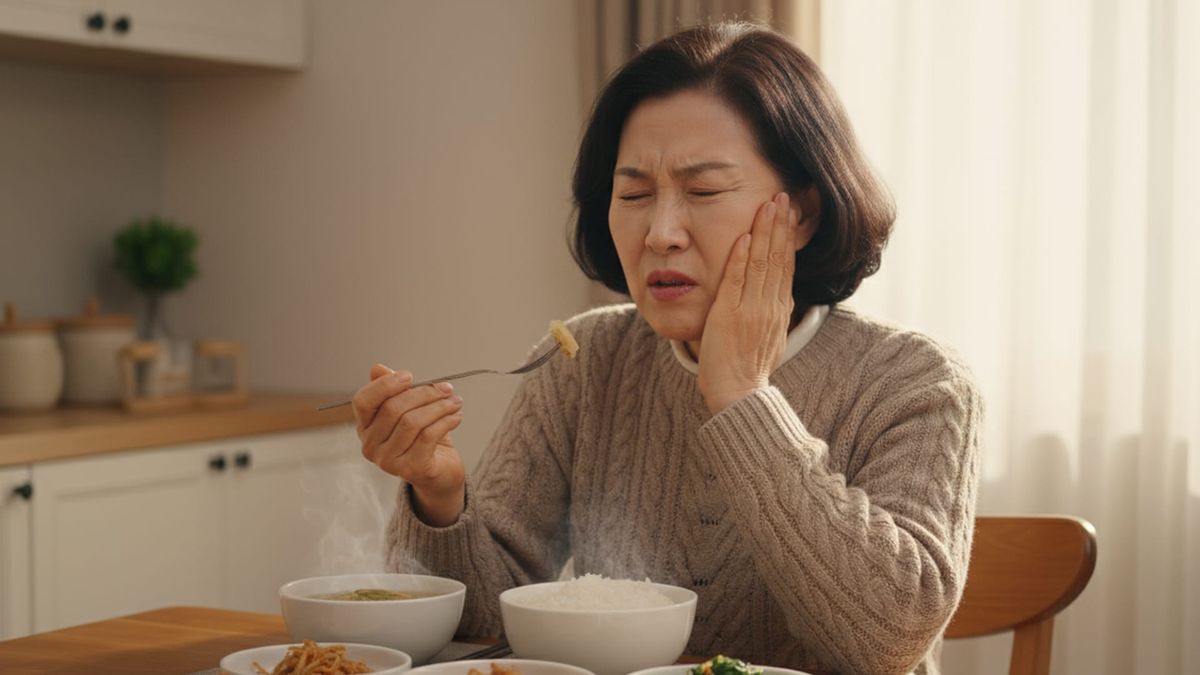

Teeth grinding (bruxism), which is common in adults, can increase the risk of tooth wear, cracks, and fractures. In severe cases, preserving the natural tooth may become difficult, and an implant may be needed. In this post, we’ve organized the causes, risks, and prevention methods in an easy-to-understand way from a patient’s perspective.
“Lately, I think I’ve been grinding my teeth every night. When I wake up in the morning, my jaw feels sore and my teeth feel sensitive—can I just leave it alone?”

This is a common concern among many adult patients.
Teeth grinding may look like a simple habit on the surface, but in reality, it is a dental condition that can damage teeth and lead to more extensive treatment.
Use the sections below to check the causes, consequences, and prevention strategies step by step.
1. Why do we grind our teeth at night?
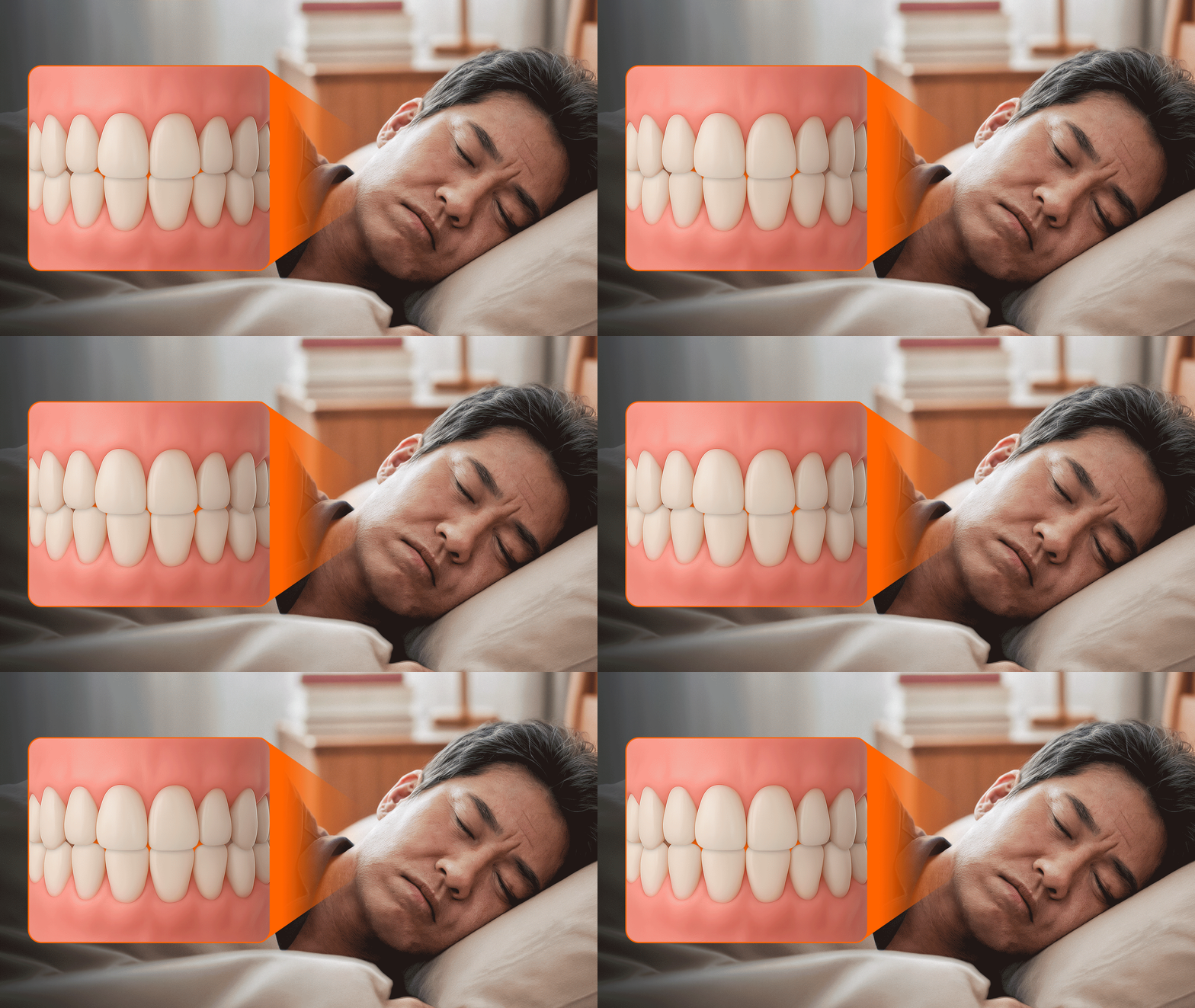
Many people don’t even realize they grind their teeth. Because bruxism usually happens unconsciously during sleep, it can be hard to notice until a family member or partner points it out.
The biggest causes are stress and anxiety. When you’re tense, your jaw muscles tighten unconsciously, causing you to clench or grind your teeth forcefully.
Excessive caffeine intake, alcohol use, and irregular sleep habits are also major factors that can worsen teeth grinding.
In particular, adult teeth may already have minor wear from years of chewing and everyday stress. If grinding continues repeatedly, teeth can wear down more easily and develop cracks.
2. How does teeth grinding affect your teeth?
Teeth grinding can rapidly wear down the tooth surface and create micro-cracks. Over time, this can lead to a higher risk of tooth fracture. Common patterns include worn front teeth or cracks in the molars.
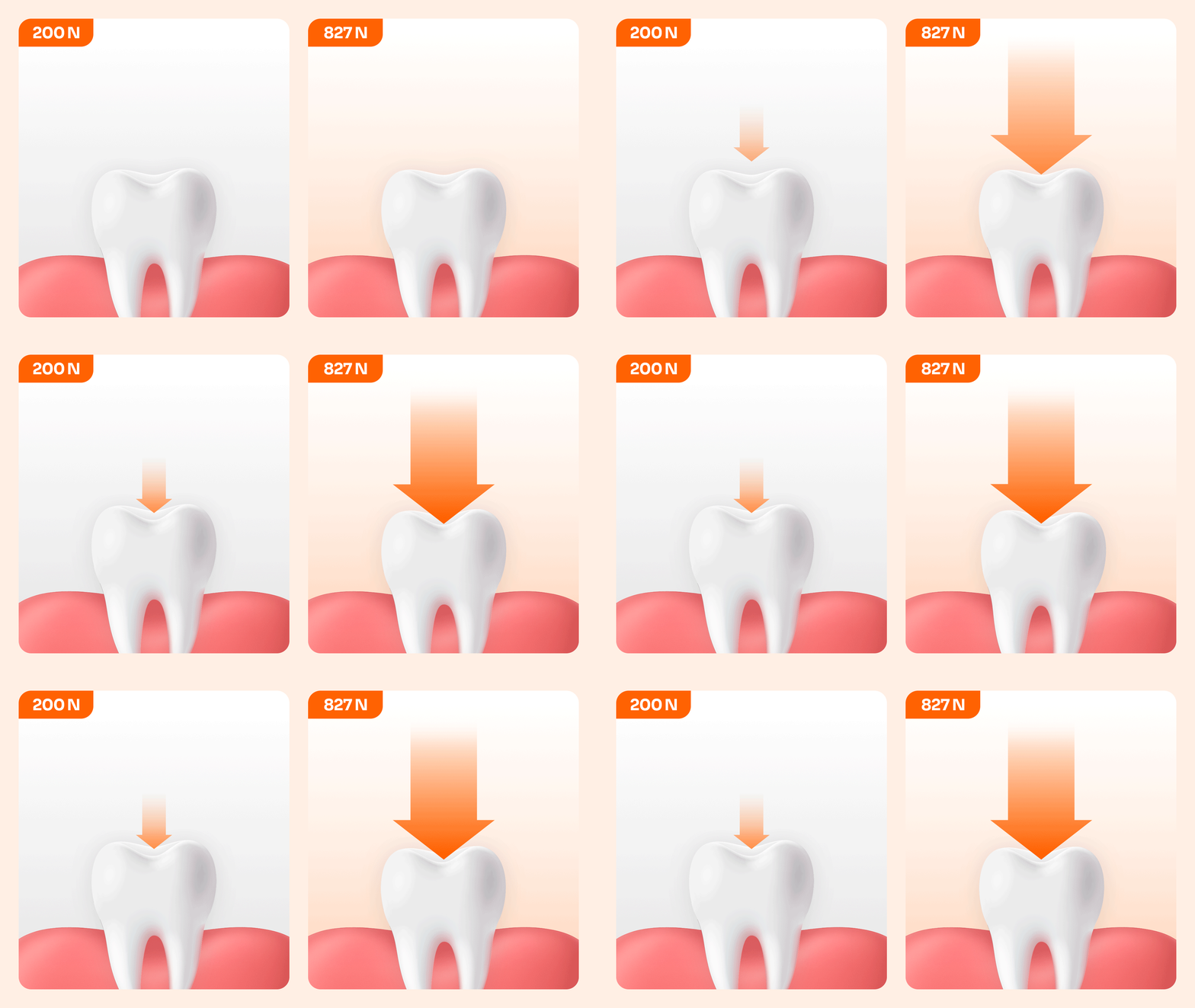
A key issue is the magnitude of force applied to the teeth. According to multiple academic papers, the forces involved in chewing versus grinding are as follows:
- Normal chewing force: about 200N
- Average force during teeth grinding: about 827N
In other words, more than four times the force can be transmitted to the teeth. It’s not hard food, but rather an unconscious habit that can cause greater damage. Excessive bite force can place stress on teeth, restorations, and an implant.
As this excessive force accumulates, chewing strength may decrease, sensitivity can appear, and in severe cases, damage may progress down to the tooth root.
3. Can tooth cracks lead to an implant?
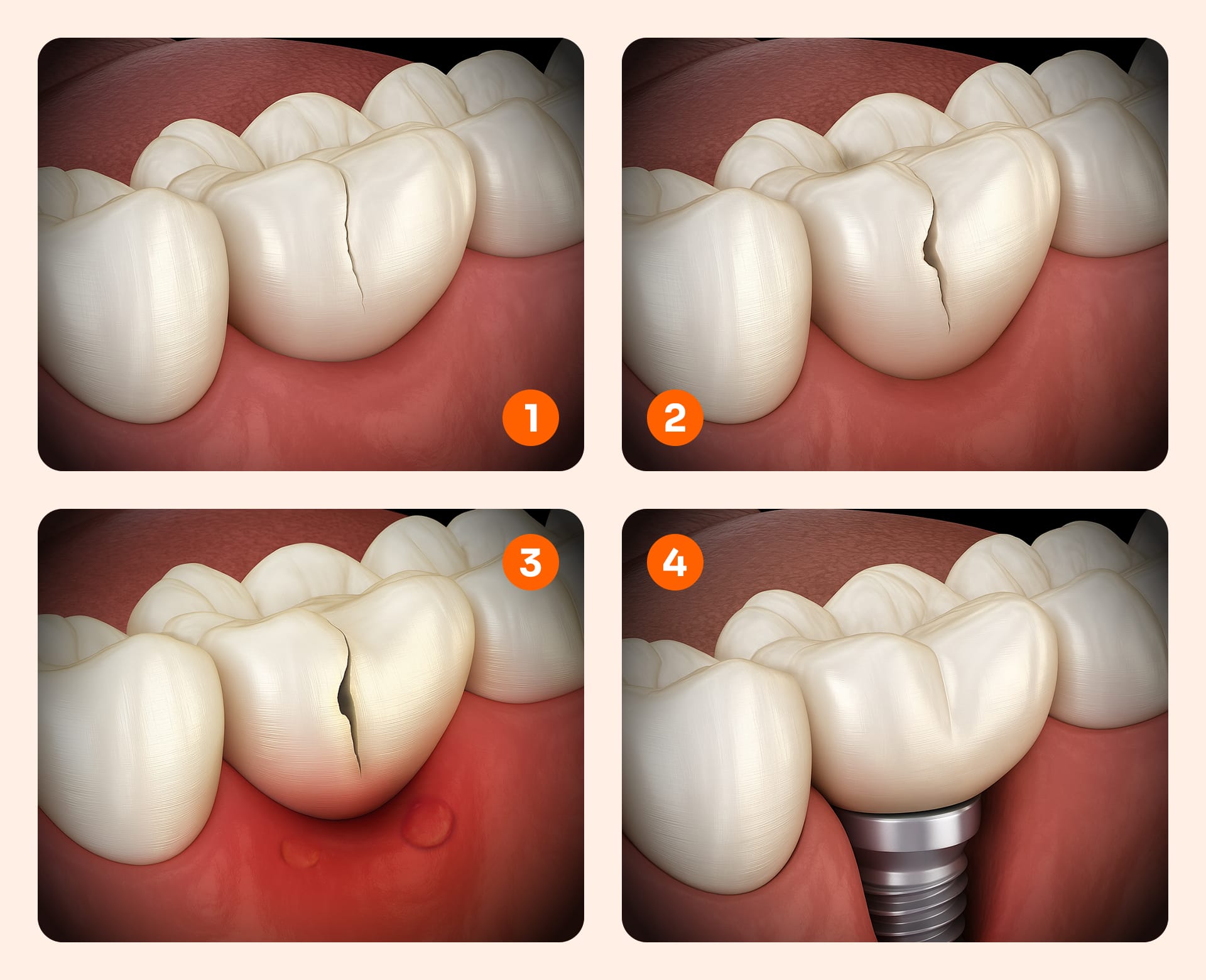
If a small crack in a tooth is not addressed, the crack can gradually deepen.
Molars are especially vulnerable because they receive concentrated chewing forces. Repeated vertical pressure in this area makes fractures more likely.
A fracture may involve a piece of the tooth breaking off, or in some cases, even the tooth root cracking (a vertical root fracture).
If the fracture progresses to the root, the tooth can no longer be saved, and extraction followed by implant treatment becomes necessary.
| Crack Condition (Bruxism Effect) | Key Symptoms | Fracture Risk |
|---|---|---|
| Micro-crack (Early Stage) | Temporary sensitivity to cold or hot water | Low |
| Moderate Crack (Enamel/Dentin) | Momentary pain when chewing, persistent sensitivity | Moderate |
| Deep Crack (Extending to Pulp/Nerve) | Severe pain, persistent inflammation, pus formation | High |
| Vertical Root Fracture (Extending to Root) | Tooth preservation may be difficult; extraction and replacement therapy may be considered | Very High |
4. How can you reduce teeth grinding in daily life?
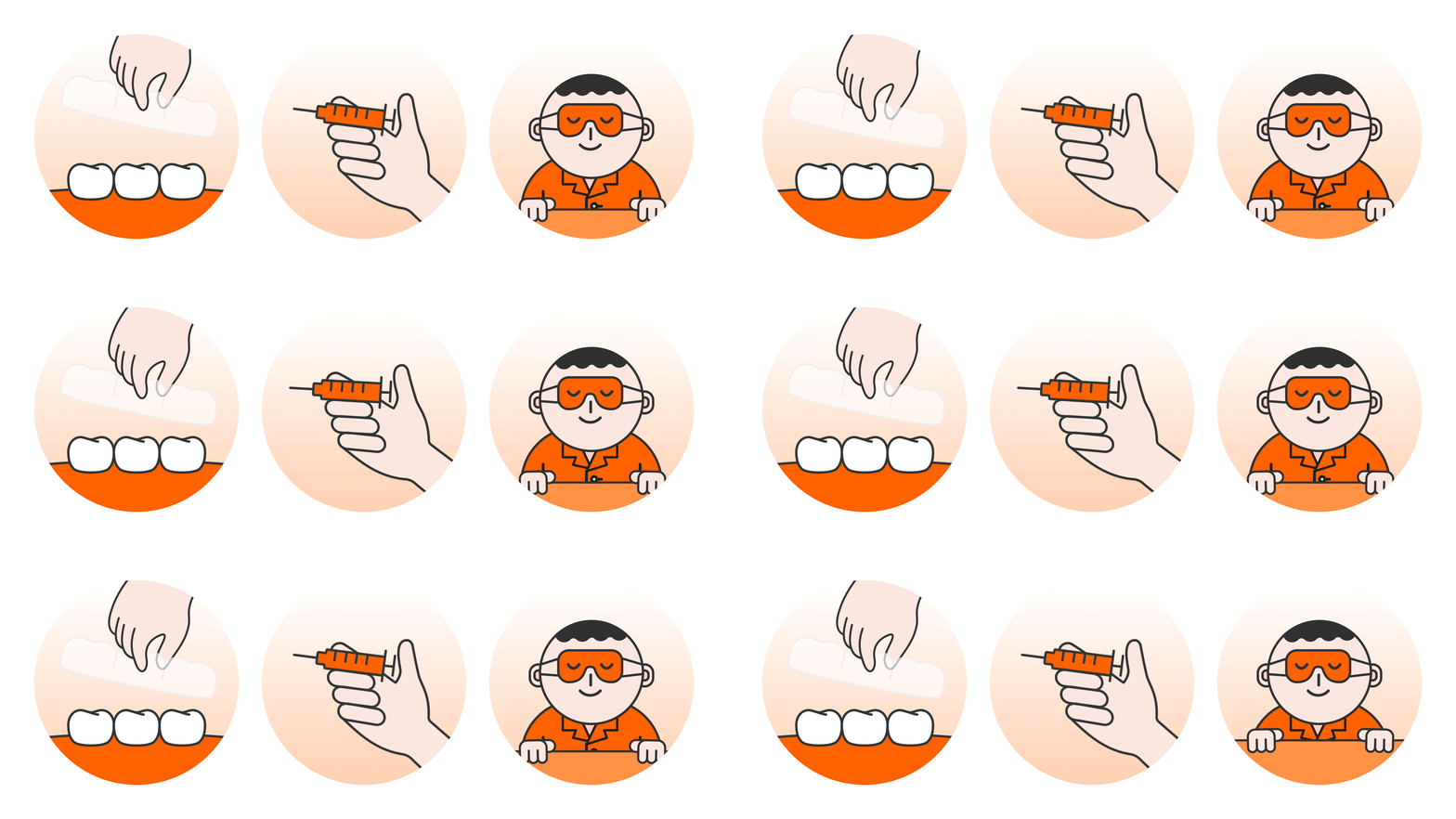
An implant is one of the most common replacement treatments to consider after tooth loss occurs. That’s why it’s important to actively prevent tooth loss before grinding causes irreversible damage.
[Common prevention methods]
1. Wear a night guard
- A hard plastic device made to fit your individual tooth structure
- Helps distribute grinding forces during sleep to prevent direct tooth damage
2. Reduce jaw muscle force (botulinum toxin injection)
- In severe cases, weakens muscle strength to reduce grinding intensity
- Effects are temporary, but can help reduce the risk of severe damage
3. Lifestyle habit correction
- Reduce caffeine and alcohol intake before bed
- Use warm compresses around the jaw and gentle massage to relax muscles
- Maintain a regular sleep pattern
5. Frequently Asked Questions (FAQ)
Q. If there’s no grinding sound at night, is it still okay?
Even silent teeth grinding can be just as risky for your teeth. Even without noise, grinding that applies strong pressure to the jaw can cause tooth wear or cracks. Even if your spouse or family doesn’t hear anything, if you wake up with jaw soreness or tooth sensitivity, you should get a dental checkup.
Q. If my tooth already has a crack, do I automatically need an implant?
No. Treatment depends on how deep the crack is. Early micro-cracks can sometimes be managed with resin (bonding) or a crown (prosthetic restoration) to help prevent further progression. An implant is only needed after extraction when the crack extends to the root and the tooth can no longer be saved. Most importantly, you should use a tooth-protection device to help prevent the crack from worsening.
Q. Can I use an over-the-counter mouthguard (tooth protection device) from a pharmacy?
Pre-made mouthguards sold at pharmacies may not fit your tooth structure precisely and can instead place extra strain on the jaw joint. To effectively reduce fracture risk from teeth grinding, it’s important to wear a custom-made tooth protection device (night guard) fabricated precisely to match your oral structure at a dental clinic.
Q. What should I start doing right now to prevent adult tooth problems?
The most urgent steps are to review your sleep habits and visit a dentist. Before it’s too late, confirm whether you grind your teeth, and if there is tooth wear or cracking, begin using a custom tooth protection device that can protect your teeth. This is the start of care that helps you keep your natural teeth longer.

Teeth grinding is not just a simple habit—it’s an issue that can significantly affect dental health. Before it leads to tooth cracks and implant risk, prepare in advance with lifestyle changes and protective devices. Small actions can help protect your teeth for longer.
Sources
- Korean Academy of Prosthodontics. (2023). Tooth fractures and prosthodontic approaches.
- Korean Academy of Orofacial Pain and Oral Medicine. (2022). Clinical guidelines for sleep bruxism.
- Sadowsky, S. J. (2007). Occlusal overload with dental implants: A review. International Journal of Prosthodontics, 20(6), 596–600.
※ The copyright for all content on this blog belongs to medihi. Unauthorized copying, distribution, or derivative use is strictly prohibited, and violations may result in legal action without prior notice.
Recommended reads
 medihi