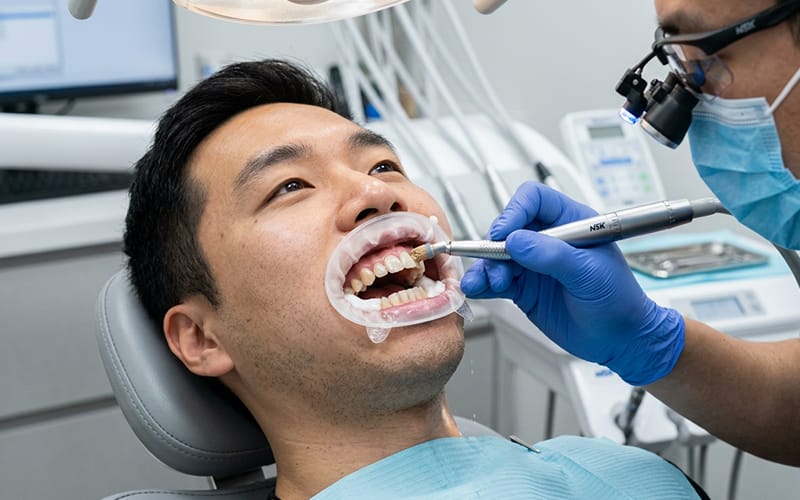

Are you concerned about naturally uneven, rough, and yellow-looking teeth? This post organizes the patterns of a genetic condition called “amelogenesis imperfecta,” along with treatment approaches and aftercare.
“My teeth have been yellow and bumpy since I was little.”
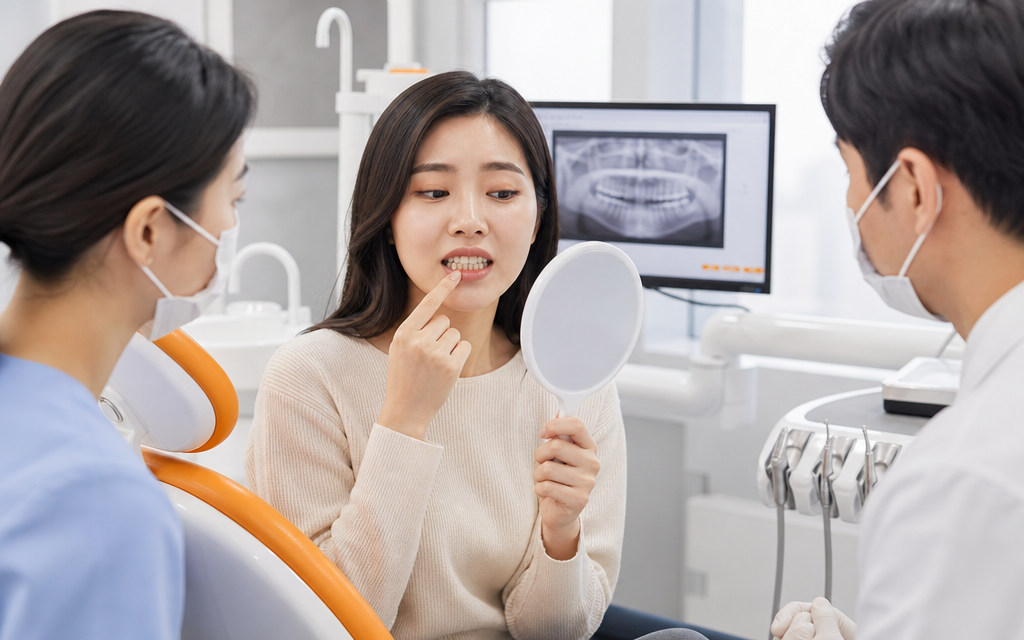
In the clinic, we often meet patients in their 20s–30s who feel self-conscious while sharing these concerns. Many feel psychological pressure about family history, or blame themselves for not brushing well enough. However, this is not a problem caused by “lazy brushing.” If you have experienced this since childhood, it is often due to a genetic factor during tooth development—amelogenesis imperfecta.
Because it is a structural issue that is difficult to solve through personal care alone, there is no need to push yourself into self-blame.
1. Why teeth look yellow and feel rough: a structural defect, not poor brushing
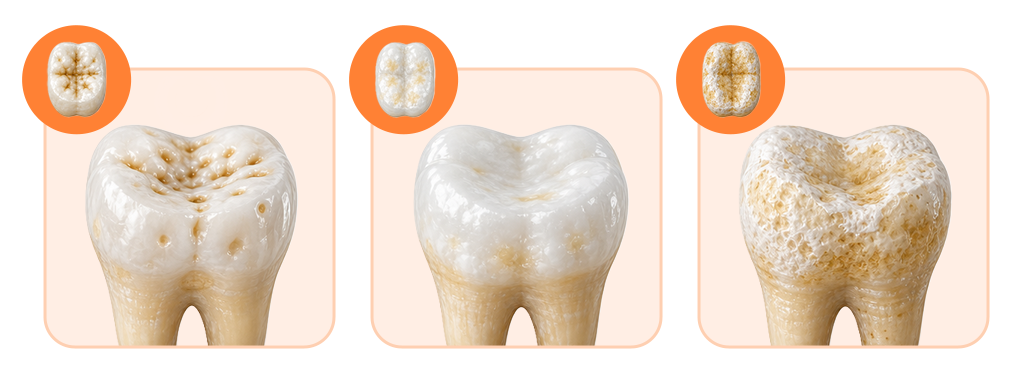
Amelogenesis imperfecta is a condition in which genetic abnormalities occur during the formation of enamel—the outermost layer of the tooth—resulting in enamel that is thinner or less hard than typical. Depending on how symptoms present, it can be broadly divided into three clinical types, and in real clinical settings these types often appear in combination.
[Clinical types and characteristics of amelogenesis imperfecta]
| Clinical Type | Appearance Features | Treatment Considerations |
|---|---|---|
| Hypoplastic Type | Thin, rough outer surface with a pitted appearance | Teeth are small in size, requiring shape reinforcement |
| Hypomaturation Type | Thickness is relatively normal, but surface is irregular and opaque | Stains easily and accompanied by tooth sensitivity |
| Hypocalcified Type | Strong yellowish tint with a non-smooth surface | Wears down very rapidly, making structural strength essential |
To make tooth structure easier to understand, imagine a bathroom wall. The enamel on the tooth surface is like smooth, hard, high-performance “bathroom tile.” The dentin underneath is more like a “cement wall”—slightly rough and yellowish. When tile is installed densely and properly, the whole wall looks white and sturdy.
But what if, from birth, the tile is too thin or chipped in many places? The yellow cement underneath shows through. Yellow color and a bumpy surface are not simply “stains from poor care.” They happen because the protective tile itself is structurally insufficient. This is one reason teeth may not become as bright as you want.
In this situation, even standard whitening treatments cannot change the color of the inner “cement.” A more reasonable approach is to recognize the structural defect on the surface and focus on physically protecting weakened teeth while restoring aesthetics.
2.Veneer retention depends on how much healthy tooth structure remains
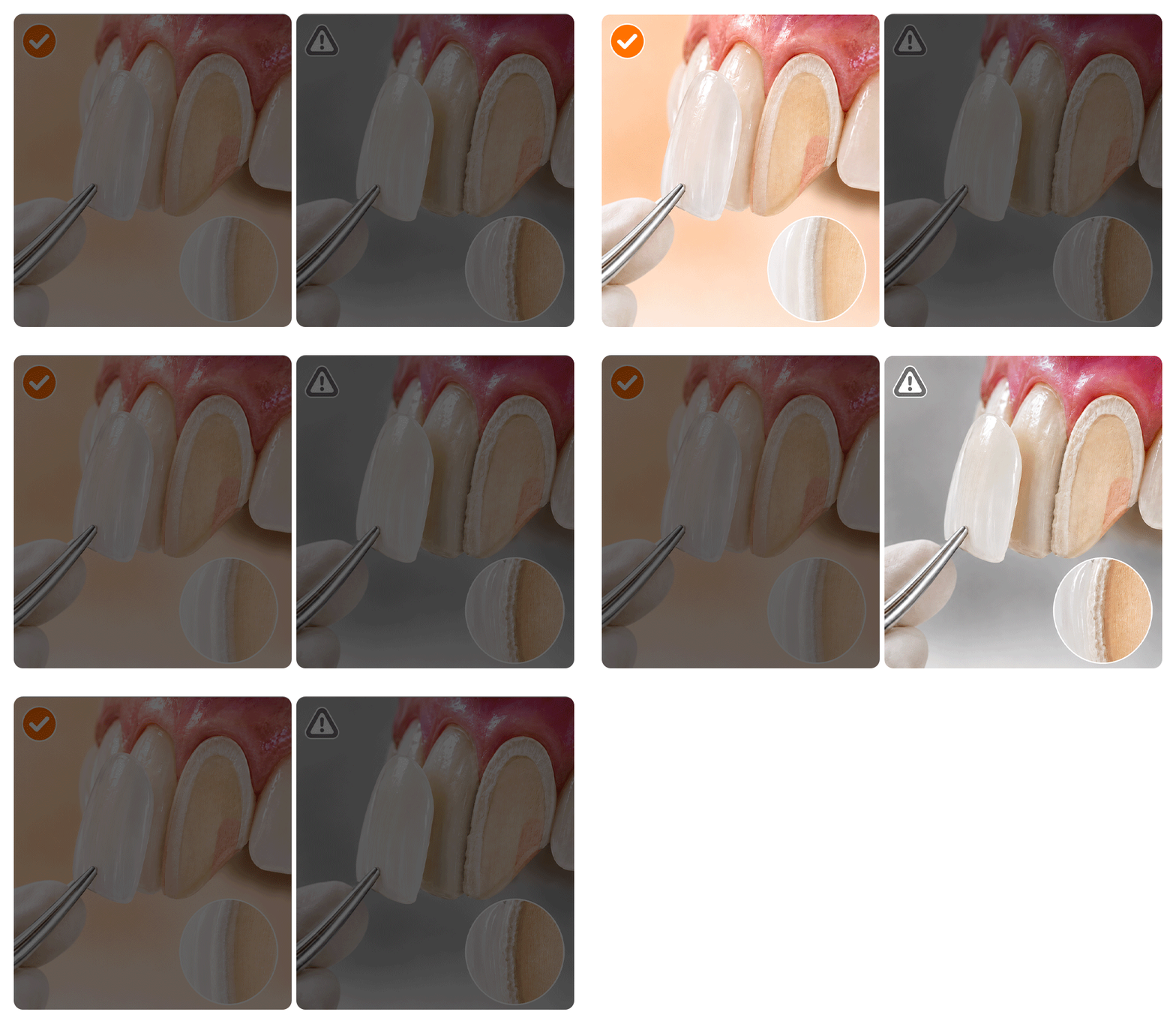
One of the most commonly considered cosmetic treatments for this condition is veneer. It improves both color and shape by bonding a thin ceramic layer to the tooth surface. However, veneer is not an appropriate option in every case. The clear deciding factor is bonding strength.
Let’s apply the bathroom-wall analogy again. To firmly attach a new decoration to a wall, you need to apply adhesive onto solid tile. If there is little tile left and only crumbly cement is exposed, even a high-quality adhesive may not prevent the decoration from falling off.
The same applies to veneer. It achieves the most stable bonding only when it is bonded to a strong enamel layer. If treatment is forced when there is not enough remaining enamel, the restoration may detach or fracture during daily life.
Some studies consider pretreatment steps to support bonding, but it is difficult to define them as a standard guideline that applies to all cases. Therefore, in the clinic, we carefully evaluate the following:
- The amount and quality of remaining enamel
- The extent of exposed dentin
- Usual bite force and occlusal relationship
- Lifestyle habits such as grinding or clenching
Before your appointment, review the checklist below. If you check many items, evaluating “tooth strength” may need to come before focusing on “color.”
✅ Self-check for structural defects before veneer
- Are similar changes present across most teeth, not only the front teeth?
- Do I also have sensitivity, tooth wear, or chipping at the edges?
- Even after whitening, did I fail to reach the brightness I wanted?
- Do I have a habit of clenching or grinding my teeth?
3. Can cosmetic treatment that only covers the surface also solve hidden sensitivity?

This condition does not affect appearance alone. Many patients also report sharp pain when drinking cold water or eating sweet foods. This happens because the tooth’s first protective coating layer against external stimuli is compromised.
When that coating is weak, temperature stimuli can be transmitted directly to the inner tissues connected to the nerve. If you focus only on cosmetic improvement and rush to “cover the surface nicely,” it is easy to miss the underlying cause of pain.
Also, when teeth are already weakened, they may not fully withstand chewing forces during meals. Small chips or wear can progress faster than in typical teeth. If wear and cracks continue to accumulate, pain may worsen or additional treatments such as root canal therapy may be discussed—so caution is needed.
The goal of treatment should not stop at making teeth look whiter. It should also protect exposed dentin to reduce sensitivity. Structural reinforcement should accompany aesthetic restoration so that teeth are less likely to be damaged during everyday eating.
4. Finding alternatives that fit your tooth condition
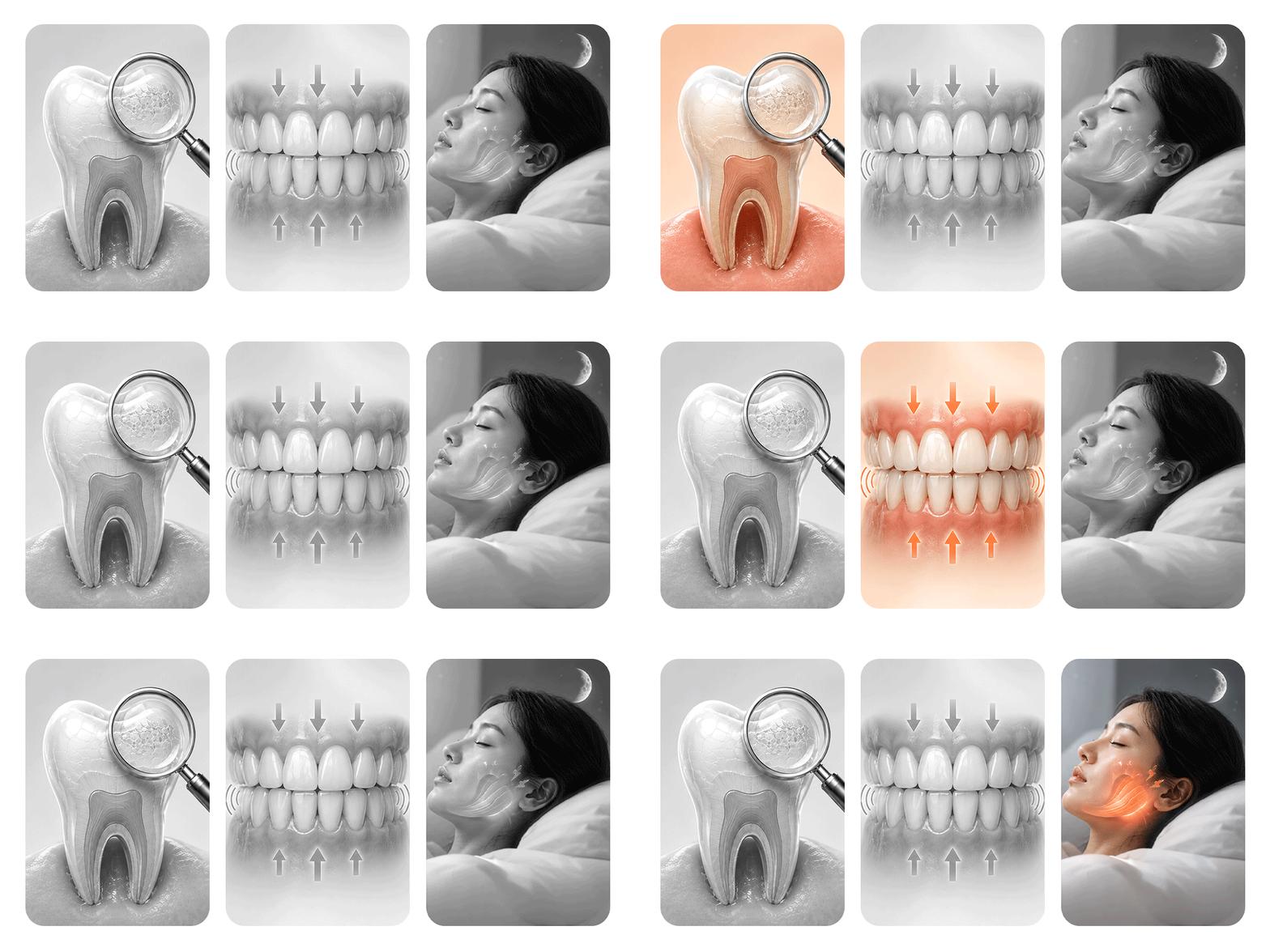
When deciding on a treatment method, it is important to closely assess the current degree of tooth damage and also consider the patient’s lifestyle habits. Depending on whether enough enamel remains and whether there is grinding or strong bite force, the priority among veneer, direct restoration, and prosthetic options can change.
Use the table below to estimate which direction may be advantageous for your tooth conditions.
| Category | Conditions for Laminate Veneers | Conditions for Prosthetics (Onlay/Crown, etc.) |
|---|---|---|
| Remaining Enamel | Relatively preserved in anterior teeth | Enamel is thin or defect is extensive |
| Surface Condition | Mainly localized irregularities and discoloration | Chipping and wear progressing rapidly |
| Force (Occlusion) | Front teeth subject to minimal excessive load | Heavy or unbalanced occlusal load suspected |
| Habits | Low risk of bruxism or teeth clenching | Accompanied by bruxism, clenching, or jaw muscle tension |
| Goal | Aesthetic improvement and conservative approach | Tooth protection and functional maintenance prioritized |
If there is sufficient remaining enamel and bite force is not strong, a conservative approach using veneer or composite resin may be favorable. On the other hand, if you grind your teeth or enamel loss is extensive, an onlay or crown that covers the entire tooth to protect it from external impact may be a safer option.
For adolescents who are still growing, the internal nerve tissue is relatively large, increasing the risk of pulp damage when tooth reduction is performed. During this period, protecting the teeth with conservative, transitional restorative treatment comes first, and a stepwise plan—discussing permanent prosthetic treatment after growth is complete—is generally recommended.
✅ Helpful questions to confirm during a consultation
- Is the remaining enamel in a condition that can withstand veneer bonding?
- Is the design intended to prevent sensitivity as well as improve yellow discoloration?
- Considering my occlusion and wear, would another option such as resin or a crown be more suitable?
5. To keep results long-term, ongoing follow-up is essential
Treatment is not “complete” the moment a restoration is bonded to the tooth. Because the underlying issue is structural weakness of the original tooth, more delicate maintenance is often required compared with typical teeth. You need to respond sensitively to the possibility of restoration debonding or damage around the prosthesis.
Even after treatment, unexpected issues can arise due to subtle changes in the jaw joint or dietary habits. In particular, for treatments that rely on bonding, it is important to carefully check whether tiny gaps have formed at the margins.
Regularly monitoring for inflammation in the surrounding gum tissue is also essential. To keep restorations healthy for a long time, it helps to reassess daily brushing habits, and preventive care such as fluoride application can also be beneficial to strengthen remaining tooth structure.
Situations may arise where dental visits are not easy—such as living abroad or long business trips. In that case, it is safer to discuss in advance with your clinician what to do in an emergency if a restoration fractures or comes off. Tooth care should be viewed not as a one-time event, but as a long-term journey.
6.Frequently Asked Questions (FAQ)
Q. How is amelogenesis imperfecta different from typical cavities?
Cavities are an acquired disease in which tooth surfaces are eroded by acid produced by bacteria, and they often progress locally. In contrast, amelogenesis imperfecta is a congenital condition in which the surface does not form properly from the developmental stage. A key difference is that defects can appear broadly across many teeth in the mouth.
Q. What are the main criteria for being a candidate for veneer?
For a restoration to stay firmly bonded, there must be enough strong “remaining enamel” as a foundation. Also, having no habitual grinding and not having excessively strong bite force can help reduce fracture risk. If this foundation is insufficient, the restoration may detach easily, and alternative treatments may be needed.
Q. My sensitivity is severe—what should I do first?
If sensitivity (dentin hypersensitivity) is significant, symptom control and tooth protection should be discussed before cosmetic restoration. The outer layer may be weak with exposed dentin, so reducing stimuli and preventing further wear—through measures such as fluoride application or remineralization procedures—can be important.
Q. I heard treatment can take a long time—what is the usual sequence?
It depends on age and the degree of tooth damage. Typically, preventive management is started first to reduce sensitivity and slow the rate of wear. Next, conservative restorations (such as composite resin) may be considered to prevent further loss of tooth structure. If functional problems are significant or damage is extensive, a stepwise plan often progresses to prosthetic treatment that protects the entire tooth.

If you have struggled for a long time with discoloration and roughness of the tooth surface, please remember these three points.
First, before aesthetic improvement, you should precisely confirm whether your remaining enamel can stably retain a restoration.
Second, rather than simply covering the tooth surface to look whiter, structural reinforcement that helps reduce sensitivity and supports chewing function should be done at the same time.
Third, for safety, you need a long-term plan supported by regular maintenance and follow-up—not a short, one-and-done treatment.
The discomfort and psychological distress you have experienced are not the result of personal neglect. Now that you understand the accurate cause and the criteria for alternatives, I hope you can find a strong and safe treatment plan that fits your tooth condition.
Sources
- Research report (poster/analysis format) using the Korean NHIS-NSC sample cohort, suggesting patterns of rare diseases and that the share of non-covered services may increase during the care process, 2013–2015
- Journal of the Korean Academy of Pediatric Dentistry, comprehensive dental treatment case report for patients with amelogenesis imperfecta (for reference to domestic clinical principles)
- European Archives of Paediatric Dentistry, A UK-based consensus on clinical decision flowcharts for managing childhood amelogenesis imperfecta in the permanent dentition, 2025
※ The copyright for all content on this blog belongs to medihi. Unauthorized copying, distribution, or derivative use is strictly prohibited, and violations may result in legal action without prior notice.
Recommended reads
 medihi