

In This Article
If you’ve recently gained weight and feel thirstier than usual with increased urination, it’s worth reviewing weight changes and blood glucose status together. Visceral fat that accumulates around the abdomen may be associated with insulin resistance, a state in which insulin becomes less effective. When blood glucose rises, thirst and fatigue may occur together. This article summarizes waist circumference and key lab values, weight-loss targets, and treatment options.
1. Why do weight gain, thirst, and fatigue happen together?
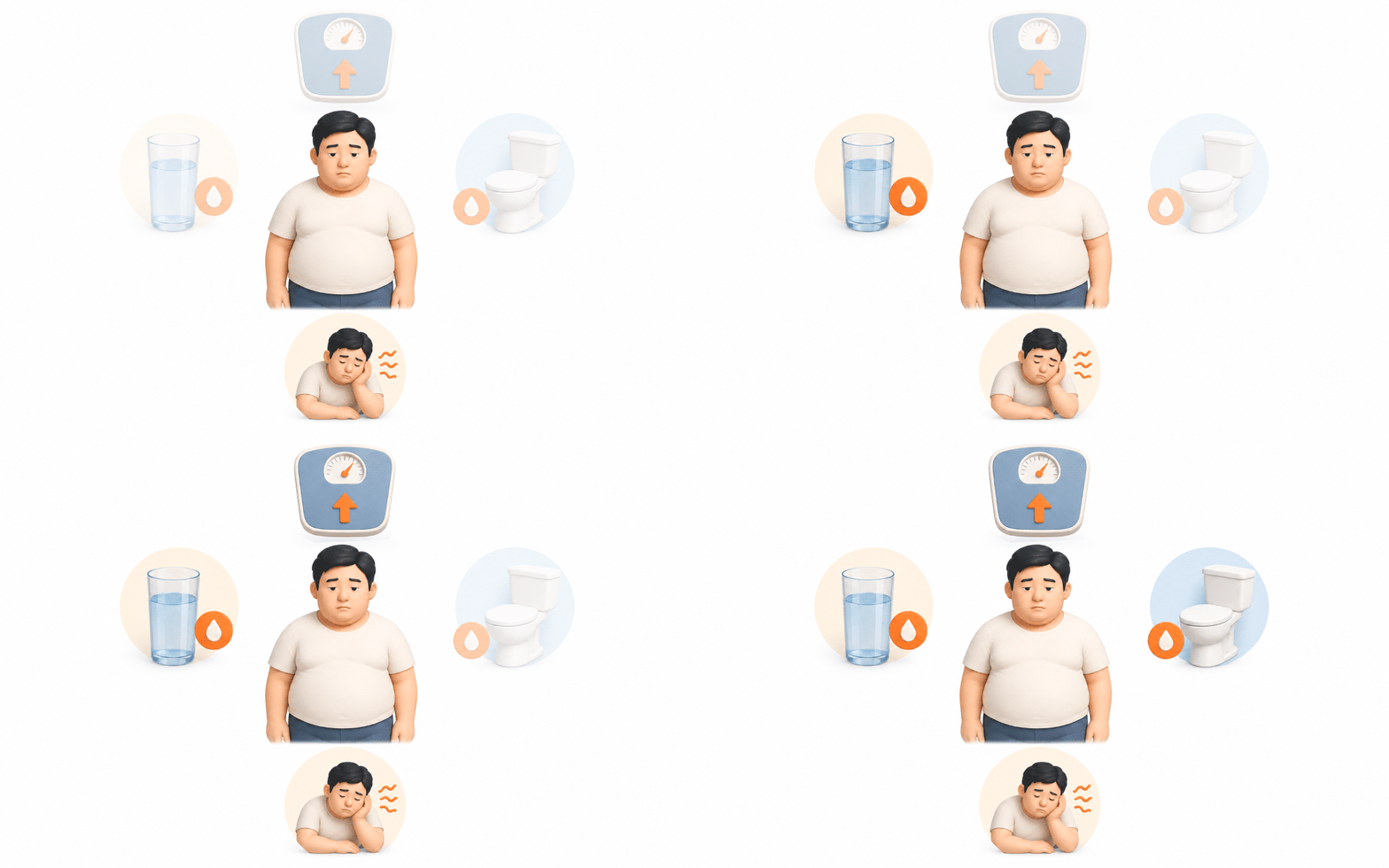
As visceral fat increases, insulin resistance can develop—meaning that even if the pancreas secretes insulin, the body’s cells respond less effectively. If you think of insulin as a key that opens the door to the cell, insulin resistance is like having the key but the door not opening well, leaving glucose in the bloodstream.
When blood glucose rises above a certain level, glucose is excreted into the urine, and water is lost along with it. This can increase urine volume and cause thirst. At the same time, if the body cannot use glucose efficiently as an energy source, fatigue and low energy may occur. If weight gain overlaps with thirst, frequent urination, and fatigue, it’s important not to rely on symptoms alone; checking your status with blood tests at a medical facility is recommended.
2. Do I need to look at waist circumference along with BMI?
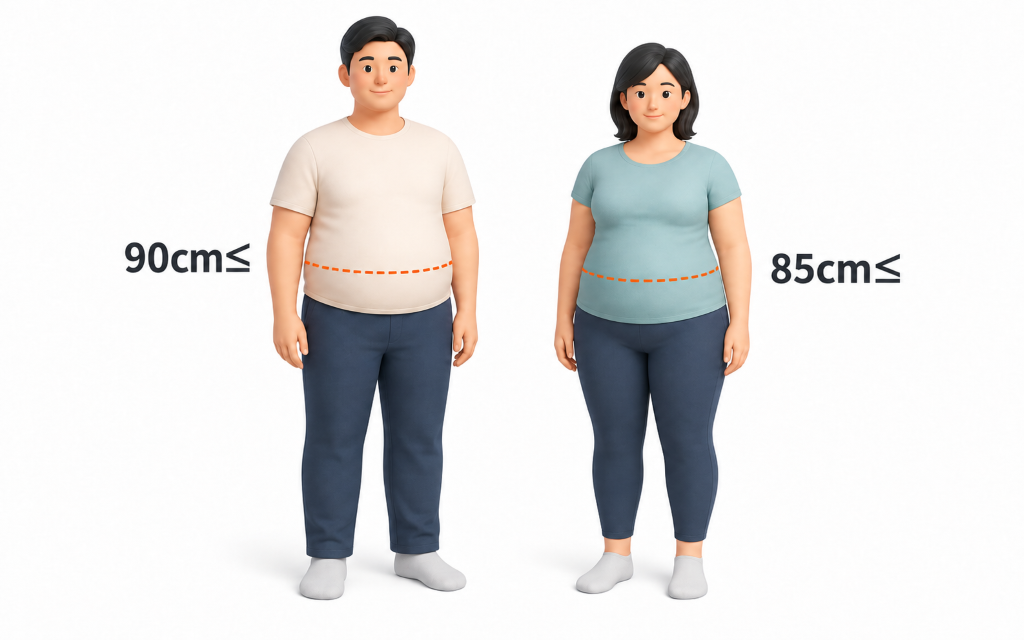
It is often noted that East Asians may have a higher proportion of visceral fat at the same body mass index (BMI) and may also have inherently more vulnerable pancreatic beta-cell function (which produces insulin). Therefore, even if a Korean individual’s weight or BMI is within the normal range, if abdominal obesity is present, it is important to also assess diabetes risk.
This is why checking waist circumference—rather than focusing only on the number on the scale—matters. Waist circumference is used as a criterion to identify abdominal obesity independent of weight or BMI. Abdominal obesity is defined as a waist circumference of 90 cm or more for men and 85 cm or more for women. Even at a normal weight, consistently monitoring and managing waist circumference is important.
3. What lab values are used to diagnose diabetes?
Diabetes is diagnosed through blood tests. A diagnosis is confirmed when any of the following are found on repeat testing or across two different tests: HbA1c of 6.5% or higher, fasting plasma glucose of 126 mg/dL or higher (after at least 8 hours of fasting), or a 2-hour plasma glucose of 200 mg/dL or higher on an oral glucose tolerance test.
In addition, if typical symptoms of hyperglycemia (weight loss, severe thirst, increased urination) are present and a random plasma glucose is 200 mg/dL or higher, diabetes is confirmed without additional testing.
The diabetes association recommends annual screening for adults aged 35 and older, and for adults aged 19 and older who have risk factors. Even if fasting glucose is normal, post-meal glucose can be elevated, so when needed, fasting plasma glucose and HbA1c can be checked together.
4. How much weight loss is helpful?

For patients with early-stage diabetes accompanied by obesity, losing about 5–10% of current body weight may help improve insulin resistance and blood glucose. However, extreme fasting to lose weight quickly can also reduce muscle mass, which may be unfavorable for long-term blood glucose management.
For middle-aged and older adults, it is important to lose weight in a way that prevents sarcopenic obesity and preserves muscle. Commonly suggested approaches include consuming adequate protein and combining aerobic exercise with resistance training. Weight loss should be planned not around the number alone, but around a sustainable method that preserves muscle. Because safe weight-loss targets can differ depending on underlying conditions, long-term planning is recommended over aggressive short-term loss.
5. What are the treatment options for diabetes with obesity?
In diabetes accompanied by obesity, medication can be considered along with lifestyle modification. Building on metformin, which is mentioned as a first-line therapy, GLP-1 injectable medications that help regulate appetite or SGLT2-class medications that promote urinary glucose excretion may be used, taking comorbid conditions into account.
For patients with severe obesity or those who are difficult to control with medical treatment alone, metabolic/bariatric surgery may also be considered as an alternative when certain BMI criteria are met. Because medications and surgery can involve gastrointestinal side effects or weight regain depending on the individual, treatment choices should be made in consultation with a clinician.
6. Frequently Asked Questions (FAQ)
Q. I’m drinking far too much water and going to the bathroom often—should I get tested?
If thirst and frequent urination appear along with sudden weight gain, it may be a signal related to high blood glucose. It is safer to check your current blood glucose status with fasting plasma glucose and HbA1c tests.
Q. My weight is in the normal range, but I carry fat only in my lower belly—can that still be risky?
Even at a normal weight, visceral fat accumulation in the abdomen can increase insulin resistance. It’s important to maintain a waist circumference below 90 cm for men and below 85 cm for women.
Q. To lose weight, do I need to completely cut out carbohydrates like rice or bread?
Completely eliminating carbohydrates as an extreme diet approach can lead to muscle loss and nutritional imbalance. Reducing net carbohydrate intake and building meals around dietary fiber and protein is recommended.
Q. If I just get obesity treatment injections, can I skip exercise and diet changes?
Obesity treatment injections or medications are not described as a substitute for lifestyle management. For long-term weight maintenance and prevention of complications, it is recommended to adjust eating patterns and combine them with regular exercise.
This health content has been reviewed by medical professionals, compiled from authoritative domestic and international sources, and is regularly updated in accordance with the latest clinical guidelines.
Sources
- Korean Diabetes Association, Clinical Practice Guidelines for Diabetes, 2023.
- Korean Society for the Study of Obesity, Obesity Clinical Practice Guidelines, 2023.
- Rhee SY, Chon S, Ahn KJ, Woo JT, et al. H-KDPS-related study, *Diabetes & Metabolism Journal*, 2021.
※ The copyright for all content on this blog belongs to medihi. Unauthorized copying, distribution, or derivative use is strictly prohibited, and violations may result in legal action without prior notice.