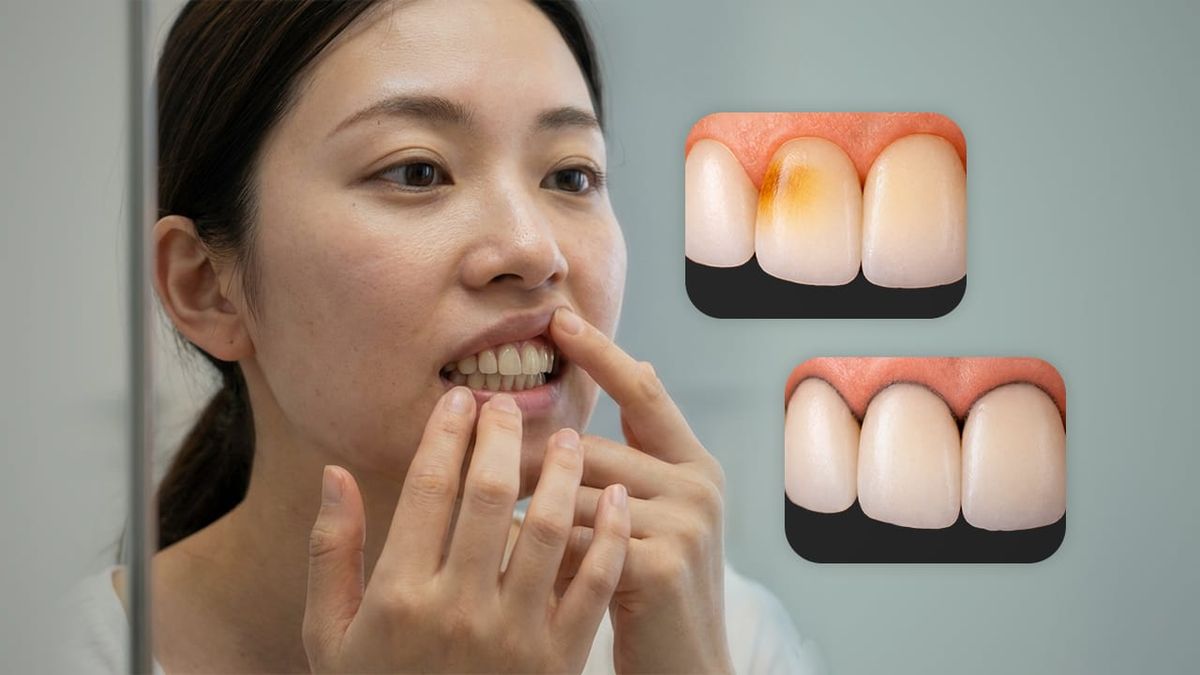

We compare resin fillings and veneer—two common treatments for gapped front teeth—from multiple angles, and recommend an approach tailored to your individual condition.
“My front teeth are quite spaced out, and it really bothers me. What treatment should I choose?”

Are you trying to decide between resin and veneer before treating your gapped front teeth? Concerns like “I heard resin falls off easily,” or “Veneer scare me because they shave down healthy teeth…” are completely understandable.
Rather than one option being universally better, the most suitable method depends on your dental condition and daily habits. Below, we’ll walk you through the differences between resin and veneer and recommend an option that fits your situation.
1. Wallpaper or tile? The key criteria for choosing a material
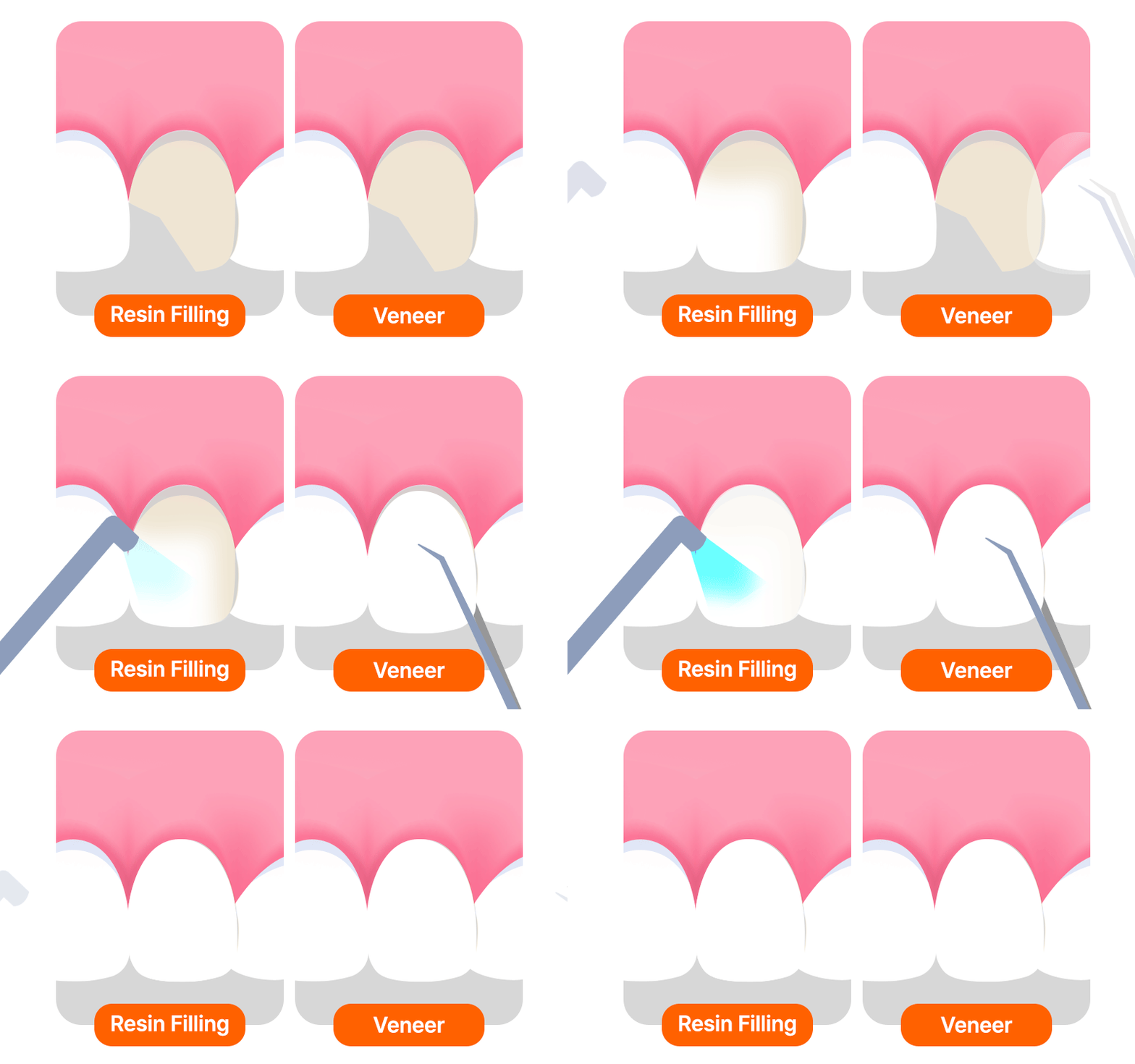
To make the difference easy to grasp, let’s use an interior design analogy. Resin is like “wallpaper,” while veneer are more like “tile installation.”
Resin (wallpaper) is quick and convenient, and it preserves the “wall” (your tooth) with minimal alteration. If you don’t like the result, it’s relatively easy to remove and redo. However, over time it may discolor—like wallpaper fading—or the edges may wear down.
Veneer (tile), on the other hand, have a smooth, hard surface. They resist staining well, so the original color and gloss tend to last longer. The trade-off is that to bond the “tile” evenly, some surface shaping of the “wall” (tooth) may be needed.
| Category | Resin | Laminate |
|---|---|---|
| Tooth Reduction | Generally none | Required depending on case (minimal reduction) |
| Aesthetic Maintenance | Discoloration and wear possible over time | Excellent retention of color and luster |
| Number of Visits | Possible in 1 visit | 2 or more visits (fabrication time required) |
| Ease of Repair | Partial repair is easy | Remaking required if fractured |
You may also be wondering about the most important factor: bonding strength. According to a recent clinical study (2024, *Materials*), the 2-year survival rates for direct resin and ceramic laminate veneer were about 93% and 95%, respectively—showing no major difference.
So, you don’t need to decide solely based on the idea that “resin falls off quickly.” That said, when it comes to long-term *surface quality* (staining, roughness), veneer tend to have an advantage—so your choice can reasonably depend on how well you can manage habits like coffee consumption or smoking.
2. If you’re afraid of “tooth reduction,” should you insist on no-prep in every case?
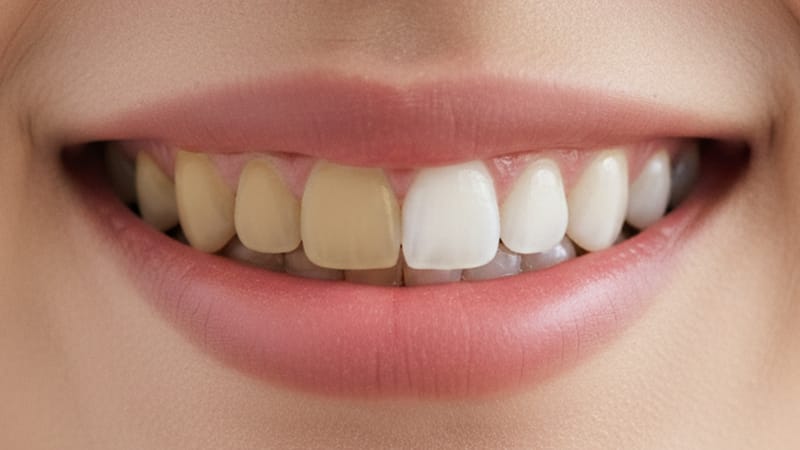
Many people prioritize “no-prep veneer” because they’re afraid of having teeth shaved down. But no-prep is not always the right answer.
Think about getting dressed. Clothes look natural when they fit your body (your teeth). But if your body is already larger or protruding (teeth are prominent/normal-sized) and you keep layering clothes on top, you’ll look bulky and feel uncomfortable.
Teeth work the same way. If your teeth are normal-sized or slightly protrusive, adding veneer without any reduction can make the teeth look more “stuck out” (a protrusive appearance), or create a thicker tooth–gum margin where food can get trapped and gum inflammation may occur. No-prep veneer tend to be suitable in the following situations.
✅ When no-prep veneer are a good fit
- When the teeth are naturally smaller than average (microdontia / peg laterals)
- When the teeth sit inward and added volume is needed
- When the space between teeth is wide enough to shape the result without reduction
If you don’t meet these conditions but insist on no-prep, the outcome can become unnatural and uncomfortable—like forcing yourself into ill-fitting clothes—and it may even compromise gum health.
3. Is filling the gap enough? If you don’t address the “cause,” it can reopen
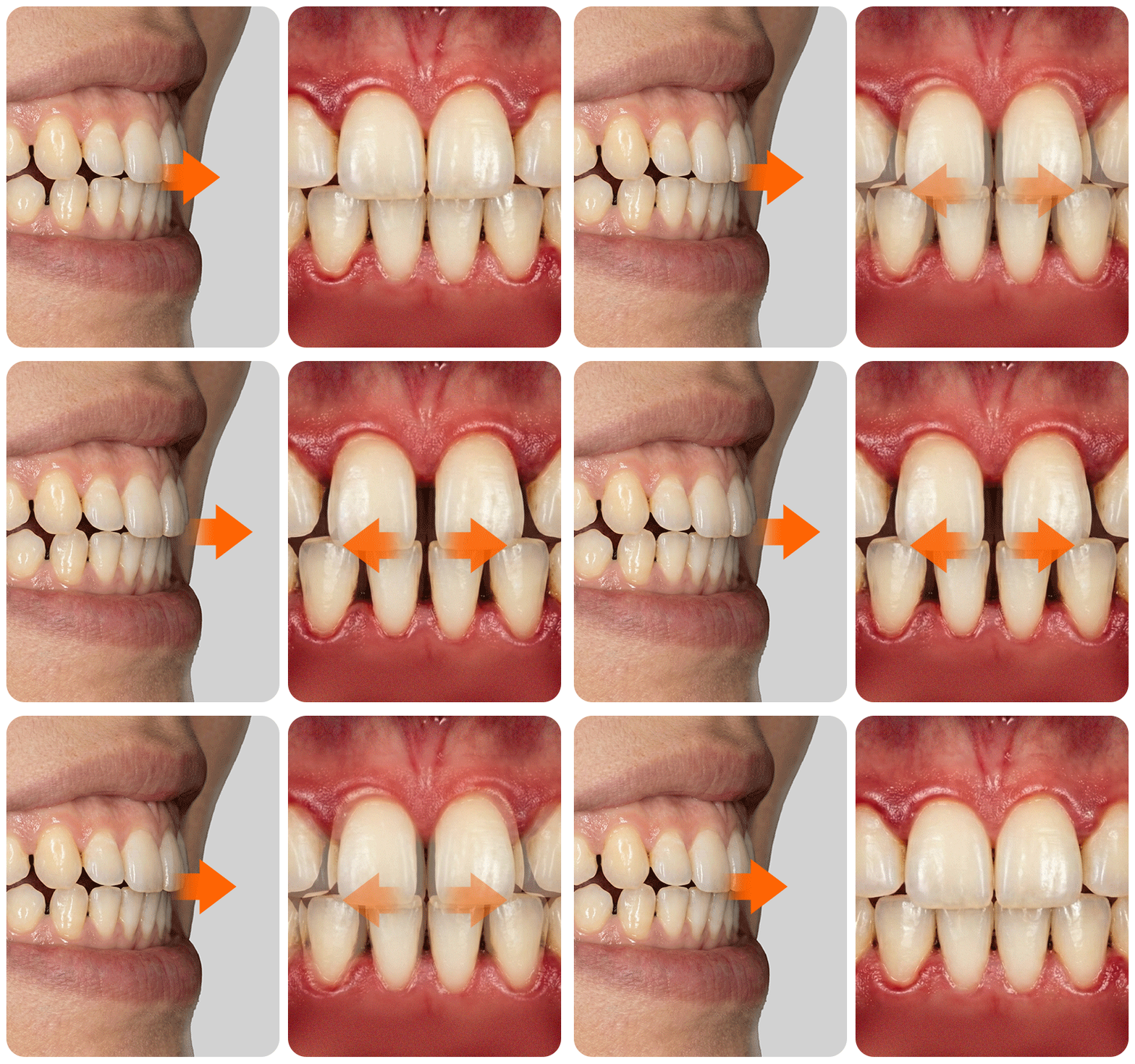
In reality, what matters most is not the material itself, but identifying why the space formed and how the teeth are aligned. Simply filling a gap is not technically difficult. But if you miss the root cause—such as gum disease or a tongue-thrust habit—the gap can return regardless of the material used, and the gums may be put under additional strain.
A gap between the front teeth (midline diastema) shouldn’t be dismissed as a purely cosmetic issue. It often involves multiple contributing factors, including habits and underlying conditions, so pinpointing the cause is essential to reduce the risk of recurrence.
If the gap feels like it’s gradually widening over time, extra caution is needed. This may indicate tooth movement due to weakened supporting bone from periodontal disease, or an unconscious habit of pushing the front teeth with the tongue. Just as a building collapses quickly on unstable ground, closing the gap with resin or veneer without addressing the cause increases the likelihood of restoration failure or the space reopening.
So before asking, “What should I use to fill it?” the right order is to get a diagnosis for why your front teeth separated, and to address periodontal treatment or habit correction first when needed.
4. Lifestyle habits that determine staining and chipping/detachment
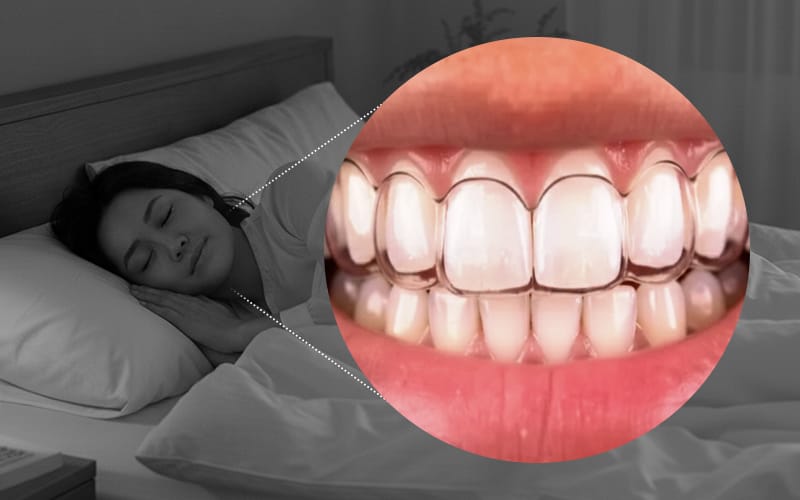
No matter which material you choose, the biggest factor that determines longevity is your “bite habits.”
In particular, if you grind or clench your teeth (parafunction), you need to be careful. Strong forces during sleep are a major cause of thin ceramic (veneer) cracking or resin wearing down. In such cases, it’s often wise to consider not only the restoration itself but also wearing an occlusal stabilization appliance (night guard) to help it last longer.
In the end, the choice depends on your “preferences” and “lifestyle habits.”
People who may benefit more from resin
- The gap is small (within about 2 mm) and the teeth are relatively well-aligned.
- Any tooth reduction feels absolutely burdensome.
- You don’t frequently drink coffee or smoke, and you can commit to regular dental visits for polishing/maintenance.
People who may benefit more from veneer
- The gap is larger, or you want overall improvements in tooth color, shape, and proportions.
- You want to maintain a brighter smile long-term with less concern about staining.
- If needed, you can accept minimal tooth shaping.
5. What about cost and treatment time?
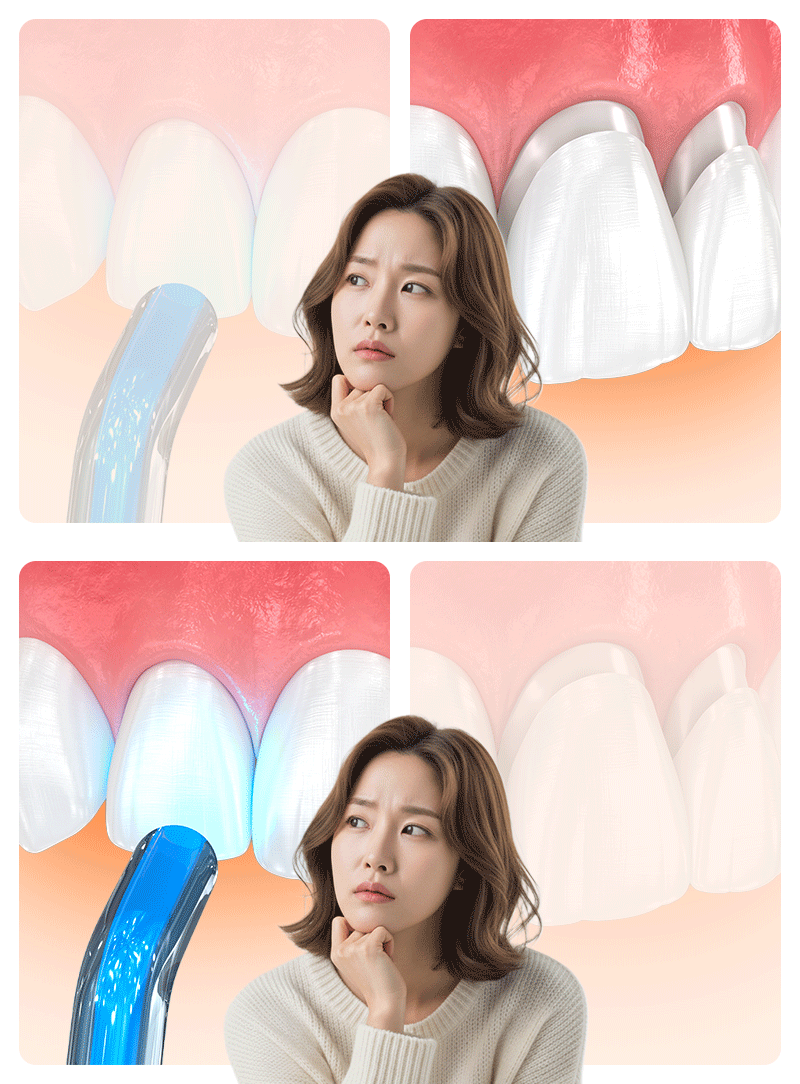
When deciding on treatment, cost and timeline are also important. If you’re treating gapped front teeth for cosmetic purposes without cavities, national health insurance coverage in Korea is often limited, so treatment is commonly provided as a non-covered service. Costs vary by clinic, materials used, and case difficulty—so be sure to confirm details clearly during consultation.
In terms of time, resin can often be completed the same day (in one visit), which can be convenient for busy professionals or international students. Veneer require a precise fabrication process, so you typically need two or more visits spaced about 1–2 weeks apart. If you have an important event coming up—like an interview or wedding—plan with enough buffer time to account for recovery and adjustment.
6.Frequently Asked Questions (FAQ)
Q. If my front-tooth gap is small, can resin be enough?
Yes. If the gap is small (roughly 1–2 mm) and your alignment is stable, resin can be an excellent first-line option. It avoids the burden of tooth reduction and is often more economical. However, resin can discolor over time, so regular maintenance is essential.
Q. Do veneer require shaving down a lot of tooth structure?
Compared to the past, current approaches generally aim for “minimal reduction” to preserve as much enamel as possible. The amount of reduction varies depending on your alignment and the target design, and in suitable cases, no-prep may be possible. The key is not “never shaving,” but achieving a fit that matches your teeth.
Q. I grind my teeth a lot—can I still get veneer?
Teeth grinding is one of the biggest risk factors for veneer fracture. Tell your clinician about the habit before treatment, ensure your bite is carefully adjusted, and if needed, wearing a protective appliance (night guard) during sleep is the safer approach.
Q. My gums aren’t in great shape—can I just fill the gap anyway?
It is not recommended. If you fill the gap while gum inflammation is present, inflammation can worsen and supporting bone may break down, potentially making the gap even larger. Gum treatment should stabilize the foundation first, followed by restorative treatment.

To treat gapped front teeth effectively, you should first identify the cause accurately, then choose the right material and method based on your situation, lifestyle habits, and the condition of your teeth and gums.
Rather than brushing it off as “It’s only a small gap,” or staying stuck in fear—“I might damage my teeth,” “I’m scared of treatment”—we recommend getting an accurate diagnosis. Understanding your dental condition is the first step toward regaining a healthy, confident smile.
Sources
- National Health Information Portal (Korea), medical information: aesthetic dental restorations and cosmetic dental procedures.
- Korean Academy of Conservative Dentistry, dental knowledge for the general public.
- Elkaffas et al., Randomized clinical trial on direct composite and indirect ceramic laminate veneers in multiple diastema closure cases, Materials, 2024.
※ The copyright for all content on this blog belongs to medihi. Unauthorized copying, distribution, or derivative use is strictly prohibited, and violations may result in legal action without prior notice.
Recommended reads
 medihi