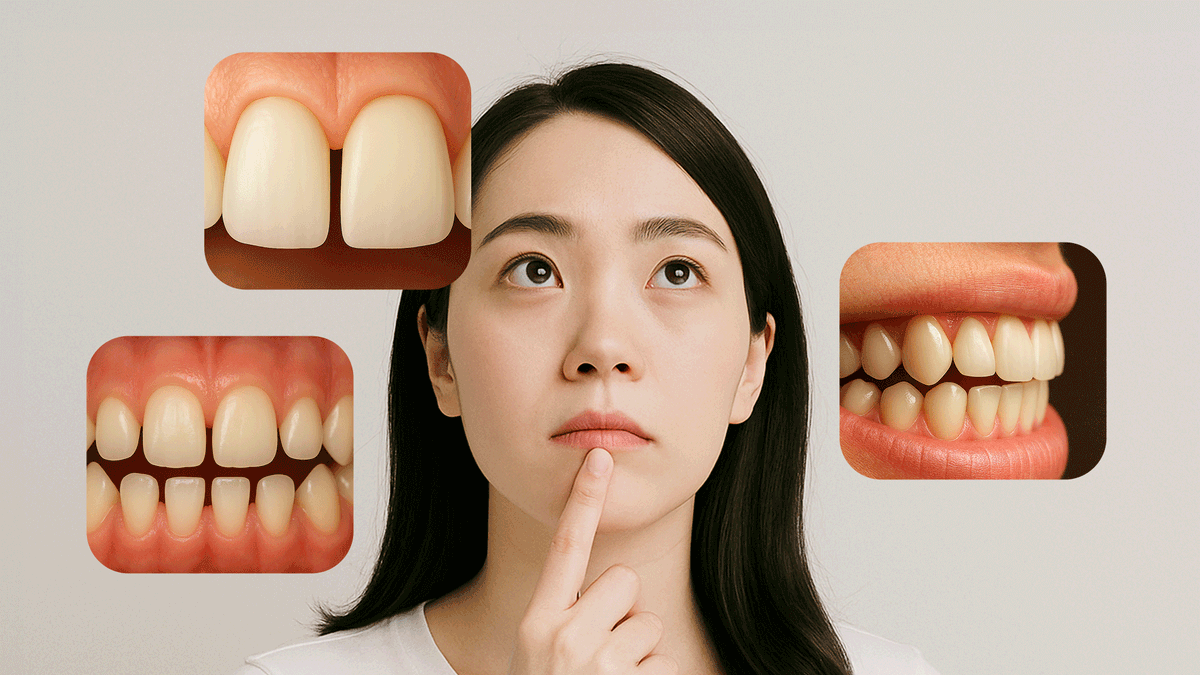

The success of laminates is determined not by the latest scanners, but by the patient's gum health and the amount of remaining tooth structure. While digital technology improves precision, it requires a healthy oral environment—free of inflammation and bleeding—to function correctly. Long-term durability depends on preserving the enamel through minimal-prep techniques rather than the equipment used. This guide explains how to evaluate your oral condition to ensure a successful digital laminate procedure
"I heard everything is digital now, so there are no errors. Can I really be at ease?"

This is a common concern raised by many patients sitting in the consultation chair. Since front tooth treatment is expensive and difficult to reverse once started, it is natural to feel anxious about making a decision based solely on the claim that "the machine handles everything."
This article does not recommend specific equipment or encourage blind faith in technology. Instead, we clarify the "actual conditions for digital laminate success" hidden behind advertising slogans. By understanding these criteria, you can judge for yourself whether a digital approach is advantageous for your oral health or if other treatments are required first.
1. Is Digital Scanning Necessarily More Accurate Than Traditional Impressions?
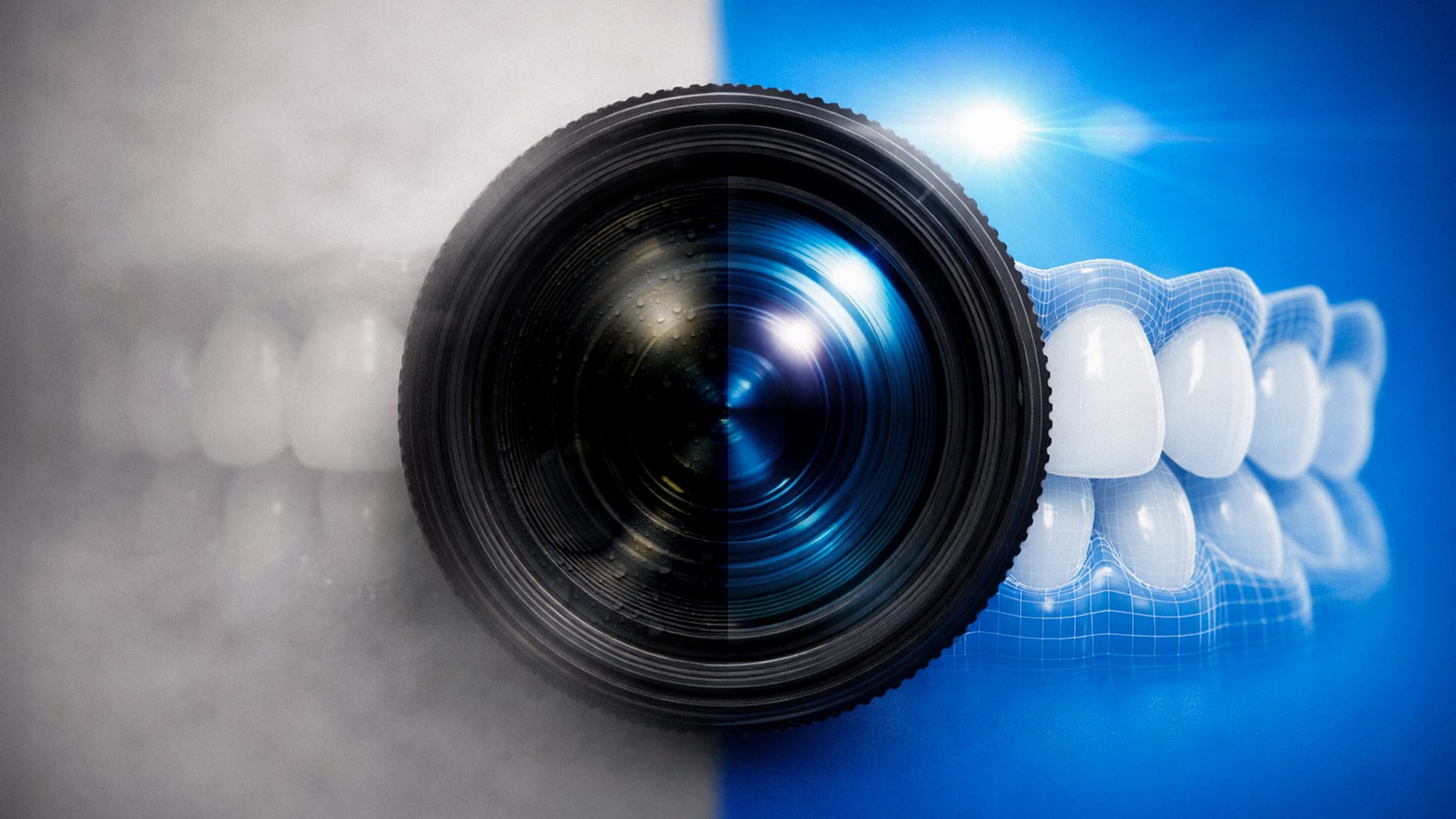
Laminate advertisements often highlight "precision without error through 3D scanners." Indeed, digital impression-taking is theoretically better at reducing errors than traditional rubber impression materials because there is no deformation caused by material shrinkage during hardening. However, there is a critical prerequisite.
Understanding the principle of digital scanners makes judgment easier. An intraoral scanner is essentially like a high-performance camera.
No matter how good a camera lens is, you cannot get a clear photo if there is thick fog in front of the subject. In the mouth, saliva and blood act as this "fog." If there is bleeding due to gum inflammation or accumulated saliva, the light scatters, preventing the scanner from accurately reading the boundary (margin) between the tooth and the gum.
On the other hand, viscous rubber impression materials can push away blood and saliva through physical pressure to capture the shape. Therefore, in poor conditions with significant bleeding, the analog method may actually be less inaccurate. However, in such situations, any method is likely to produce inaccurate results.
In short, the claim that "machines are more accurate" is only half true. To fully enjoy the precision of digital technology, creating a "blood-free environment" through scaling or gum treatment before scanning is far more important than the machine's technical specs.
2. Why Your Gum Health Dictates the Success Rate of "Digital"
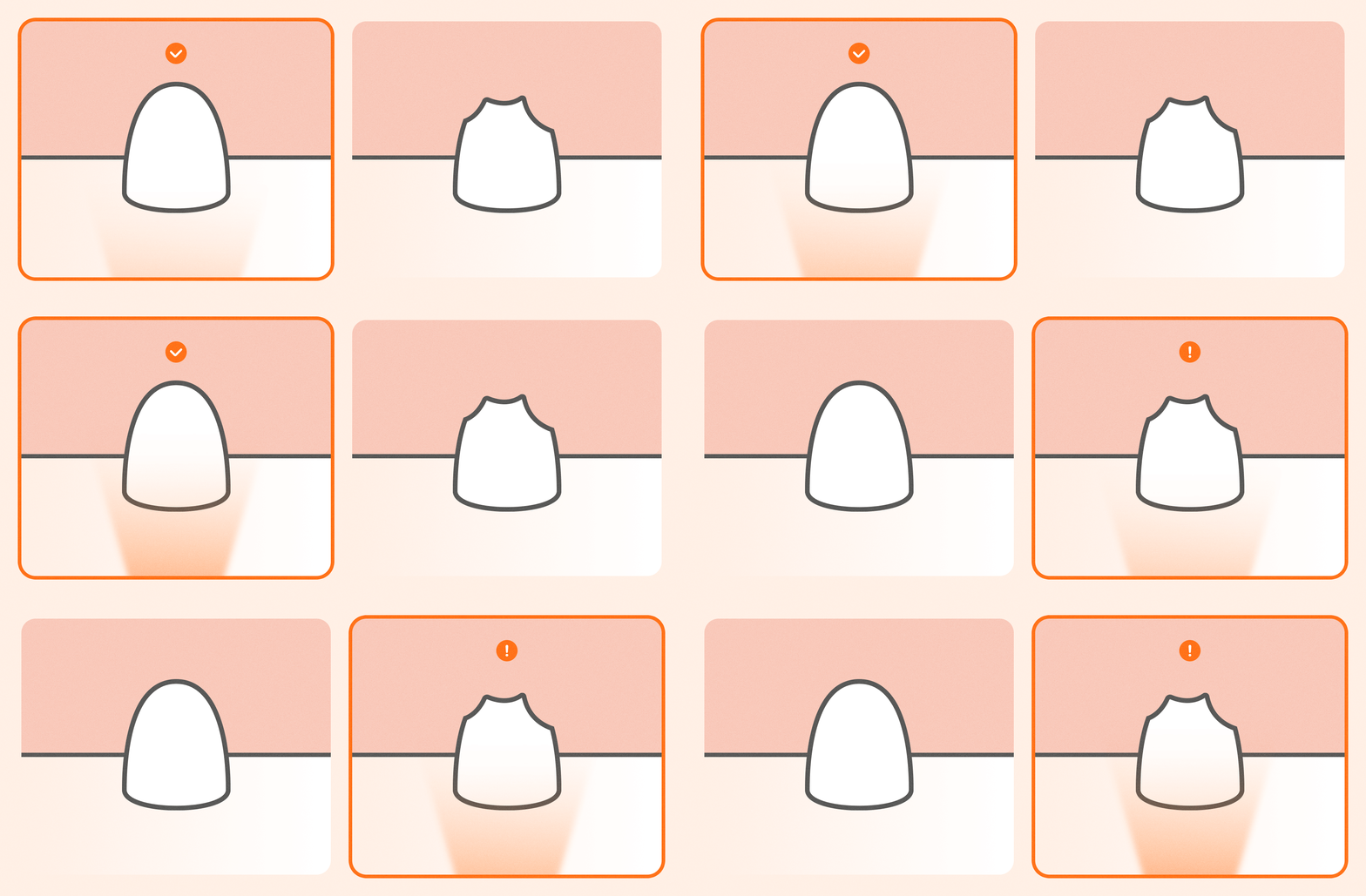
Is your gum health suitable for a digital approach? Choosing an approach that fits your specific situation leads to better results than blindly insisting on the latest method. The criteria for selection are the location of the laminate margin and the health of the gums.
If the laminate margin is exposed above the gum line, digital scanning is highly advantageous. The scanner’s light can perfectly read the tooth shape without interference. Additionally, digital methods are an excellent alternative for patients with a severe gag reflex who find it difficult to tolerate impression materials in their mouths.
Conversely, caution is needed if the laminate margin must go deep below the gum line or if the gums are so swollen they bleed at the slightest touch. In these cases, rather than forcing a scan, one should resolve the inflammation through gum treatment and ensure complete bleeding control before taking an impression. It is the same logic as waiting for the fog to clear before pressing the camera shutter.
3. How to Use DSD (Digital Smile Design) to Prevent Results That "Don't Look Right"
"What if I don't like the result after everything is finished?"
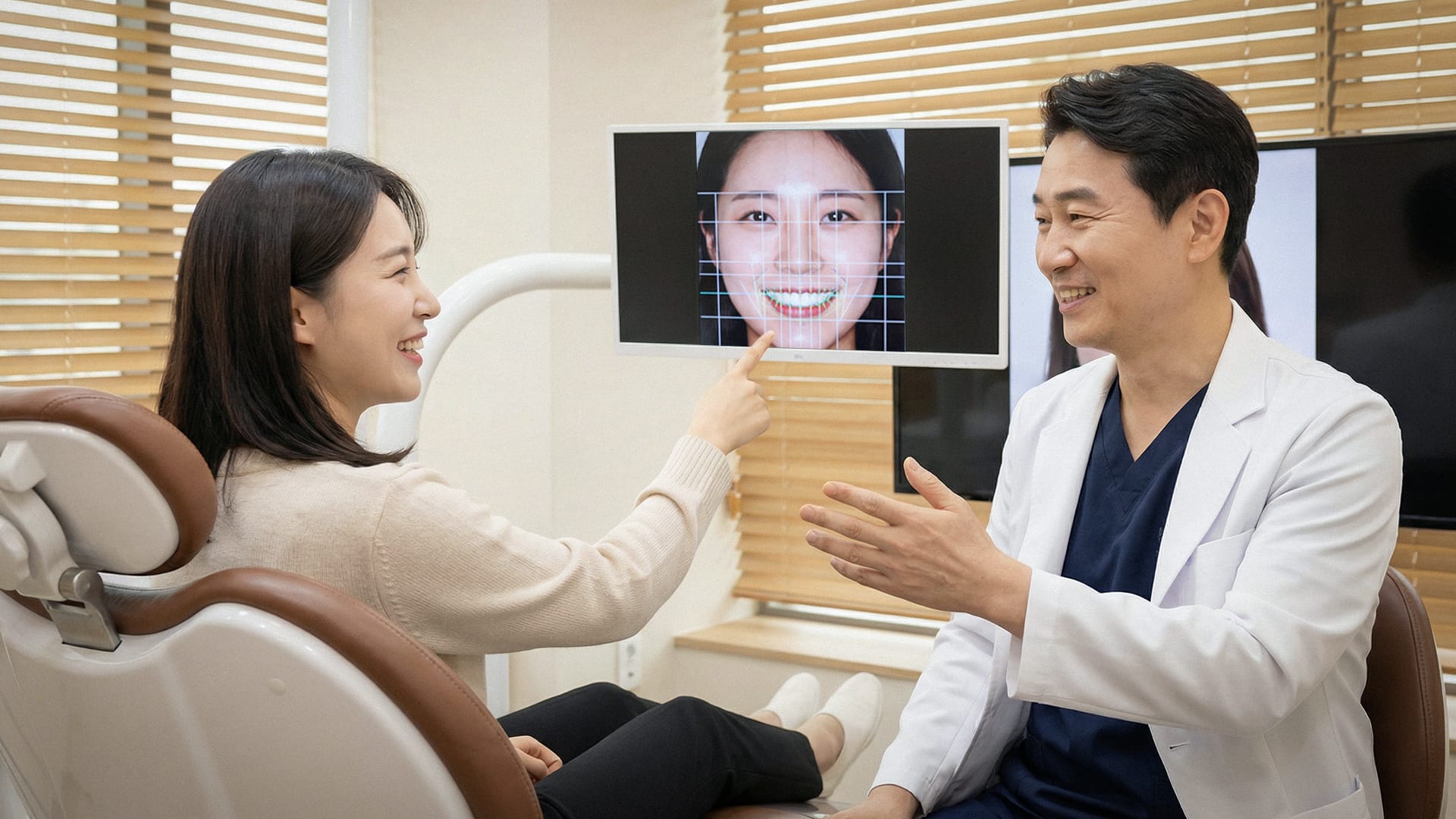
What patients fear most, alongside functional side effects, is "aesthetic dissatisfaction." This is where "Digital Previews" and "Laminate Mock-ups," core parts of the digital workflow, play a major role.
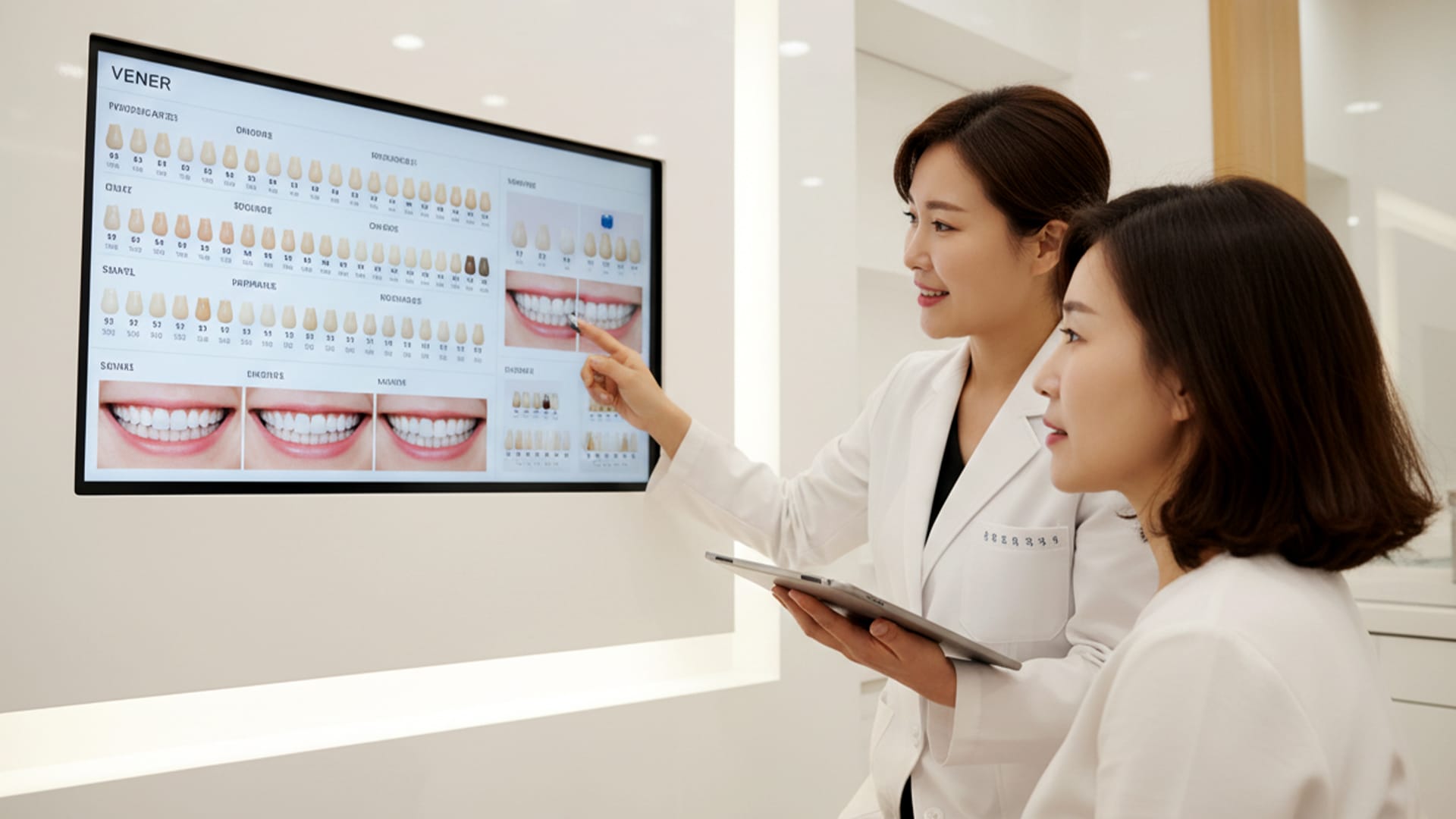
This process is like using a fitting room before buying clothes. By combining facial photos with 3D tooth data, we simulate the tooth length, width, and proportions that suit your face. The key is that you don't just see it on a screen; you can actually place a temporary model in your mouth and see how it looks when you smile.
At this stage, patients can provide specific feedback, such as "I think the teeth look too square" or "I would prefer a more natural color." It is a process of narrowing the gap between the image in the patient's mind and the design the doctor envisions. However, since a digital preview is a simulation, one must consider that the transparency or light reflection of the actual ceramic material may not be replicated with absolute precision.
4. Why Enamel Preservation Outweighs Scanner Brand for Longevity
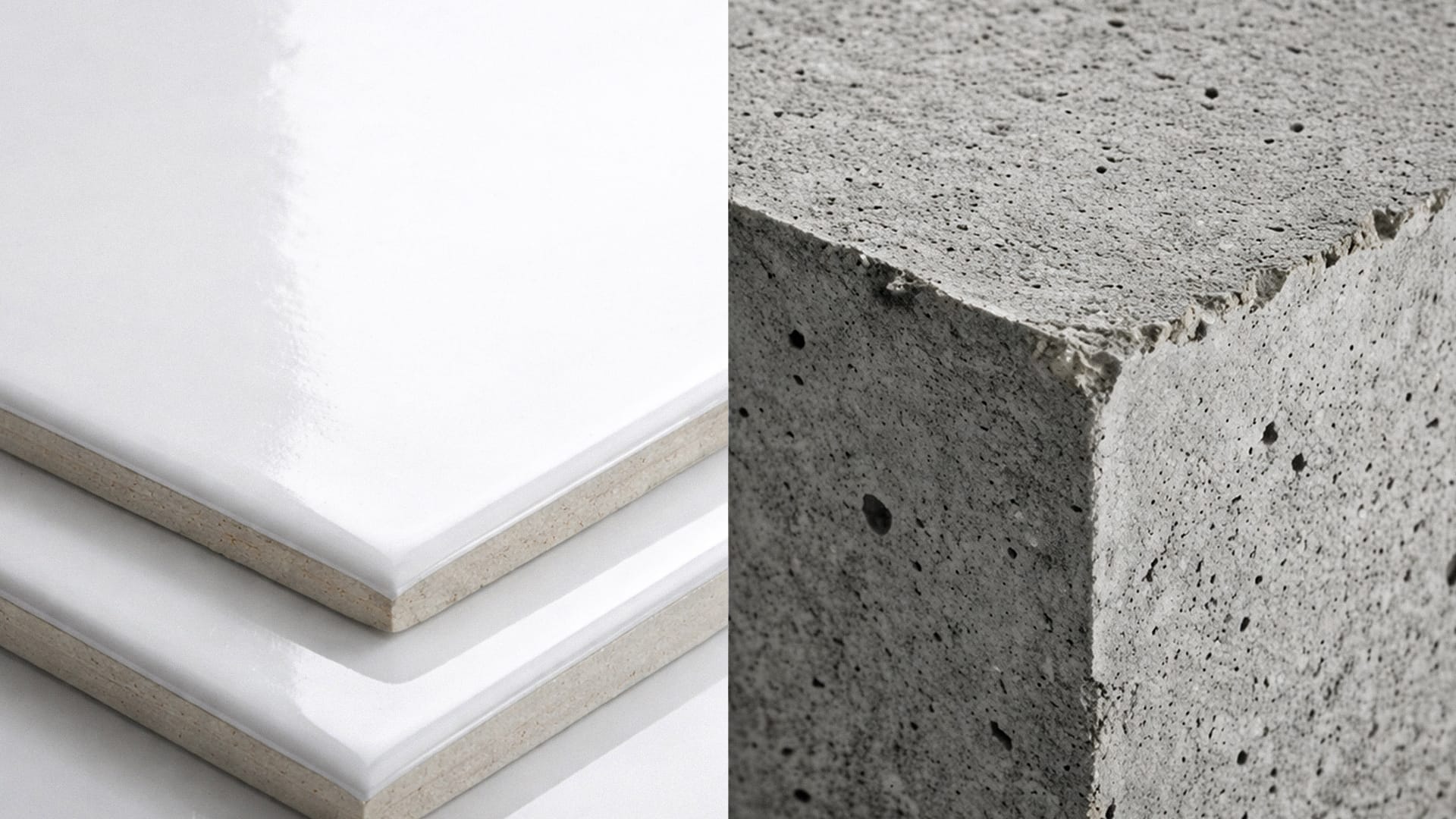
Regardless of whether the method is digital or analog, "bonding" is the most critical factor for ensuring laminates do not fall off or break. And the strength of this bond is determined not by the scanner, but by the skill of the medical team.
Comparing tooth structure to building materials makes this easier to understand:
- Enamel (Outer layer): Smooth and hard, like "bathroom tiles."
- Dentin (Inner layer): Porous and crumbly, like a "cement wall."
Laminate adhesive bonds strongly to smooth tiles (enamel), but the bonding strength drops significantly when the rough cement wall (dentin) is exposed. The more a tooth is ground down to expose the dentin, the higher the risk of the restoration falling off and the greater the likelihood of sensitivity.
Digital technology can serve as a "guide" to reduce unnecessary tooth reduction through precise design. However, the final decision on how much to trim and the manual refining process remains the responsibility of the medical professional. Therefore, it is far more important to check if the medical team follows a "minimal-prep protocol" that maximizes enamel preservation rather than looking at equipment specifications.
[Items to check during your consultation]
- Is no-prep or minimal-prep possible to preserve enamel in my condition?
- If dentin is exposed due to necessary reduction, is there a specific treatment to enhance bonding?
- Do you use a digital guide to determine the extent of tooth reduction?
5. One-Day Laminates: Does Speed Equal Quality?
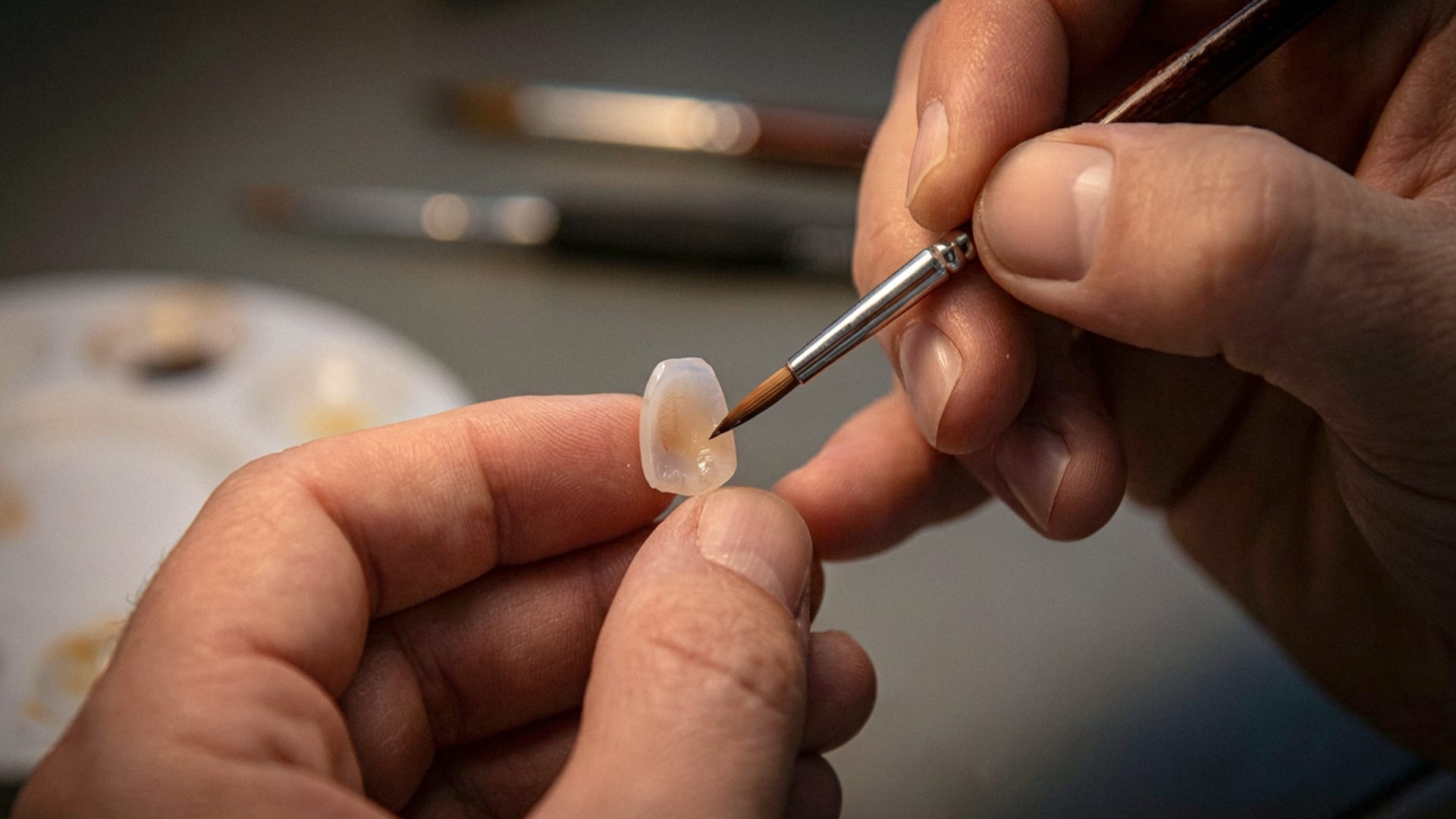
For busy professionals or those living abroad, "One-Day Laminates," where treatment is completed in a single day, are incredibly appealing. Using 3D scans and in-office milling machines, it is technically possible to manufacture restorations in just a few hours. However, "speed" does not always mean "perfection."
Restorations freshly milled from a machine may have monotonous colors and rough surfaces. Sufficient time for "precision finishing"—where the restoration is manually refined and colored to match surrounding teeth—is required for a natural result.
Furthermore, checking the micro-occlusion (bite) after the anesthesia wears off is essential. Focusing only on finishing quickly may lead to missing occlusal interferences, which can cause the restoration to fracture prematurely. Even if the procedure is completed in one day, you should check if there is a follow-up schedule to monitor gum response and occlusion a few days later.
6.Frequently Asked Questions(FAQ)
Q.My gums bleed often. Is digital scanning impossible?
It is not impossible, but there is a high risk of decreased accuracy. Blood and saliva act like "fog" that obstructs the scanner's light. Rather than rushing, it is better to stabilize the gums through scaling or gum treatment before scanning to ensure a precise, gap-free restoration.
Q.If I grind my teeth, will digital laminates also break?
Yes. Digital methods improve precision but do not grant the material infinite strength. Teeth grinding is a leading cause of laminate fracture. If you have a grinding habit, you must inform your doctor and either wear a protective device (night guard) or select a high-strength material.
Q.Is the digital preview screen identical to the final result?
A digital preview is a "blueprint" and "simulation" for setting goals. While the overall proportions, length, and smile line are implemented very similarly, there may be subtle differences in color on the monitor compared to the transparency and texture of actual ceramic. It is best used as a communication tool with your medical team.
Q.When is a consultation or visit absolutely necessary?
If you have developed a habit of covering your mouth when smiling due to the shape or color of your front teeth, or if the gums around an existing restoration have turned dark or emit an odor, a consultation is needed. Particularly if gum swelling recurs, you should receive an exam to ensure you don't miss the appropriate time for restoration replacement.
Digital laminates are certainly a wonderful tool that reduces uncertainty in dental treatment. However, the core criteria for a successful outcome can be summarized in three points: First, a "healthy gum environment without bleeding" must precede any equipment like a scanner. Second, "your expectations and medical limitations" must be sufficiently aligned with your doctor through digital previews. Third, for long-lasting bonding, you must verify if "minimal-prep that preserves enamel" is possible. Do not be intimidated by flashy advertisements or machine names. Use the criteria you learned today to ask calm questions during your consultation. When you meet a medical team that accurately understands your body's condition and adheres to principles, digital technology will finally become the most powerful weapon in completing your bright smile.
Sources
- Korean Academy of Prosthodontics, Guidelines for Fixed Prosthodontics, 2022.
- Joda T, et al. "Time efficiency and cost analysis of digital versus conventional workflows for fixed prosthodontics." Journal of Dentistry, 2016.
- Magne P, Belser U. Bonded Porcelain Restorations in the Anterior Dentition: A Biomimetic Approach, Quintessence Publishing, 2002.
※ The copyright for all content on this blog belongs to medihi. Unauthorized copying, distribution, or derivative use is strictly prohibited, and violations may result in legal action without prior notice.
Recommended reads
 medihi