

This post analyzes the causes of gum inflammation and bleeding that can occur after veneer treatment and organizes clear criteria to help you decide whether re-treatment is actually needed.
“I finally went through with the procedure, but my gums feel swollen and they’re bleeding.”
“Could something have gone wrong with the treatment?”
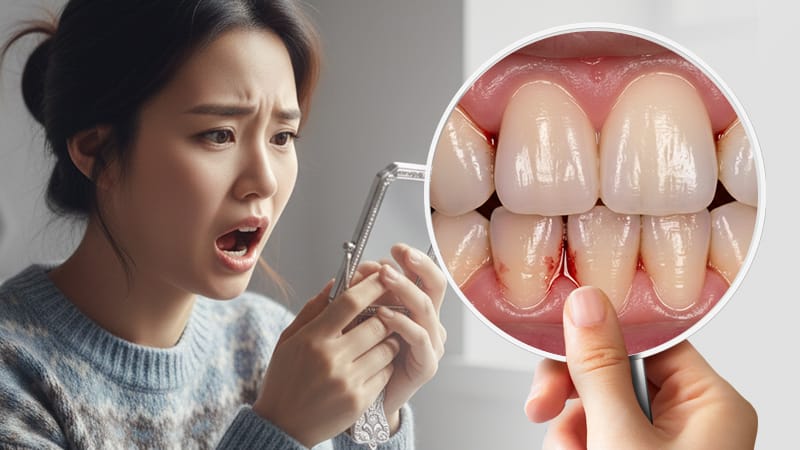
After getting veneers, many people become anxious if they notice even a small amount of gum bleeding or any pain, wondering whether the procedure was done incorrectly. However, this does not automatically mean you need to panic or seek immediate re-treatment. The first step is to identify the cause of the symptoms accurately and calmly.
Below, you’ll learn how to interpret the signals your gums are sending—and how to respond appropriately to maintain healthy, attractive gums.
1. Signs You Need a Veneer Replacement
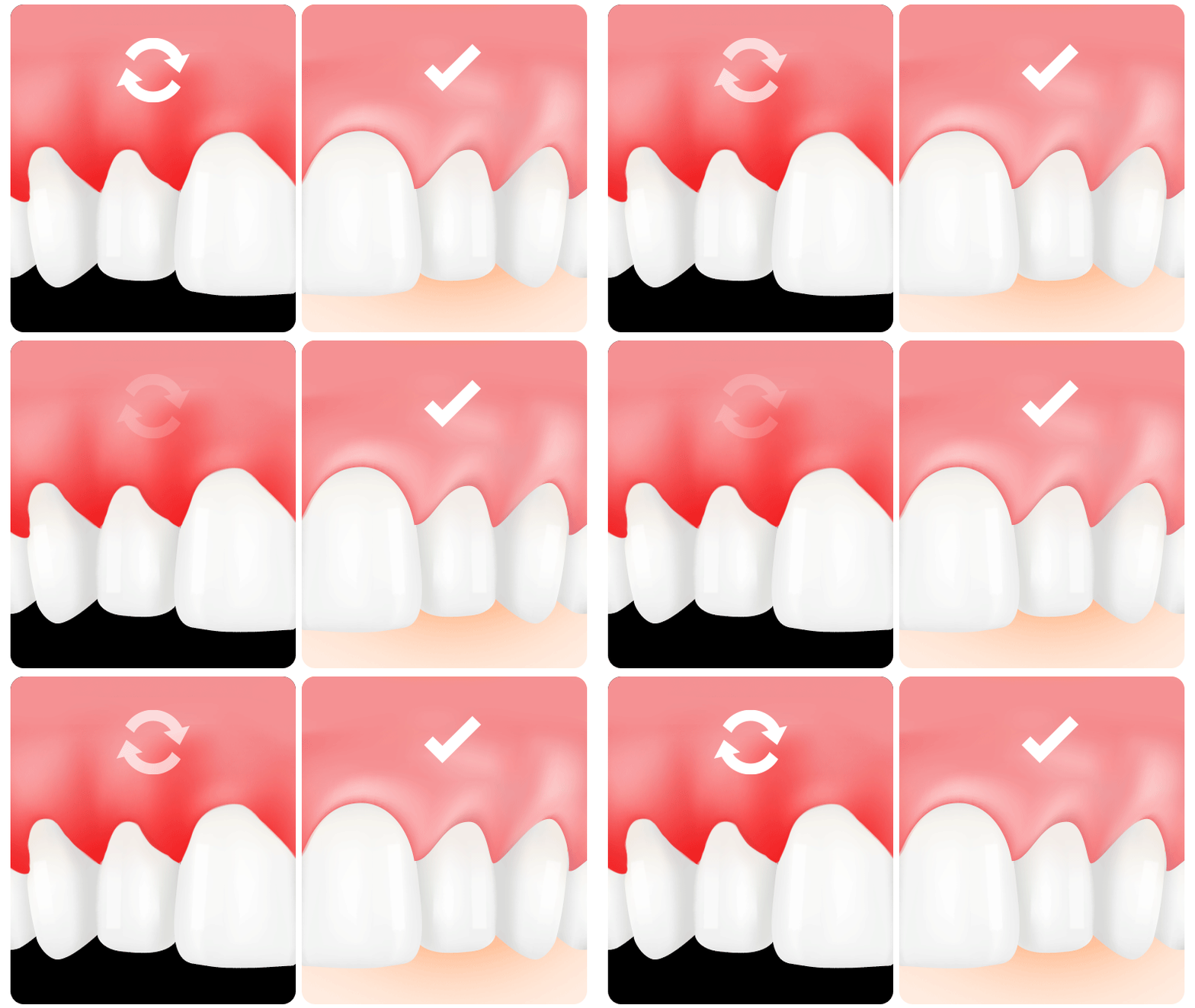
Gum inflammation and bleeding after veneers do not necessarily mean re-treatment is required.
If your gums are only mildly swollen for a short period—about 2 to 4 weeks—symptoms often improve with better oral hygiene alone, such as proper brushing and professional scaling. Gum tissue has strong healing capacity, so once causes like plaque and tartar are removed, inflammation can decrease and the gums may return to a healthier state.
However, if swelling, bleeding, and redness along the margin persist for more than 4 weeks, and a dental exam confirms poor margin fit (Gap or Overhang), hygiene measures alone typically will not resolve the issue. In that case, it may be appropriate to consider re-treatment or contour adjustment.
Just as wearing uncomfortable shoes can make your heel hurt and cause skin to rub raw, an ill-fitting restoration that continuously irritates the gums can contribute to gum recession or negatively affect periodontal health.
2. Why Gums Become Red and Bleed After Veneers
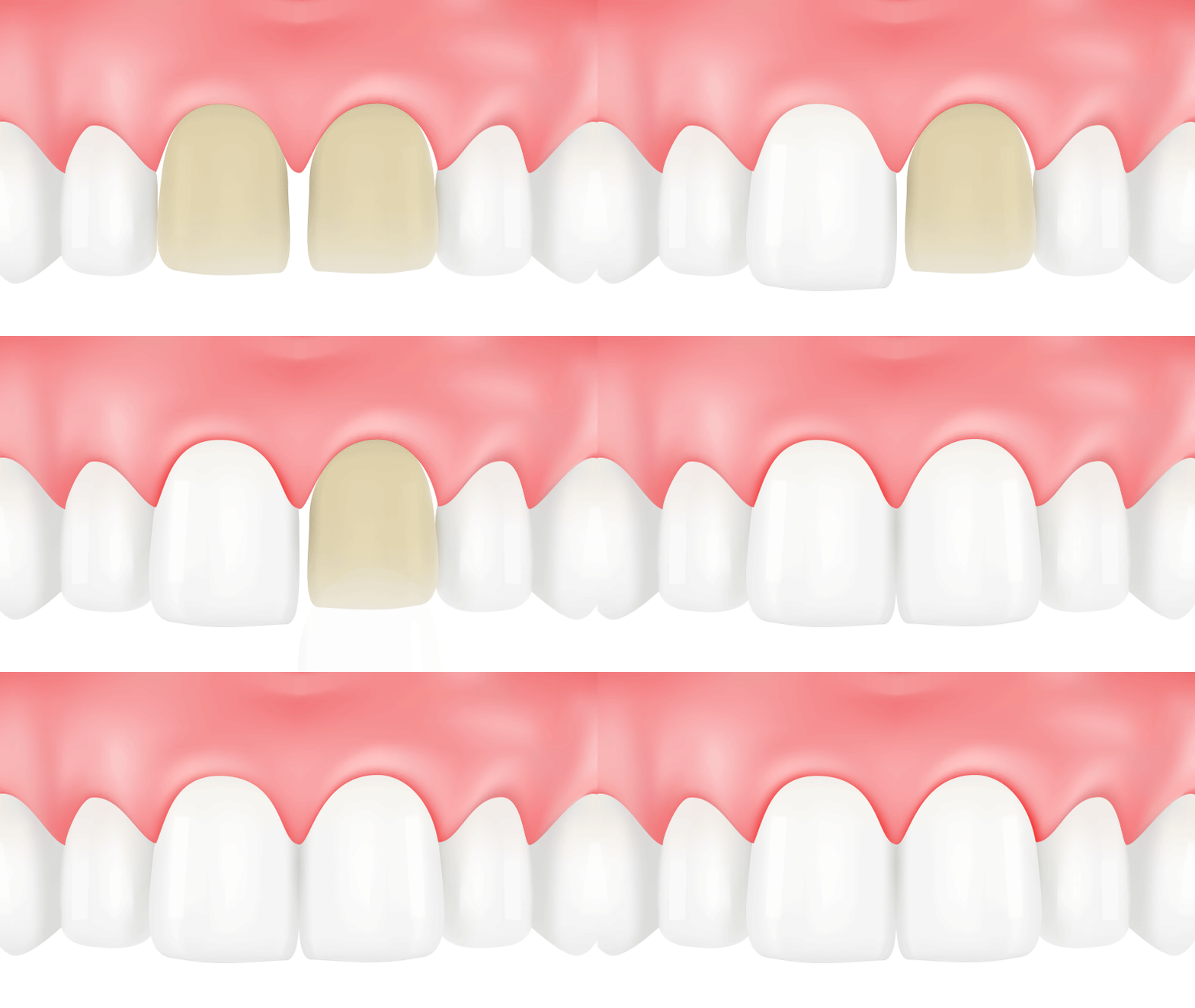
After veneers, your gums can be compared to skin wearing a brand-new shirt for the first time. Just as a stiff new collar may rub your neck and cause temporary redness or stinging, the first few weeks after the procedure can involve a natural adaptation and healing process during which temporary bleeding, swelling, or redness may occur.
However, not all symptoms should be dismissed as “normal adjustment.” If symptoms persist beyond the expected healing window, it may not be adaptation—it could be a “gap” issue where the gum and the edge of the veneer do not fit well, namely poor margin fit (Gap or Overhang).
It is similar to a shirt collar that is either too tight and constricting, or too loose and allows debris to get in. If bleeding occurs only in a specific spot, there is a higher chance that a tiny ledge at the restoration margin or leftover adhesive (residual cement) is causing irritation.
3. Margin Fit and Biological Width: Key Factors for Gum Health
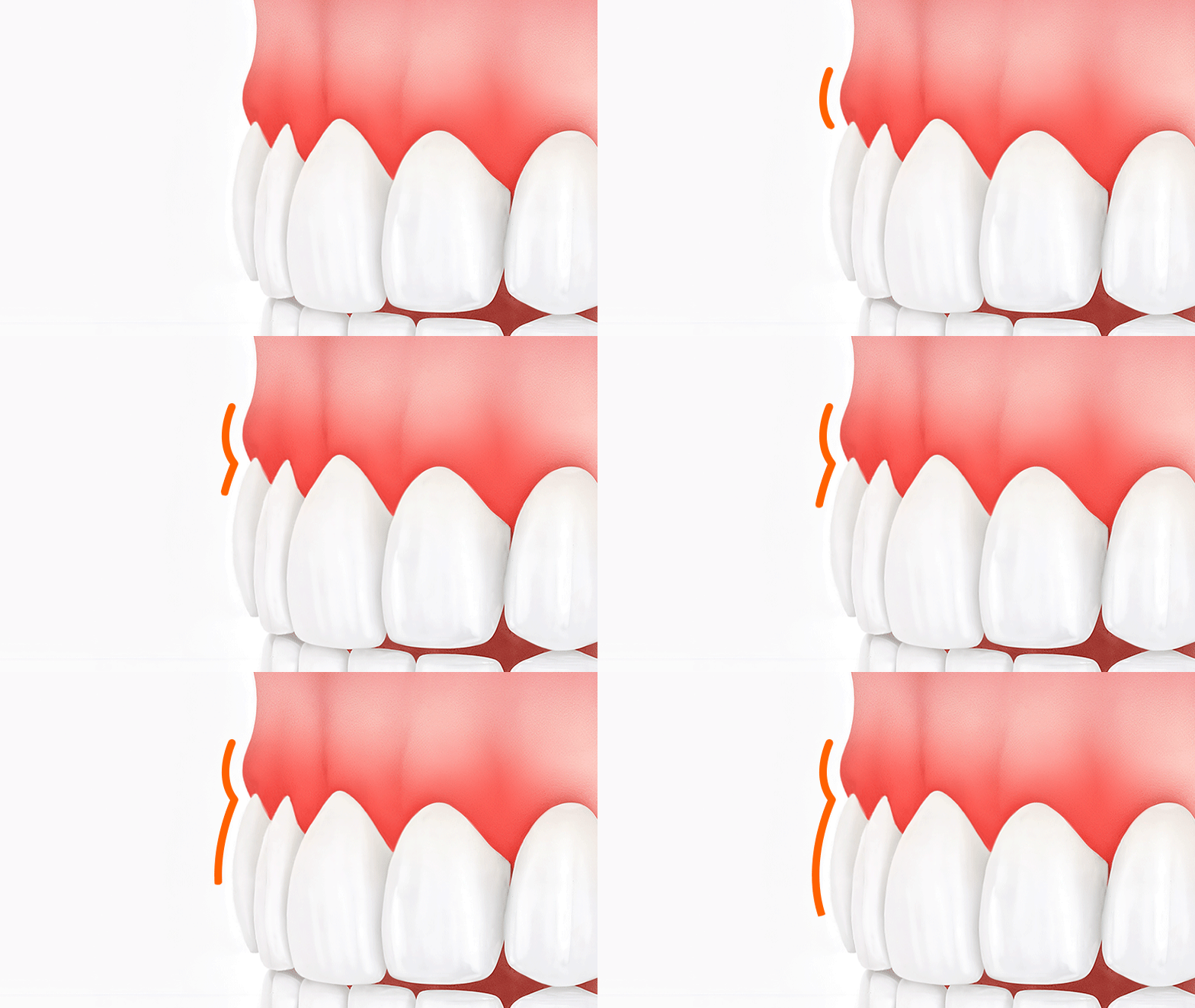
Margin fit (Margin Fit) is one of the most important factors determining gum health. It refers to how smoothly the edge of the veneer connects to the natural tooth.
Just as it feels comfortable when a shirt collar lies smoothly against the skin without lifting, an ideally completed veneer should feel smooth at the junction—without a “catch” sensation when you lightly run a fingernail across it.
If this junction is not precise, the restoration may protrude beyond the tooth, creating a step-like ledge. In the shaded area beneath that ledge, bacterial biofilm (plaque) can accumulate, creating a hard-to-clean blind spot that may lead to inflammation and cavities.
✅Margin fit checklist
- When I gently run my fingernail along the gumline, I feel a “ledge” catching.
- When I floss, the floss tears or catches at a specific spot.
- After brushing, the gum margin looks dark red rather than a healthy bright pink.
Biologic width issues occur when, for aesthetic reasons, the restoration margin is placed too deep under the gumline and ends up invading the “space the gums need to stay healthy” (biologic width). When this space is compromised, chronic redness and swelling can appear.
4. Why Do Gums Look Dark Around Veneers?
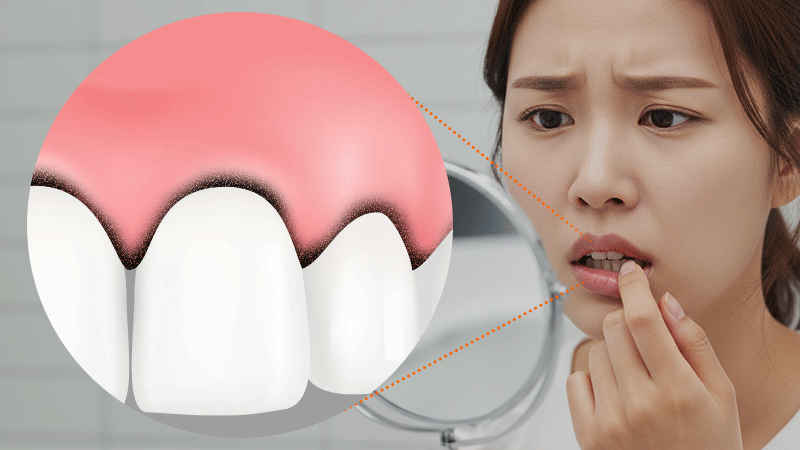
After veneers, some people notice dark discoloration around the gumline near the margin. Many assume the restoration material is to blame, but since most veneers are made of metal-free ceramic (porcelain), it is uncommon for the material itself to darken the gums. In many cases, the real cause is related to gum condition or underlying structures.
- Gum inflammation and congestion
When inflammation causes blood circulation to stagnate, the gums can turn a dark reddish color. With appropriate gum treatment and scaling, swelling may subside and the color can improve.
- Shadowing effect
As the gums recede slightly, an empty space can form between the tooth root and the restoration, creating a shadowed appearance.
- Natural tooth color
If the natural tooth has been root canal treated or is discolored, its color may show through a thin veneer and translucent gum tissue. If the dark reddish color deepens for more than 2 weeks, or if swelling and pain accompany it, it may indicate worsening inflammation rather than simple discoloration—so it is advisable to get a clinician’s evaluation.
5. Should You Avoid Dental Scaling After Veneers? NO!

One common misconception is: “If I get scaling, the restoration will get scratched or fall off.” Because of this, some people delay scaling and end up worsening gum disease.
That is like “not washing your car because you are afraid the paint might peel.” Just as regular car washes help keep a car clean and in good condition, regular scaling to remove tartar buildup along the margins is important for maintaining veneers over time.
Of course, care is needed to avoid damaging the restoration. If you tell the dental team in advance that you have had veneers, they can use specialized instruments (such as carbon-fiber tips) or hand instruments to precisely clean along the margins without causing damage.
If you have no particular symptoms and you brush thoroughly, once a year—within the coverage limit of national health insurance—may be sufficient. However, if you smoke, have diabetes, frequently experience bleeding when brushing, have dry mouth, or tend to build tartar easily, more focused care every 3 to 6 months is recommended.
6.Frequently Asked Questions (FAQ)
Q. How long does gum bleeding last after getting veneers?
For the first few weeks after the procedure, temporary bleeding can occur as the gums heal. However, this varies widely by individual, so it is better to focus on symptoms rather than a fixed timeline. If bleeding repeatedly occurs in only one area or is accompanied by pain, it is a good idea to check for residual cement or evaluate the margin fit.
Q. Can I use an interdental brush instead of dental floss?
Interproximal care between teeth is key for veneers. Floss is helpful for removing plaque deeper near the gums, while interdental brushes are effective when the spaces between gums are wider. If possible, using both together can help thoroughly remove debris around restoration margins. However, forcing an overly thick interdental brush can injure the gums, so choose the size carefully based on your individual condition.
Q. My gums have receded and the margin is visible. Do I need a replacement?
Even if the margin becomes visible due to gum recession, it does not necessarily cause an immediate functional problem. However, if it bothers you aesthetically or if the exposed root feels sensitive, you can discuss options with your clinician, such as resin filling or re-treatment.
Q. When should I consult a dentist?
If gum bleeding continues despite conservative care, if the color turns dark red and does not return to normal, or if you feel your bad breath has worsened, we recommend visiting the clinic to check the restoration condition and gum health.

The key to maintaining healthy gums after veneers is consistent care and accurate cause-finding.
If chronic inflammation does not improve even with proper brushing and professional care like scaling, consult with a clinician to identify the underlying cause. Rather than relying on vague anxiety, a precise check-up and appropriate treatment plan can better support long-term gum health.
Sources
- Korea Disease Control and Prevention Agency (KDCA), National Health Information Portal, Causes and Prevention of Periodontal Disease, 2023.
- Health Insurance Review & Assessment Service (HIRA), Guidance on National Health Insurance Coverage Criteria for Tartar Removal (Scaling), 2023.
- Ali Alrahlah et al. "Influence of Ceramic Lumineers on Inflammatory Periodontal Parameters and Gingival Crevicular Fluid IL-6 and TNF-α Levels—A Clinical Trial" Applied Sciences, March 2021, 11(6)
※ The copyright for all content on this blog belongs to medihi. Unauthorized copying, distribution, or derivative use is strictly prohibited, and violations may result in legal action without prior notice.
Recommended reads
 medihi