

This post outlines the changes that may occur over time after porcelain laminate veneer treatment and the clinical criteria used to determine whether repair, rebonding, or replacement is needed.
“I’ve had them for a long time—could something be going wrong underneath?”
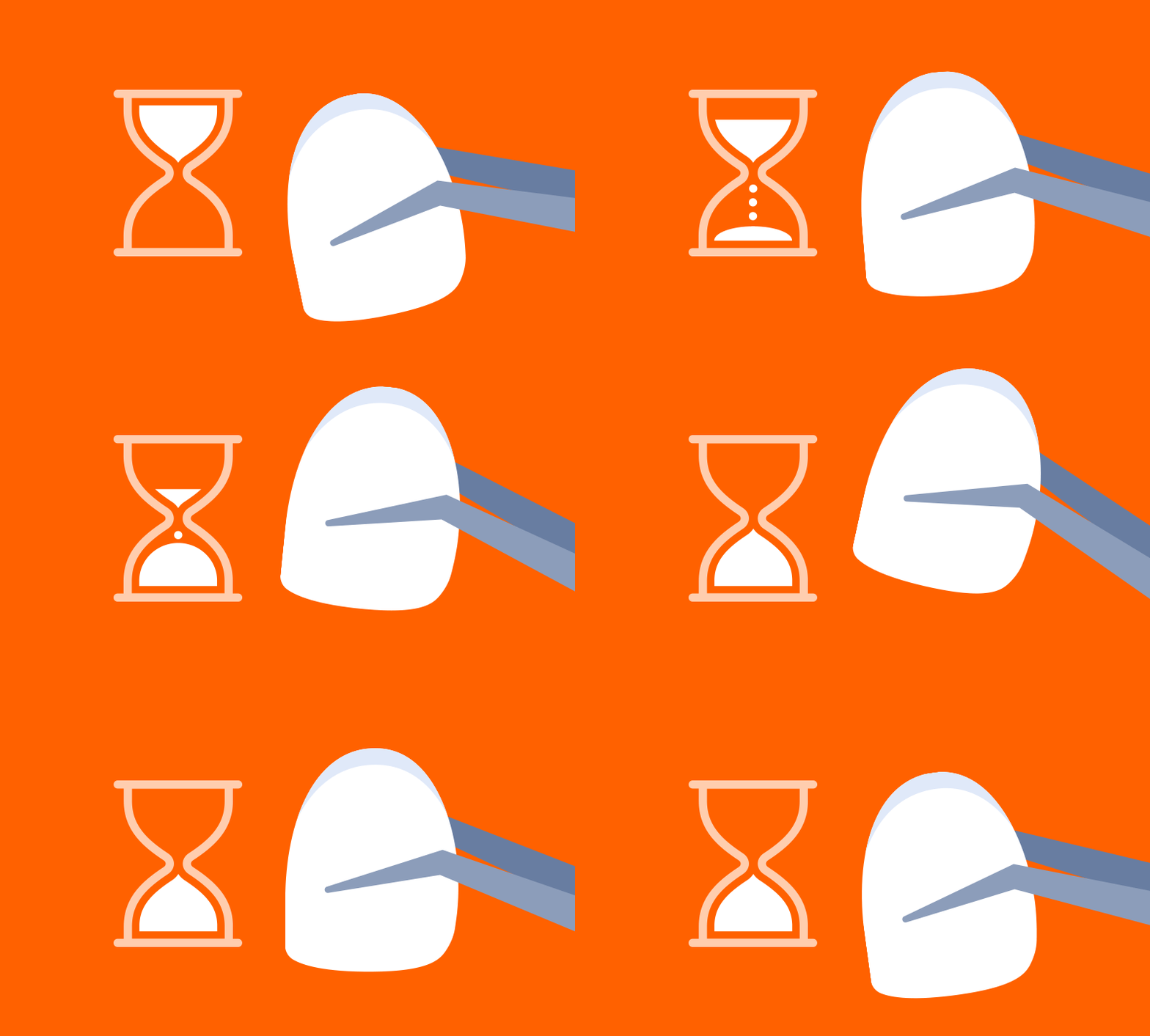
These concerns are understandable. However, you don’t need to replace veneers that are performing well out of vague anxiety—and, conversely, you shouldn’t ignore clear warning signs.
Below are practical criteria you can use to judge whether your veneers are stable or whether it’s time for an evaluation.
1. The “10-year average” lifespan is not the same as aesthetic longevity
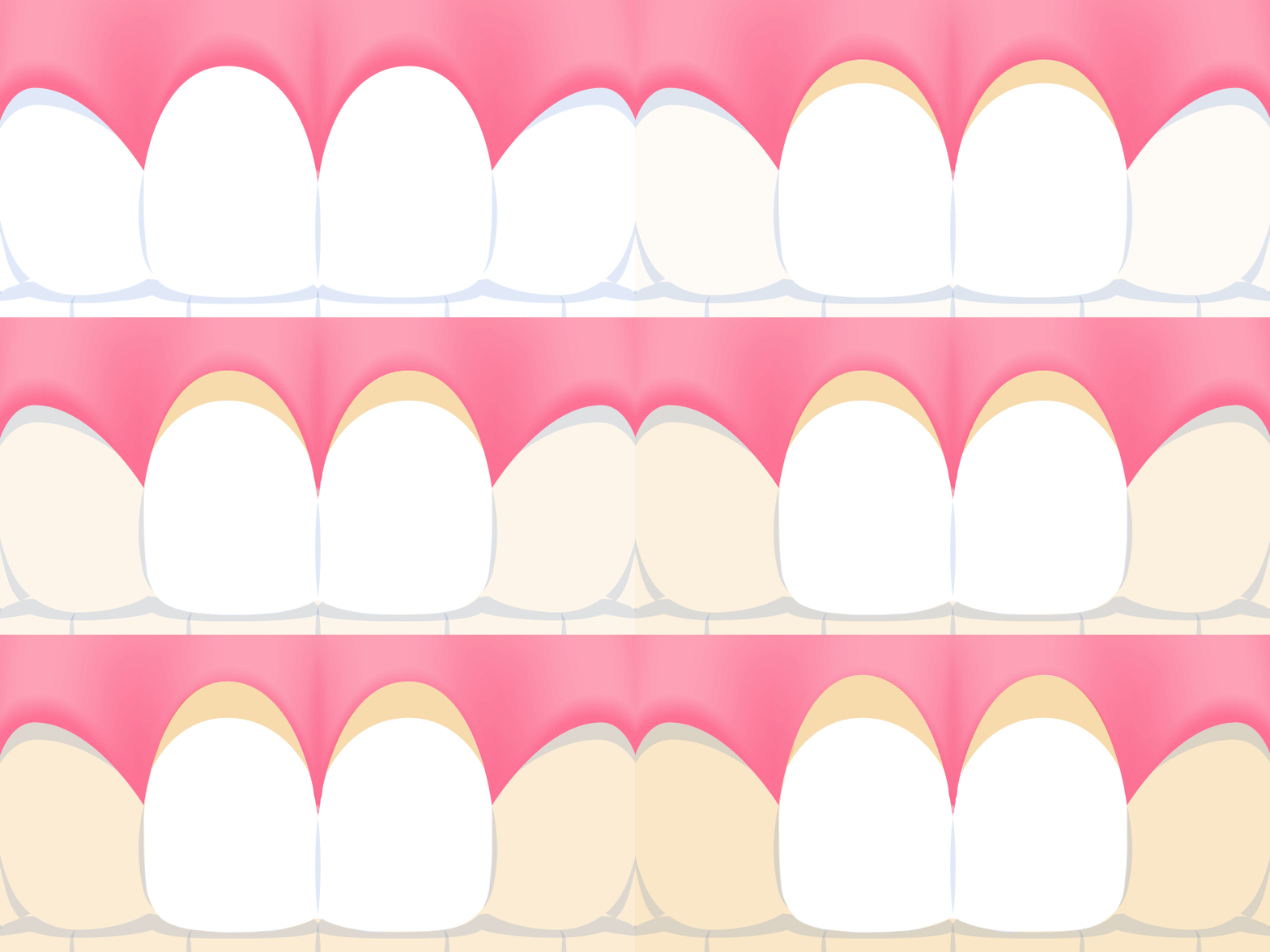
Many people have heard that veneers last “about 10 years,” but this should not be interpreted like a food expiration date.
In the literature, 10-year survival rates for porcelain laminate veneers are commonly reported around 90–95%. This is a positive indicator that most patients continue to use them during that period without functional failure. With good maintenance, some cases maintain function for 15 years or longer.
That said, **functional longevity** and **aesthetic longevity** are not always the same. Even when a restoration remains firmly bonded, aesthetic issues may develop over time, such as:
- Gum recession exposing the margin
- Color change in adjacent natural teeth, creating a tone mismatch with the restoration
- Subtle discoloration along the bonding interface
Factors that shorten service life are often less about time itself and more about bonding conditions, occlusion (bite), and lifestyle habits. So rather than focusing only on “how many years it’s been,” a more realistic indicator for replacement is whether it still looks natural and feels comfortable now.
2. If the ceramic looks fine, why do problems occur at the “bond”?

To make the structure of veneers easier to understand, think of bathroom tiles.
The ceramic itself is hard and stable—like a tile. But the adhesive that holds the tile to the wall is influenced by the environment. Over time, tiles may still look clean, yet grout lines or adhesive areas can loosen with temperature changes or become stained.
The oral environment is similar. Hot soup and cold drinks repeatedly contact the teeth, and chewing forces are applied thousands of times a day. These stresses can affect the thin bonding layer that connects the ceramic to the tooth—often described as bond aging.
As time passes, if the bonding layer undergoes microscopic wear or tiny gaps form, pigments can seep in and darken the margin, and bond strength may decrease.
In other words, retreatment is usually considered not because the ceramic has “worn out,” but because the condition of the “foundation” (bonding) that supports it has changed.
3. Five replacement signs to check before pain appears
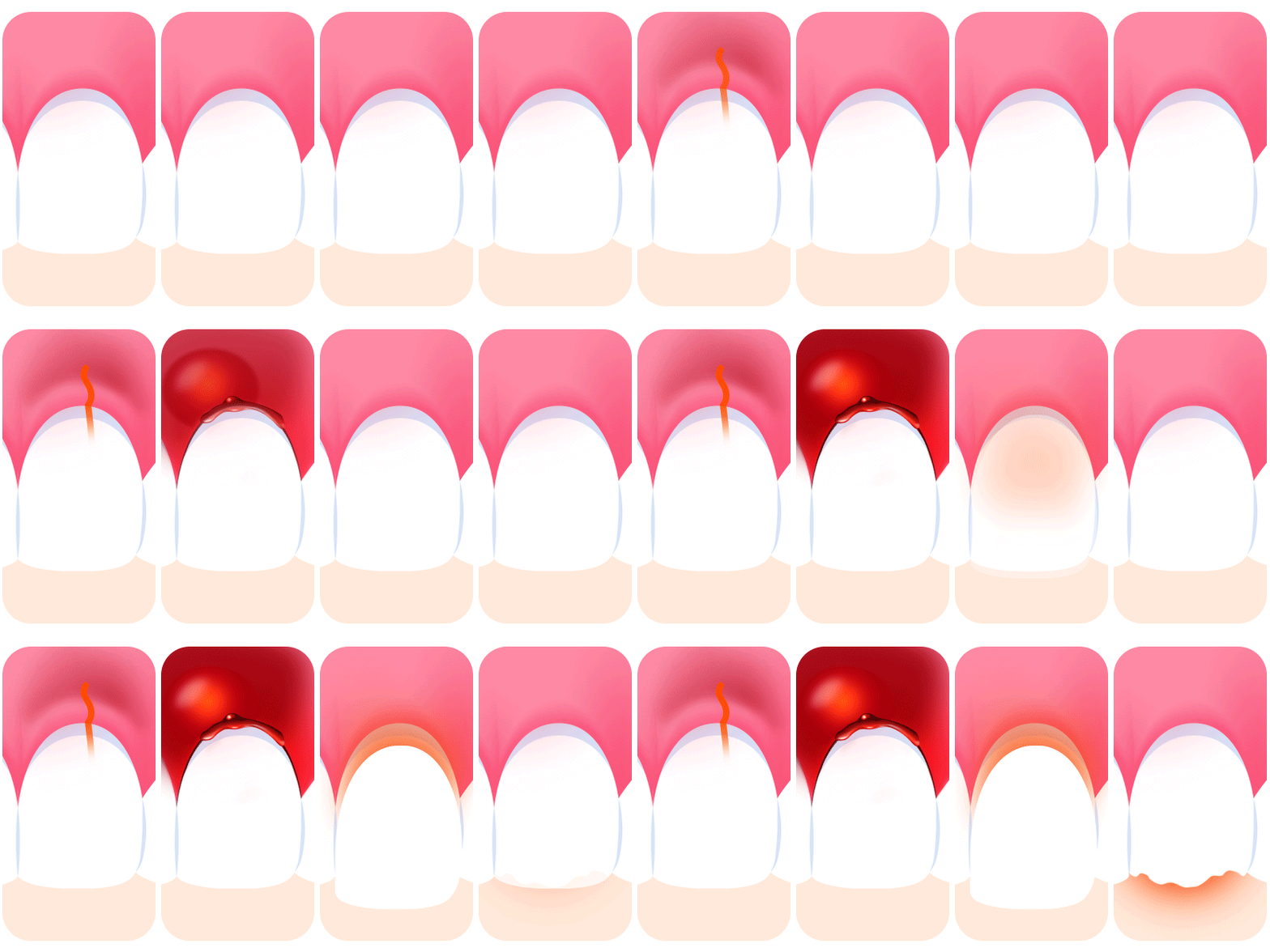
So when should you see a dentist? Pain is often a late sign. Even if changes occur in the bonding layer, many people feel no pain until the problem progresses closer to the nerve.
That’s why it’s important to check subtle changes you can detect with your eyes and tongue before pain appears—so conservative management (repair, polishing, etc.) may still be possible.
1.Catching at the margin (a “ledge” you can feel)
If you run a fingernail or your tongue over the surface and it doesn’t feel smooth—if you feel a step—bonding material may have worn, or the tooth/restoration position may have shifted slightly.
2.Discoloration along the gum line
If the gum around the veneer looks dark or bluish, or a thin black line appears at the margin, staining may be occurring through a small bonding gap.
3.Gum swelling and bleeding
If you brush carefully but only the gum around a specific veneer remains red and bleeds, the restoration contour may be irritating the gingiva, or it may indicate inflammation.
4.Subtle movement of the restoration
If the veneer “clicks” slightly when chewing, or feels like it’s being pulled when eating sticky foods, the bond may be weakening. Prompt evaluation is recommended.
5.Surface roughness and micro-chipping
If the surface feels rough to your tongue, or the edge is chipped and sharp, it can damage the opposing tooth. Smoothing, repair, or replacement may be needed.
4. Bruxism is the biggest risk factor for fracture
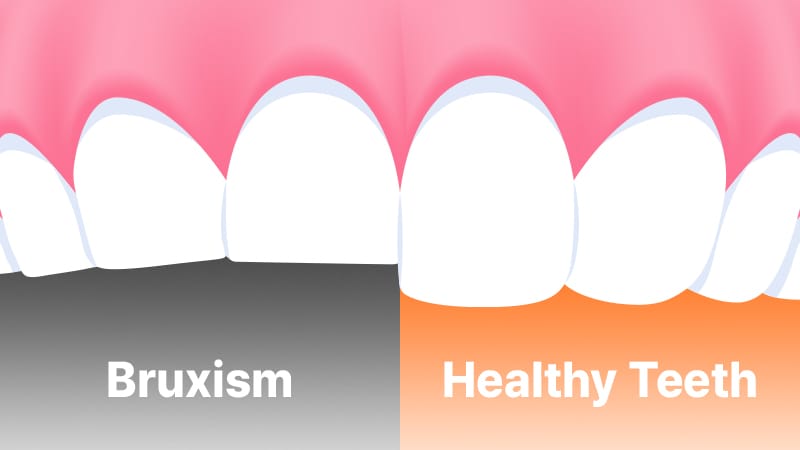
If bond aging reflects “the passage of time,” then grinding and clenching are “mechanical overload” that can directly affect veneer longevity.
Using the tile analogy again: even firmly attached tiles may not hold up if they’re hammered daily or twisted forcefully. In particular, sleep bruxism applies strong forces unconsciously, placing repeated twisting (shear) stress on thin ceramic restorations.
Clinical studies also report higher rates of fracture or debonding in patients with bruxism.
If you tend to clench during the day, or if your jaw feels sore when you wake up, discuss a protective appliance (night guard) with your clinician after treatment. It can help protect both your natural teeth and restorations from fracture and may extend service life.
✅Bruxism/clenching habit checklist
- When I wake up, my jaw joint or cheek muscles feel sore or tight.
- When I’m concentrating, I clench my teeth without realizing it.
- There are small chips or wear marks at the edge of my veneers.
- Tooth marks (a scalloped pattern) remain along the sides of my tongue.
- I enjoy biting hard foods (ice, candy, nuts) with my front teeth.
5. Regular check-ups can help prevent costly retreatment

It’s easy to think, “If it doesn’t bother me, do I really need to go in?” But for veneer maintenance, regular check-ups are one of the most reliable ways to reduce long-term costs.
Early-stage discoloration at the margin or mild surface roughness can often be managed with simple surface polishing or gingival care, helping extend longevity without full replacement.
However, if that window is missed and bacteria penetrate through a bonding gap, secondary caries (recurrent decay) can develop—sometimes requiring veneer removal and remaking.
So even without obvious symptoms, visiting the dentist every 6–12 months to assess occlusion and the integrity of the bonding interface is a practical way to protect your natural teeth and reduce financial burden.
6.Frequently Asked Questions (FAQ)
Q. My veneer feels like it’s lifting—can it be reattached? (Rebonding vs replacement)
It depends on the condition. If the restoration is intact (not fractured), there is no decay in the underlying tooth, and the bonding surface is clean, rebonding may be possible. However, if the bonding surface is contaminated or deformation of the restoration is suspected, replacement may be recommended for hygiene and safety. Bring the restoration to the clinic if it comes off—your dentist can assess whether it can be salvaged.
Q. It’s been 10 years—if it looks fine, can I keep using it?
Yes, often you can. Even after 10 years, if there are no clinical issues such as pain, odor, or gum inflammation, there is usually no need to remove it solely because of time. Because bond aging progresses gradually, it’s safer to shorten the check-up interval to about every 6 months and monitor the condition.
Q. If I drink coffee often or eat curry frequently, does the lifespan get shorter?
The ceramic itself is stain-resistant, so it doesn’t necessarily shorten the lifespan. However, the bonding material at the **margin** where the veneer meets the tooth can become stained. After strongly pigmented foods, rinsing with water or brushing can help maintain the appearance of the margin longer.
Q. I have severe bruxism—can I still get veneers?
It’s not impossible, but fracture risk is higher. Thorough consultation before treatment is important, and after treatment, wearing a night guard during sleep is strongly recommended to help distribute excessive forces on the teeth and restorations.
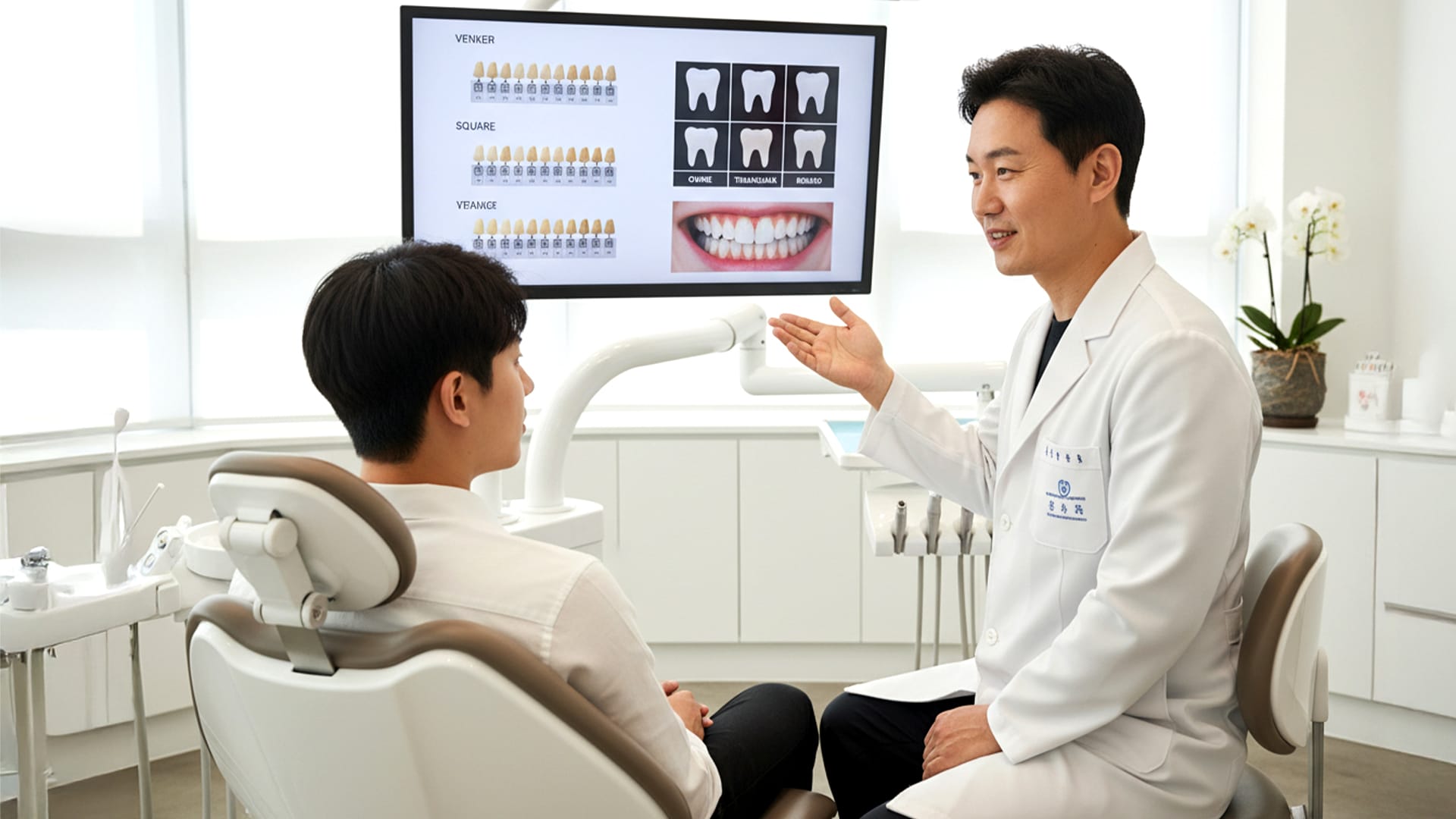
What determines veneer longevity is not simply the “time that has passed,” but the current condition of your teeth and restorations. There’s no need to feel anxious just because 10 years have passed—and likewise, you shouldn’t neglect care just because it hasn’t been long since treatment.
A healthy smile that lasts comes not only from the procedure itself, but from consistent attention and proper maintenance habits.
Sources
- Korean Academy of Prosthodontics (KAP), dental prosthetics information for the general public.
- Korea Disease Control and Prevention Agency (KDCA) National Health Information Portal, guide to caring for dental restorations.
- Beier et al., Clinical performance of porcelain laminate veneers for up to 20 years, International Journal of Prosthodontics, 2012.
※ The copyright for all content on this blog belongs to medihi. Unauthorized copying, distribution, or derivative use is strictly prohibited, and violations may result in legal action without prior notice.
Recommended reads
 medihi