

The real cause of veneer pain is not the anesthesia—it largely depends on how much tooth structure is reduced and whether post-prep nerve protection (IDS) is performed immediately after the procedure. Below, we’ll cover what causes pain, what “normal” sensitivity looks like, and what to check for a safer treatment plan.
"What if I do this to look better, but end up regretting it because I can’t even drink cold water for the rest of my life?"
"I’ve heard so many people say their teeth became sensitive after getting veneers."
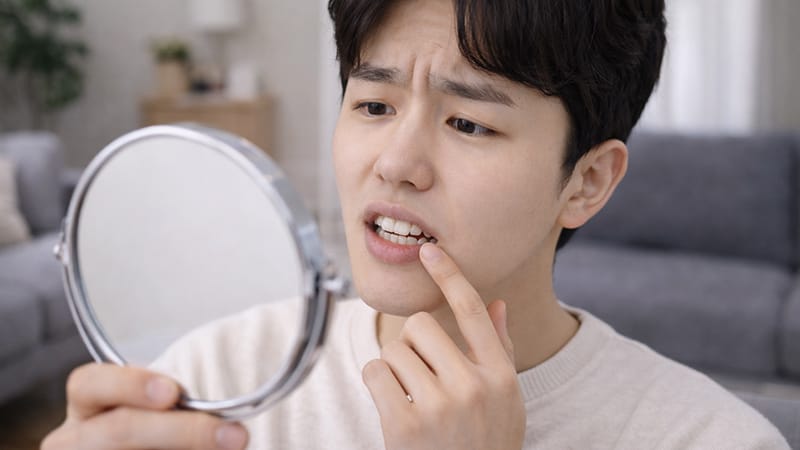
This is the most common concern patients share during veneer consultations. And it’s not your fault—or an overreaction. Because of some overly aggressive treatments in the past, it’s true that the idea of “veneers = tooth damage = pain” has followed veneers like a label.
You may have felt anxious after seeing that kind of information, but it’s not too late. Dental techniques have advanced, and pain-control protocols have become far more refined. In this post, instead of vague fear, we’ll clearly explain medically grounded ways to minimize pain and standards for safer treatment.
1.Why does veneer pain happen in the first place?
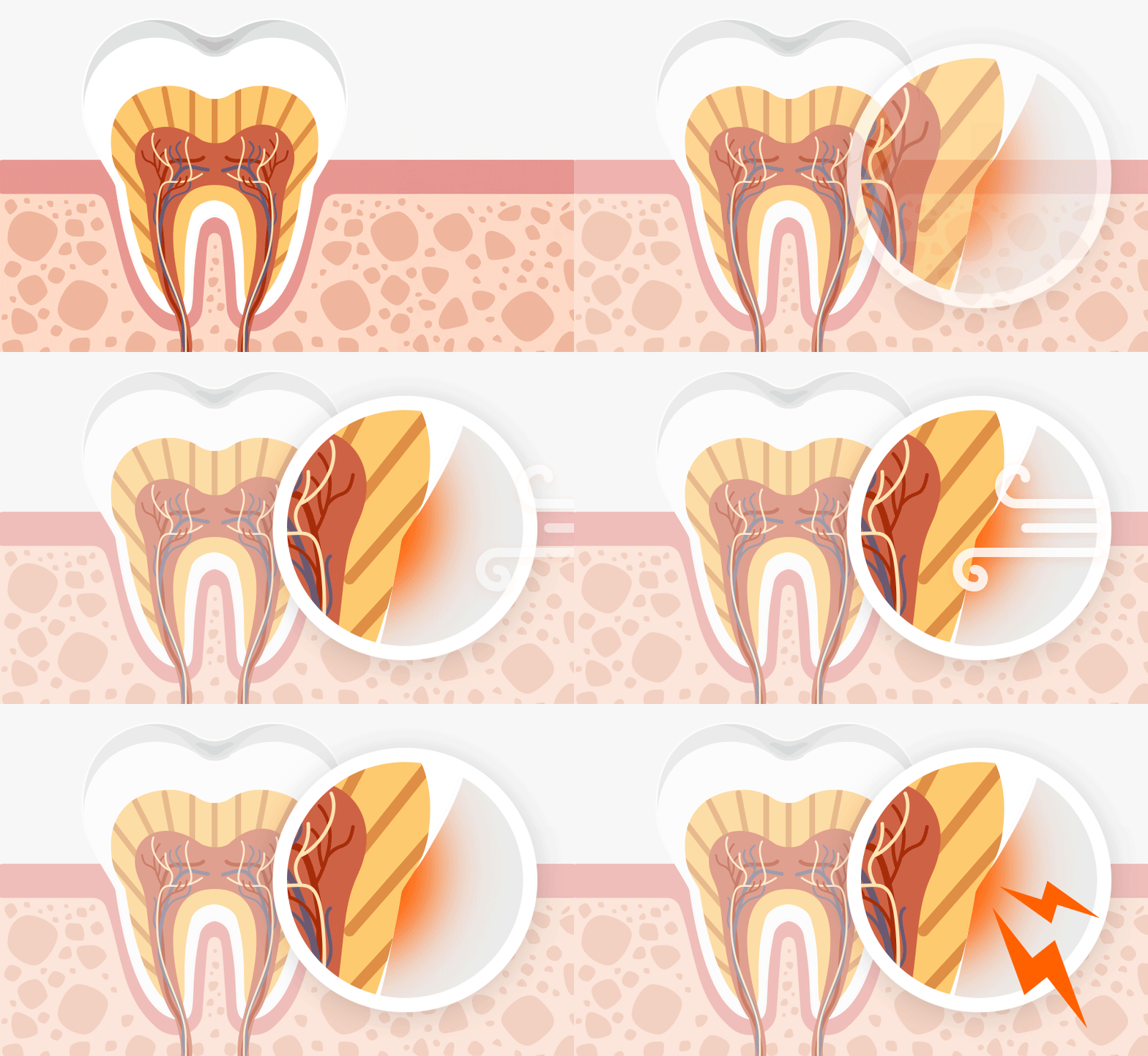
Many people worry about pain during the procedure, but what deserves closer attention is post-treatment sensitivity, especially “cold sensitivity.” To make this easy to understand, let’s compare a tooth to clothing.
The outermost layer of your tooth is enamel—hard, and without sensation—like a thick winter coat. Under that is dentin, which connects to the nerve—like a thin thermal layer.
Pain tends to occur when too much of that “winter coat (enamel)” is removed. Just as cold wind feels unbearable when you’re left in thin clothing, excessive enamel reduction can expose dentin and allow direct stimulation of the nerve.
So the most reliable way to reduce pain is to minimize tooth reduction and preserve as much enamel as possible. This is the core principle behind the clinical guideline: the less you remove, the lower the risk of sensitivity—and the longer the tooth can last.
2.Is it true that the anesthesia shot hurts more?
Some people say, “The anesthesia shot scares me more than the drilling sound.”
To get straight to the point: during the procedure, you typically won’t feel sharp pain. With local anesthesia, sensation in the tooth and gums is blocked.
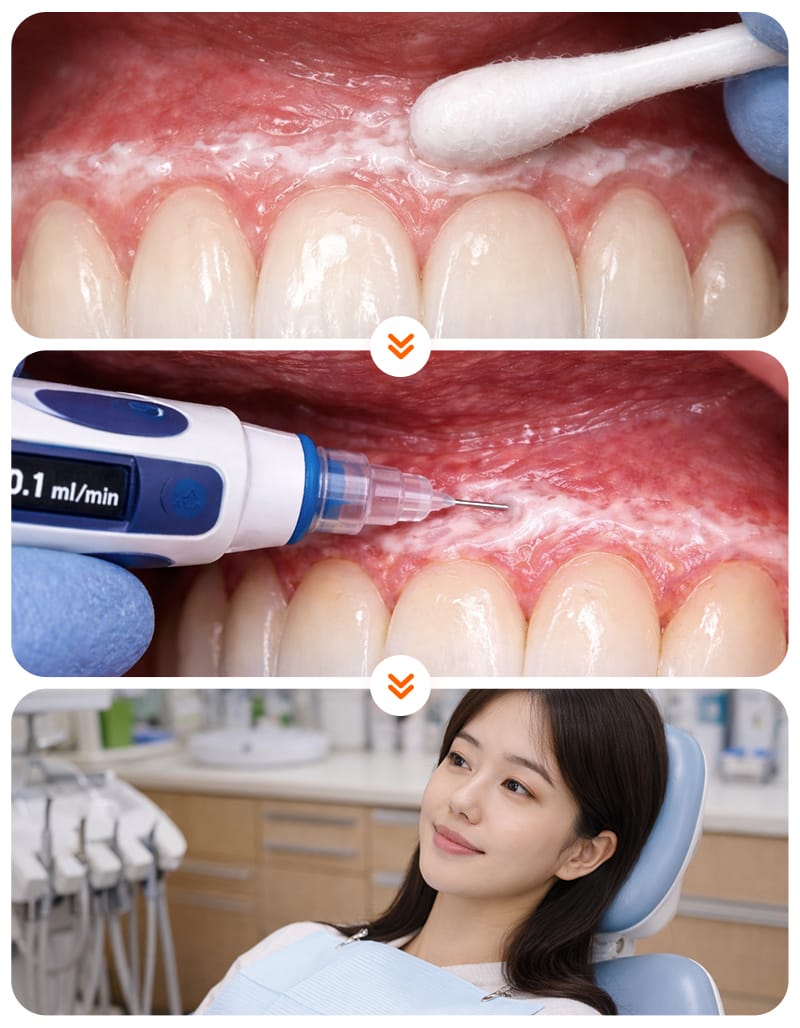
These days, discomfort from the anesthesia process itself has also decreased significantly. Clinics often use topical anesthesia (a numbing gel on the gum surface to reduce the needle sensation), followed by a controlled-delivery anesthesia device that injects slowly at a steady pressure to reduce the “pressure ache.”
After the anesthesia wears off, you may feel mild throbbing or heaviness. This is different from sharp procedural pain and is usually manageable with prescribed pain relievers.
3.How long does post-treatment sensitivity last?
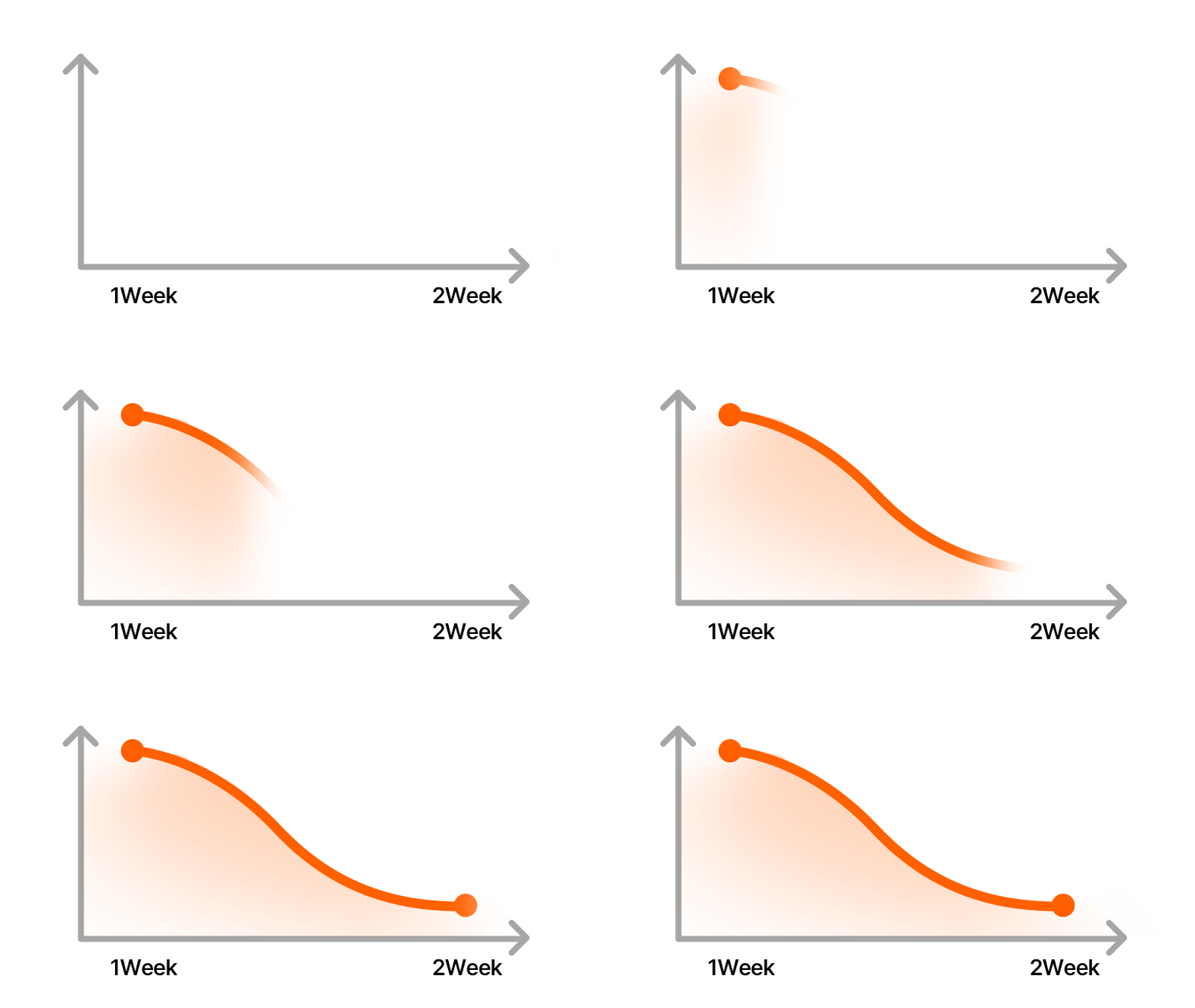
Even when the procedure is done well, you may feel a brief “zing” when drinking cold water right after anesthesia wears off or for a few days. Statistically, about 30–40% of patients experience this. Many people worry, “Did something go wrong?”—but in many cases, this is a temporary recovery/adaptation phase as the tooth adjusts to a new environment.
Teeth also need time to recover. It generally takes about 1 to 2 weeks for the prepared surface to stabilize with the bonding agent and for the nerve to settle.
Studies suggest that most sensitivity resolves naturally within two weeks. However, if severe pain persists beyond that—enough to disrupt sleep—or if even hot water causes pain, then a detailed evaluation is needed.
4.Do you know about IDS, the technique that blocks pain at the source?
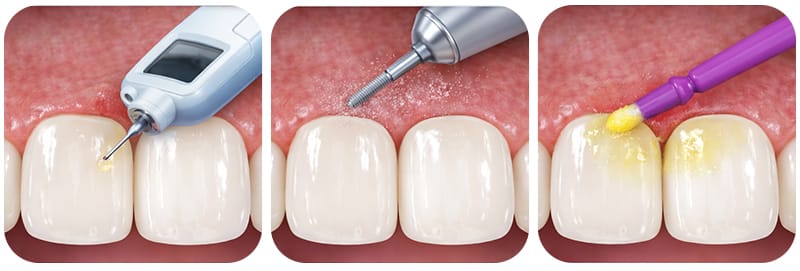
Here’s a key concept you should know: Immediate Dentin Sealing (IDS). Earlier, we said tooth reduction is like taking off a winter coat. IDS is the technique of applying a special sealant immediately after prep to block external stimuli—like putting on a windproof jacket right away.
If the dentin surface is sealed right after shaping—before the anesthesia wears off—the microscopic channels leading toward the nerve (dentinal tubules) are closed.
This can significantly reduce sensitivity while you’re wearing temporary restorations, and it can also improve bonding strength when the final veneer is placed—helping lower the risk of debonding. Simply asking whether a clinic performs this step can help you gauge their treatment standard.
5.Are no-prep veneers truly pain-free?
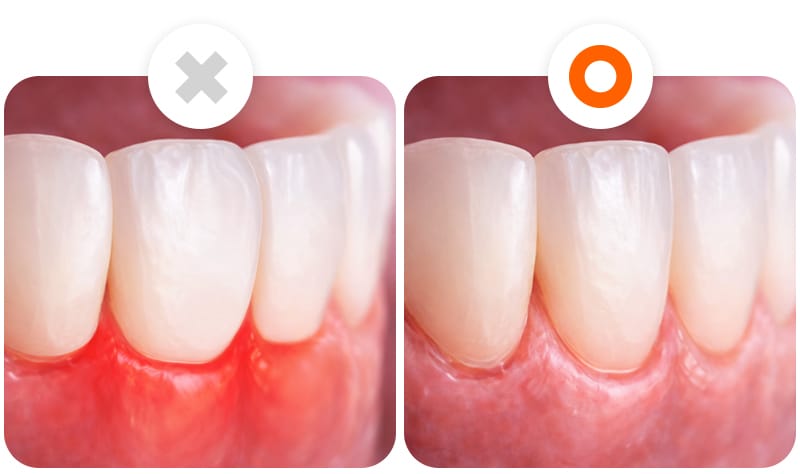
You might ask, “If I hate pain, shouldn’t I just choose no-prep veneers?” In many cases, yes—because no-prep veneers barely touch the tooth, they may not require anesthesia, and sensitivity is uncommon. But it isn’t the right answer for everyone.
If your teeth already protrude or are naturally large, forcing a no-prep approach can make teeth look bulky or create a ledge at the gumline—potentially leading to gum inflammation and discomfort.
To achieve a natural look while also controlling sensitivity, precise minimal reduction within the enamel—tailored to your tooth condition—may be a safer and more reasonable choice than insisting on no-prep in every case.
6. Frequently Asked Questions (FAQ)
Q. How many days does it hurt after getting veneers?
It varies by person, but you may feel mild throbbing after the anesthesia wears off, which is typically manageable with pain relievers. Cold sensitivity is often part of the tooth’s adaptation process and usually fades gradually within 1–2 weeks.
Q. Could the tooth under the veneer decay and cause pain?
When veneers are properly done, they chemically bond to the tooth and should not leave gaps, so the likelihood of decay forming underneath is very low. However, if brushing around the gumline is neglected, gum disease-related pain can occur—so aftercare matters.
Q. I’m worried anesthesia won’t work—can sedation be used?
Compared to gum surgery or an implant, veneers are less invasive and are usually comfortable with local anesthesia alone. However, if you have severe dental anxiety, you can discuss with your clinician whether conscious sedation is an option.
Q. What symptoms mean I should return to the clinic after the procedure?
If, after two weeks, you still have severe pain not only with cold but also with hot water, or you develop spontaneous throbbing pain even at rest, or pain does not improve even after taking pain relievers, you should return promptly for an evaluation of your bite and nerve status.

When considering veneers, “pain” is often the biggest barrier. But with accurate diagnosis, maximum preservation of enamel (the tooth’s protective layer), and nerve-protection techniques like IDS, pain is generally a manageable issue.
If you’ve been putting it off “just in case it hurts,” you may be able to set some of that worry down now. What matters is not avoiding reduction at all costs, but understanding your tooth’s limits and staying within a safe range. If you consult thoroughly with a team that prioritizes your dental health, you can work toward a brighter smile with less sensitivity and fewer regrets.
Sources
- Journal of Conservative Dentistry (Korean Academy of Conservative Dentistry),
“Correlation Between Amount of Tooth Reduction and Postoperative Hypersensitivity, and Clinical Guidelines.” - Ministry of Health and Welfare (Korea), “Infection Control and Medical Advertising Guidelines for Dental Clinics and Hospitals (2023).”
- Granell-Ruiz, M., et al. (2010). “Clinical evaluation of ceramic veneers: A review.” International Journal of Prosthodontics.
※ The copyright for all content on this blog belongs to medihi. Unauthorized copying, distribution, or derivative use is strictly prohibited, and violations may result in legal action without prior notice.
Recommended reads
 medihi