
This article reviews the causes of menopausal hot flashes and offers objective criteria for evaluating safe, non-hormonal Traditional Korean Medicine (TKM) care that does not place unnecessary strain on the body. It also clarifies the limits of lifestyle management and helps you recognize when more active TKM intervention—aimed at supporting the body’s self-regulatory capacity—may be appropriate.
“My face suddenly gets intensely hot, and I break out in a cold sweat.”
Many people feel caught off guard by sudden hot flashes during menopause. Having these symptoms does not mean you must simply endure repeated sleepless nights and the next-day fatigue that accumulates. Even without artificial hormonal stimulation, appropriate TKM care that helps restore balance in qi and blood can reduce hot flashes and sleep disruption in a safe and practical way.
In the clinic, the first step is to determine whether the hot flashes are truly due to
peri-menopausal bodily changes. This is because other factors—such as thyroid issues, spicy foods/caffeine, or reactions to certain medications—may also trigger similar symptoms.
1. Is every flushed face menopause? Why differential assessment is essential before
treatment
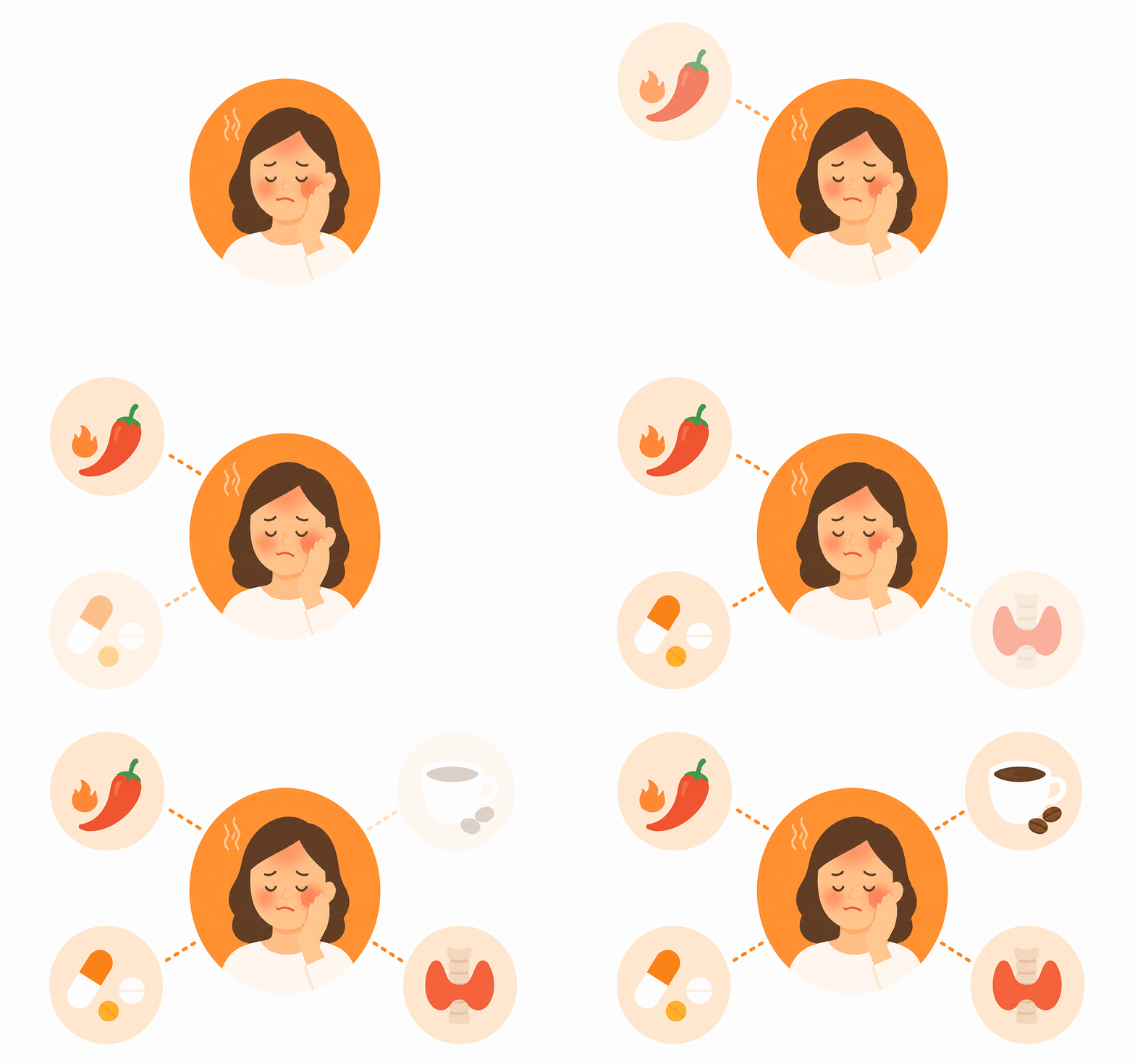
Symptoms such as facial flushing and night sweats are medically referred to as vasomotor symptoms. These are very common around menopause and are different from simply “feeling a bit warm.” Even in a cool, air-conditioned room, you may feel heat suddenly spread from the face down to the chest, sometimes accompanied by uncomfortable rapid heart pounding.
In TKM, menopausal hot flashes are often explained through concepts such as “yin
deficiency with internal heat (陰虛內熱)” and an imbalance of “water rising and fire descending (水昇火降).” As we age, the nourishing fluids that keep the body well-hydrated and grounded (often described as yin-blood and body fluids) can become insufficient. When this happens, “deficiency heat” may arise and surge upward. Ideally, cooler energy rises and warmer energy descends to support smooth circulation; when this balance breaks, heat tends to concentrate in the upper body.
That said, it is not appropriate to attribute every episode solely to menopause. Spicy foods or caffeine can raise body temperature and trigger sweating, and reactions to medications you are already taking may also be involved. In particular, endocrine conditions such as thyroid dysfunction can cause similar heat sensations and increased sweating. For safe care planning, it is important to carefully rule out other internal medicine-related conditions before starting treatment.
2. Cold sweats that wake you nightly: what changes when temperature regulation
becomes unstable
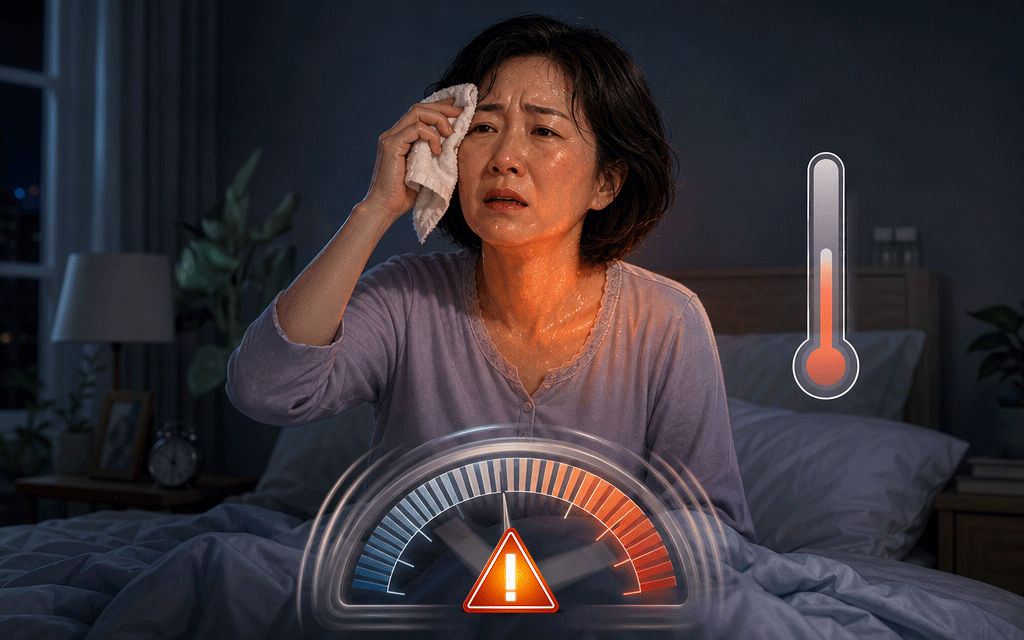
From a TKM perspective, nighttime is governed by yin energy. Heat that rises during the day should be calmed and cooled by yin-blood at night so you can enter deep sleep. However, in many menopausal women, body fluids are depleted; as night comes, deficiency heat is not adequately restrained and instead vents outward. This is considered a key mechanism behind night sweats that disrupt restorative sleep.
From a Western medical perspective, this is often explained as a malfunction caused by estrogen fluctuations, which make the hypothalamus (the brain’s temperature-regulation center) overly sensitive. The body mistakenly perceives the environment as too hot, dilates skin blood vessels, and produces excessive sweating. After sweating enough to soak clothing, body temperature can drop rapidly, leading to chills.
When sleep quality remains poor, next-day fatigue and low mood become more likely. When daily life is threatened by a breakdown in yin–yang balance like this, it is better to seek TKM-based evaluation and support—rather than simply enduring it—to replenish depleted fluids and regulate qi and blood.
3. If hormone therapy feels risky: “safe non-hormonal TKM treatment” that protects your
body
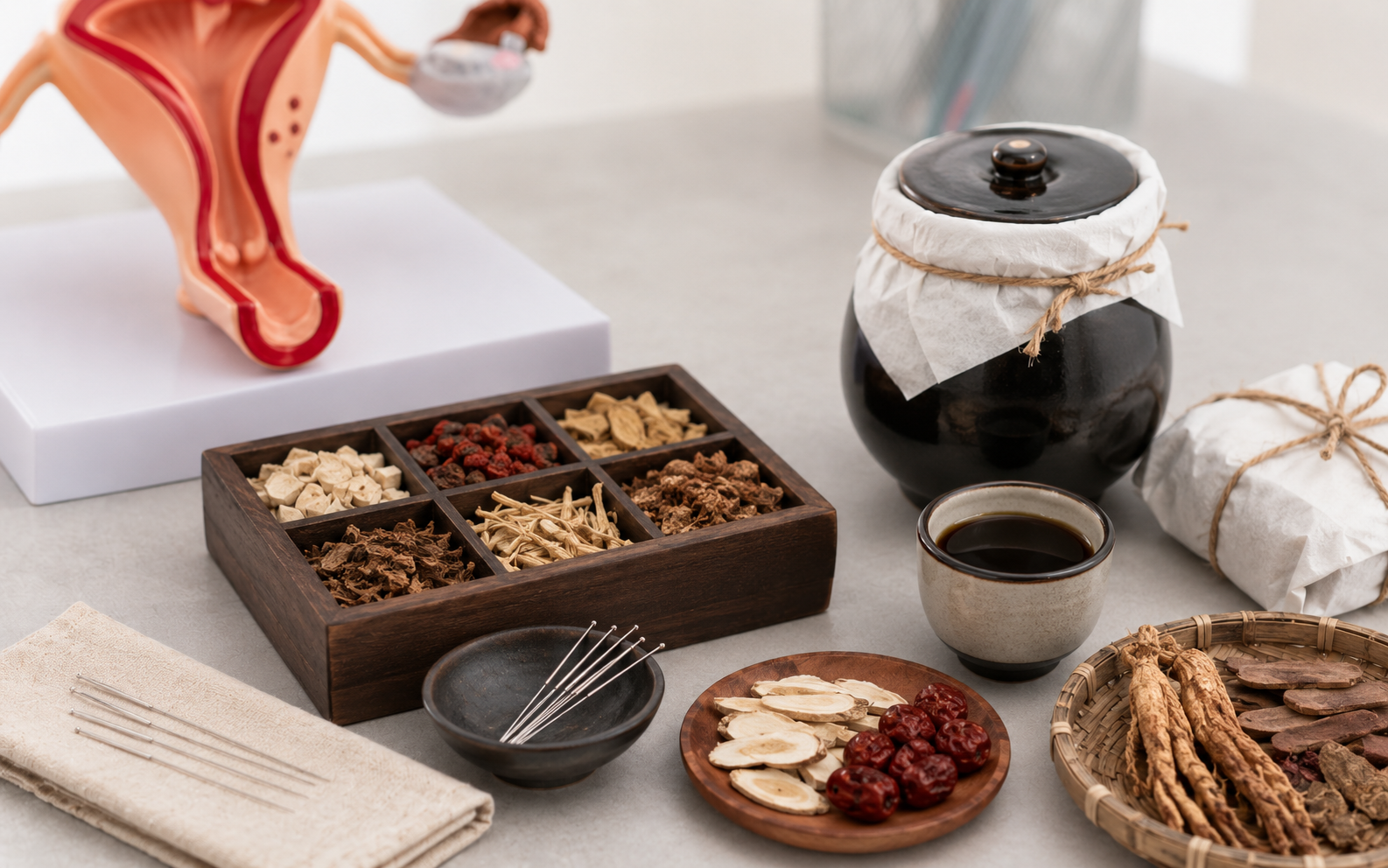
If hot flashes and sweating significantly interfere with daily life, more active treatment should be considered. In conventional care, menopausal hormone therapy (MHT) is often recommended, but hormone treatment is not appropriate for everyone. Use is strictly limited in cases such as a family history of hormone-dependent tumors (e.g., breast cancer or endometrial cancer), risk of blood clots, abnormal vaginal bleeding, or liver disease. Many people also avoid hormones due to fear of side effects.
In some conventional settings, central nervous system medications—such as
antidepressants or gabapentin—may be used as non-hormonal alternatives. However, because these can artificially affect the brain and nervous system, they may cause other side effects such as drowsiness, dizziness, or gastrointestinal discomfort, so careful consideration is required.
For these reasons, non-hormonal TKM treatment (herbal medicine and acupuncture), which aims to enhance the body’s self-regulatory capacity without relying on hormonal stimulation or neuroactive suppression, can be a practical option. With a long history of clinical use, TKM care is applied in a tailored way depending on symptom patterns and constitution, as outlined below.
[Non-hormonal TKM treatment options by symptoms and constitution]
| Primary Symptoms | Traditional Medical Cause | Representative Safe Alternatives | Treatment Principles & Benefits |
|---|---|---|---|
| Hot flashes, facial flushing, night sweats | Yin deficiency with internal heat (deficiency of body fluids leading to floating heat) | Herbal extracts (e.g., Kami-soyosan, Danggui-jakyak-san, Gyeji-bongnyeong-hwan) and customized decoctions | Replenishes deficient body fluids (Yin and Blood) and clears deficiency heat to naturally restore the body's thermoregulation. |
| Palpitations, anxiety, insomnia | Hyperactivity of heart fire (accumulation of "fire" in the heart due to stress) | Acupuncture and pharmacopuncture for autonomic stability, Ondam-tang, Kami-ijin-tang, Cheonwang-bosim-dan, etc. | Instead of artificially suppressing the nervous system, it balances the autonomic nervous system to soothe the mind and improve sleep quality. |
| Indigestion, coldness in the lower abdomen | Spleen-Stomach deficiency, Qi and Blood stagnation (blocked energy and cold abdomen) | Lower abdomen moxibustion (thermal therapy), acupuncture for Qi and Blood circulation, Yangwi-tang, Kami-daewon-jeon, etc. | Improves blood circulation within the pelvic cavity to keep the uterus and ovaries warm and healthy. |
4. Can diet and environmental adjustments alone overcome hot flashes and sleep
problems?

Many people try to change their lifestyle habits before visiting a clinic. Avoiding spicy, stimulating foods and using layered clothing for flexible temperature control are useful basic rules. Simply avoiding hot, stuffy environments can reduce the frequency of hot flashes to some extent.
However, when symptoms become moderate or more severe, lifestyle management alone often reaches its limits. Lowering the room temperature does not resolve the underlying issue—depleted body fluids and rising deficiency heat already present inside the body.
Daily management is a strong foundation for treatment, but it is difficult for it to serve as the only solution. Fundamental imbalances in qi and blood that cannot be corrected through lifestyle changes alone often require active TKM care that replenishes depleted energy and helps release constrained circulation—so that recovery becomes achievable.
5. Essential diagnostic steps at a TKM clinic to identify hidden risks before treatment

The goal of TKM treatment is not to forcibly “shut off” hot flashes in the moment, but to support long-term health by restoring balance across organ systems. Because it is designed to support the body’s self-regulatory capacity, it is generally associated with fewer concerns about side effects; however, careful pre-treatment assessment is still essential to match care to each person’s constitution and condition.
(1) Thermal imaging and assessment of qi–blood status (pulse and tongue diagnosis)
- Using infrared-based thermal imaging that reflects circulation patterns, along with pulse diagnosis and tongue observation, clinicians assess how depleted body fluids are and which organ systems show signs of concentrated “fire (heat).”
(2) Autonomic nervous system balance test (HRV)
- By objectively measuring autonomic nervous system activity (sympathetic and
parasympathetic) and stress resilience—key factors in menopausal hot flashes and insomnia—clinicians set the treatment direction.
(3) Determining a personalized treatment pathway
- By integrating digestive function, past medical history (including hormone contraindication factors such as a history of breast cancer), and overall condition, clinicians establish an herbal medicine and acupuncture plan designed to avoid placing undue strain on the body.
6. Frequently Asked Questions (FAQ)
Q. I get hot flashes many times a day—should I see a TKM clinic?
More important than the number of episodes is how much they disrupt daily life or sleep. In particular, if hot flashes keep you awake at night or are accompanied by heart palpitations, it may signal that body fluids are being rapidly depleted. In that case, it is advisable to visit a clinic for evaluation and begin appropriate treatment without delay.
Q. I feel burdened by taking hormones or antidepressants—can TKM be an alternative?
Yes. In Japan as well, obstetricians and gynecologists often prioritize prescribing standardized herbal extract formulations for patients who are not suitable for hormone therapy or who are concerned about side effects. Non-hormonal TKM treatment is not artificial hormone administration or a nervous-system suppressing drug, and it is considered suitable for longer-term use while supporting the body’s self-regulatory capacity.
Q. Is it helpful to keep a “flushing diary” while receiving herbal treatment?
It is not recommended, because it can make you focus more on the sensation of heat. When you accept that hot flashes can occur during menopause and shift attention to other things, the heat sensation may subside more quickly. Also, people with more vulnerable autonomic nervous system function often experience stronger symptom expression and become highly sensitive to menopausal symptoms. For that reason, it is recommended to place attention on nature outside the body or other activities; it may be better not to monitor or fixate on the symptoms.
Q. After starting TKM treatment, how soon might I notice changes, and how long does treatment usually last?
This varies depending on constitution and symptom severity, but hot flash frequency and night sweating often begin to decrease within about 2–4 weeks after starting treatment. Because TKM treatment is a process of addressing underlying organ-system imbalance rather than temporarily suppressing symptoms, an intensive treatment period of about 2–3
months is commonly recommended so the body can maintain a stable balance on its own. Once symptoms stabilize, treatment frequency is gradually reduced.
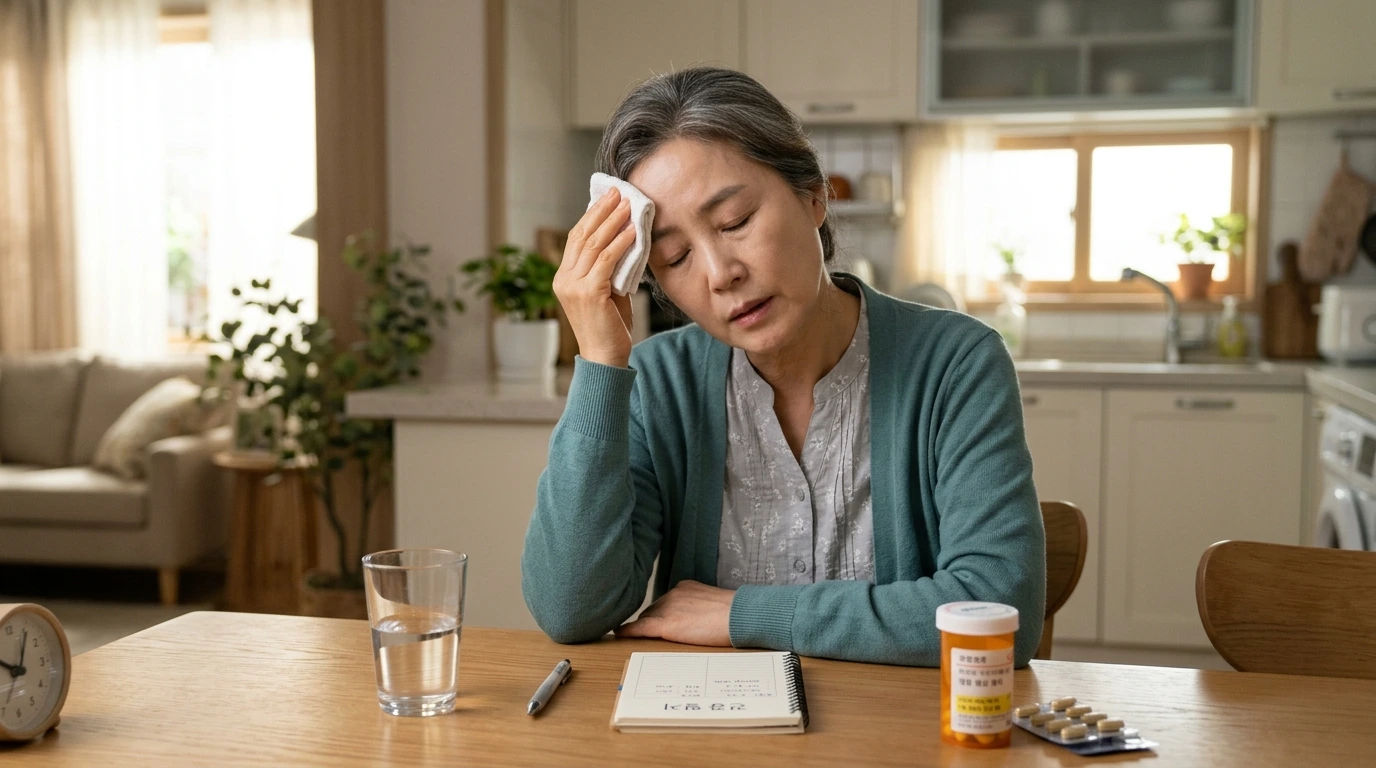
Managing menopausal hot flashes is not about forcibly suppressing symptoms with a particular medication. The key is to carefully read the signals your body is sending and replenish the nourishment and body fluids that naturally decline with age.
Rather than relying on hormones or neuroactive medications that may cause side effects or feel burdensome, you may be able to regain a comfortable, energetic daily life through safe and sustainable TKM care that supports your body’s natural rhythm and helps restore balance.
Sources
- The North American Menopause Society. The 2023 nonhormone therapy position statement of The North American Menopause Society. Menopause. 2023;30(6):573-590.
- The American College of Obstetricians and Gynecologists. ACOG Practice Bulletin No. 141: Management of menopausal symptoms. Obstetrics & Gynecology. 2014;123(1):202-216.
- Lee JH, et al. The Analysis of the Recent Research Trend of Traditional Korean Medicine Intervention with Woman Menopausal Symptoms. Journal of Pharmacopuncture. 2018
※ The copyright for all content on this blog belongs to medihi. Unauthorized copying, distribution, or derivative use is strictly prohibited, and violations may result in legal action without prior notice.
Recommended reads
 medihi