

In This Article
Not every symptom in someone with a thyroid condition indicates an emergency. However, if a high fever or hypothermia occurs together with a change in mental status, sudden paralysis, or shortness of breath, prompt evaluation is needed. Below is a practical guide to distinguishing thyroid emergency symptoms and what to do based on each situation.
1. What if a high fever and altered mental status occur together?
If a person who has—or is suspected to have—hyperthyroidism develops a high fever of 38.5°C (101.3°F) or higher along with clear changes in mental status, urgent evaluation is needed due to the possibility of a thyroid storm. This may be accompanied by severe palpitations, agitation/delirium/decreased consciousness, and shortness of breath, and it should be distinguished from ordinary heat intolerance or sweating.
A thyroid storm is an emergency in which the effects of thyroid hormone become extreme, affecting the brain/nervous system and the cardiovascular system. The person may not recognize others or may speak incoherently.
If these symptoms occur while taking thyroid medication—especially after an infection or surgery, or after stopping medication on one’s own—do not simply take fever reducers and wait. Depending on symptoms, emergency treatment may be needed even before test results return.
If a sudden high fever and severe sore throat occur while taking antithyroid medication, a rare but potentially serious condition called agranulocytosis is possible. You should get blood tests that include a white blood cell count.
2. What if the body feels cold and the person is difficult to wake?
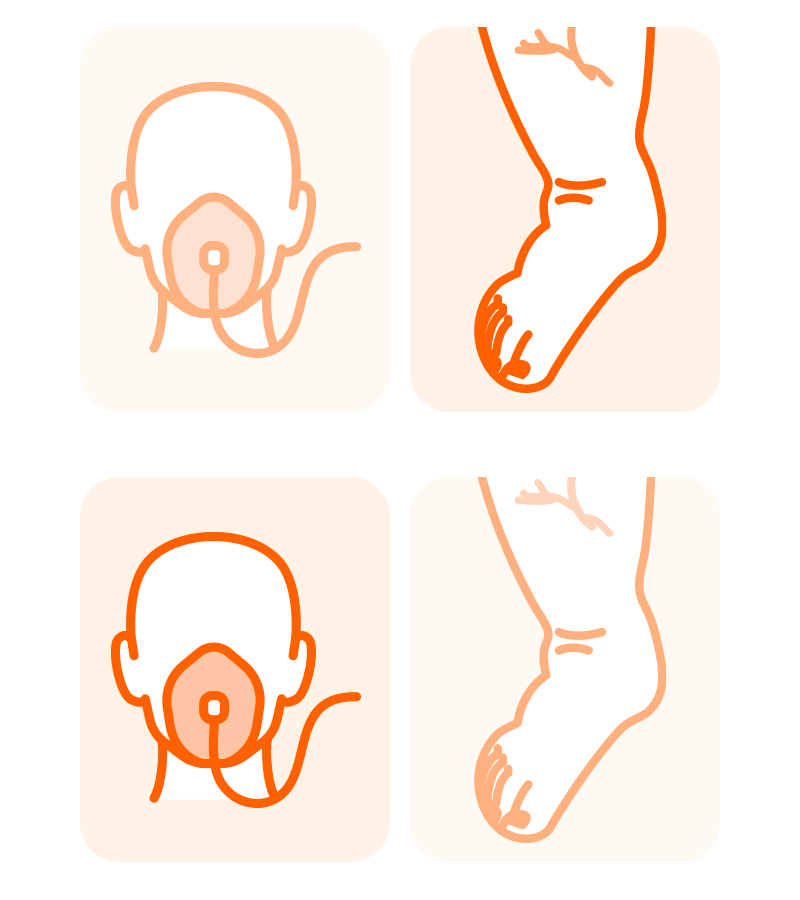
If there is severe hypothermia along with decreased consciousness such that the person is difficult to wake, myxedema coma should be suspected. This is a severe hypothyroid crisis and is more likely to occur in older patients with hypothyroidism, especially in winter or after a severe infection.
When thyroid function becomes excessively low, many body functions can slow down. Unlike simply “feeling cold” or “being tired,” a drop in body temperature, slowed responses, and reduced consciousness should be treated as an emergency.
If a person with hypothyroidism becomes profoundly lethargic and less responsive in winter or after an infection, it should not be dismissed as fatigue. Rather than focusing only on lab values, if temperature and mental status changes are clear, they should be evaluated promptly at a medical facility.
3. What if there is sudden leg weakness?
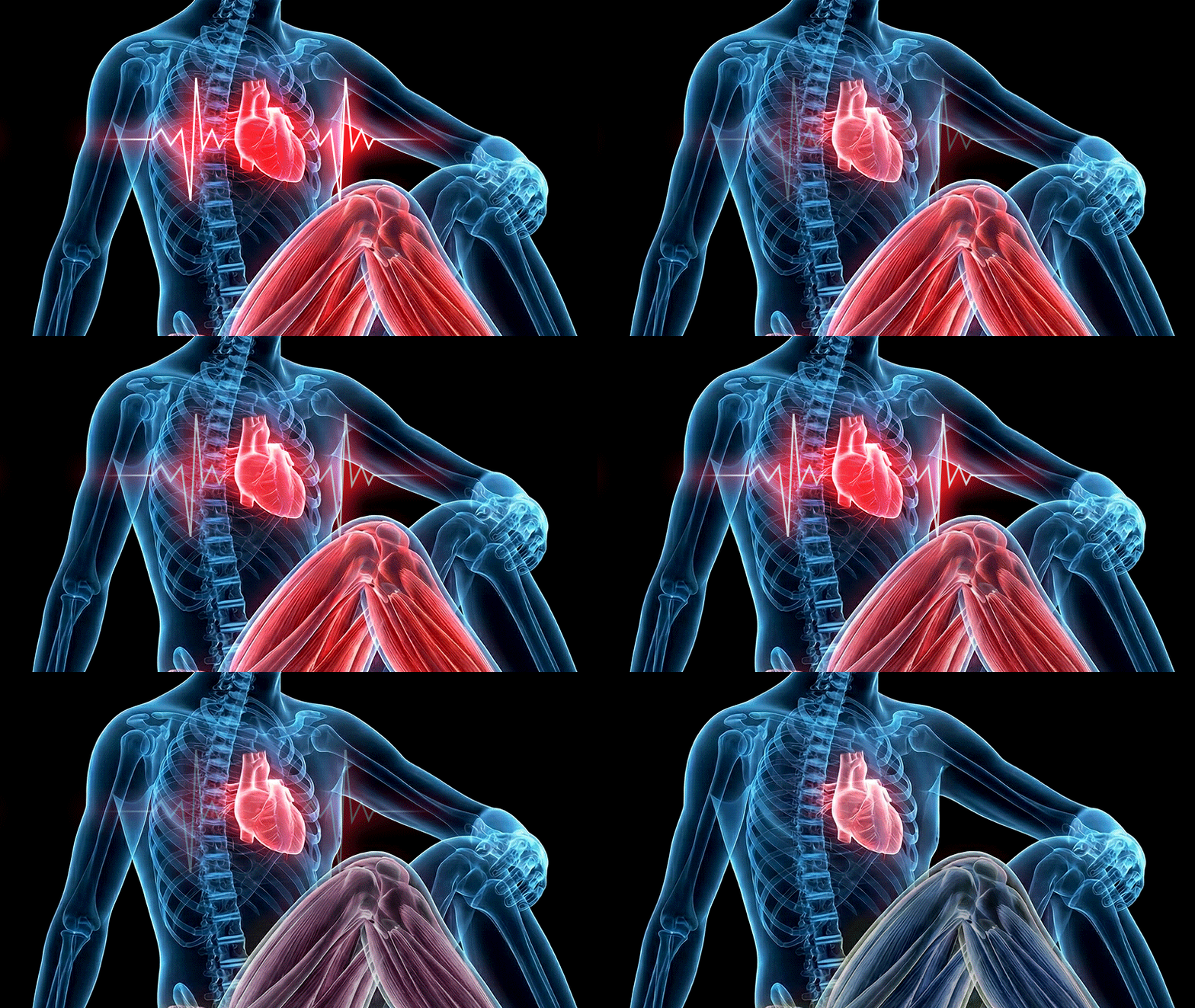
If the legs suddenly cannot move or strength drops significantly, urgent evaluation is needed regardless of the cause. In young men or people with a history of hyperthyroidism, thyrotoxic periodic paralysis is also a possibility.
Due to the effects of thyroid hormone, potassium can shift rapidly from the bloodstream into cells, lowering blood potassium levels and causing muscle weakness or paralysis. In such cases, sensation may be relatively preserved while strength suddenly drops.
It can occur after heavy drinking the day before, overeating carbohydrate-rich foods, or resting after intense exercise. However, it should not be assumed to be “just a thyroid issue.” Because it can be difficult to distinguish from stroke, it is important to note when the paralysis began and to seek medical evaluation rather than resting and waiting.
4. What if a neck lump and shortness of breath occur together?
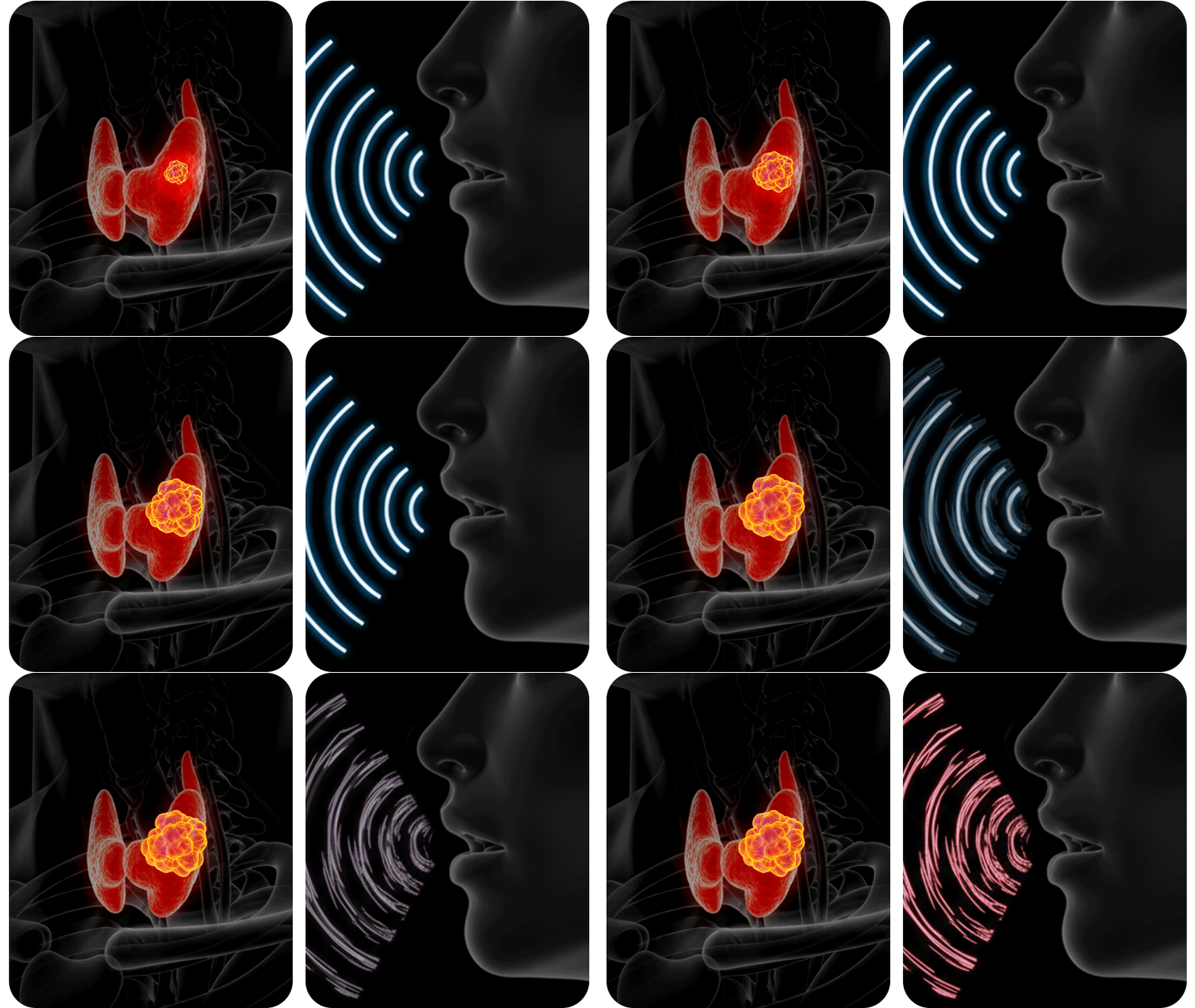
If a thyroid nodule suddenly enlarges and causes shortness of breath, prompt emergency evaluation is needed. Most thyroid nodules or cancers progress slowly, but if surrounding structures are compressed and breathing becomes difficult, the response threshold changes.
If the lump grows rapidly and breathing produces a harsh sound (stridor), it is important to check whether the airway is being compressed. In rare cases, bleeding within a nodule can rapidly compress the airway.
Even without shortness of breath, if the voice changes significantly, hoarseness lasts longer than 2 weeks, or swallowing becomes difficult, it is better to move up the clinic visit rather than waiting for a routine checkup. Emergency concern is determined less by the nodule itself and more by sudden size changes and new breathing/voice/swallowing changes.
5. Is it okay to take high-concentration iodine?
Caution is needed when taking high-concentration iodine supplements on one’s own “because they’re good for the thyroid.” In Korea, many people already consume sufficient—and sometimes high—amounts of iodine through foods such as seaweed (gim, miyeok).
Adding concentrated pills or extracts on top of this may temporarily lower thyroid function or raise it excessively. If there is an underlying condition such as thyroiditis, it can increase the risk of symptom fluctuations.
There is no need to be overly worried about typical dietary seaweed soup or gim eaten as side dishes. However, refined high-dose health supplements require caution, and unless there is a special situation such as preparing for radioactive iodine treatment, the suggested approach is generally to maintain a normal diet.
6. Frequently Asked Questions (FAQ)
Q. If palpitations are severe, should I go to the emergency room?
Palpitations can also occur due to stress, caffeine, or anemia. If they occur together with a high fever of 38.5°C (101.3°F) or higher, altered mental status, chest pain, or fainting, urgent evaluation is needed because a thyroid storm or a heart problem may be suspected.
Q. If I can feel a lump in my neck, is it automatically an emergency?
Feeling a lump in the neck alone is not an emergency. If there is no shortness of breath or sudden change in size, you can schedule an ultrasound in the near future to assess the situation.
Q. I’m taking antithyroid medication and developed a fever and sore throat—what should I do?
If fever or severe sore throat occurs while taking antithyroid medication, a rare but serious possibility—agranulocytosis—must be considered. Stop the medication for now and go to a medical facility without delay for blood tests including white blood cell and neutrophil counts, and do not restart it on your own until a clinician determines it is safe.
Q. My legs suddenly feel weak but sensation seems okay—what should be checked?
Even if sensation is preserved, sudden loss of strength may indicate thyrotoxic periodic paralysis. Because it can be difficult to distinguish from stroke, the cause should be evaluated at a medical facility.
This health content has been reviewed by medical professionals, compiled from authoritative domestic and international sources, and is regularly updated in accordance with the latest clinical guidelines.
Sources
- Korean Thyroid Association, Clinical Practice Guidelines for Thyroid Nodules and Cancer (Revised Korean Thyroid Association Management Guidelines for Thyroid Nodules and Cancer), *Int J Thyroidol*, 2024.
- Korea Disease Control and Prevention Agency (KDCA) National Health Information Portal, Clinical information on hyperthyroidism and hypothyroidism, 2023.
- De Groot LJ et al., Thyrotoxic Storm / Myxedema Coma, Endotext, NCBI Bookshelf, Updated 2024.
※ The copyright for all content on this blog belongs to medihi. Unauthorized copying, distribution, or derivative use is strictly prohibited, and violations may result in legal action without prior notice.