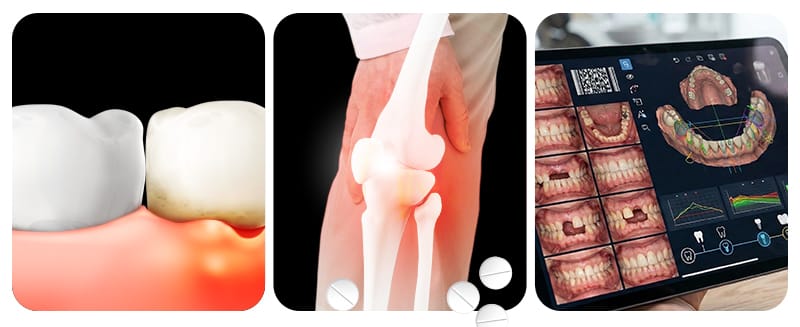

The greatest anxiety when facing dental implant treatment is not the cost itself, but the lack of clarity regarding "what exactly is included in the treatment." We provide a gentle guide on the scope of inclusions and exclusions you must verify in your quotation, along with realistic check-points for your stay and aftercare as an international patient.
"What if bone grafting or temporary prosthetics are added later?"
"I feel overwhelmed knowing what's included in the quote and how to connect with local care after returning home."
We deeply empathize with those planning dental treatment in a distant country. Since dental implants are a delicate, multi-stage process that rarely concludes in a single visit, it is difficult for a single total-amount document to capture all variables based on an individual's oral condition. Anxiety over cost structures often stems more from the inability to clearly identify included items than the actual size of the amount.
To ease your burden and save your valuable time, we will carefully examine the standards you must verify in your treatment plan or consent forms. The following sections will provide detailed guidance on which conditional branches should be clearly documented to ensure peace of mind and the core check-points required for each stage.
1. Verify the inclusions in your quotation during the consultation

When preparing for dental implant treatment, your priority should be examining the components and the overall flow of the treatment.
International patients are often caught off guard when unexpected items feel like they have been added suddenly during the process. To prevent this, it is much safer to meticulously document which items are included by default and under what conditions additional treatments may be required throughout the journey from diagnosis to maintenance.
An implant basically consists of a fixture (artificial root) implanted into the jawbone, an abutment (connecting pillar) that links the prosthesis, and the final crown visible on the surface. Check if the following criteria are included in your treatment plan across the long journey of diagnosis, placement, occlusal adjustment, and aftercare:
- Documentation of the Diagnostic Process: Check if the plan includes clinical examinations as well as imaging (such as CT scans) to precisely evaluate the bone condition.
- Possibility of Pre-treatments: Verify if it is specified under which oral conditions extractions, inflammation control, or periodontal treatments may be performed.
- Detailed Scope of the Prosthetic Stage: It is important to check the breakdown of whether temporary prosthetics are provided and the scope of occlusal adjustment guidance after the final crown is fitted.
- Maintenance Guidance: Observe if management processes, such as regular check-ups and professional cleaning, are well-explained as part of the overall treatment flow.
Having these conditional branches clearly organized in writing, rather than just verbal explanations, provides significantly more peace of mind. This allows you to naturally understand any changes in the future schedule based on diagnostic results. Planning meticulously for all possibilities is the first step toward securing true transparency.
2. Check the costs and treatment duration variations based on bone grafting
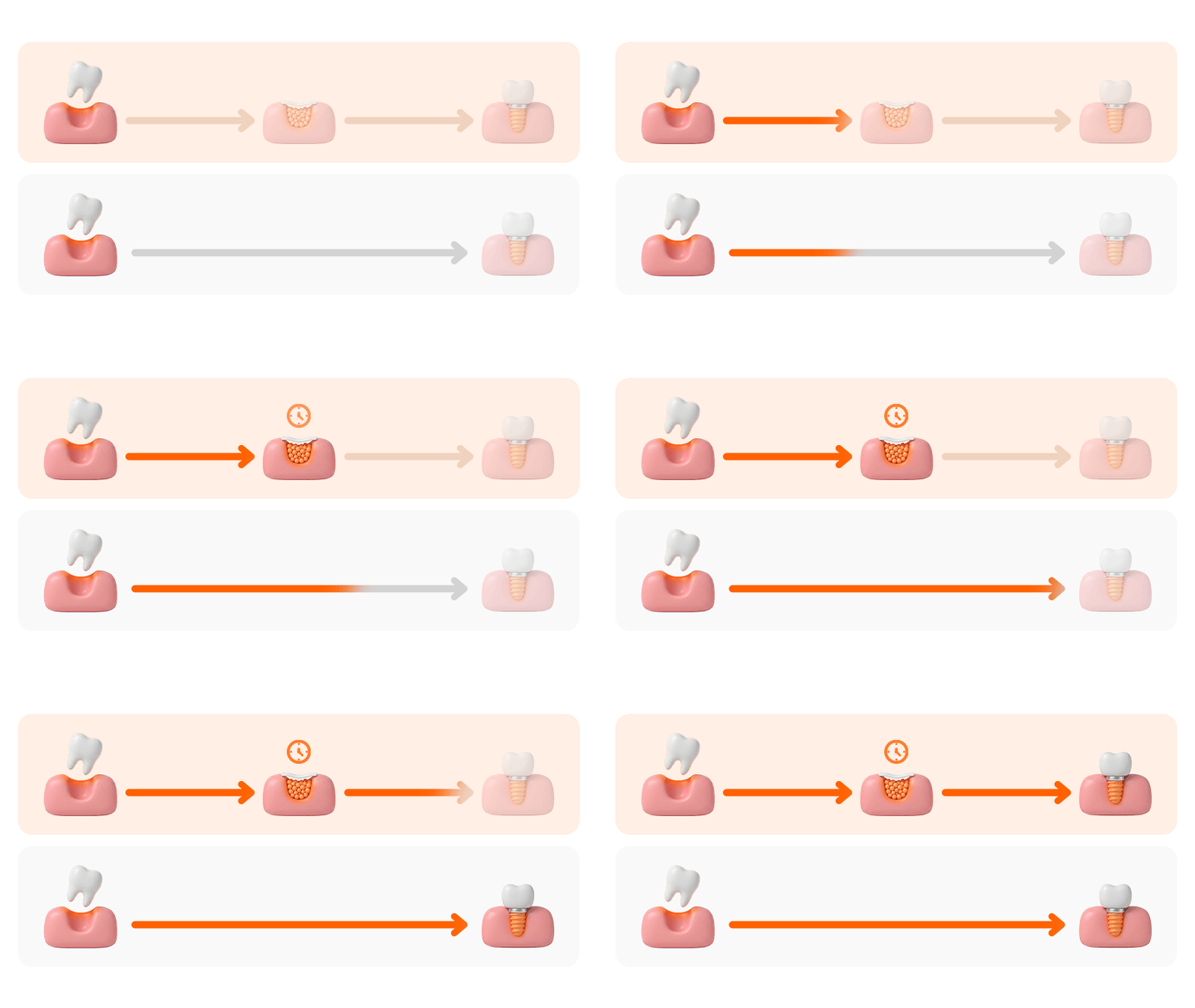
Bone grafting is a critical variable that significantly dictates the overall treatment schedule and the number of visits.
For an implant to settle firmly, there must be sufficient bone volume and shape; if bone mass is insufficient, a bone grafting process to reinforce the support base may be considered. You can think of it as foundational work to stabilize the ground for building a sturdy and safe house.
However, if this important process is not sufficiently explained at the beginning, it can cause anxiety later. If the possibility of bone grafting is identified through precise imaging and anatomical evaluation, you must address the following core information:
- Verify the Decision Criteria: It is helpful to understand the objective evidence used to evaluate bone volume or anatomical constraints from the imaging results.
- Timing and Method of Treatment: Enquire whether the bone graft will be performed before placement or if there is a possibility of it being done simultaneously.
- Changes in Schedule and Number of Visits: Confirm that the inclusion of bone grafting may extend the healing period for the bone to harden, which can alter your stay itinerary or the number of visits.
- Review Individual Factors: Since systemic conditions like smoking or diabetes can significantly affect the wound healing process, it is important to coordinate these details with the medical team.
If the diagnosis shows sufficient bone volume and stable inflammation management, the treatment plan can be relatively simple. Conversely, if additional treatments like bone grafting are required, the time needed for biological healing will naturally lengthen. Only when these specific conditions are reflected in the documentation can you prepare for the next steps with a comfortable mind.
3. Review your schedule by dividing it into three parts

For those receiving treatment in a distant country, it is vital that the schedule covers not only the duration of the stay in Korea but also a continuous management plan with a local dentist back home.
To avoid feeling lost regarding how to continue check-ups abroad after treatment, we recommend establishing a realistic schedule based on three axes: Visits, Stay, and Aftercare.
- Visits: Implant treatment involves multi-stage processes. Efficiently using a limited schedule is much easier if you receive guidance that separates "essential visit stages" that must occur in Korea from "follow-up observation stages" for monitoring progress.
- Stay: The healing process for our bodies is biological time, which varies greatly between individuals. Since healing duration can change based on bone condition, the presence of inflammation, or additional treatments, it is safer to prepare a flexible schedule based on the diagnosis rather than forcing a shortened stay.
- Aftercare: Long-term management is essential even after the crown is fitted. Peri-implant diseases can appear gradually over time, making continuous check-ups a necessity.
To communicate smoothly with a local dentist after returning home, it is very helpful to secure a medical summary in English, precise radiographic data, and information on the components used before departing from Korea. Maintaining healthy teeth from afar will be much more manageable with these documented records for local prosthetic adjustments or regular check-ups.

To help international patients plan their implant treatment more comfortably, here is a summary of the three core criteria to remember:
First, rather than relying on a single total amount, clearly verify in writing which items are included or excluded at each stage from diagnosis to maintenance.
Second, based on diagnostic results, meticulously check the evidence and additional conditions for variables that significantly impact the schedule, such as bone grafting or temporary prosthetics.
Third, establish a conservative stay schedule that respects biological healing time, and ensure you secure the necessary English records and component information for local management after returning home.
Because the healing process of the human body has its own unique speed for every individual, it is difficult to promise a definitive completion within a short period. However, with a transparent plan tailored to your condition and meticulous aftercare, it is a journey that can be overcome reliably. We warmly support you in easing your anxieties and reclaiming a healthier, brighter smile.
Sources
- Korea Disease Control and Prevention Agency (KDCA). (2025). Dental Implants. National Health Information Portal.
- Republic of Korea. (Current). Medical Service Act Article 24-2 (Explanation of Medical Acts), Article 45 (Notice of Non-benefit Treatment Costs), Article 56 (Medical Advertising, etc.). National Law Information Center.
- American Dental Association. (2026). Implants. MouthHealthy.
※ The copyright for all content on this blog belongs to medihi. Unauthorized copying, distribution, or derivative use is strictly prohibited, and violations may result in legal action without prior notice.
Recommended reads
 medihi