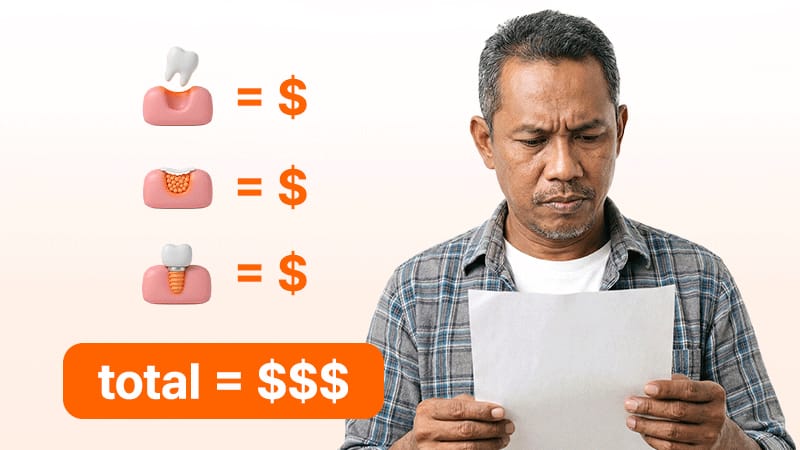

During a short 3-day stay, rather than attempting to complete the entire dental implant process, it is crucial to establish a stable foundation and a clear treatment plan. This article provides a detailed guide on realistically achievable stages within a short-term schedule and the criteria you must verify before departure.
"I want to finish everything during my short vacation. What are the essential stages I must complete during this visit?"
"Is it safe to fly immediately after surgery?"
If you are visiting Korea while balancing a busy professional life, it is natural to want to finish your treatment quickly and return to your daily routine. We deeply empathize with these concerns. However, dental implants require a staged process of placing the artificial root into the jawbone and waiting for sufficient healing before attaching the prosthetic. Due to biological limitations, completing the entire process in just three days is realistically restricted.
Therefore, for a 3-day stay, it is safer to aim for setting the direction of the treatment and building a sturdy foundation as your primary goal, rather than total completion. To alleviate your anxiety, we will walk you through the essential information and preparations needed for a short-term stay.
1. Implant Step-by-step Korea: Possible Stages and Required Items for a 3-Day Stay
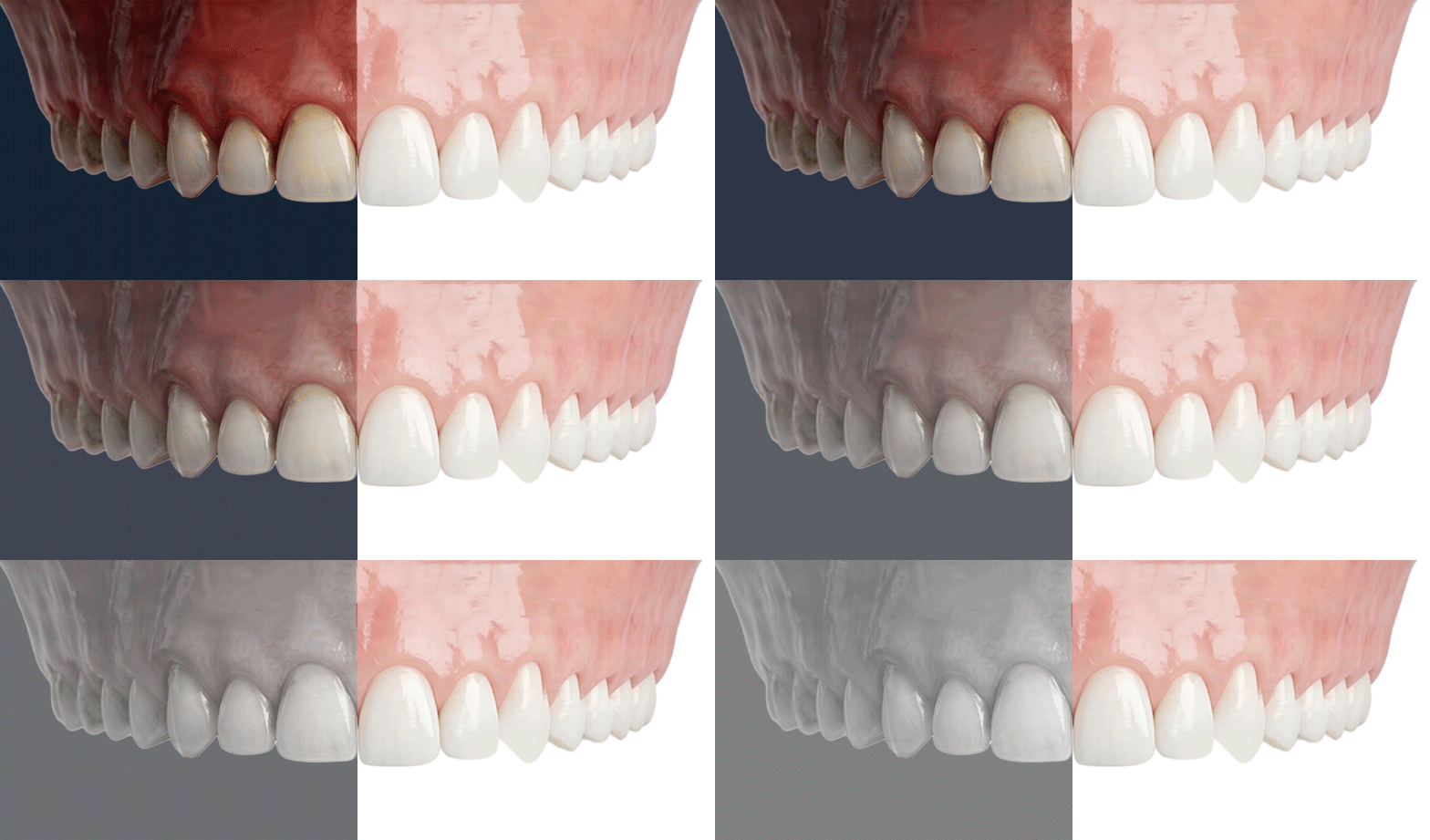
Overseas patients often expect to finish the entire process in their first visit or misunderstand that the treatment is over once the artificial root is placed.
A short 3-day schedule should be utilized as a critical time to determine the overall direction of the treatment and establish a foundation, rather than attempting an forced completion. Setting a realistically accessible scope based on the number of visits and the duration of your stay is the first step toward a successful outcome.
The goals realistically achievable during a short stay can be summarized into three main points:
- Precision Diagnosis and Planning: Assessing bone condition and inflammation through 3D imaging to closely verify if surgical intervention is possible.
- Conditional Implant Placement: If the jawbone and systemic health are in good condition, the initial placement of the artificial root may be cautiously performed during the first visit.
- Short-term Progress Monitoring and Education: Checking initial hemostasis and suture conditions before departure and receiving guidance on proper oral hygiene management.
At this stage, the first conditional branch in your schedule occurs based on your oral health. If inflammation is well-controlled and there is sufficient residual bone, the schedule can proceed from diagnosis to placement surgery. Conversely, if an immediate extraction is needed or if significant inflammation makes the tissue unstable, the plan will focus on treating the inflammation and stabilizing the bone first, postponing the placement surgery. Regardless of the path, it is vital to secure clear documentation (required items) that includes your future timeline before you leave.
2. Why Implant Timelines Extend: Understanding Placement, Healing, and Prosthetics
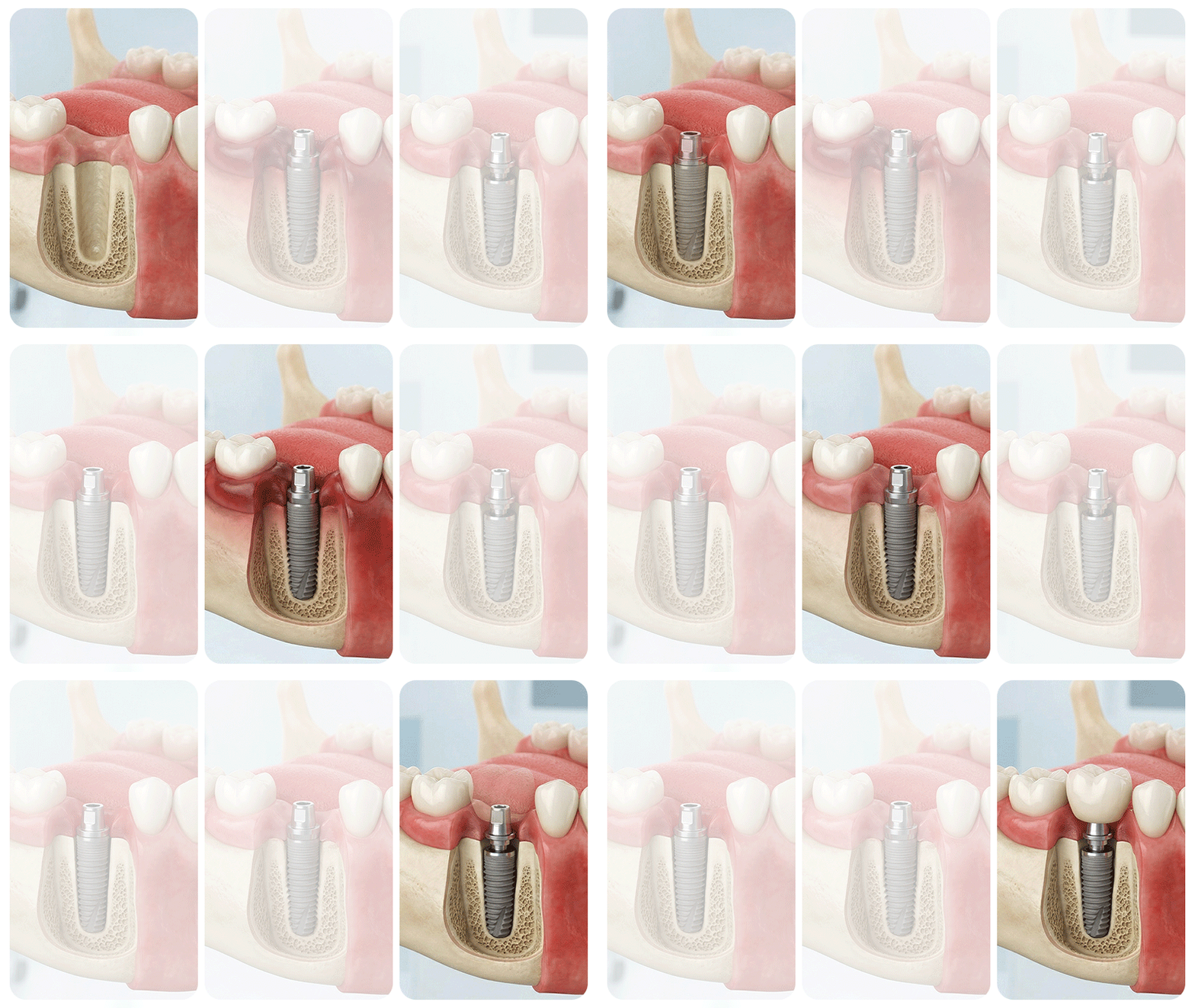
Dental implant treatment is similar to building a sturdy and safe house. Just as you must solidify the ground and set the foundation pillars before waiting for the cement to fully harden to ensure a stable structure, our bodies also require a biological process.
The "osseointegration" process, where the artificial tooth root stably bonds with the bone, is biologically essential. Only after this bond is sufficiently formed can the final prosthetic be connected, much like placing a roof on a house. Because the placement surgery and the prosthetic stage are separated by a time gap, the total timeline may feel longer than expected.
Representative criteria that significantly influence the treatment schedule and the number of visits include:
- 1-Stage vs. 2-Stage Surgery: A 1-stage surgery simplifies visit stages by exposing the healing abutment above the gums. In contrast, a 2-stage surgery involves covering the implant with gum tissue and suturing it thoroughly to reduce infection risks, followed by a second surgery later.
- Limitations of Immediate Placement after Extraction: Placing the pillar on the same day as the extraction has the potential to efficiently shorten the schedule. However, this is a conditional option applied restrictively only when there is sufficient bone and excellent initial stability.
- Misconceptions about Functional Recovery: Even if a temporary prosthetic is connected on the day of surgery, it serves an aesthetic auxiliary role and does not allow for full eating. Masticatory loading (chewing) may be strictly limited depending on the healing stage, requiring careful attention.
Ultimately, it is essential to work with your medical team to design the most suitable method and schedule by comprehensively analyzing the "soil condition" of your jawbone.
3. Checklist for Short-term Visitors: From Diagnosis to Post-return Care
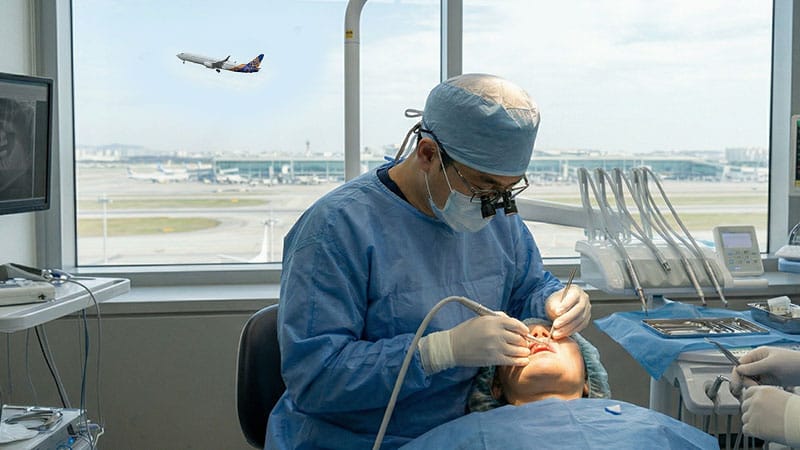
For those returning home after a short visit, the aftercare plan is just as important as the surgery itself. To maintain long-term oral health, you must systematically document various information and guidelines before departure and explore monitoring options in your home country. Long-distance travel, including flights, is also a significant variable that requires a thorough checklist.
Depending on the scope of your surgery, the second conditional branch appears in your post-return checklist:
- Simple Placement and Rapid Recovery: If there are no systemic diseases and the surgical scope was small, you can conclude the visit by securing image summaries and medication instructions before focusing on thorough self-hygiene management at home.
- Cases Involving Bone Grafts or Sinus Procedures: If you received a sinus lift (procedures related to the space above the upper teeth) or extensive bone grafting, you must be extremely cautious about changes in air pressure. In this case, the timing for flying must be separately coordinated with the medical team, and travel plans should be flexibly re-evaluated if initial symptoms occur.
To ensure safe recovery even after returning home, we recommend verifying the following documents before departure: a summary of surgical records and specifications of the components used, instructions for managing swelling or pain, and a timeline for the next treatment stages. Additionally, exploring the possibility of follow-up care with a local dentist for suture removal or initial inflammation monitoring will help you respond wisely to unexpected situations.

When planning dental implant treatment for a short 3-day stay, please remember these three key criteria:
First, a 3-day visit is a valuable time for establishing a safe, systematic staged plan rather than forcing the completion of the treatment.
Second, same-day placement or temporary prosthetic connection are selective, customized options applicable only when strict conditions, such as initial stability, are met.
Third, clearly documenting surgical records and management guidelines before departure and securing an initial monitoring plan at home are the standards for protecting your long-term health.
Attempting to finish all processes in a short period can add unnecessary burden to the recovery process. We warmly support you in taking the most comfortable and safe steps tailored to your oral condition and systemic health.
Sources
- Seoul National University Hospital Medical Information, Guide for Dental Implant Patients, n.d.
- Asan Medical Center Procedure/Surgery Information, Guide to Implant Surgery, n.d.
- Journal of Advanced Prosthodontics, A multi-center study on the prognosis and risk factors of implant prosthodontics, 2024.
※ The copyright for all content on this blog belongs to medihi. Unauthorized copying, distribution, or derivative use is strictly prohibited, and violations may result in legal action without prior notice.
Recommended reads
 medihi