

For international patients, a successful dental trip is built on a stable itinerary rather than just a promise of "finishing in a few days." Understanding the variables and setting realistic expectations is the first step toward a stress-free transformation.
"My vacation is only 3 to 7 days. What if I need a remake or an adjustment?"
It is completely natural to feel rushed during a short medical trip. Because veneers may cause temporary sensitivity or minor bite interference immediately after bonding, finishing your treatment on the day of your flight can be physically and mentally taxing.
Rather than promising a universal "3-day completion," this guide outlines the necessity of "Buffer Days" and how to manage risks based on your length of stay (3, 5, or 7 days).
1. Why Might It Not Finish in One Go?
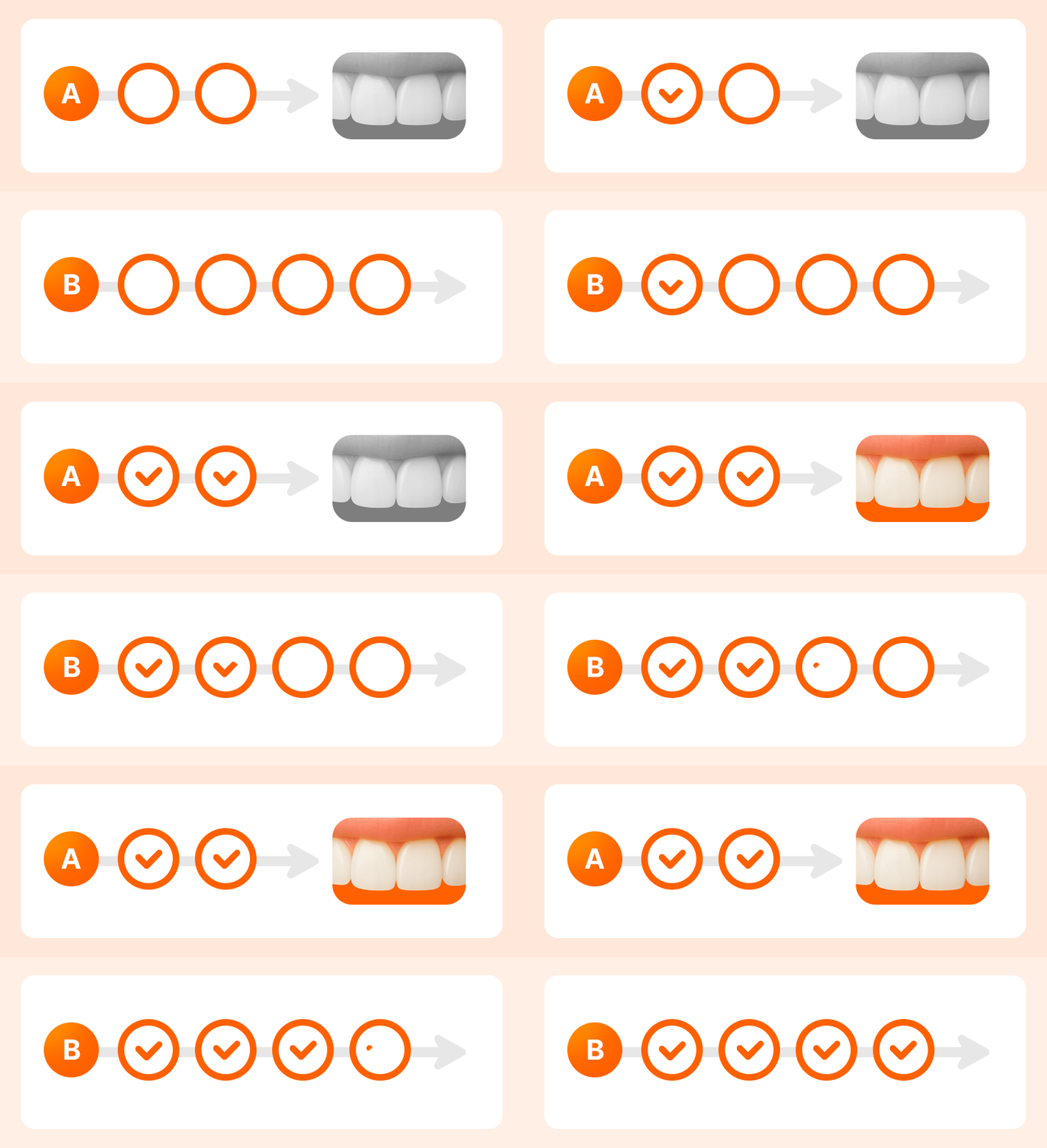
The standard veneer workflow involves: Consultation/Diagnosis → Preparation & Scanning → Temporary Veneers → Final Bonding → Final Check. For short-term visitors, it is safer to assume that at least one follow-up adjustment will be necessary.
Key Variables Affecting Your Schedule:
- Preliminary Issues: If decay, gum disease, or severe bite issues are discovered during the initial exam, these must be treated before veneers can begin.
- Fine-Tuning: Once bonded, you may notice a "high spot" or sensitivity that requires a micro-adjustment.
- Adaptation: Changes in altitude (flying), time zones, and diet can make minor discomfort feel more pronounced, making a final check-up essential.
2. The "Buffer Day": A Mandatory Safety Net
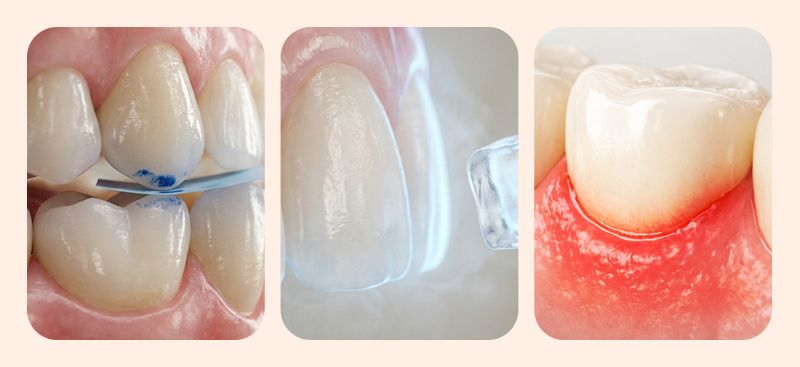
In a dental itinerary, a Buffer Day is not just a "day off"—it is your primary safety mechanism before flying home.
Just like new shoes may feel fine at first but rub after a day of walking, your teeth react sensitively to even microscopic height differences.
3 Points to Check During Your Buffer Day:
- Bite Micro-adjustment: Ensuring no specific tooth touches first when chewing.
- Sensitivity (Hypersensitivity): Monitoring post-bonding sensitivity, which varies by individual.
- Gum & Margin Health: Confirming there is no irritation at the gum line where the veneer meets the natural tooth.
While literature exists regarding the impact of air pressure changes on tooth pain (Barodontalgia), the direct correlation with veneers varies by case. Therefore, a conservative schedule is always psychologically and physically safer.
3. Plans by Length of Stay: Risks & Realities
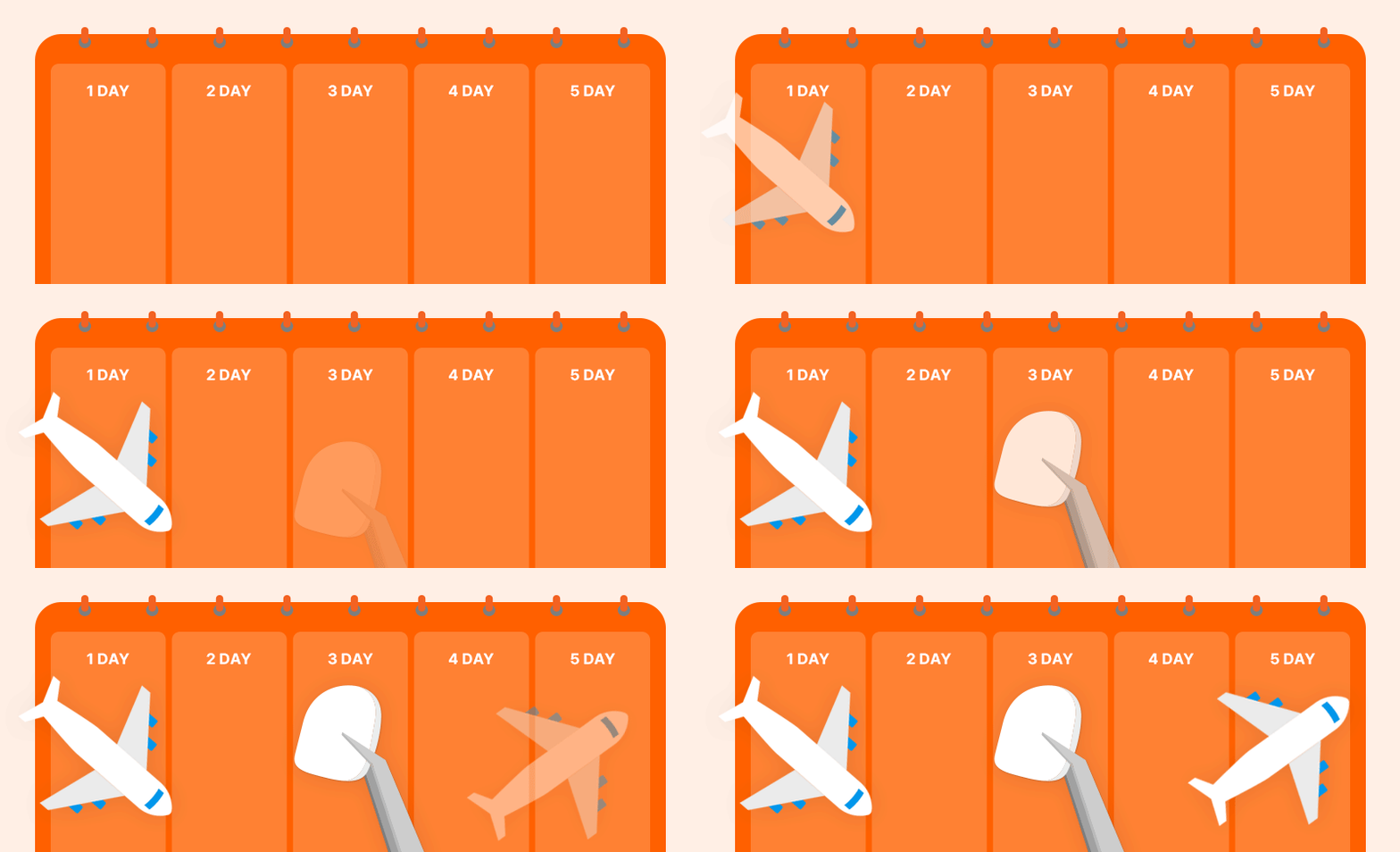
The following frameworks are for risk assessment. Remember: your oral health (decay, gums, bite) is more important than the number of days on your calendar.
1) 3-Day Plan (Ultra-Short)
- Stable Scenario: Possible if the diagnosis is simple and variables are minimal. You must clear your schedule for "emergency check-ins."
- Risk Scenario: If an adjustment is needed or an underlying issue is found, the schedule can collapse rapidly, leaving no time for corrections before your flight.
2) 5-Day Plan (Veneers Korea 5-Day Plan)
- Stable Scenario: Ideal for distributing fabrication, inspection, and adjustment. It allows for at least one full day of "test-driving" the veneers to check for sensitivity.
- Risk Scenario: If gum issues are found, the 5-day window can become very tight, as preliminary treatments must take priority.
3) 7-Day Plan (Recommended Window)
- Stable Scenario: Allows for the most thorough fabrication and multi-stage inspections. You can include a formal "Final Check" as a dedicated appointment.
- Risk Scenario: Even with 7 days, individual variables like breakage or sensitivity can occur. It is wise not to fill the final day with activities, ensuring the last check-up is the priority.

When planning veneers within a short stay, the total number of days is less important than these two principles:
Foundational Stability: How healthy are your gums, bite, and teeth initially?
The Buffer Day: Did you leave at least 24 hours between final bonding and your flight?
Plans are always fluid based on individual oral health and lab workflows. By leaving time for bite checks and securing a path for remote aftercare, you can minimize uncertainty and enjoy a safe, successful transformation in Korea.
Sources
- Morimoto et al. (2016). Ceramic laminate veneers longevity: systematic review/meta-analysis. International Journal of Prosthodontics.
- Clinical performance of ceramic laminate veneers: literature review. Journal of Prosthodontic Research (2024).
- Barodontalgia and Dental Emergencies: Review of aviation dentistry literature regarding pressure changes and pulp/restoration status.
※ The copyright for all content on this blog belongs to medihi. Unauthorized copying, distribution, or derivative use is strictly prohibited, and violations may result in legal action without prior notice.
Recommended reads
 medihi