

When patients express discomfort during thyroid treatment, the first thing checked in the consultation room is not "Is the medicine harmful?" but rather "Is the current dose appropriate for your body?"

Thyroid medication is not like a typical painkiller or antibiotic that introduces a foreign substance to kill bacteria. Instead, it acts like a 'radio volume knob' that regulates your body's metabolic rate. Therefore, most side effects felt by patients are likely the result of hormone concentrations being higher or lower than necessary, rather than the toxicity of the drug itself.
It is natural to worry, "Will this medicine harm my body since I have to take it long-term?" The hassle of maintaining a daily fasting state, combined with palpitations or weight changes, can increase anxiety. however, these symptoms are often signals that your current dosage or administration habits need to be reviewed, rather than a sign that the medication is dangerous. If accompanied by a process of finding the 'optimal volume (dosage)' through precise testing, thyroid medication becomes a safe tool for maintaining daily balance.
1.Is the Medication You Are Taking 'Supplementing' or 'Suppressing'?
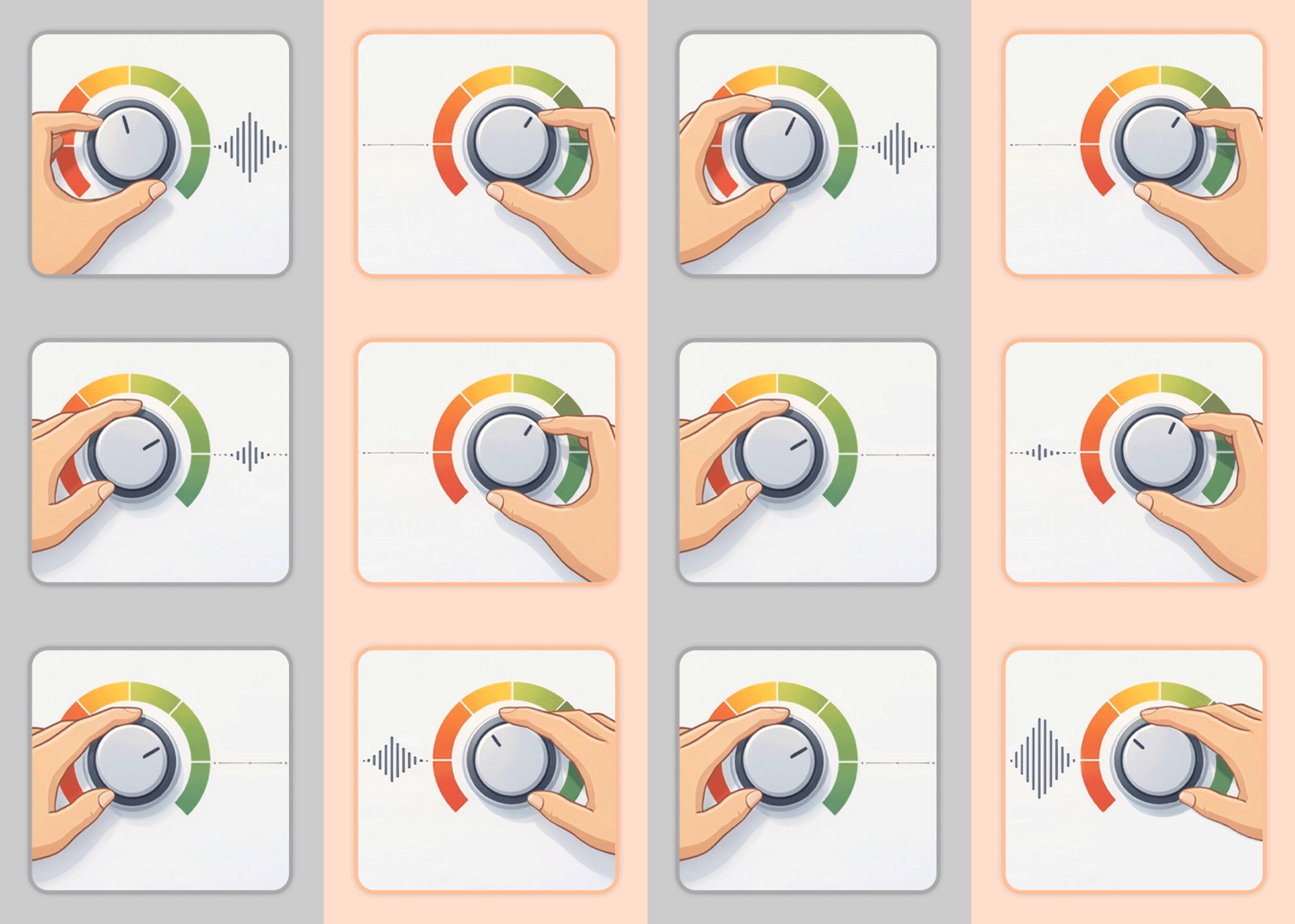
To clearly understand the side effects of thyroid medication, you must first distinguish the mechanism by which your medication works. Let’s use the radio volume adjustment analogy for easier understanding.
Medications for hypothyroidism (Levothyroxine, such as Synthroid) act to 'turn up the volume because the sound is too low (supplementing).' conversely, medications for hyperthyroidism (such as Methimazole) act to 'turn down the volume because it is too loud (suppressing).'
The discomfort we experience is like the 'noise' that occurs when this volume adjustment is slightly off. If you take hypothyroidism medication (supplement) and feel your heart racing or become sensitive to heat, it is not because the medicine is toxic, but because you 'turned the volume up too high (overdosage),' temporarily creating a state similar to hyperthyroidism. on the other hand, if you take hyperthyroidism medication (suppressant) and experience extreme fatigue or edema, it may be because you 'turned the volume down too much (over-suppression),' causing symptoms of hypothyroidism. In other words, the approach to management varies depending on the type of medication and your current dosage status.
2.Why Dosage is Often the Cause of Synthroid Side Effects
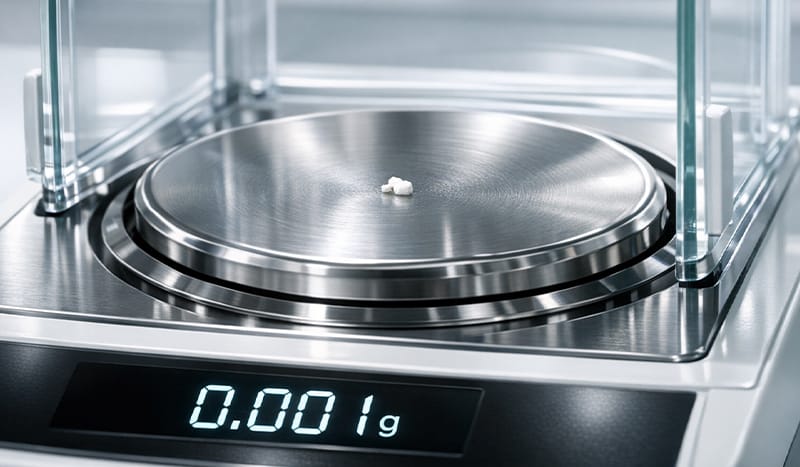
If you are taking Levothyroxine (Synthroid, Synthroxin, etc.) for hypothyroidism, you should first check 'whether the dosage entering your body is appropriate' before worrying about side effects.
This medication fills your body with a substance that is chemically identical to the hormones your body naturally produces. It is relatively stable when used within the appropriate dosage, but physical strain can occur when the balance is disrupted due to excessive dosage or interference with absorption.
If the dose is too high, symptoms such as a rapid heartbeat, excessive sweating, and unintended weight loss appear. Leaving this unaddressed for a long time can lead to weakened bones (bone loss) or strain on the heart. conversely, if the dose is insufficient or absorption is hindered, you may feel lethargic and swelling may not subside despite taking the medication. This is a signal to balance your hormone levels (TSH), not a sign of drug toxicity.
✅ Are your symptoms a dosage issue? (Self-Check)
- Your heart beats fast even while resting after taking the medication. (Suspected overdose)
- You are losing weight rapidly despite no change in food intake. (Suspected overdose)
- You still feel cold and your body is swollen even though you are taking the medicine. (Suspected deficiency/poor absorption)
- You recently started taking iron supplements or gastrointestinal medications. (Suspected absorption interference)
3.Iron Supplements and Coffee: A Schedule to Avoid 'Signal Disturbance'
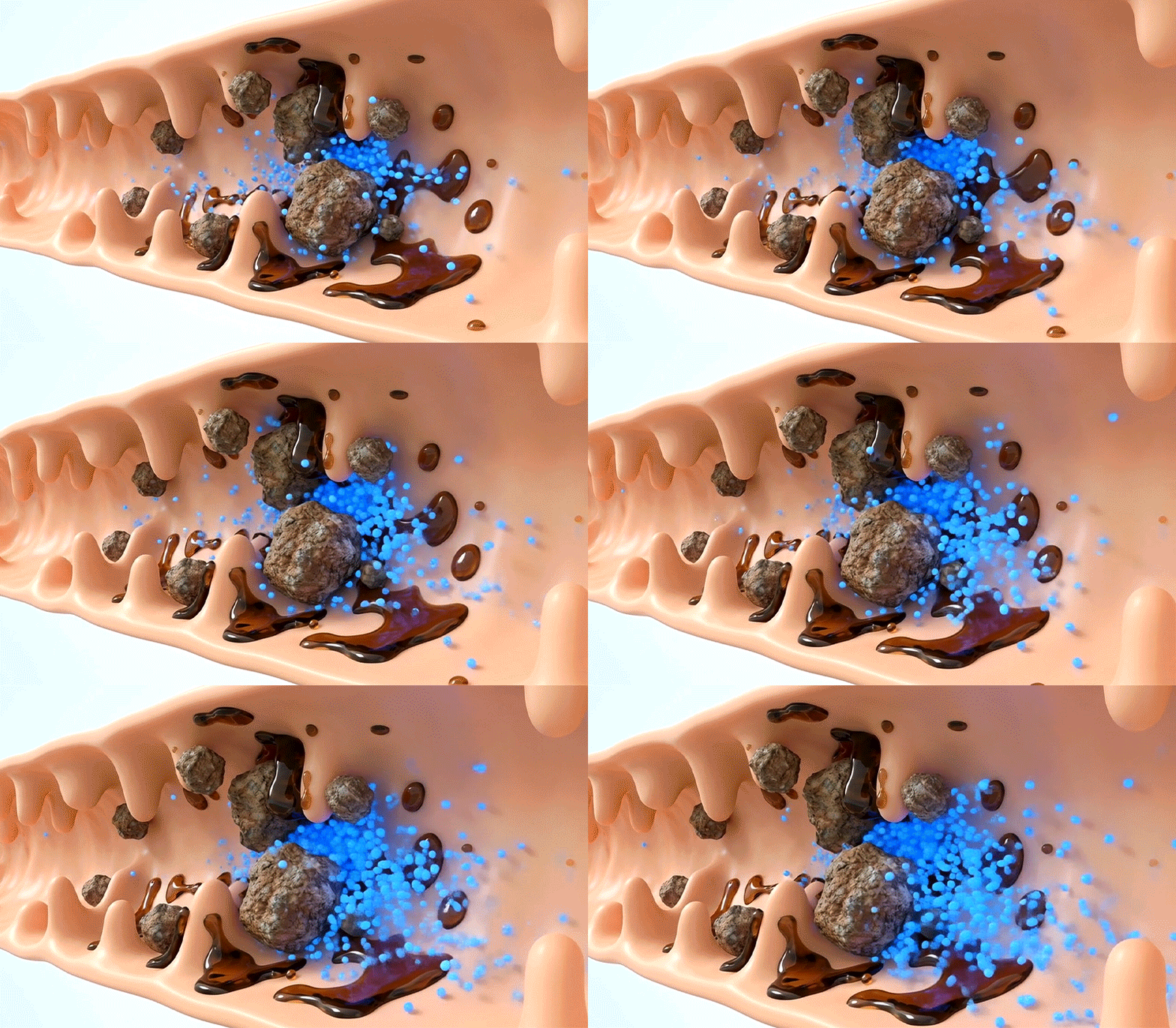
Many of those who complain that "levels are not stabilizing despite taking the medication regularly" often experience 'signal disturbance' in drug absorption caused by food, supplements, or gastrointestinal medications taken together.
The absorption rate of thyroid hormone (Levothyroxine) drops sharply if food or certain ingredients remain in the stomach. In particular, iron supplements, calcium supplements, and gastrointestinal medications (antacids, PPIs) are powerful interlopers that block absorption by binding with the drug or changing gastric acidity. Coffee, soy milk, and meals high in dietary fiber also have an impact.
The safest rule is to maintain a minimum 4-hour gap from iron or calcium supplements. If this is confusing, it is helpful to simplify your schedule by referring to the timetable below.
| Category | Recommended Administration Schedule (Example) |
|---|---|
| Immediately after waking up | [Take Thyroid Medication] Take with water (Maintain fasting for at least 30–60 minutes) |
| Breakfast | Eat breakfast and drink coffee |
| Lunch/Dinner | [Supplement Time] Iron, Calcium, Multivitamins, etc. (4 hours after taking medication) |
※ If fasting in the morning is difficult, you may consider taking it on an 'empty stomach before bed (4 hours after dinner)' after consulting with your medical team.
4.Why 'Flu Symptoms' and 'Jaundice' are Danger Signals While Taking Methimazole
The story is slightly different if you are taking Methimazole (or Antithyroid) for hyperthyroidism. although rare, this medication can cause actual 'adverse drug reactions' related to the immune system or liver function, making initial observation important.
The most common reactions are mild skin rashes or itching, but the things to truly watch out for are 'agranulocytosis (low white blood cell count)' and 'liver function abnormalities.' Agranulocytosis is a state where neutrophils, which fight bacteria, drop sharply, exposing you to a serious risk of infection. Liver toxicity, while rare, requires immediate action if it occurs.
Therefore, if you see symptoms such as sudden high fever, sore throat, or yellowing of the eyes or skin during the initial stages of administration (especially the first 3 months), you should not pass them off as simple fatigue. These can be urgent 'danger warning lights' sent by the medication.
✅ Danger Signals Requiring Immediate Verification (Red Flags)
1. High Fever and Sore Throat (Suspected Agranulocytosis)
- Sudden fever over 38°C (100.4°F) or severe throat pain.
- Action: Contact your hospital that same day and request a Complete Blood Count (CBC) test.
2. Jaundice and Dark Urine (Suspected Liver Function Abnormality)
- Yellowing of the whites of the eyes or skin, or urine turning dark like the color of cola.
- Action: Visit a clinic immediately to receive a Liver Function Test (LFT).
※ In both cases, do not stop the medication arbitrarily or endure it; you must receive verification from a medical professional.
5.Why Did the Doctor Tell Me to Come Back in 2 Months After Changing the Dose?

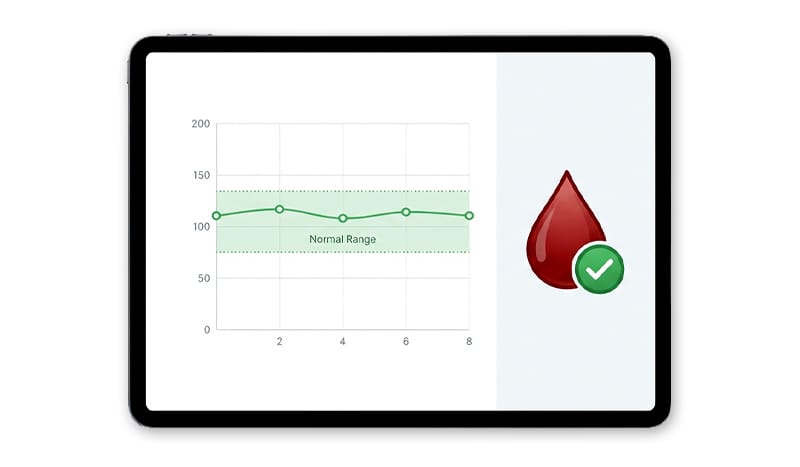
You might think, "If the medication was changed, shouldn't we check the levels immediately a few days later?" However, thyroid hormone levels change very slowly, much like a massive ship turning its direction.
Adjusting the medication dose today does not mean the blood test result (TSH) will change dramatically tomorrow. It usually takes 6 to 8 weeks for the hormone concentration in our body to adapt to the new dose and reach an equilibrium state. Testing too early makes it difficult to make an accurate judgment because the levels are still fluctuating.
Therefore, when a doctor says, "I'll see you in two months," they are not neglecting the patient, but rather allowing for a necessary adaptation period until the levels stabilize. however, this is a general standard; in the early stages of hyperthyroidism treatment or during pregnancy, tests may be performed more frequently (every 2 to 4 weeks) to check hormone levels that respond faster (such as FT4).
6.Frequently Asked Questions(FAQ)
Q. Is it a side effect if I get palpitations or insomnia after taking thyroid medication?
Rather than the toxicity of the drug itself, it is highly likely to be a 'dosage overdose.' If hypothyroidism medication (Levothyroxine) is excessive, symptoms similar to hyperthyroidism temporarily appear. Do not stop the medication arbitrarily; you should finely adjust the dose after a blood test (TSH) in consultation with your medical team.
Q. When is the best time to take iron supplements, gastrointestinal medicine, or probiotics?
Absorption drops significantly if taken simultaneously with thyroid hormone medication. The safest rule is to take iron, calcium, or antacids (gastrointestinal meds) at least 4 hours after taking your thyroid medication. It is also recommended to take probiotics or multivitamins separately after lunch or dinner if possible.
Q. I forgot my medication this morning; should I take a double dose tomorrow?
Hypothyroidism medication (Levothyroxine) has a long half-life, so missing it for one day is not a major problem. Take it as soon as you remember, or if it's already too late, just take one dose at the scheduled time the next day. Taking a double dose at once is not recommended as it can put a strain on the heart. (however, for Methimazole, it is safer to follow your doctor’s specific instructions).
Q. When is it an emergency while taking Methimazole (hyperthyroidism medication)?
Remember two signals. First, if a high fever over 38°C or severe sore throat occurs, you should suspect a decrease in white blood cells. Second, if eyes or skin turn yellow and urine becomes dark, you should suspect liver function abnormalities. In these cases, visit a hospital immediately for a blood test.

The key to thyroid medication treatment is 'the journey to finding the optimal volume (dosage) that fits your body.'
First, if you are taking hypothyroidism medication (Levothyroxine), it is most important to maintain a consistent absorption rate by following the 'fasting administration' and '4-hour gap' rules.
Second, if you are taking hyperthyroidism medication (Methimazole), you must be aware of rare danger signals such as high fever, sore throat, and jaundice, in addition to mild skin rashes.
Third, do not be impatient even if test results do not come out immediately, and please wait through the 6 to 8-week adaptation period, like a massive ship turning its direction.
Medication is not a shackle that binds you for life, but a management tool that balances your body. If accompanied by correct administration and periodic monitoring, you can fully enjoy a healthy and energetic daily life even with thyroid disease.
Sources
- Korean Thyroid Association, Clinical Recommendations for Hypothyroidism, 2023.
- Korean Endocrine Society, Treatment Guidelines for Hyperthyroidism (Graves' Disease), 2020.
- American Thyroid Association (ATA), Guidelines for the Diagnosis and Management of Thyroid Disease During Pregnancy and Postpartum, 2017.
※ The copyright for all content on this blog belongs to medihi. Unauthorized copying, distribution, or derivative use is strictly prohibited, and violations may result in legal action without prior notice.
Recommended reads
 medihi